Is your food photography pushing customers away instead of drawing them in?
In Singapore’s hyper-competitive F&B landscape, visual first impressions are critical. Many talented chefs and business owners unknowingly sabotage their marketing efforts by overcrowding their images. They fill every inch of the frame with props, ingredients, and cutlery, believing that “more is more.” However, this often creates visual clutter and distracts from the main subject.
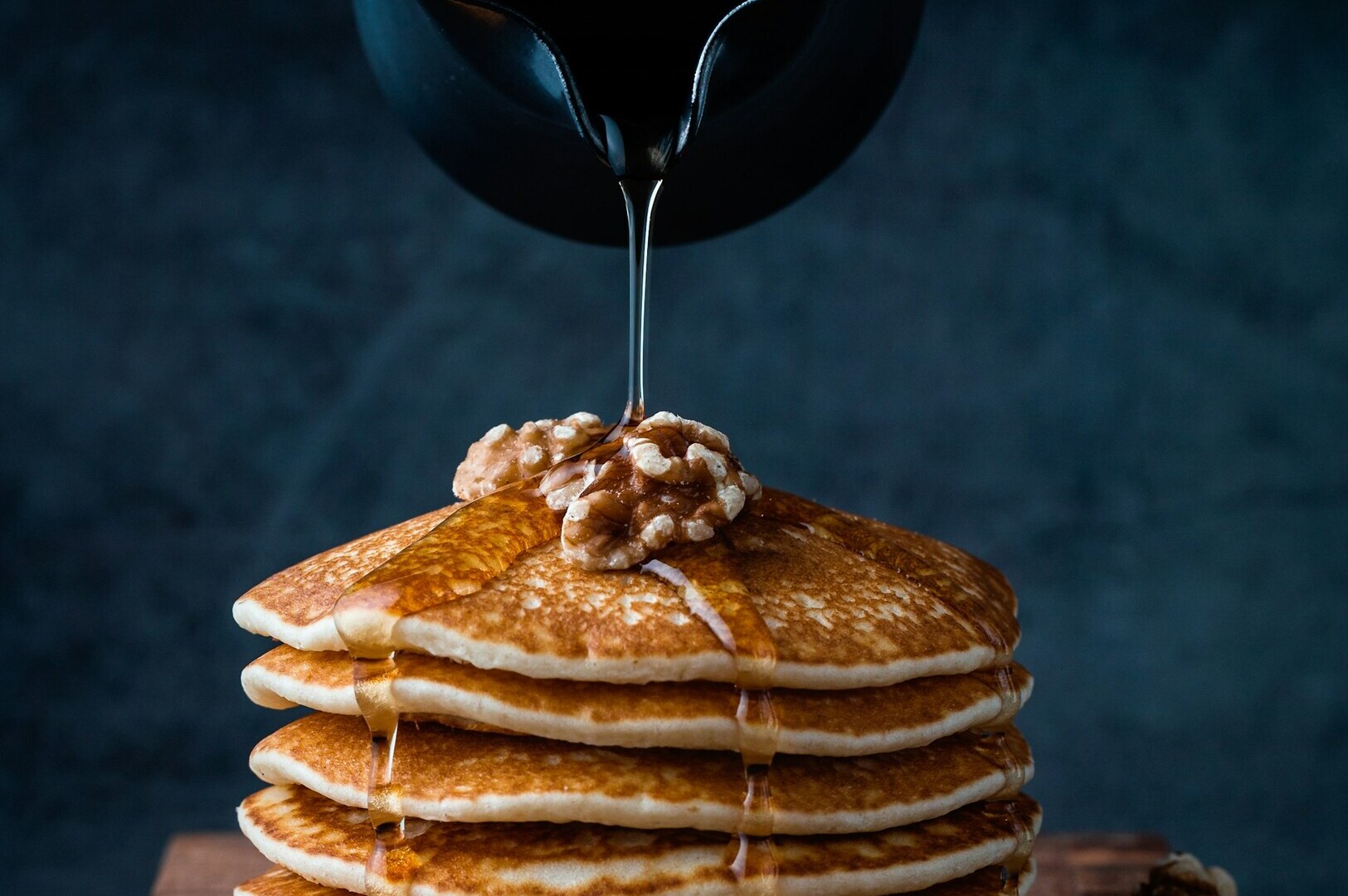
The key to capturing the viewer’s attention lies in mastering negative space in photography. This essential technique helps create visually striking images by balancing positive and negative space, allowing the subject’s form to stand out. Understanding how negative space affects the composition, a technique our team at Food Photographer Studio regularly applies during professional shoots, enables you to create mouth watering food photos that engage the viewer’s eye and evoke emotions. By mastering negative space, you transform your photos from chaotic snapshots into compelling stories that speak volumes and boost your brand’s appeal.
Understanding Positive Space and Negative Space
To fix your photos, you first need to understand the relationship between positive and negative space.
Positive space is your main subject, the dish you are selling—the focal point and hero of the photograph. Negative space is the empty area surrounding your subject, creating breathing room for the eye.
These two elements must work together in photographic composition to create visual balance. A common misconception is that negative space is “wasted space,” leading new photographers to fill every corner.
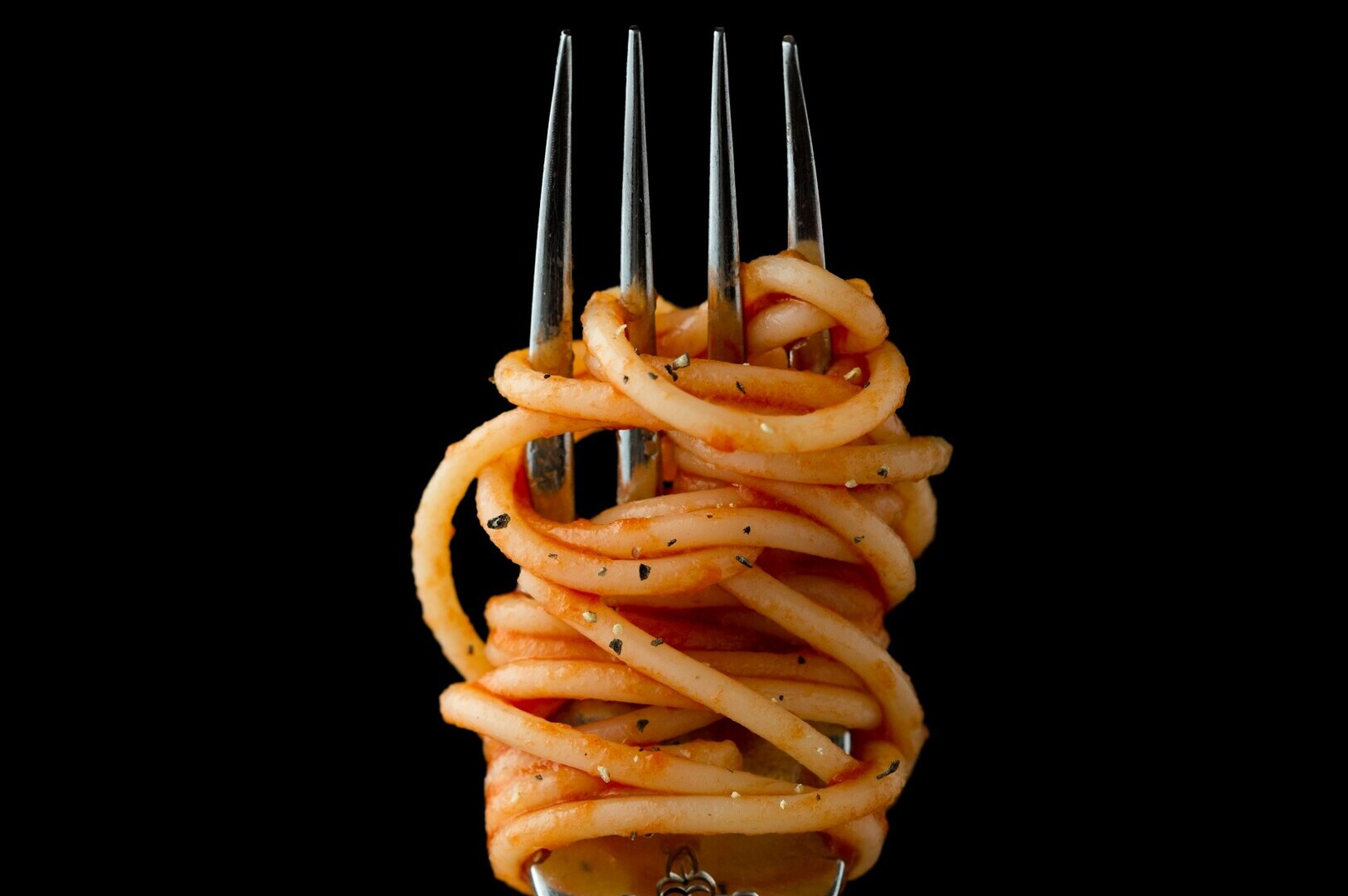
For example, an overhead shot of a vibrant pasta dish on a clean white marble surface shows the pasta (positive space) popping against the white background (negative space). Adding a wine glass, napkin, cutlery, bread basket, and pepper grinder makes the image cramped and overwhelming. Clearing clutter lets negative space enhance appetite appeal and lets the food speak for itself.
While this focuses on food photography, positive and negative space principles apply across genres like street photography, portrait photography, and nature photography. Mastering how negative space affects composition is key to creating visually striking images that capture the viewer’s attention and evoke emotion, particularly once you fully understand what negative space in photography is and how it shapes visual balance.
How Negative Space Makes or Breaks Food Photography
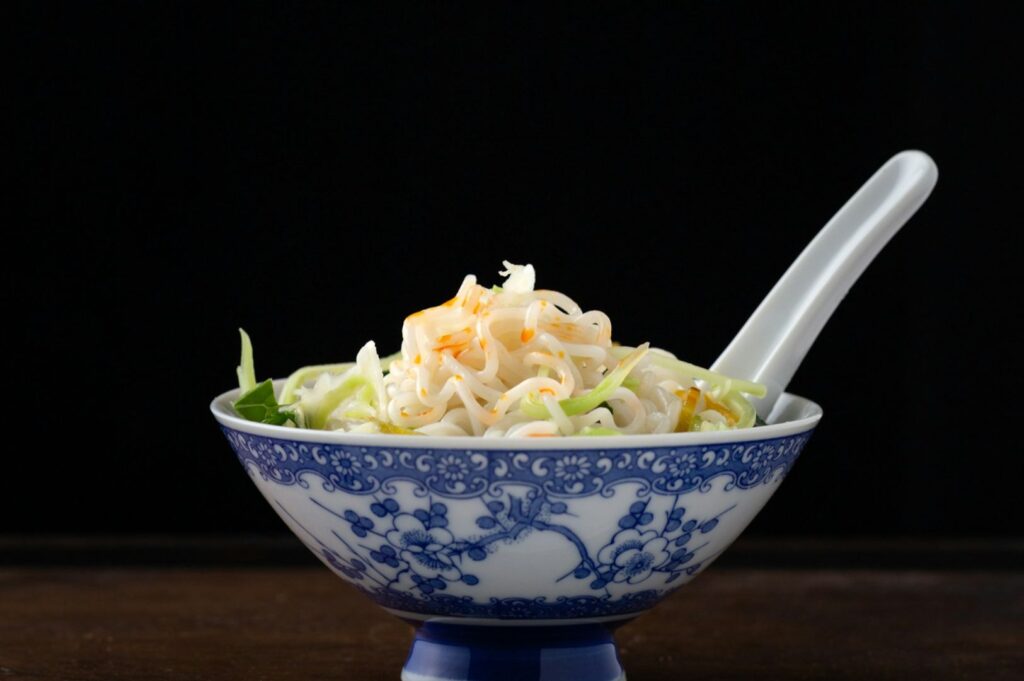
How negative space is utilized often determines the success of a commercial image. Here are five ways it impacts your photography:
Creates Focus: By removing distracting elements, you direct the viewer’s attention straight to the main focus. The eye naturally gravitates toward the area of highest contrast or detail, which should always be your food.
Establishes Mood: Generous empty space often creates a sense of sophistication and luxury. Think of fine dining plating, small portions on large plates. Negative space images mimic this upscale aesthetic, establishing a premium mood.
Enables Platform Optimization: Practicality matters. You need breathing room in your photos for text overlays on Instagram Stories, menu covers, or website banners. Cramped photography leaves no room for your message.
Affects Processing Speed: Cognitive psychology suggests that our brains process images with clear negative space up to 25% faster than cluttered ones. In a fast-paced scrolling environment, that split-second advantage is crucial.
Communicates Story: Strategic use of space allows a single subject to tell a powerful story. A lone cup of coffee with vast negative space might evoke a quiet morning moment, whereas a cluttered table suggests a busy brunch.
In the Singapore context, where diners are bombarded with visual noise, food images that utilize 40-60% negative space consistently outperform those that are packed to the brim.
Five Signs You're Doing Negative Space Wrong
Are you guilty of overcrowding your frames? Here is a diagnostic framework to check if your negative space photography needs an adjustment.
Sign 1: Every Frame is Packed Full
Do you feel nervous leaving parts of your photo empty? Try this test: cover half your frame with your hand. Does the composition still work? If removing half the image ruins the story because there are essential items everywhere, you likely lack a clear hierarchy.
Sign 2: The Viewer’s Eye Has Nowhere to Rest
When you look at your photo, does your eye jump chaotically between multiple focal points? If a viewer spends five seconds trying to decide if they should look at the burger or the milkshake next to it, you’ve lost them. Negative space provides a place for the viewer’s eye to rest, creating a calm and enjoyable viewing experience.
Sign 3: Photos Don’t Work Across Platforms
You take a beautiful horizontal shot for your website, but when you try to crop it for an Instagram Story or a GrabFood listing, the main dish gets cut off. This happens when you don’t leave enough space around your subject. Professional photographers always shoot wider than necessary to allow for cropping.
Sign 4: Your Food Looks Cheap Despite Quality
Ironically, showing “more” often makes dishes appear less premium. A plate overflowing with sides and garnishes can look like a buffet rather than a curated dish. Negative space images suggest confidence, you don’t need to distract the diner with extras because the main dish is high quality.
Sign 5: You Can’t Add Text Without Obscuring Food
This is a practical fail. If you want to announce a “1-for-1 Deal” but have to place the text directly over your Wagyu beef because there is no empty space, you are hurting your product’s appeal. Negative space is essential for marketing utility.
Master Negative Space: Essential Techniques for Food Photography
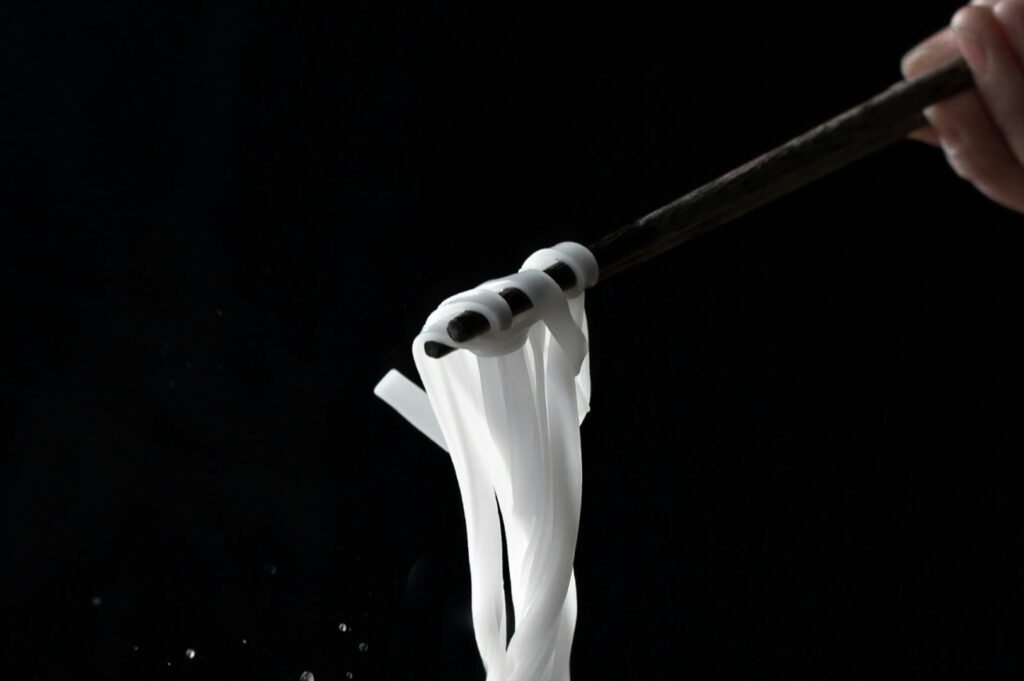
Ready to fix your feed? Here are six actionable techniques to help you master negative space in your food photography.
Camera Angle Selection
Your choice of camera angle drastically changes the available negative space. Overhead shots (flat lays) are the easiest way to naturally create negative space using the table surface. By zooming out or standing on a step stool, you can instantly turn a tablecloth or wooden board into a beautiful, clean canvas.
Shallow Depth Technique
Sometimes, you can’t clear the background. This is where shallow depth of field becomes a powerful tool. By using a wide aperture (like f/1.8 or f/2.8), you can blur out a busy restaurant background. This transforms a cluttered environment into soft, undistracting negative space. This technique isolates the main subject and ensures the focus remains entirely on the food.
Lighting for Negative Space
Light shapes space. Natural light or soft artificial light creates gentler shadows that add dimension without creating harsh, distracting elements. Conversely, hard light can create deep, dark shadows that act as negative space shapes themselves. Understanding light allows you to sculpt the area surrounding your dish to create the desired effect.
Composition Rule Application
Use the Rule of Thirds to position your main subject in just one-third of the frame, leaving the other two-thirds as negative space. This asymmetry creates visual balance and makes the image more dynamic than simply centering everything. It forces the viewer to engage with the space in photography.
Background Selection
Choose simple, uniform backgrounds. A textured concrete surface, a white marble slab, or a dark wood table are excellent choices. Avoid busy patterns that compete for attention. The background should be a supporting character, not the lead. A good rule is: if the texture is more interesting than the food, it’s the wrong background.
Props and Other Elements
Be ruthless with your props. If you have two elements competing for attention, remove one. Does that extra spoon enhance the story? Does that napkin add visual balance or just clutter? If a prop doesn’t actively help the composition, remove it. Often, a lone figure or small subject surrounded by vast space speaks volumes more than a crowded table.
Creating Mouth Watering Food Images Through Negative Space
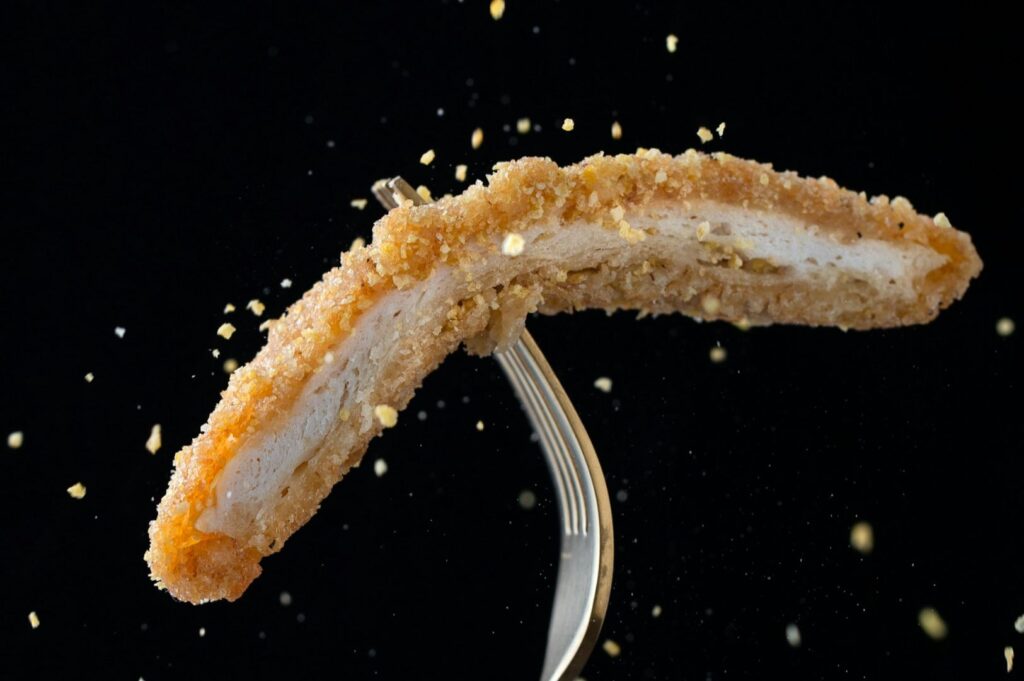
When you synthesize these techniques, you move beyond documentation and start creating art. Negative space work translates directly to commercial success.
When you master negative space, you create images that evoke emotions and trigger an appetite response. The difference is palpable. A photo of a steaming bowl of Laksa with ample breathing room allows the viewer to imagine themselves sitting at that table. It invites them in.
Consider a local Singapore café that restructured its menu photography. Previously, their photos showed full set meals with drinks and sides squeezed into the frame. After switching to visually striking images that highlighted single dishes with 40% negative space, they saw a 34% increase in orders for their high-margin main courses. Why? Because customers could finally see exactly what they were buying, and the food looked appetizing, not chaotic.
Practical Checklist: Are You Doing Negative Space Right?
Before you post your next photo, run through this quick self-assessment:
Does your main subject occupy roughly 30-50% of the frame, not 80-90%?
Can you identify a single clear focal point within 2 seconds?
Does the empty space create a sense of calm rather than accidental emptiness?
Could you add a text overlay to the image without obscuring the food?
When you experiment with different crops, does a wider shot with more negative space feel more premium?
Do your food images draw attention on crowded social feeds, or do they blend in?
Conclusion
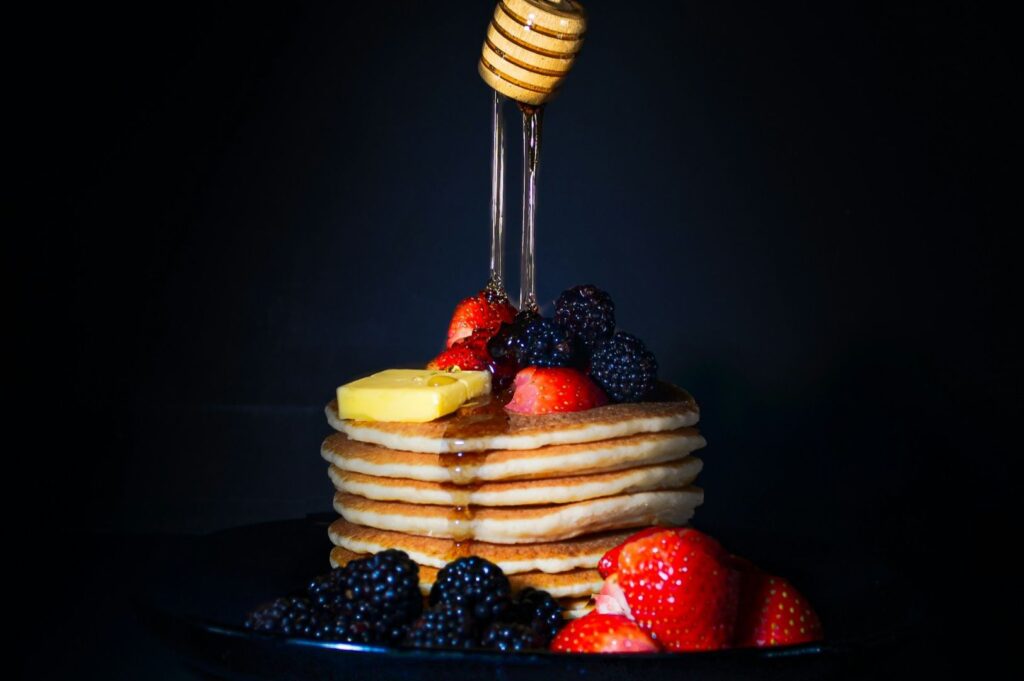
Negative space in photography is the defining line that separates amateur food photography from professional photographers’ work that converts. It is not about what is missing, it is about making room for what matters. By understanding how negative space affects viewer perception, you can create stunning images that speak volumes about your brand’s quality and drive real business results.