A buffet can look generous in person and strangely chaotic in a photograph.
There are chafing dishes in a row, stacks of plates, serving spoons pointing in different directions, little food labels everywhere and, just as the camera is ready, someone walks through the frame carrying another tray.
That is normal buffet life.
The mistake is trying to photograph all of it at once.
A good buffet photograph should communicate abundance without making the viewer feel like they are standing at the back of a queue.
Photograph Stations, Not One Endless Buffet Line
When we arrive before service, one of the first things we look for is where the buffet naturally breaks into smaller stories.
There might be a seafood counter, carving station, dessert table, salad section and hot-food line. Each has a different visual strength.
Trying to fit everything into one wide photograph usually makes the dishes tiny. Stainless-steel equipment starts dominating the frame, while the food becomes a collection of similarly sized rectangles.
Instead, choose several hero areas.
A carving station works well when there is height, action and a recognisable centrepiece. Desserts often benefit from a slightly wider composition because repeated cakes, pastries and glasses naturally create abundance. A hot-food section may need a tighter crop to keep attention away from the row of identical chafing dishes.
Generally, food photography composition emphasises lighting, composition and styling as core parts of making food visually appealing. At a buffet, composition becomes especially important because there are simply more competing elements in front of the camera.
Abundance comes from layering useful details, not squeezing the entire spread into one frame.
Shoot Before Guests Arrive, but Not Too Early
There is a small window when a buffet looks its best.
Too early, and half the dishes may still be missing. Too late, and serving spoons have moved, sauces have dripped onto counters and the roast has already been carved through the middle.
We like the point just after the team has completed the first proper setup and replenished each station for service.
That requires coordination.
The photographer needs to know when the kitchen expects each section to be ready. The buffet team needs to know which station is being photographed next. Otherwise, everyone ends up waiting for one tray of vegetables while the ice at the seafood counter slowly loses its shape.
Food safety also matters here. Singapore Food Agency guidance notes that hot food should be kept above 60°C and cold food below 5°C, particularly during catering and buffet service. SFA’s catered-meal guidance is a useful reminder that food cannot simply sit around indefinitely because the photography team wants another angle.
Watch the Shine
Buffets contain a lot of reflective surfaces.
Stainless-steel chafing dishes, heat lamps, glass sneeze guards, polished counters and serving utensils can bounce light straight back into the camera.
Sometimes we move only a few centimetres and the problem disappears. Other times, the cleaner photograph comes from changing the angle completely rather than fighting every reflection.
We also check what appears inside those reflections.
A beautiful roast does not benefit from a distorted photographer appearing across the lid beside it.
The equipment should support the sense of hospitality, not become the main subject.
Let People Suggest Service, Not Block the Food
A completely empty buffet can sometimes feel oddly lifeless.
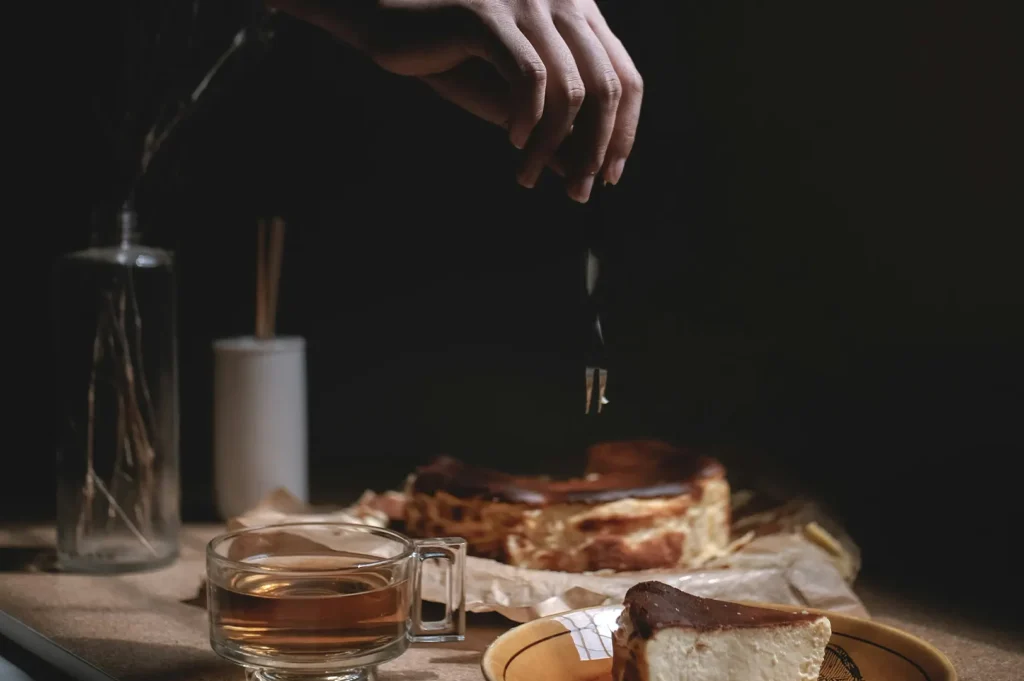
Hands carving meat, a chef finishing a plate or a guest reaching for a serving spoon can bring scale and movement into the photograph. The trick is deciding where that human element belongs.
We usually prefer controlled moments rather than photographing the busiest part of actual service.
Once a real queue forms, backs, handbags and raised plates quickly cover the food. You also lose control over where people stand.
For important marketing images, create the suggestion of service before the crowd arrives. Then capture genuine atmosphere separately once the buffet opens.
A Singapore food photographer should be planning for both: clean photographs that explain the spread and wider hospitality images that show what the experience feels like.
Photograph the Buffet at Its Fullest
Buffet photography is partly a waiting game.
A tray that is three-quarters empty may be perfectly acceptable during service, but it rarely communicates abundance in a hero photograph. We watch for replenishment and photograph immediately afterwards, before guests begin serving from it again.
The same applies to dessert displays, bread baskets and seafood beds. Fill level changes the entire impression of the station.
That does not mean making the buffet look unrealistically overflowing. It means photographing it at the moment the restaurant genuinely intends guests to see it.
A successful buffet photograph does not prove how many dishes are available. It makes the spread feel organised, generous and worth exploring.
That usually means showing less of the buffet in each frame—and choosing those frames much more carefully.