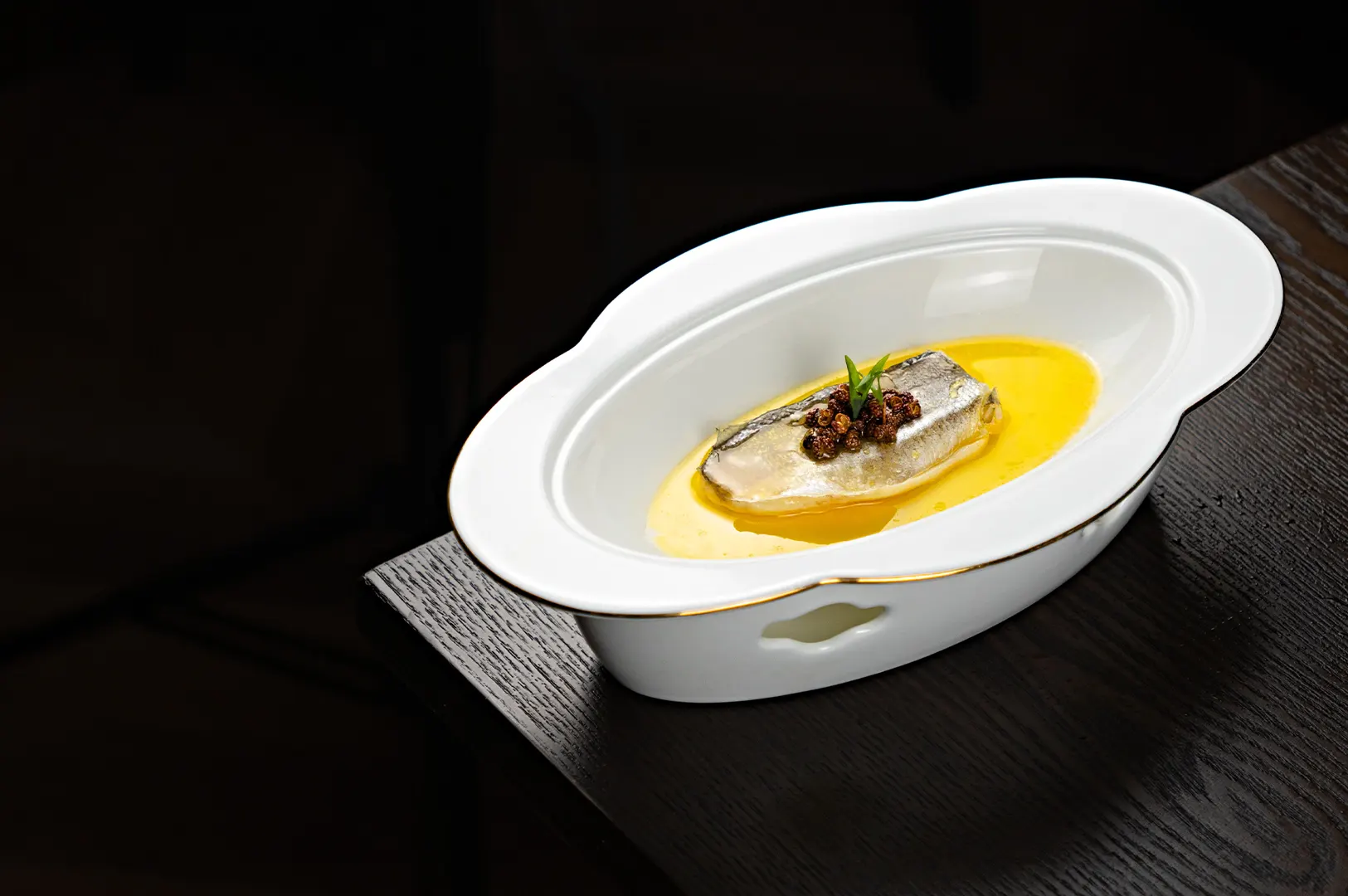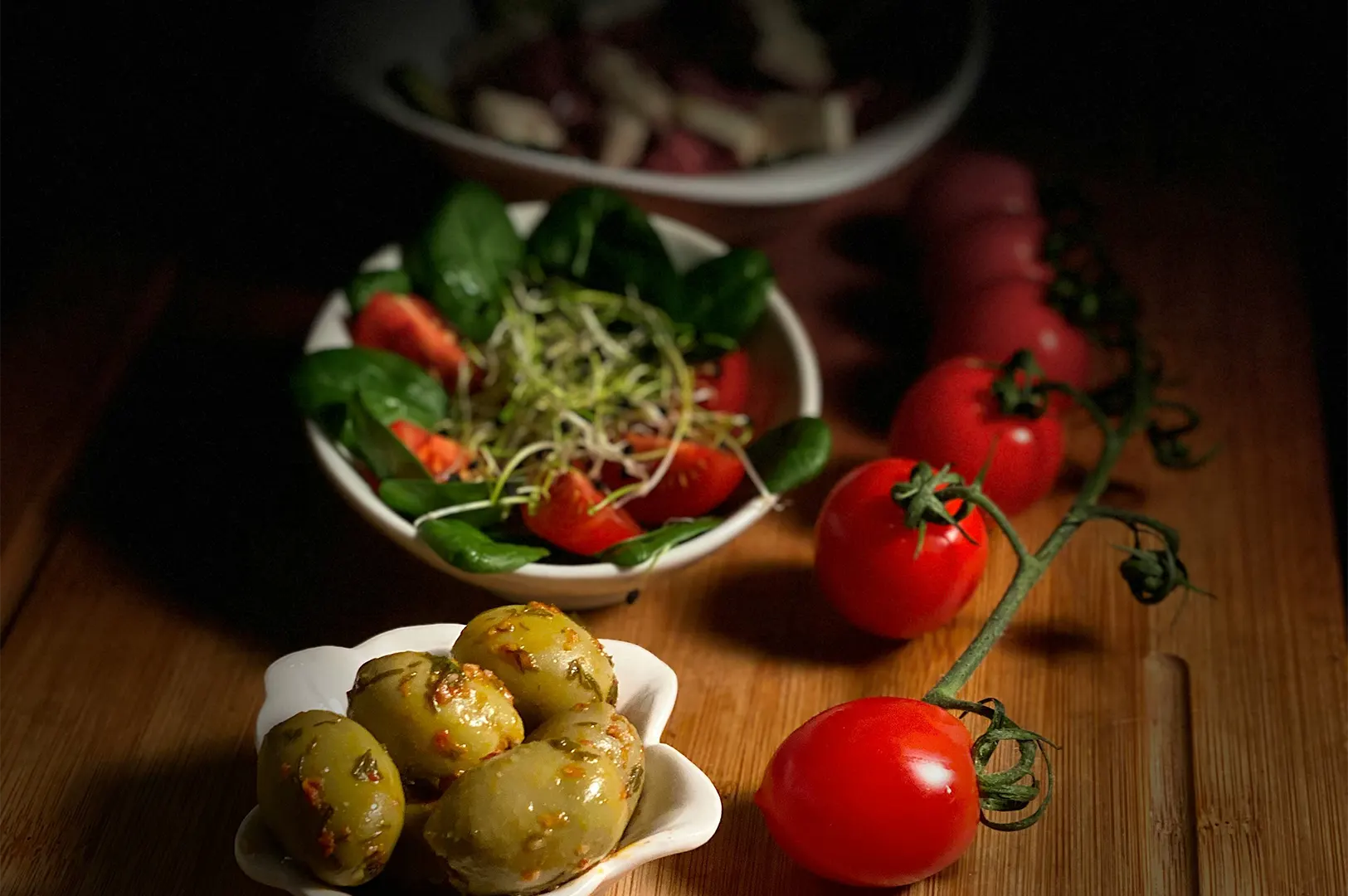
The main course usually gets all the attention on shoot day.
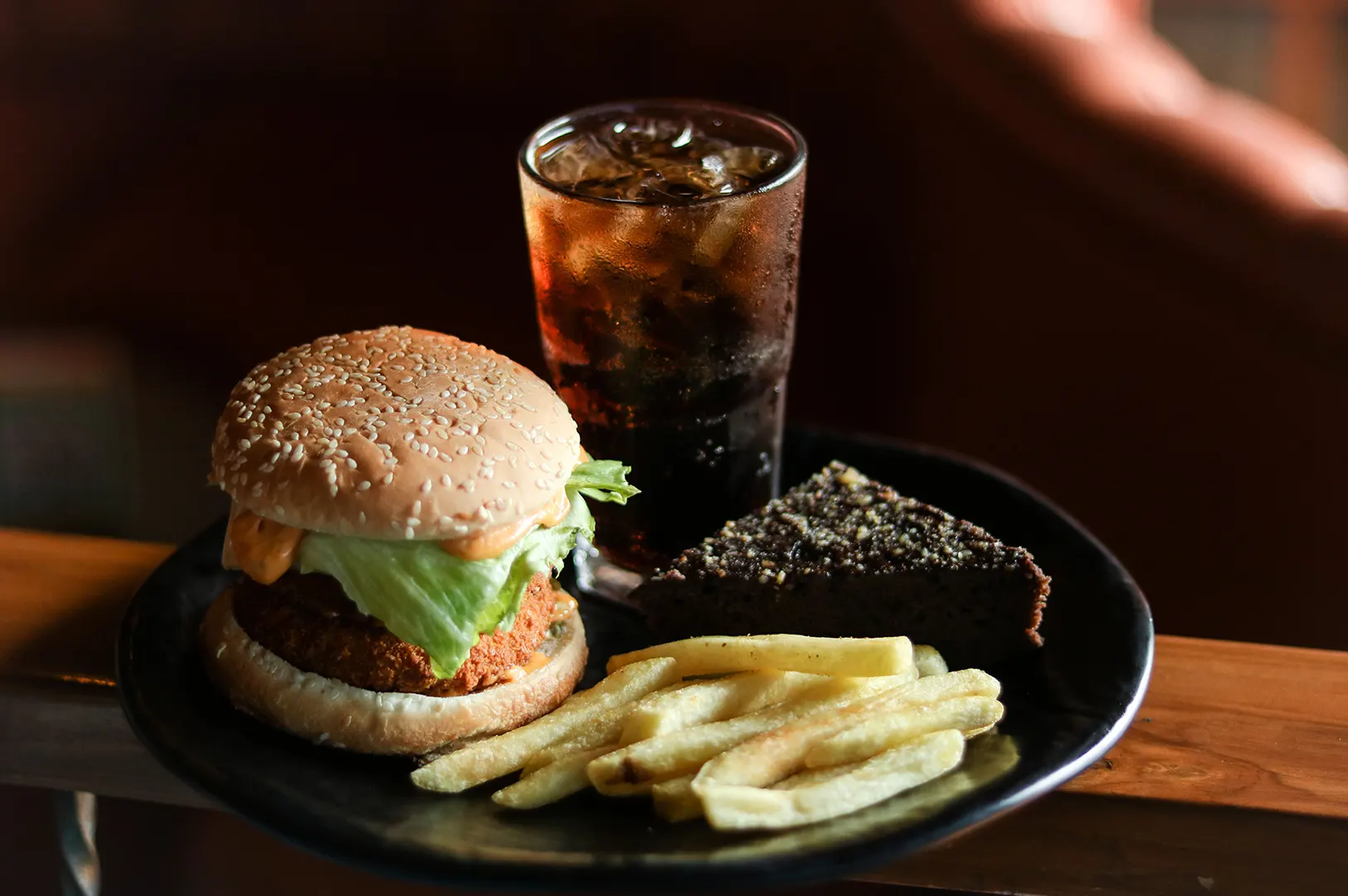
The burger is carefully stacked. The steak gets a fresh plate. The noodles are rebuilt twice until the toppings sit properly.
Then someone remembers the truffle fries, extra sambal, soup upgrade and three sauces customers can add to the order.
By that point, the kitchen is tired and the photographer is looking at a shot list that suddenly grew by twelve items.
We understand why add-ons get pushed to the end. They look small. But on an ordering page, they are still products customers are being asked to choose.
If an add-on needs explanation, has a meaningful price, or changes the meal visually, it may deserve its own photograph.
Not Every Side Needs a Hero Shot
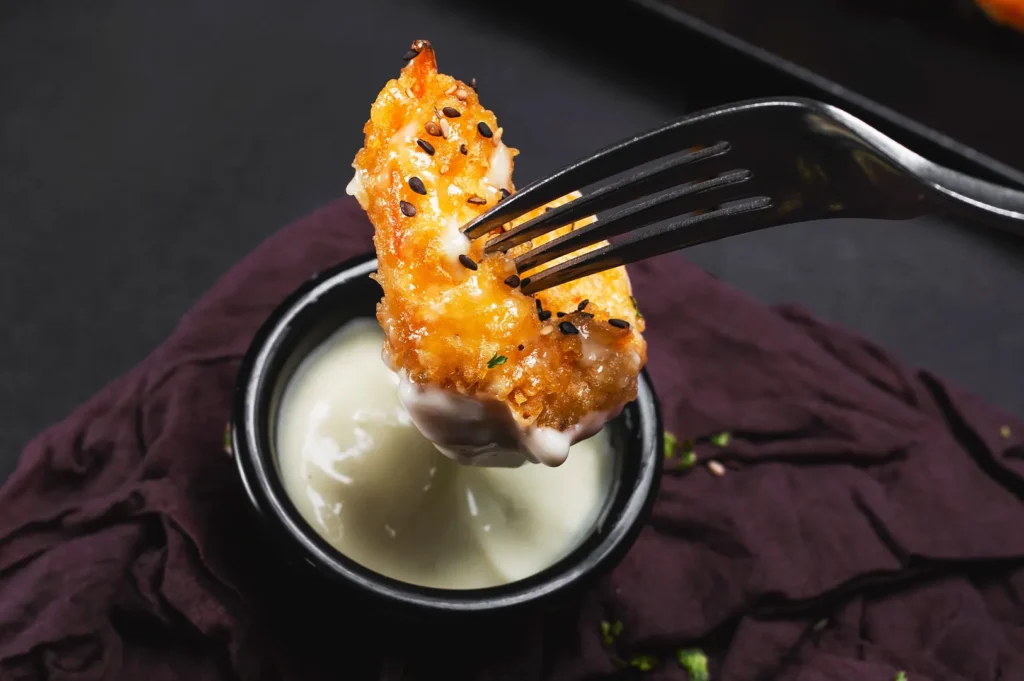
We would not photograph every packet of ketchup.
The first job is deciding which extras genuinely benefit from being seen.
A side of plain white rice probably does not need a campaign image. House-made chilli crab dip, loaded fries, truffle mash or a premium protein add-on is different.
Square defines modifiers as customisable choices such as toppings and paid add-ons. Lightspeed similarly describes option sets as useful for choices, sides, combos and upsells.
From a photography point of view, that means the add-on is not always background decoration. Sometimes it is a separate buying decision.
Decide Whether It Belongs Alone or With the Main
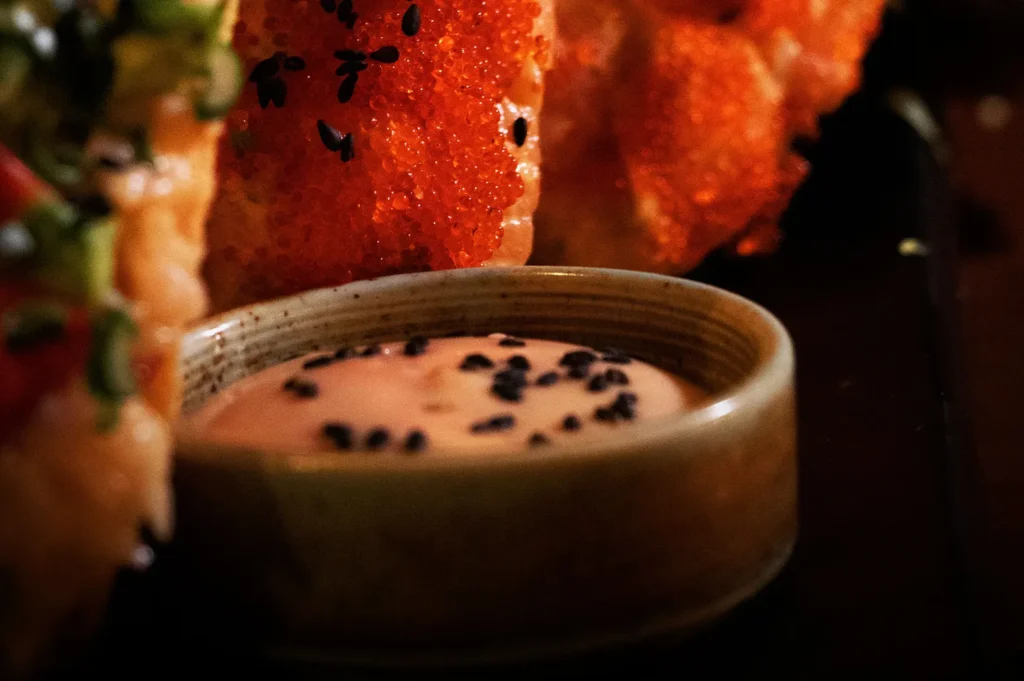
Some sides make more sense beside the dish they complete.
If a sauce is designed specifically for one grilled chicken dish, showing it next to that chicken may be more useful than photographing a tiny ramekin alone.
Other items need independence. A side that can be added to five different mains probably needs a clean standalone image that can be reused.
We prefer to make this decision while building the shot list, not when the food arrives. Our menu photoshoot checklist goes deeper into prioritising dishes before shoot day.
Small Food Still Needs Portion Clarity
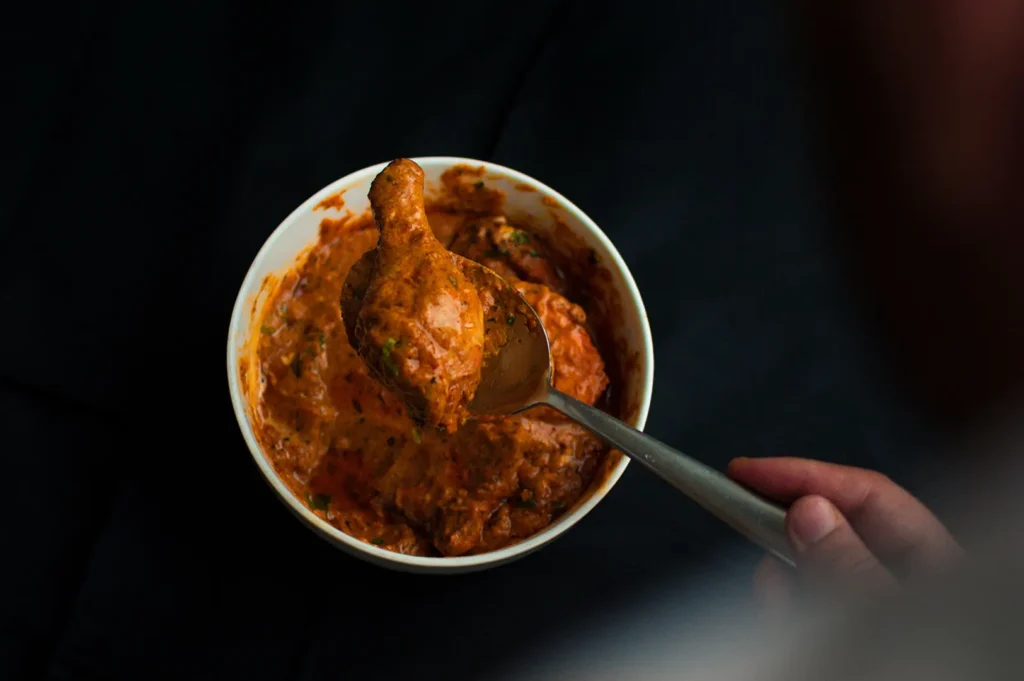
A tight close-up can make six fries look like a basketful.
That is why sides need scale just as much as mains. Show enough of the bowl, ramekin or plate for customers to understand what they are ordering.
We once photographed a premium sauce add-on in a very small ceramic cup. In the first close-up, it looked generous because the cup filled the frame. Once we pulled back slightly, the actual portion became much clearer.
That second photograph was more useful.
The job is not to make a $3 add-on look like a $10 dish. It is to make the $3 add-on feel worth understanding.
Group Dips Carefully
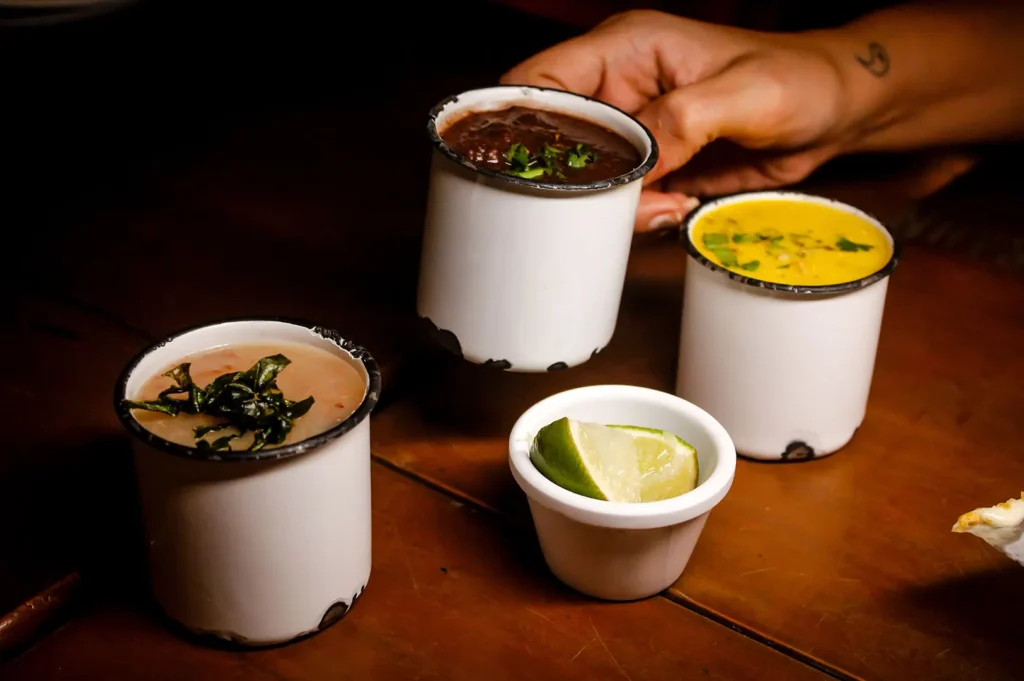
Sauces are easy to over-style because colour looks good on camera.
Three dips lined up neatly can be useful if customers receive all three. If they must choose only one, the image can accidentally promise more than the order includes.
We label these situations during the shoot: all included, choose one, or optional add-on.
It sounds like admin, but it protects the final images from becoming confusing later.
For larger menus, our guide to building a consistent menu photo set explains why clear framing and repeatable visual rules matter across different item types.
Build the Extras Into the Shoot
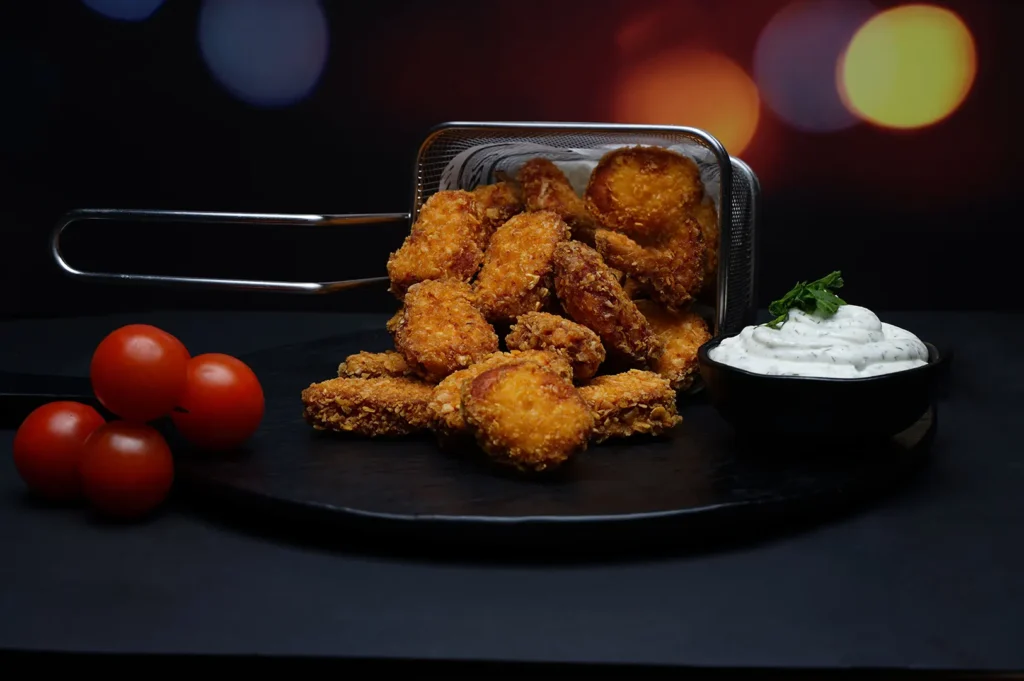
Sides photograph faster when the setup already exists.
If we have just finished a burger, that may be the best moment to capture the fries, onion rings and dips from the same menu category. The background, light and crockery are already aligned.
This is where professional restaurant food photography should help the business work smarter, not simply produce prettier files.
We want to know which extras need explanation, which ones can share a frame with the main dish and which ones do not need photographing at all.
A strong menu does not need a photograph of everything. It needs photographs where seeing the item makes ordering easier.
The hero dish may bring the customer in, but the small choices around it still shape the final order.