Picture this: it’s 8.30pm, someone is hungry in Bishan, scrolling through delivery apps on their phone. They don’t know your restaurant yet. All they see is a grid of tiny thumbnails and a few star ratings. In those three seconds of scrolling, your dishes either stand out or vanish. That’s where professional food photography quietly decides whether your food gets chosen or ignored.
For Singapore restaurants, cafés, and F&B brands, food images are now part of everyday operations just like service standards and kitchen hygiene. The good news? You don’t need a full studio in the back-of-house to benefit. With the right mindset and some realistic photography tips for food, you can plan shoots that respect your kitchen workflow, keep your brand consistent, and generate food photos that actually help you sell.
This article takes a different angle from basic “how to shoot” guides. Instead of only focusing on camera settings, we’ll explore how to plan, organise, and use a food shoot strategically. You’ll learn how to brief food photographers, structure a session around your menu, apply practical photography tips for food at an operational level, and turn a few hours of shooting into months of usable content for menu photography, social media content, and restaurant marketing.
What Makes Professional Food Photography Different From Everyday Food Photography?
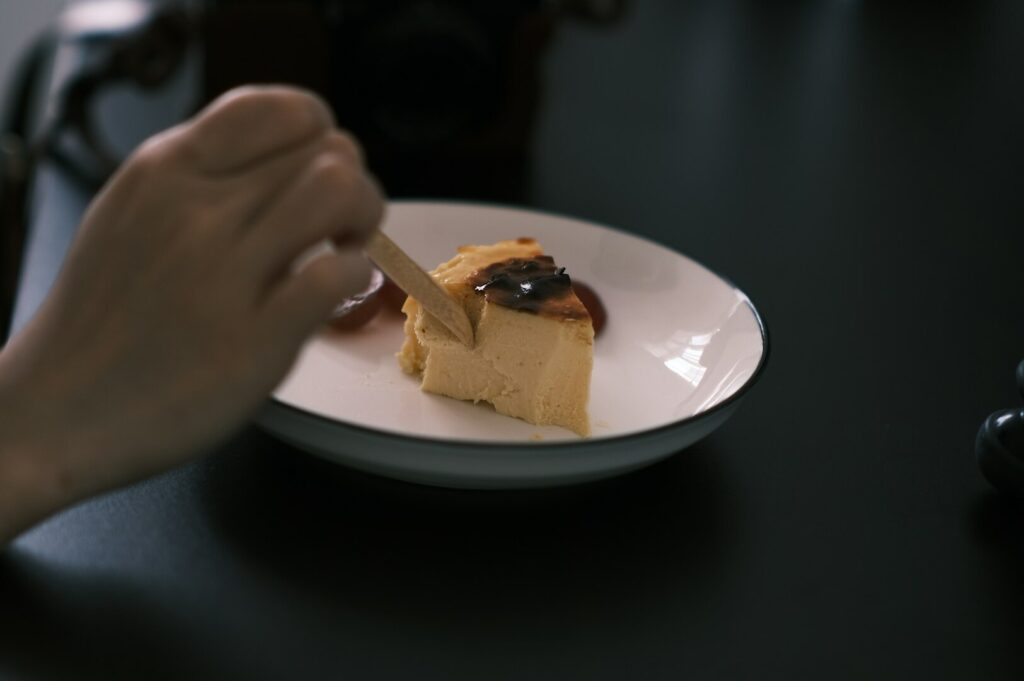
Plenty of Singapore restaurants already shoot food: a quick photo for a new special, a post on social media, or one shot for a platform update. But casual pictures rarely build a strong brand.
Professional food photography is different because it:
Starts with a clear idea of what each image needs to achieve for your business.
Treats every frame as one frame in a bigger story, using composition, negative space, and consistent background choices.
Focuses on quality and consistency so your food images look like they belong to the same brand.
You’re not just trying to shoot food that looks pretty. You’re creating mouth watering food images that communicate value, portion, and personality at a glance. That’s why working with experienced professional food photographers is often a better idea than leaving it entirely to chance.
Step 1: Define the Story Behind Your Menu
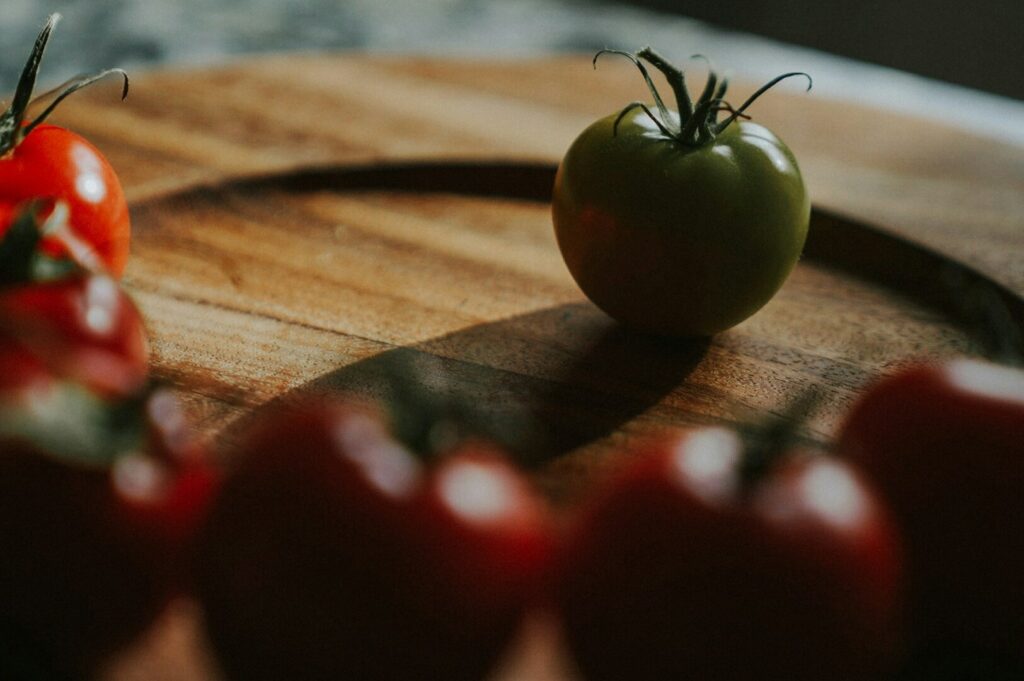
Before you schedule a food shoot, clarify the story you want your photos to tell. This shapes every decision that follows.
Ask yourself:
Who are you really talking to?
Office crowds in the CBD looking for fast, polished lunches? Families in Tampines? Tourists in Orchard?What feeling should your photos carry?
Comfort and nostalgia? Calm minimalism? High-energy sharing plates?Which dishes represent that feeling best?
Maybe it’s your signature noodle bowl, your laksa-inspired pasta, or your handcrafted pastry line.
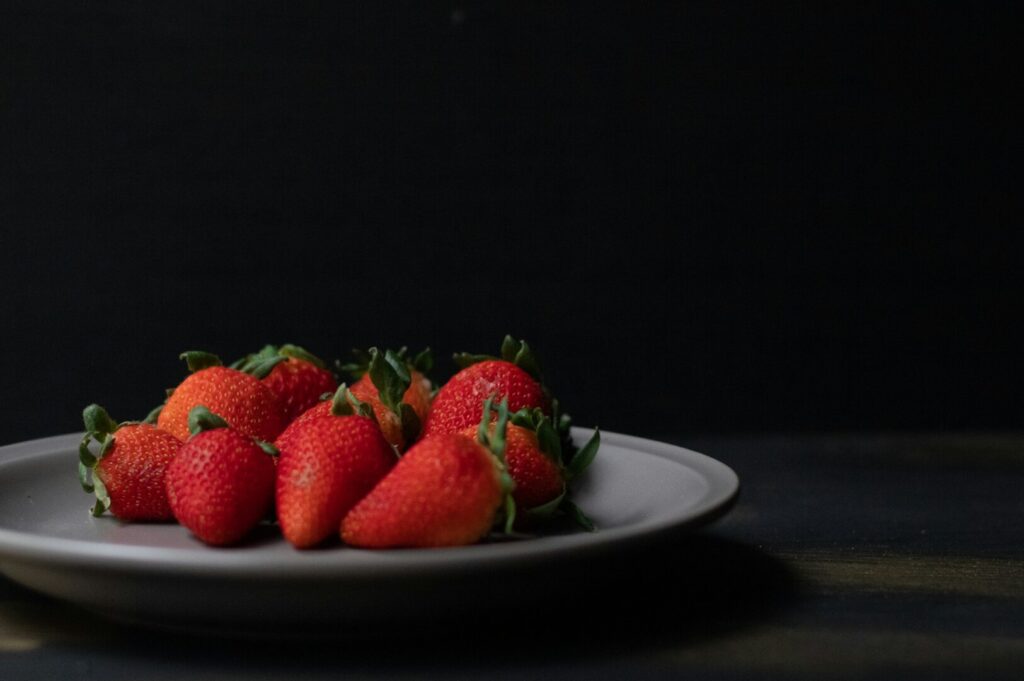
When you answer these questions, you give professional food photographers a clear brief that goes beyond “make it look nice.” They can then suggest camera angle, framing, and food styling choices that match your concept instead of guessing on the spot.
Step 2: Build a Shot List That Works Harder for You
A good shot list turns a food shoot into a structured project rather than a random sequence of plates. It also helps you maximise your time with professional photographers.
Instead of listing only dish names, plan by purpose:
Core menu items – hero shots for your menu and delivery platforms.
Detail shots – close-ups of texture, sauces, and ingredients for social media content and blog posts.
Context shots – wider frames with table settings, drinks, or a human element to show atmosphere.
Under each dish, note:
Whether you want vertical or horizontal orientation (or both).
Any specific moments to capture (a pour, a garnish, a slice).
Whether the image needs to be clean (for menu usage) or busier (for lifestyle posts).
With this structure, professional food photography becomes an organised investment: each frame has a defined job in your marketing, and your team knows why they’re preparing each dish for the camera.
Step 3: Organise Your Team for a Smooth Food Shoot
Even the best food photography tips won’t help if your shoot is chaotic. A smooth session respects your kitchen workflow and keeps everyone aligned.
Here are roles to consider assigning:
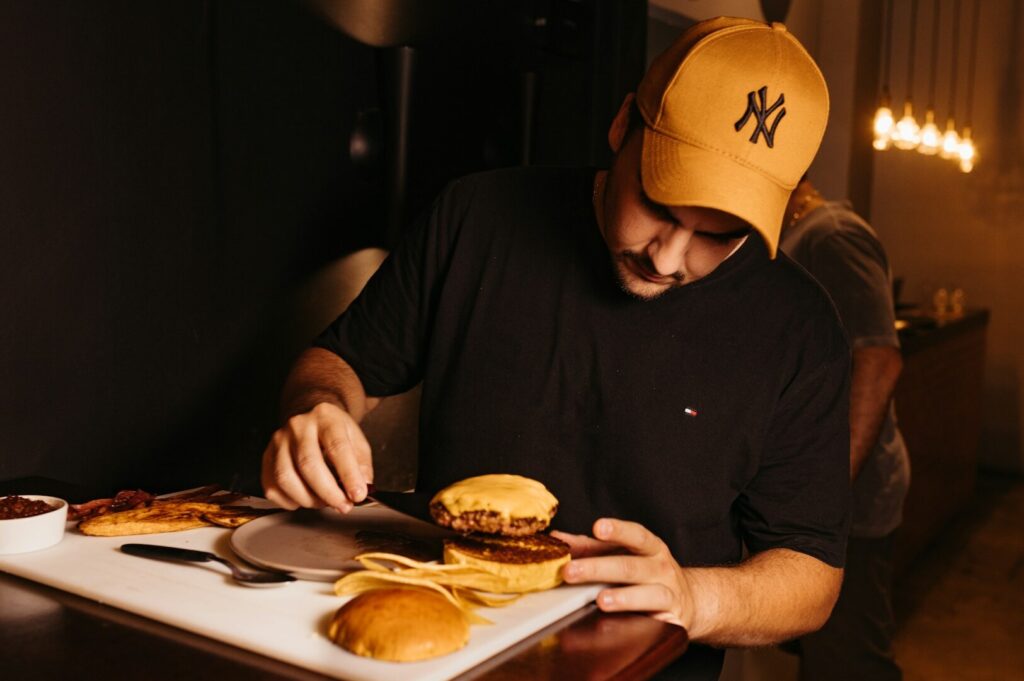
Kitchen lead – decides how each dish is plated and ensures portions match what guests will receive.
Marketing / brand lead – checks that photos match your brand mood, colours, and current campaigns.
Runner / coordinator – manages the flow of dishes from kitchen to set, and back again when needed.
On the day itself:
Schedule the shoot at a quieter service period.
Group similar dishes (e.g., hot mains, then cold desserts) so your team can work efficiently.
Keep backup ingredients ready so you don’t have to halt everything if a plate needs to be re-done.
From the photographer’s side, this level of organisation allows them to focus on light, composition, and timing, rather than waiting while everyone decides what to cook next.
Step 4: Turn Photography Tips for Food Into a Reusable Style Guide
You don’t need to understand every technical detail, but it helps to agree on a few “house rules” for your imagery. This becomes your internal visual style guide for food photography.
Discuss with your photographer:
Light direction and quality
Will you mainly use window light from one side, or controlled artificial light? Do you prefer soft, natural-looking scenes or more dramatic contrast?Angles and framing
Will your brand lean toward overhead, straight-on, or 45° angles? Will you keep backgrounds neutral or introduce more texture?Depth of field and focus
Do you like a shallow depth of field, where only the subject is crisp, or more depth so side dishes remain recognisable?
Once you’ve decided, write these choices down with examples. This helps your team keep future in-house shoots aligned with earlier work, and it makes it much easier for any new food photographers you work with to match your established look.
Step 5: Use Food Photos Across the Whole Customer Journey
A lot of F&B businesses invest in professional food photography, upload a handful of images to delivery apps, and stop there. That’s a missed opportunity.
Think about how your food images can support the entire customer journey:
Discovery – hero images in ads, social posts, and PR features.
Decision – clear, appetising pictures on delivery platforms and reservation sites so guests know what they’re choosing.
On-site experience – printed menus, QR code menus, digital displays, and tent cards that use the same visual language.
Retention – email newsletters, loyalty app banners, and seasonal announcements that reuse your strongest visuals.
With this approach, a single day of professional food photography shoot doesn’t just refresh your website; it reinforces your brand at every interaction point, online and offline.
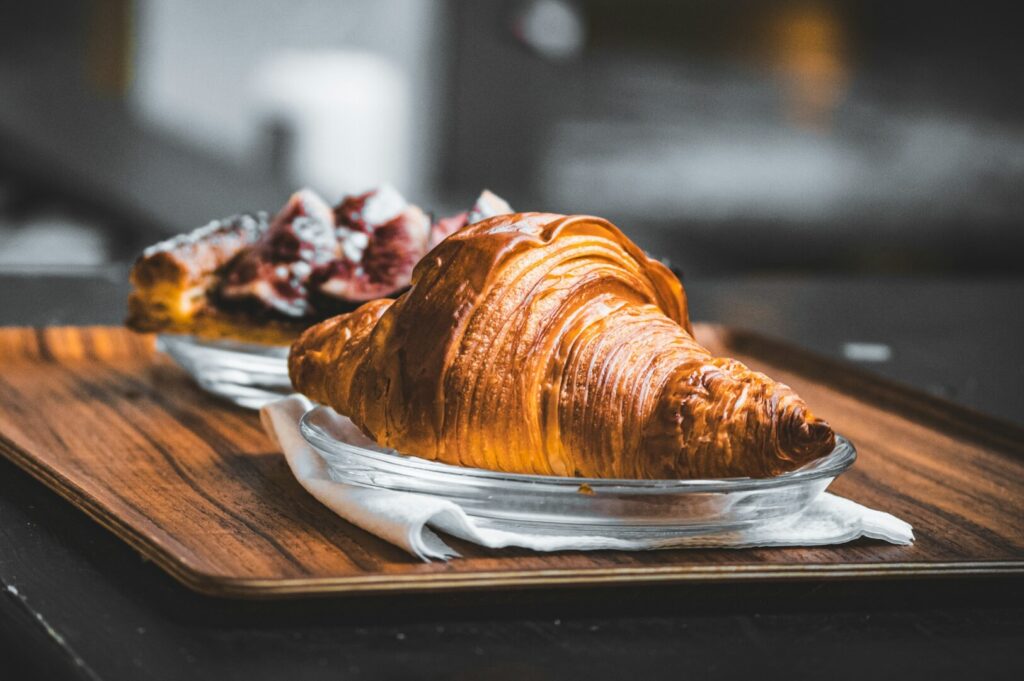
Step 6: Working With Equipment You Already Have
Even when you hire professionals for your main content, your team will still shoot food daily; for specials, staff meals, or behind-the-scenes stories. You can improve these pictures without turning your service into a film set.
A few operational-level ideas:
Pick one reliable location in your venue that consistently has decent light and a tidy background. Use it as your “photo corner.”
When using an iPhone camera or similar, tap to set focus on the main subject and slide to slightly adjust brightness before you shoot.
Avoid mixing strong overhead lights with daylight if you can; one dominant source is easier to work with and looks more natural.
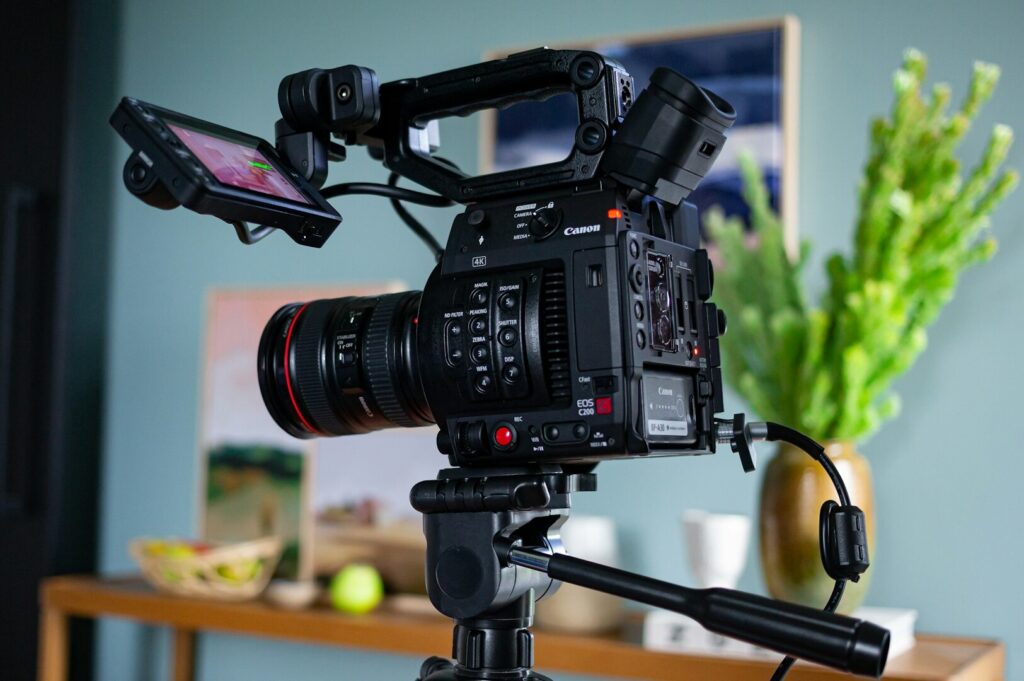
If you have a basic camera, plan to use it at the same spot each time so you’re not guessing your settings from scratch.
These small practices help your everyday pictures sit comfortably next to your professionally shot material, instead of feeling like they came from a completely different brand.
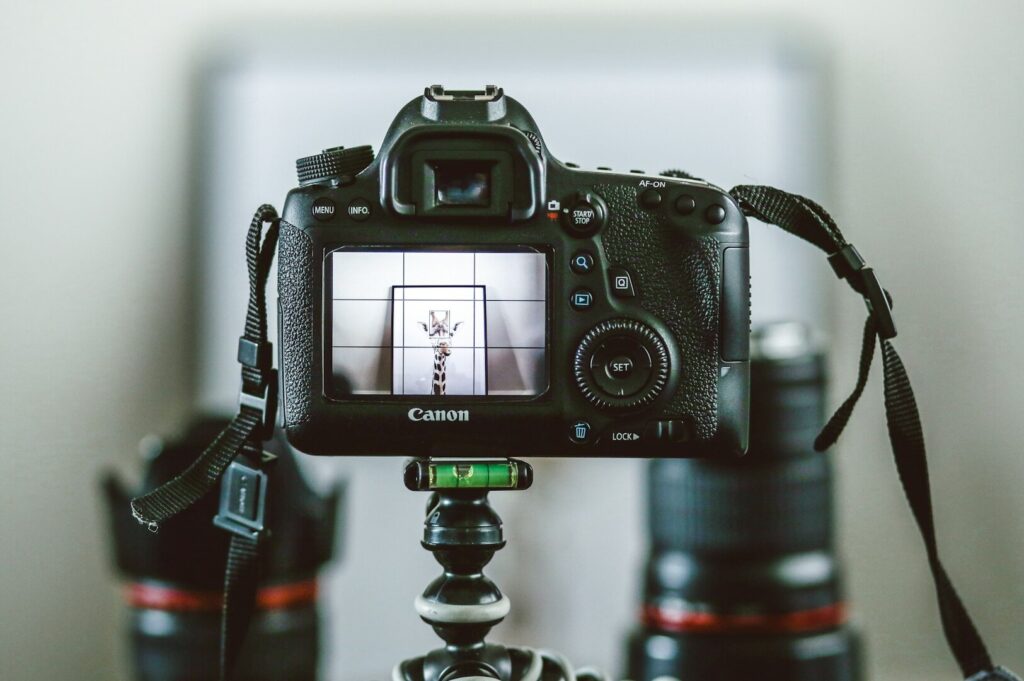
Practical Checklist: 7 Ways to Get More Value From Every Shoot
Here are realistic food photography tips you can fold into your daily operations, even on days you’re not working with a full crew of professional food photographers:
Create a dedicated photo corner
Choose one spot with reliable window light or a controlled lamp. Keep the background and surfaces tidy so you can quickly drop a plate there and shoot.Work from simple to complex
Start with a clean, hero shot of each dish, then layer in drinks, cutlery, or the human element. This ensures you always get a safe shot before experimenting.Shoot from different angles, not just the same angle
For every dish, recommend shooting at least three different angles: overhead, 45°, and close-up. You may discover an unexpected perfect shot this way.Use basic exposure controls
Whether on phone or camera, check that the scene has enough light and adjust brightness. If you’re using a dedicated camera, learn to adjust shutter speed and ISO without fear.Look out for shiny surfaces and reflections
Slightly tilt glasses, sauceboats or plates to avoid bright glare. Sometimes moving a light or rotating the setup a few centimetres is all it takes.Take a bunch of frames, then refine
Don’t rely on one shot. Capture a small sequence, then review and refine. This gives you options when doing editing later.Keep edits light and consistent
After shooting, use simple software to do minor adjustments (exposure, contrast and colour) so everything looks natural and aligned with your brand.
These tricks help you shoot food with more confidence, whether you’re using a compact camera, an iphone camera, or a more advanced body and lens setup.
Conclusion: Make Professional Food Photography Part of Everyday Operations
For Singapore’s F&B businesses, professional food photography is no longer a once-a-year exercise tied only to a website launch. When you treat it as part of your ongoing operations (planned, integrated, and reused across channels) it becomes a quiet engine that supports sales, strengthens brand recognition, and makes every dish easier to understand and desire.
By defining a clear story for your menu, building a thoughtful shot list, collaborating smoothly with food photographers, and applying practical photography tips for food across your team, you turn images into working assets rather than one-off expenses. Over time, your visual presence begins to reflect the same care you already put into your food, service, and guest experience.
If you’re looking to elevate your F&B business’s visual presence, consider working with experienced food photography professionals who understand Singapore’s culinary landscape. Visit Food Photographer Studio to see how expert food photography can transform your menu and marketing materials, and to explore a professional workflow tailored to your kitchen, your timelines, and your brand.