If you have ever tried to “upgrade” your food photos, you have probably started in the same place most Singapore F&B teams start: you buy a few plates, a couple of napkins, maybe a marble vinyl backdrop, then you realise none of it matches, half of it reflects light badly, and your store room now has a box of props you never touch again.
A cool photoshoot kit is not about owning more things. It is about owning the right things, and knowing why each piece earns its place. The goal is simple: give yourself a small, repeatable setup that makes your food look like your food, only cleaner, clearer, and more intentional.
If you want the bigger framework for planning a cool photoshoot from concept to execution, you can read our cool photoshoot guide.
Start With The Job Your Props Must Do
Props and backdrops have three jobs in food photography. If an item does not do at least one of these, it is clutter.
Control attention
They keep the food as the main subject by reducing distractions.
Support the brand mood
Rustic, modern, hawker-heritage, clean café, premium tasting menu. Your surfaces quietly tell people what to expect.
Solve lighting problems
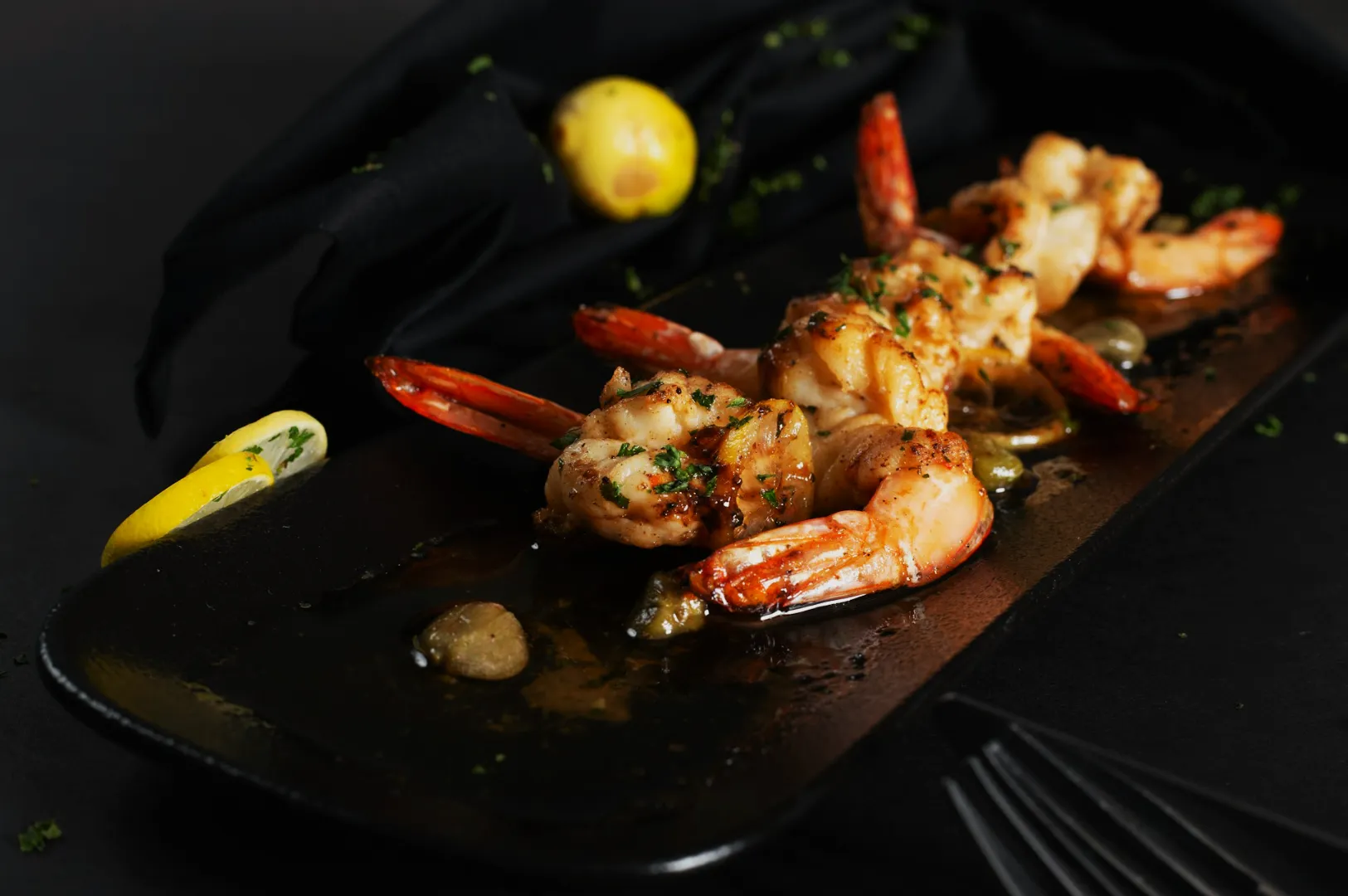
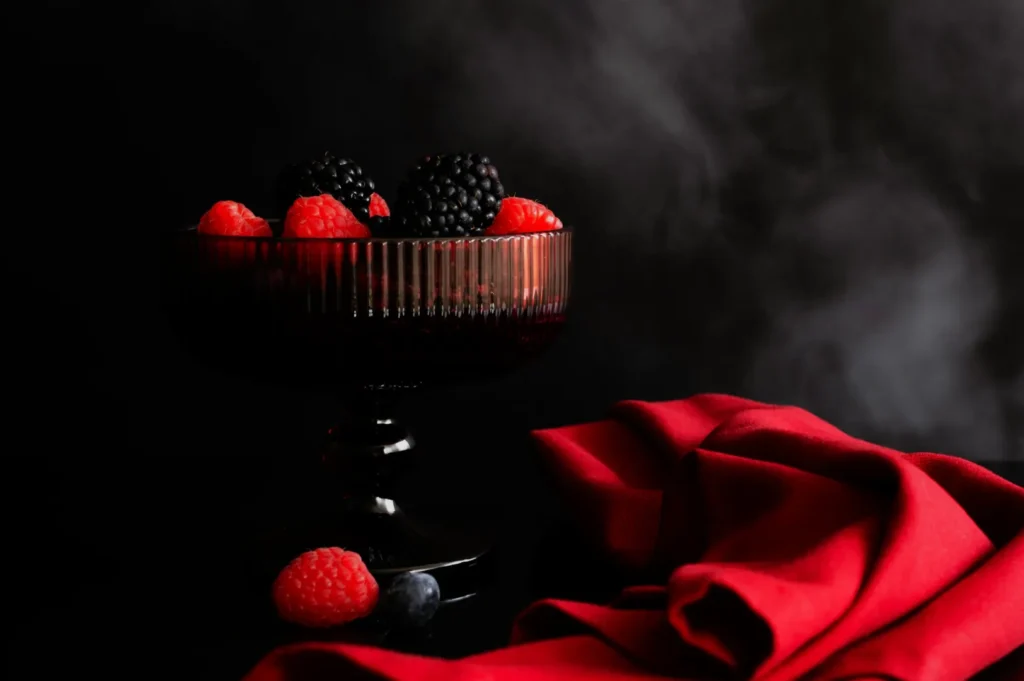
Matte surfaces reduce glare. Dark backdrops help steam show. Neutral tones keep colours honest.
This is why prop buying should start with your menu and your brand, not with what looks trendy on Pinterest.
The Singapore Reality: Humidity, Glare, And Tight Space
Singapore shoots come with a few predictable challenges:
- Humidity makes food die faster: herbs wilt, fried items soften, ice melts, condensation goes patchy.
- Many restaurants have mixed lighting: warm downlights plus daylight from windows equals messy colour casts.
- Space is limited: most teams shoot on one table, in one corner, during a quiet hour.
Your kit should be portable, wipeable, and quick to reset. If it needs a big setup every time, it will not get used.
The Core Kit: 7 Categories To Build A Repeatable Setup
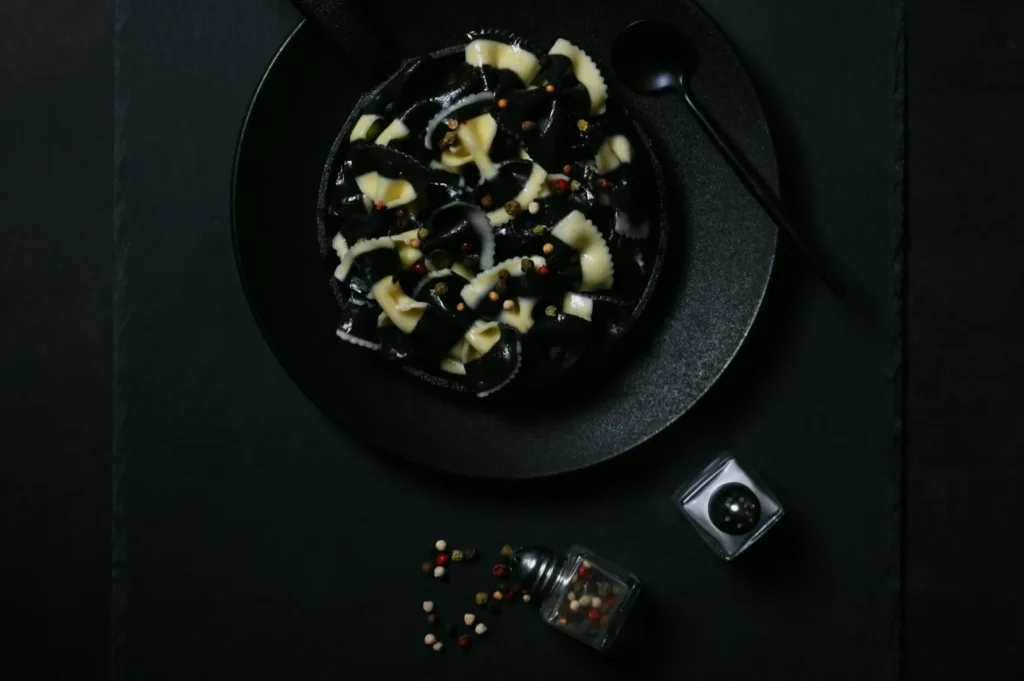
This is the kit we recommend to most restaurants because it works across cuisines, concepts, and platforms.
1) Two “hero” surfaces
- One light neutral: warm grey, off-white, light cement, pale wood.
- One dark neutral: charcoal, dark wood, deep slate.
These two surfaces alone let you shoot 80% of dishes without the “everything looks the same” problem.
Tip: Choose matte finishes. Glossy vinyl and shiny laminates are glare magnets.
2) Two background boards
You want one board that can stand upright behind the dish, not just lie flat.
- A neutral vertical “wall” background
- A darker wall background for moodier sets
This matters when you shoot 45-degree or eye-level angles. Without a wall board, your background becomes the dining room chaos behind you.
3) Plates that behave on camera
You do not need a full crockery collection. You need plates that photograph well.
- Two matte plates: one light, one dark
- One bowl: wide rim, not too deep (deep bowls hide ingredients)
- One small plate: for desserts, sides, add-ons
Matte plates reduce harsh reflections and keep focus on the food. Shiny plates make editing harder and often look cheaper on camera.
4) Cutlery that does not steal attention
Pick one cutlery style and stick to it. The goal is consistency.
- One fork
- One spoon
- Optional: one pair of chopsticks if it fits your cuisine
Avoid highly polished cutlery if you do not have controlled lighting. It reflects everything, including your phone and your face.
5) Two linens, not ten
Linens are powerful because they add texture without shouting.
- One neutral linen (oat, grey, off-white)
- One accent linen (muted colour that fits your brand)
Keep them matte and slightly textured. Avoid shiny fabrics that look synthetic.
6) Two glass pieces
- One water glass or simple tumbler
- One café-style cup or kopitiam cup that fits your concept
Glass adds life to a frame, but too many glasses create reflections. Keep it simple.
7) One “texture” prop
This is your quiet supporting actor.
- Wooden board
- Rattan tray
- Small ceramic tile slab
Use sparingly. Texture is meant to lift the scene, not compete.
Building Backdrops Without Overbuying
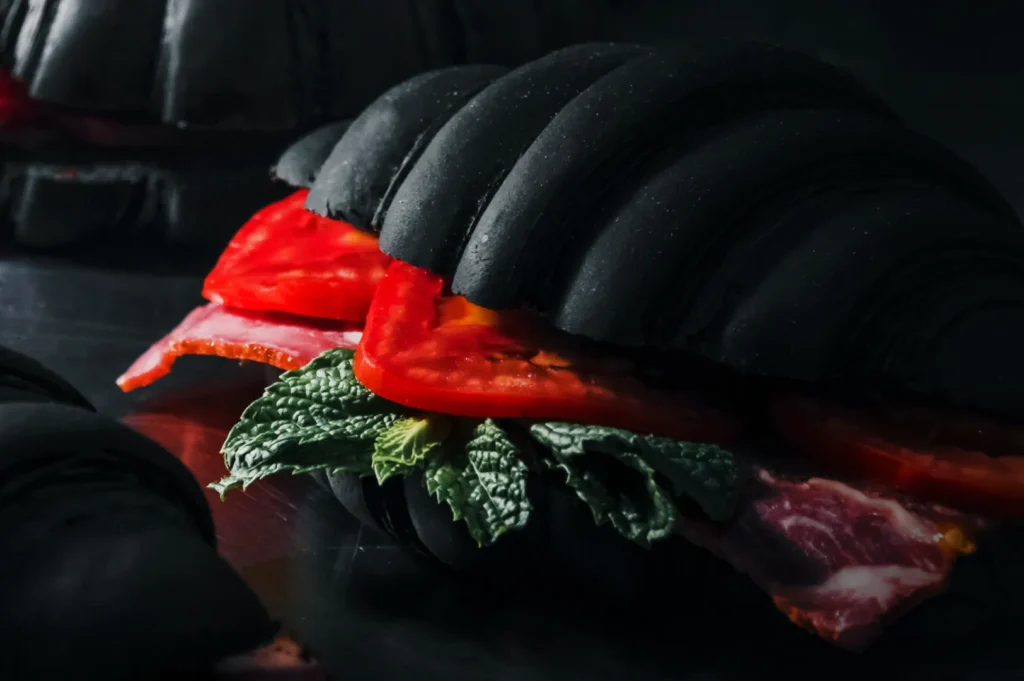
Backdrops are where people overspend because the options feel endless. The truth is you only need a few surfaces that you can reuse across many dishes.
Good backdrop materials that work in Singapore
- Painted MDF board (matte wall paint)
- Vinyl backdrop (only if matte and non-reflective)
- Large-format textured paper (for quick seasonal changes)
- Real wood boards (for warmth and heritage)
DIY backdrops that look expensive
If you want the “cool photoshoot” look without blowing budget:
- Buy two MDF boards.
- Paint one warm grey and one charcoal in matte paint.
- Lightly sand for a soft, worn texture.
This gives you controlled, consistent backgrounds that look professional and are easy to wipe.
Where To Source Props In Singapore Without Getting Carried Away
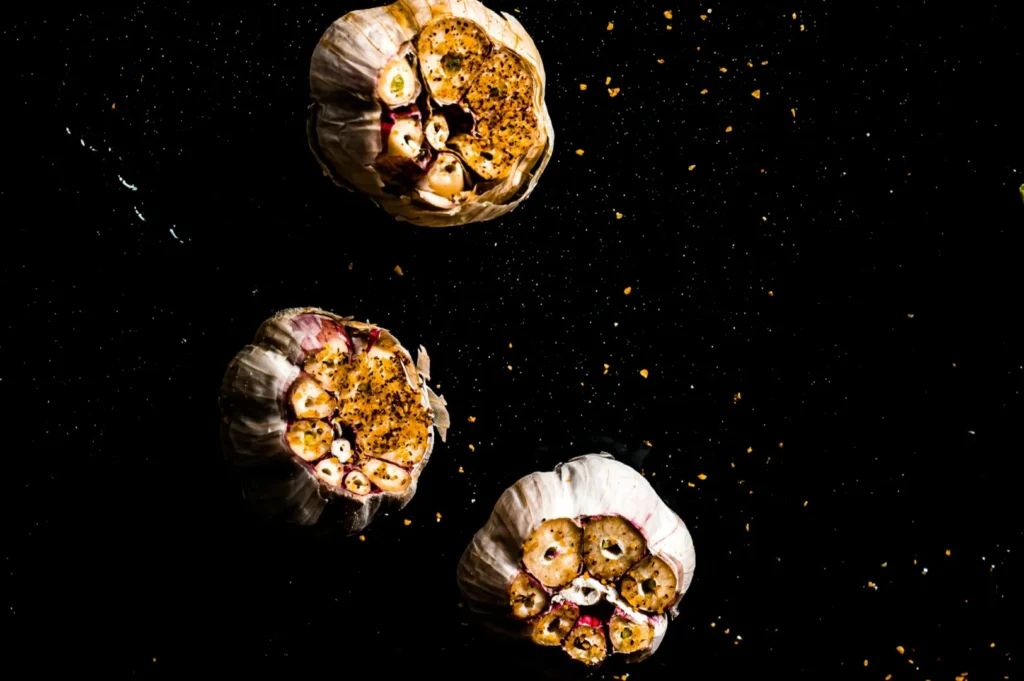
You do not need overseas prop stores. Singapore has plenty, you just need a plan.
Good places to start
- Daiso: basic plates, small trays, glassware, simple textiles.
- IKEA (Alexandra or Tampines): boards, linens, neutral ceramics, cutlery.
- Chinatown kitchenware shops: bowls, spoons, chopsticks, kopitiam-style details.
- Arab Street / textile shops: linen remnants, muted fabrics, napkins.
- Carousell: secondhand ceramics, vintage pieces, unique boards.
The rule when shopping
Buy for reusability, not novelty. If you cannot imagine using the item across at least five different dishes, do not buy it.
How To Match Props To Food Without Breaking Authenticity
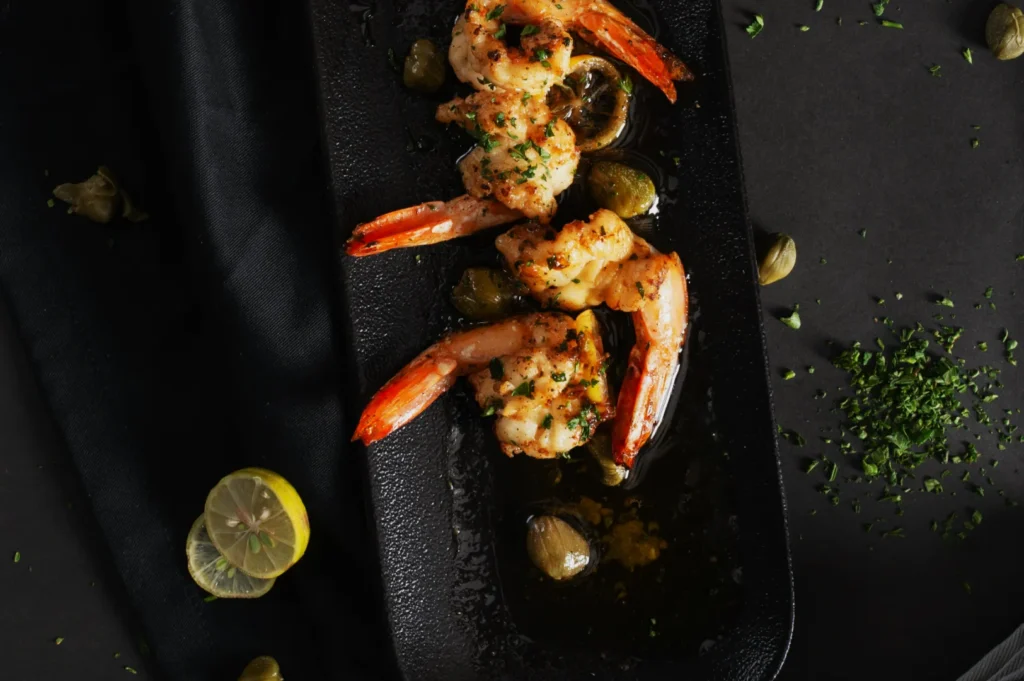
A cool photoshoot still needs to feel believable. Singapore diners are visually literate. They notice when the styling is disconnected from the dish.
Local and hawker-style dishes
- Wooden boards, enamel textures, neutral bowls, kopitiam cues
- Keep it warm and honest, not over-designed
Café and brunch
- Light surfaces, clean ceramics, linen texture
- Keep props minimal, let ingredients look fresh
Premium or fine dining
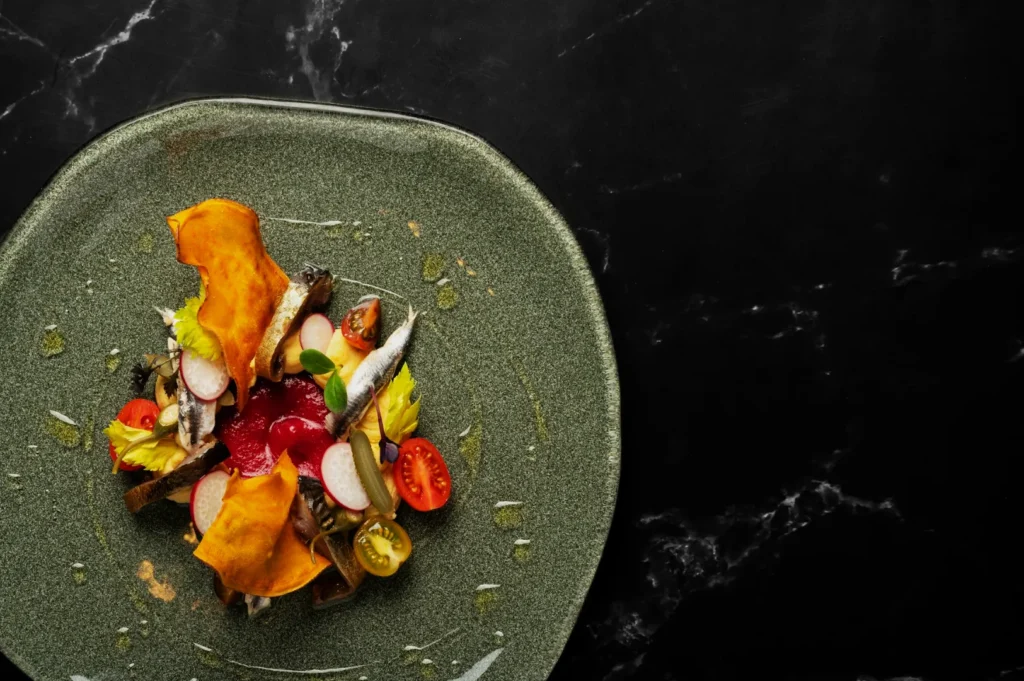
- Darker surfaces, controlled negative space, fewer props
- Precision over abundance
You do not need theme props for every cuisine. You need cues that feel culturally appropriate.
A Cool Kit Should Make Shooting Easier, Not Harder
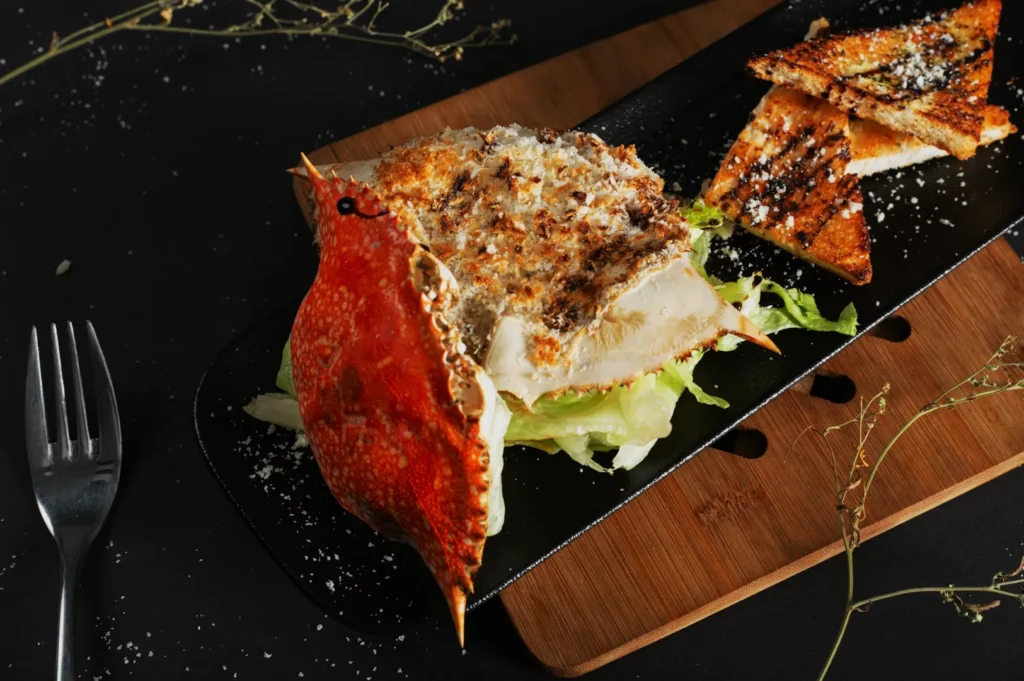
The most useful props and backdrops are the ones you reach for without thinking. They do not compete with your food. They support it, quietly. When your kit is tight, your photos become faster to shoot, easier to edit, and more consistent across menus and platforms.
If you want, treat your next shoot like a test: pick two surfaces, one plate set, one linen, one piece of cutlery. Shoot five dishes. If the set feels cohesive, you are already building a cool photoshoot style that customers recognise.
And if you are aiming for a larger refresh, full menu coverage, or campaign visuals that need to look consistent across dozens of dishes, that is where a professional team saves time and protects quality. At Food Photographer Studio, we build these sets with real Singapore kitchens in mind, so your food stays the hero and your brand stays unmistakable.