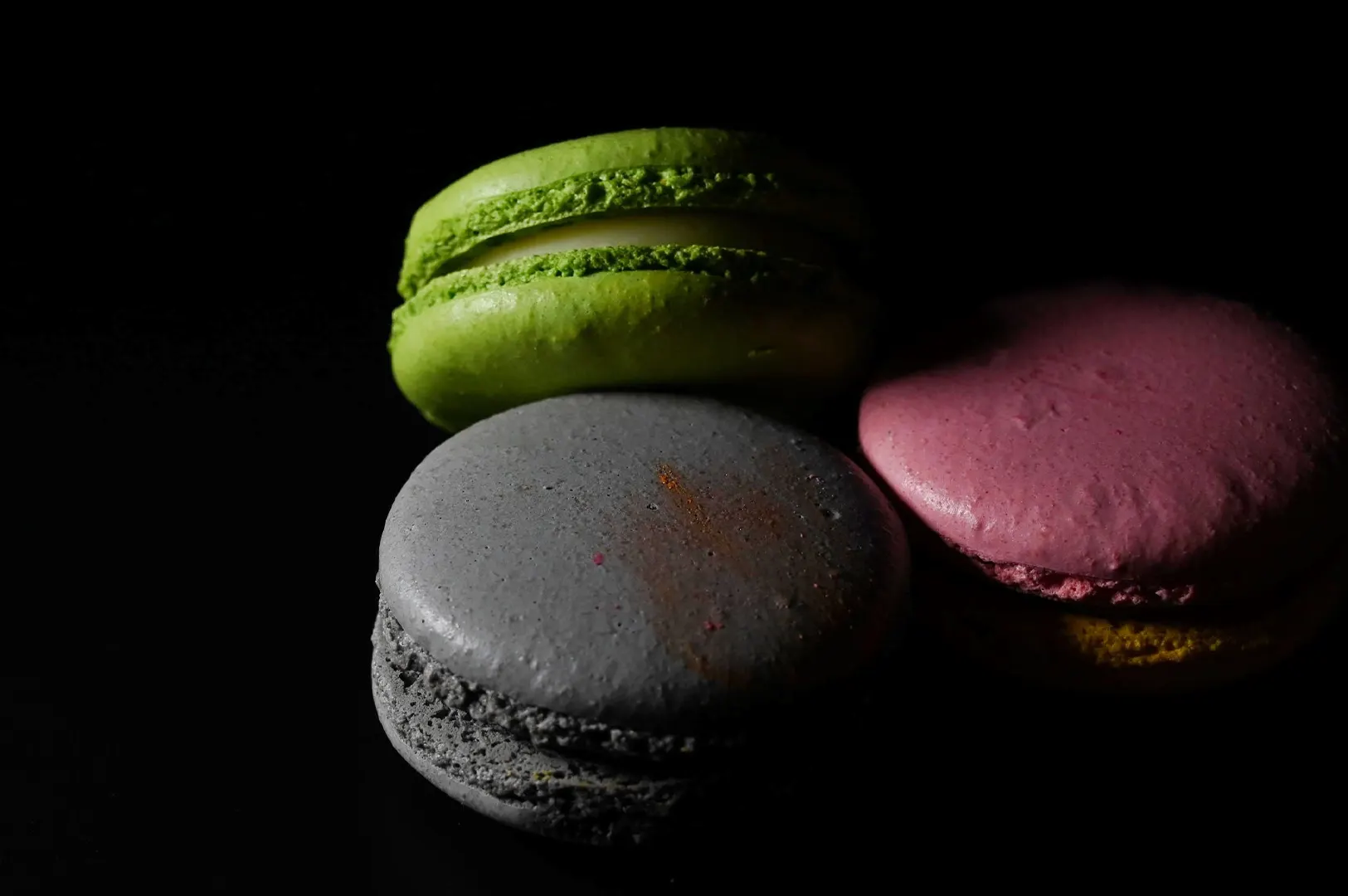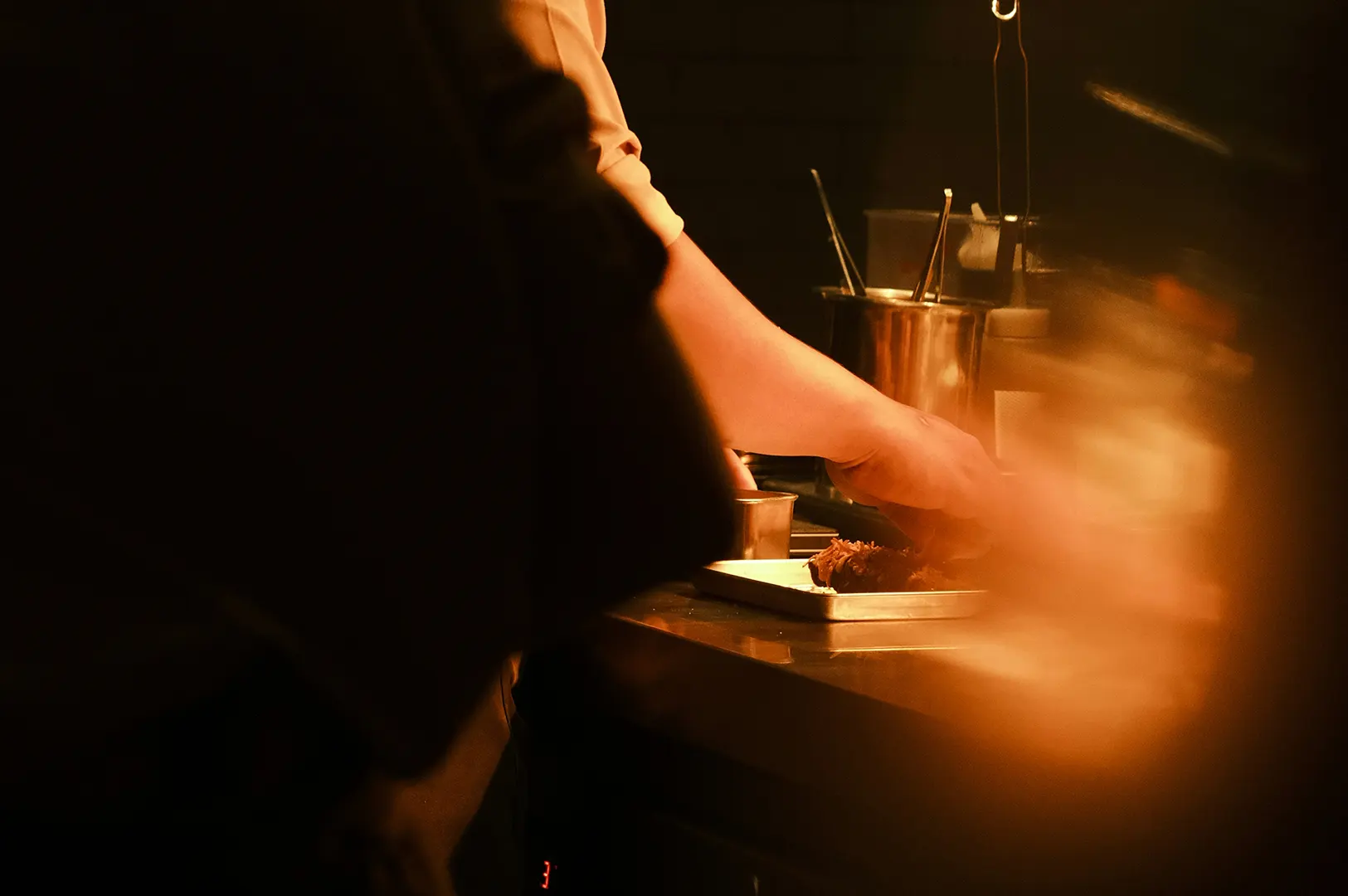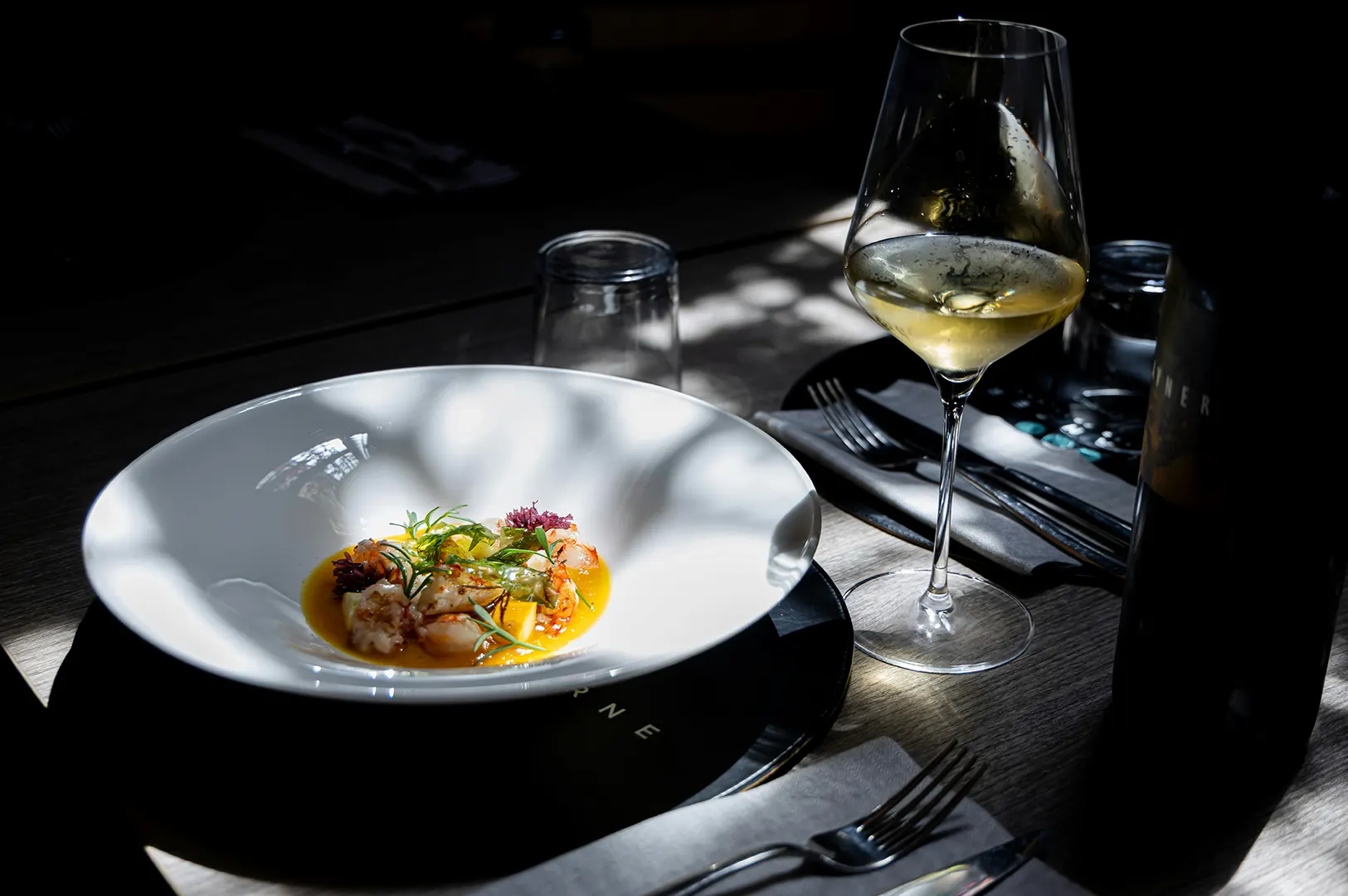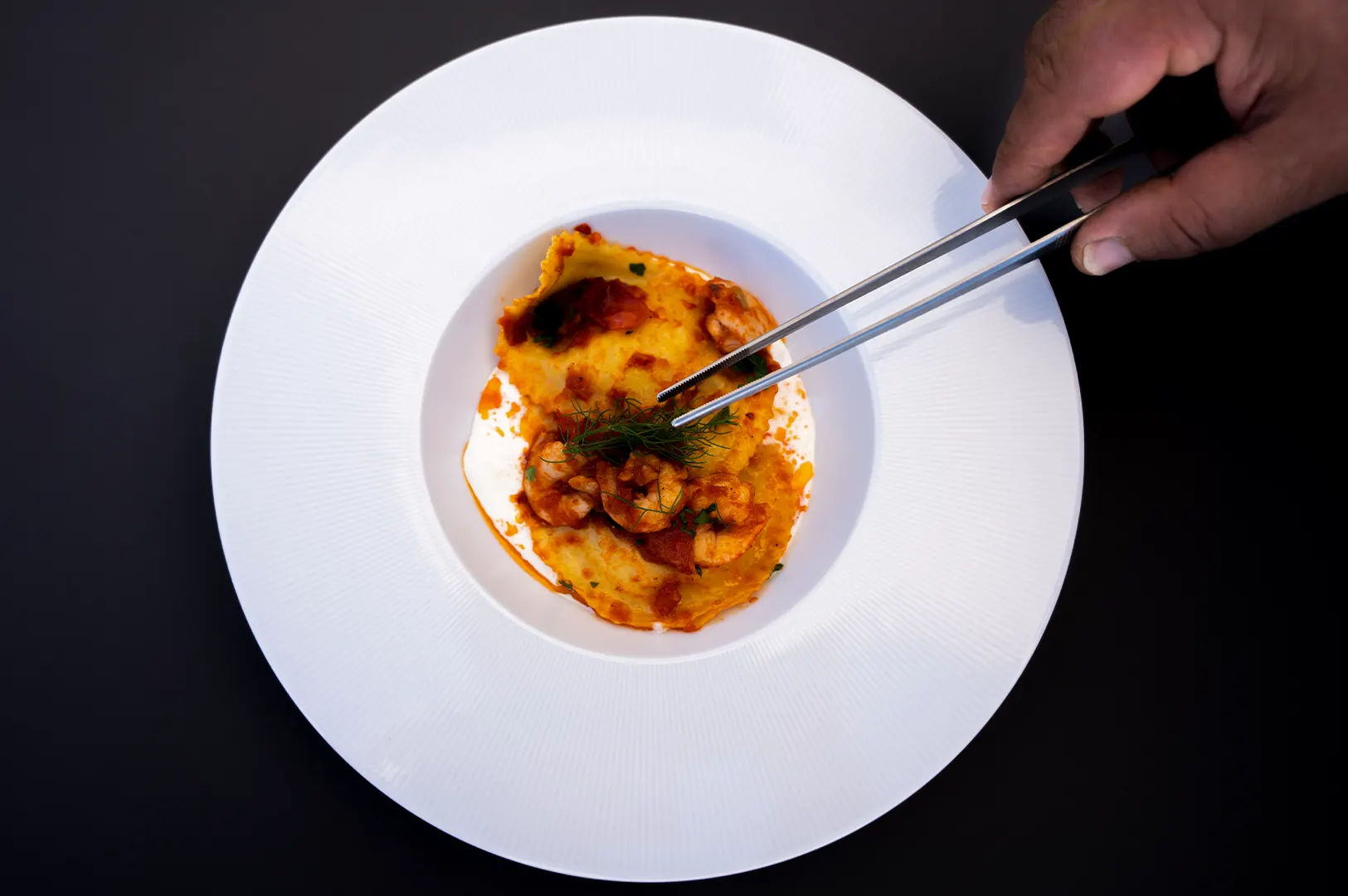
We have photographed dishes that looked perfect on the back of the camera, then behaved very differently once they left the studio setup.
A wide table scene sat beautifully across a website banner but became unreadable inside a small delivery thumbnail. A close-up of grilled prawns caught every glossy edge on Instagram, yet left no room for a dish name or price when the restaurant tried to place it on a printed menu.
Then there is the rights question.
The restaurant may have permission to use the photograph online, but does that include paid advertisements? Can the same file be sent to a printer? Can it appear on Instagram, the website, and a mall directory?
One photograph may be licensed for several channels without being equally useful on all of them.
That distinction matters when planning both the shoot and the restaurant’s social media photo usage rights.
Permission And Suitability Are Different Questions
The first question is whether the restaurant is allowed to use the photograph on a particular channel.
The second is whether the image actually works there.
A photography licence may cover the restaurant website, printed menus, organic social media, and Google Business Profile. That gives the restaurant permission to publish the image in those places.
It does not guarantee that one crop will suit every layout.
For example:
- A website banner often needs a wide horizontal photograph
- Instagram posts may favour square or vertical framing
- Stories and reels covers need taller compositions
- A printed menu needs room for text
- A delivery platform needs the dish to remain clear at a small size
- Paid advertisements may require several versions for different placements
The UK Intellectual Property Office’s guidance on digital images, photographs and the internet explains that permission to use an image depends on the licence or terms attached to it. Having access to a photograph online does not automatically create permission for every commercial use.
Website Image Licensing For Restaurants
Restaurant websites tend to use photographs in several ways.
There may be a large homepage image, smaller menu photographs, outlet pages, private dining sections, chef profiles, and booking pages. The same restaurant may also send images to a web developer, an external agency, or a reservation provider.
Website image licensing for restaurants should therefore answer more than, “Can we put this online?”
It should clarify:
- Whether the official website is covered
- Whether several restaurant websites are included
- Whether external developers may receive the files
- Whether images can be resized or compressed
- Whether the licence covers future outlet pages
- Whether the images may appear in online advertisements
Google recommends using high-quality images near relevant text, supported formats, descriptive filenames, and responsive versions as part of its official image SEO best practices.
This is where technical delivery matters.
A large print-ready file may be far heavier than the website needs. Uploading it directly can slow the page. A web-ready export keeps enough detail for the screen without forcing customers to wait while a large image loads on mobile.
The restaurant should receive the right file for the channel, not simply the largest file available.
Instagram Needs More Than A Last-Minute Crop
Instagram is usually one of the first platforms mentioned in a restaurant brief.
But “for Instagram” can mean a feed post, carousel, story, reel cover, paid advertisement, or catalogue image. Each may need a different composition.
During a shoot, we often capture both wide and tight versions when we know the restaurant needs several social formats. A tall frame might leave room above a cocktail for text. A square photograph may place the dish closer to the centre. A wide scene might show enough table atmosphere for a campaign banner.
Trying to create all of these later from one horizontal image can lead to awkward crops.
The plate gets cut off. A hand disappears at the wrist. The garnish that balanced the frame is removed. The final image still contains the food, but it no longer feels carefully composed.
Meta publishes separate requirements for product images used in Facebook and Instagram catalogues through its product image specifications, showing why restaurants should think about intended placements before preparing files.
A flexible photo library is usually planned during the shoot, not rescued during posting.
Printed Menus Ask For Something Different
Print introduces its own practical needs.
A printed menu may require higher resolution, a particular colour profile, bleed space, or a clean area for text. Images that look bright on a phone can print darker than expected. Fine details may disappear on uncoated paper. A subtle cream sauce can shift in tone depending on the printer and paper stock.
We once watched a restaurant team test a menu image that looked warm and balanced on screen. The first printed proof made the brown table, grilled meat, and sauce merge into one dark patch.
Nothing was wrong with the original photograph. It simply needed to be prepared for print.
Restaurant teams should tell the photographer or retoucher when images are intended for:
- Full-page menu features
- Small dish thumbnails
- Table tents
- Posters
- Lightboxes
- Packaging
- Outdoor banners
That information affects framing, resolution, retouching, and delivery.
Paid Advertising May Need Separate Permission
Restaurant owners sometimes assume that social media permission automatically includes paid social advertising.
It may, but it should be confirmed.
Organic posting and paid advertising can be treated differently because paid media gives the image a wider commercial role. The same applies when a photograph moves from the restaurant’s own account into a mall campaign, influencer partnership, or third-party advertisement.
Before publishing, check whether the licence covers:
- Organic social posts
- Boosted posts
- Paid advertisements
- Influencer or creator campaigns
- Retargeting advertisements
- Third-party brand collaborations
For the broader rules around ownership, licensing, channel use, and modifications, read our guide to what restaurants can do with commissioned food photographs.
Plan A Small Image Family, Not One Perfect Shot
A strong hero image is useful, but restaurants usually need more than one shape.
For an important dish, we may plan:
- A clean menu photograph
- A vertical social version
- A wider image with space for text
- A tighter detail shot
- A small-format crop for listings
The food does not need to be restyled from scratch every time. A small shift in the camera, plate, or background can produce several useful assets while the dish is still fresh.
That is especially important for food that changes quickly. Foam settles. Ice melts. Fried surfaces soften. Steam disappears. The best moment to capture several formats is before the dish starts showing how long it has been sitting there.
The goal is not to force one image everywhere. It is to build a small set that works wherever the restaurant needs to speak.
This article provides general information and is not legal advice.