Hiring a menu photographer should feel straightforward. Yet many F&B owners end up in the same situation: you get a quote, you nod, you hope for the best, and you only realise what you forgot to ask after the shoot is done.
A good restaurant photography brief prevents that. It protects your budget, your timeline, and your brand.
If you are still building your baseline understanding, read this guide first.
The Real Goal of a Photography Brief
A brief is not a “nice-to-have document”. It is the only way to ensure the final images match what your menu actually needs.
It answers:
- what you are shooting
- why you are shooting it
- where it will be used
- what “good” looks like for your brand
Without this, you are buying a shoot, not buying outcomes.
Step 1: Define the Use Case Before You Define the Dishes
Start with where the images will live:
- delivery platforms (thumbnail performance)
- QR menu (mobile readability)
- print menu (high resolution, consistent layout)
- website (hero banners and category visuals)
This changes everything. The best delivery photo is not always the best website hero. If you do not specify usage, you often get beautiful images that do not fit your menu format.
Step 2: Build a Practical Shot List
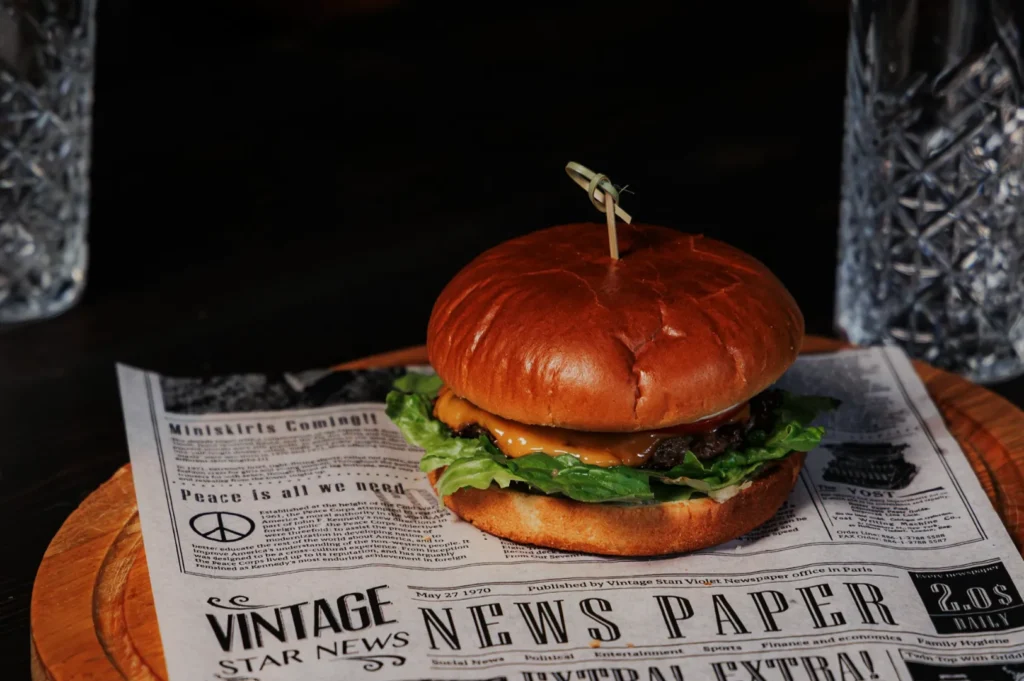
A shot list is not just “30 dishes”.
Write it like this:
- Dish name + category
- Priority level (signature, high-margin, supporting)
- Required angle (overhead, 45-degree, eye-level)
- Notes (must show layers, must show toppings, must show portion)
This reduces on-site decisions and keeps the shoot efficient.
Step 3: Decide What Consistency Means for Your Brand
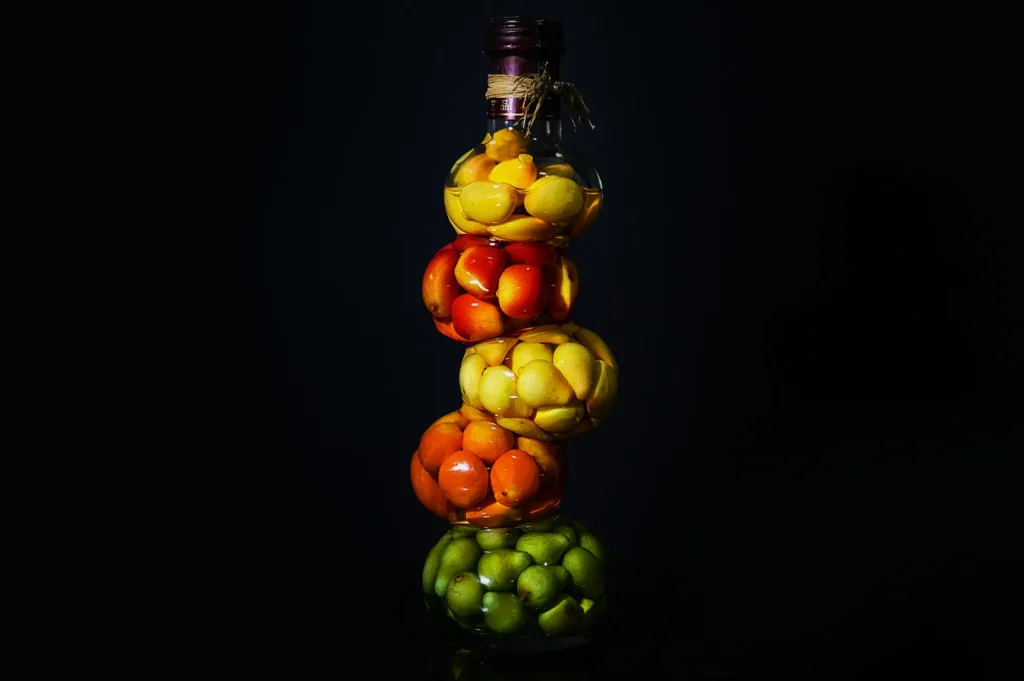
This is the part most people skip.
Your photographer needs clarity on:
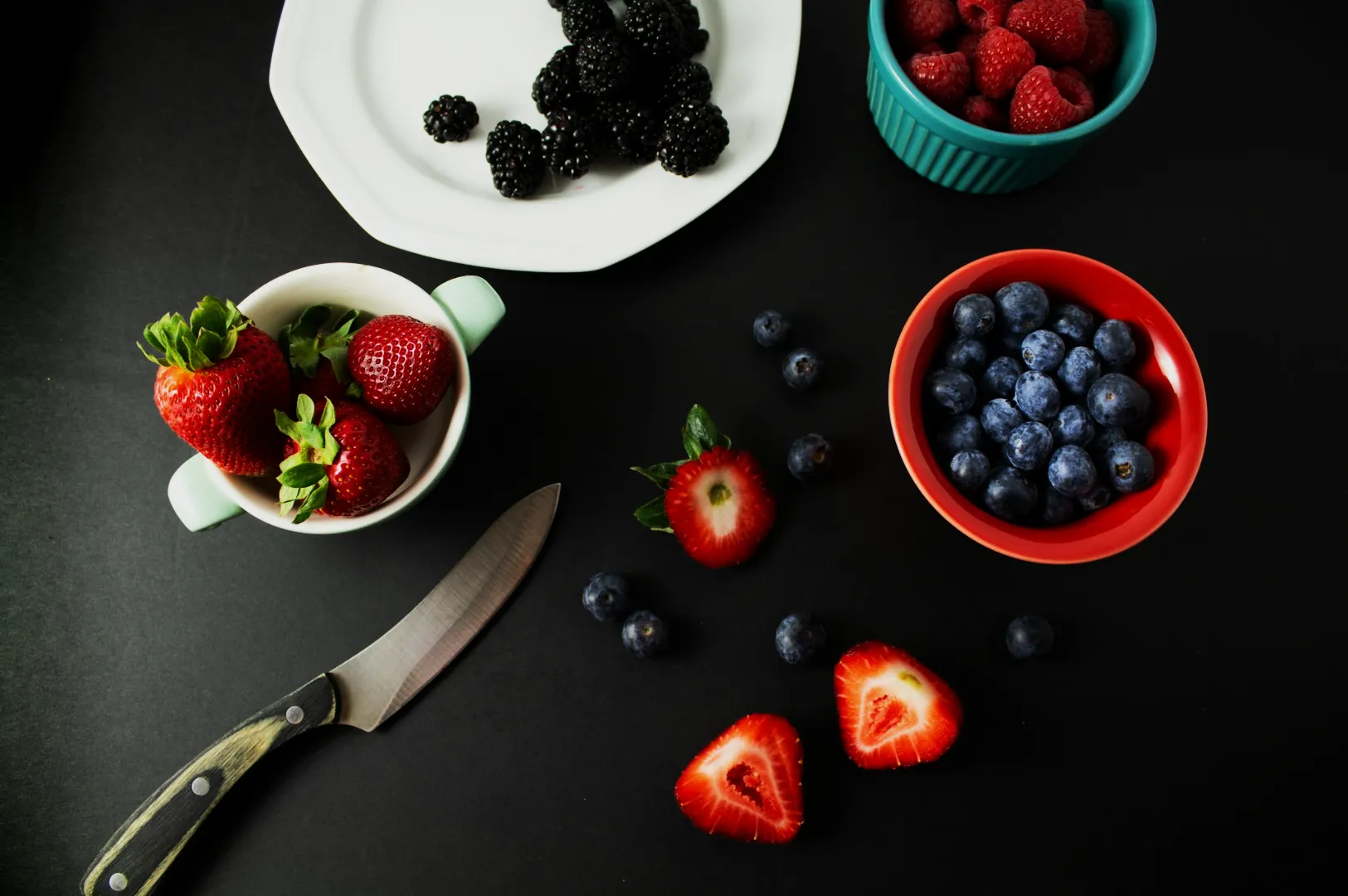
- background surfaces
- plateware approach
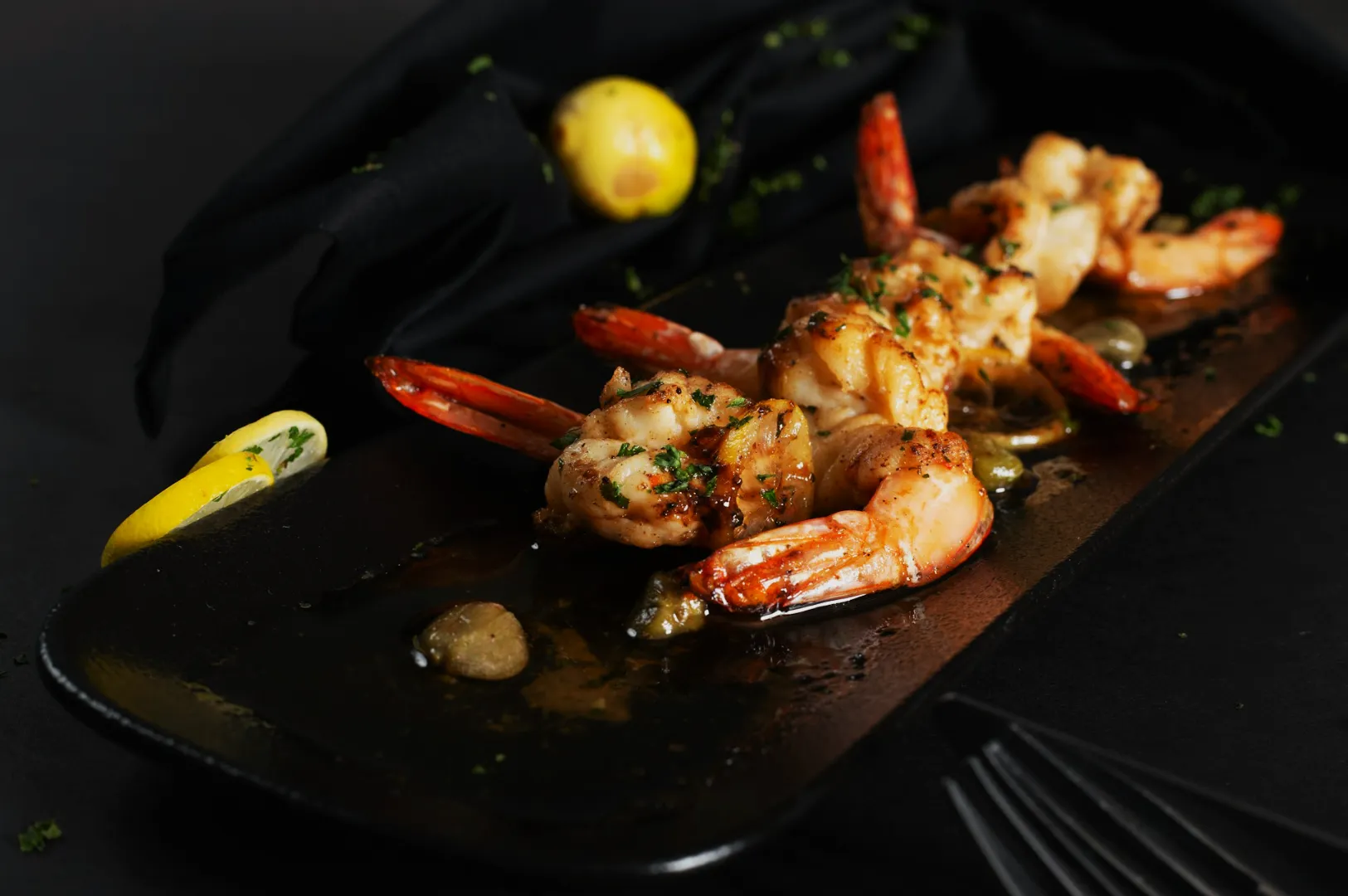
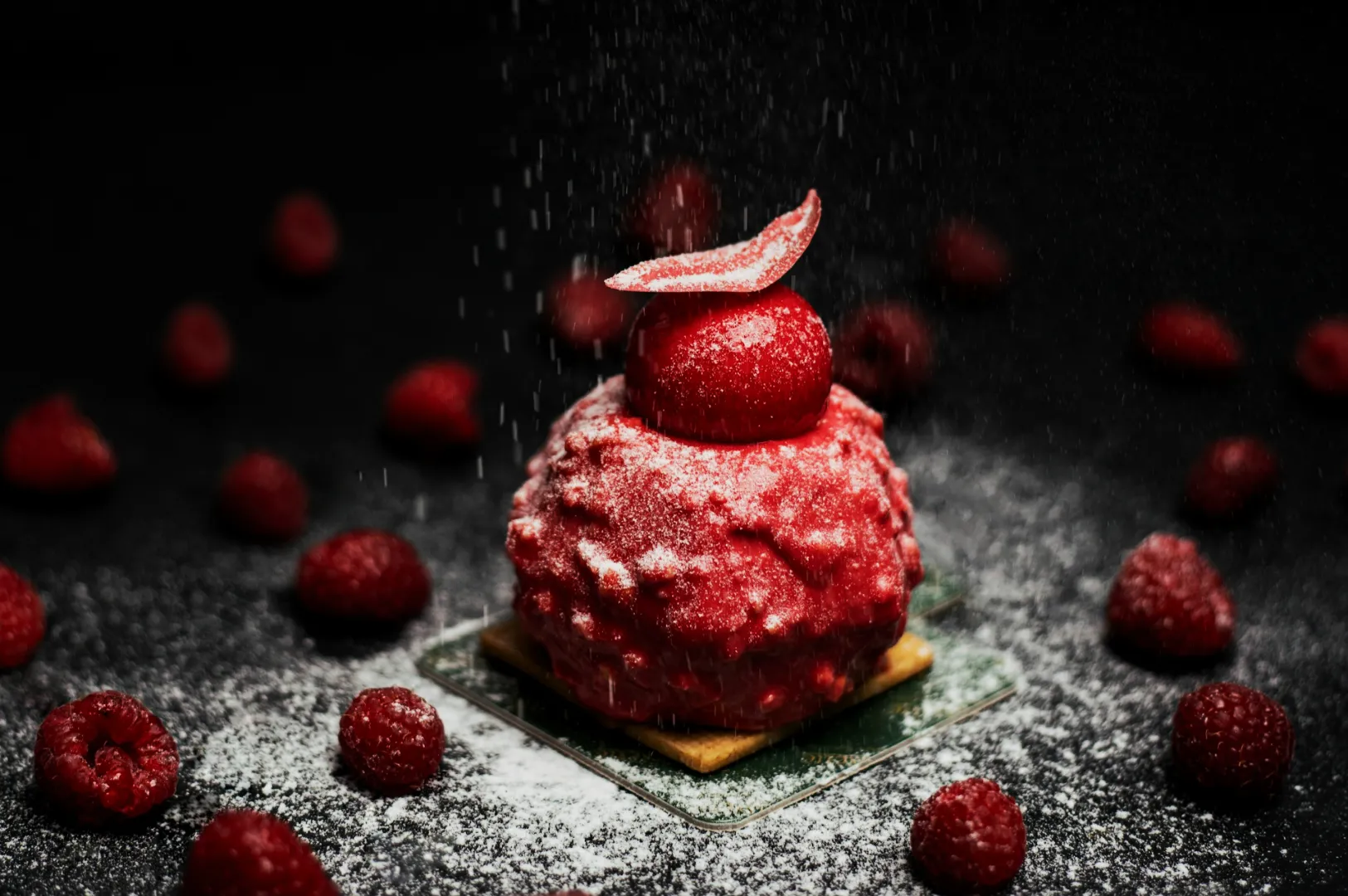
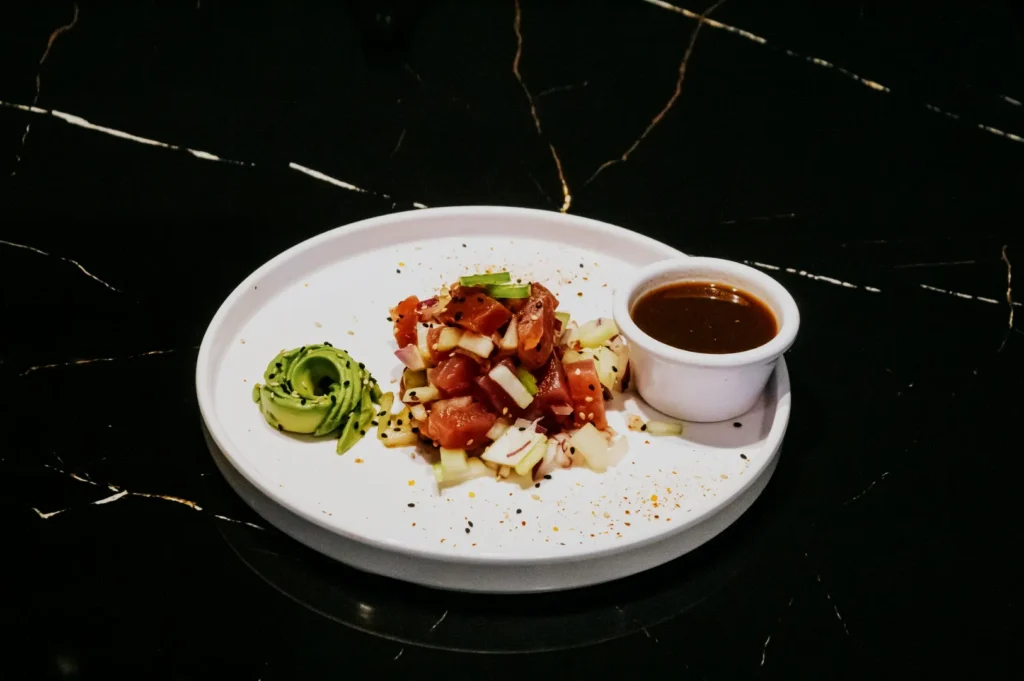
- lighting style (bright and clean vs moody and premium)
- editing style (natural vs punchy contrast)
If you want a menu grid that looks cohesive, say so. If you want a more editorial look for your website but clean clarity for the QR menu, say so too.
Step 4: Confirm Deliverables in Writing
Specify:
- number of final edited images
- file formats (JPG, PNG, and whether you need RAW archive)
- aspect ratios (1:1, 4:5, wide banners)
- resolution requirements (print vs digital)
- delivery timeline
In Singapore, many restaurants need quick turnaround because menus change often. Make timeline explicit.
Step 5: Usage Rights and Licensing
Do not assume “I paid for the shoot, so I own everything”.
Ask:
- can I use these photos for ads?
- can I use them across platforms indefinitely?
- can I share them with delivery platforms and partners?
- is there any restriction for paid media?
Clarity now prevents awkward surprises later.
Step 6: Plan the Shoot Like an Operation, Not a Photoshoot
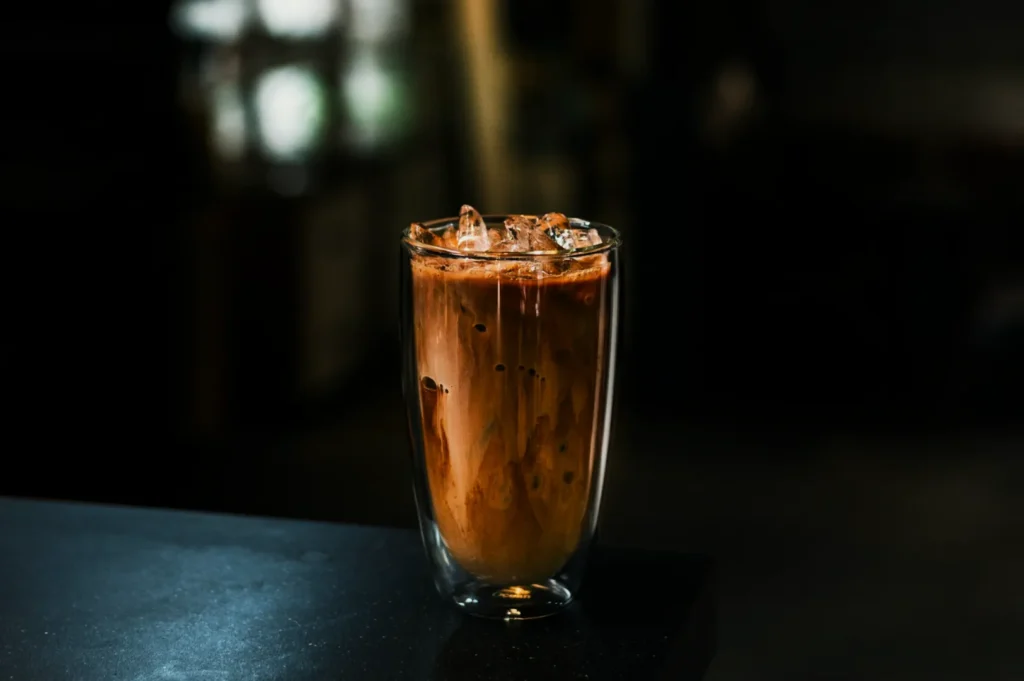
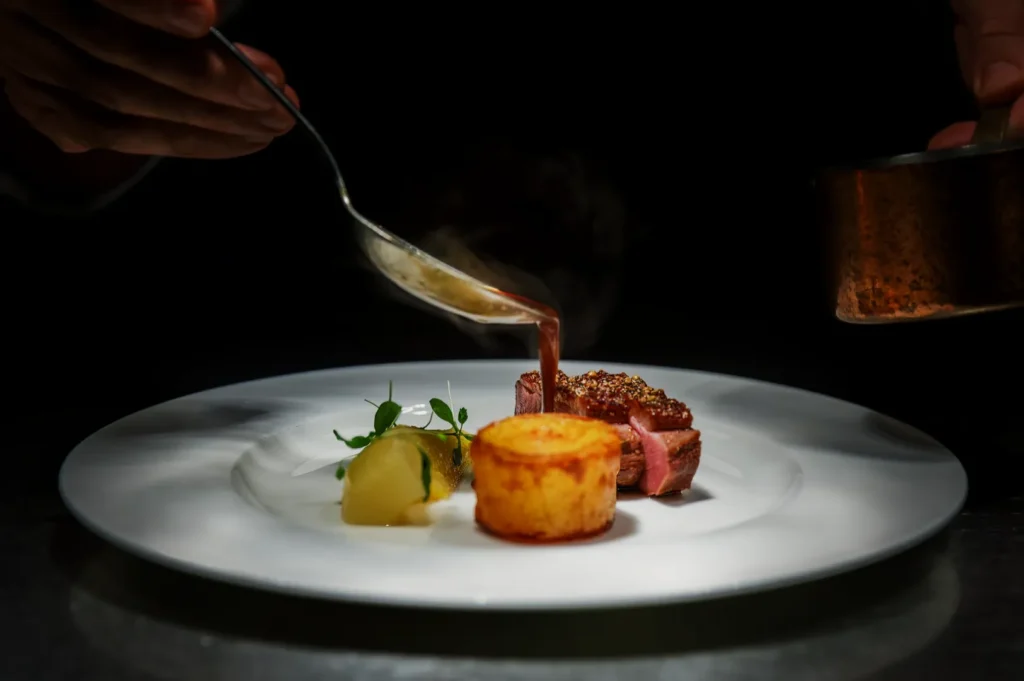
Food does not wait. Herbs wilt. Ice melts. Crispy items soften.
A good brief should include:
- shoot date and time (often off-peak in Singapore, before service)
- who is plating and who is approving dishes
- order of dishes (hot items shot last-minute)
- holding strategy (spares, backup portions)
- any brand guidelines (logo colours, styling cues)
If you treat it like a production line, you get better results and less stress.
Step 7: Questions to Ask Before You Book
Keep it simple:
- Can you show menu shoots similar to my cuisine and format?
- How do you approach consistency across 20–40 dishes?
- How do you handle mixed restaurant lighting and colour casts?
- What do you need from my team on shoot day?
- What is your process for revisions, if needed?
A photographer who answers clearly is usually a photographer who has a repeatable system.
A Simple Brief Template You Can Copy
If you want a one-page version:
- Business name + cuisine type
- Use cases (delivery, QR, print, website)
- Dish list + priority tags
- Visual direction (clean and bright, premium and moody, etc.)
- Background and plateware preference
- Deliverables (count, sizes, formats)
- Timeline and usage rights
That is enough to remove guesswork.
If you want a photographer who already understands the realities of shooting menus in Singapore, Food Photographer Studio can guide you through the brief, planning, shoot workflow, and delivery formats so your menu images are usable everywhere, not just “nice”. Start with the full overview here: Menu Photography.