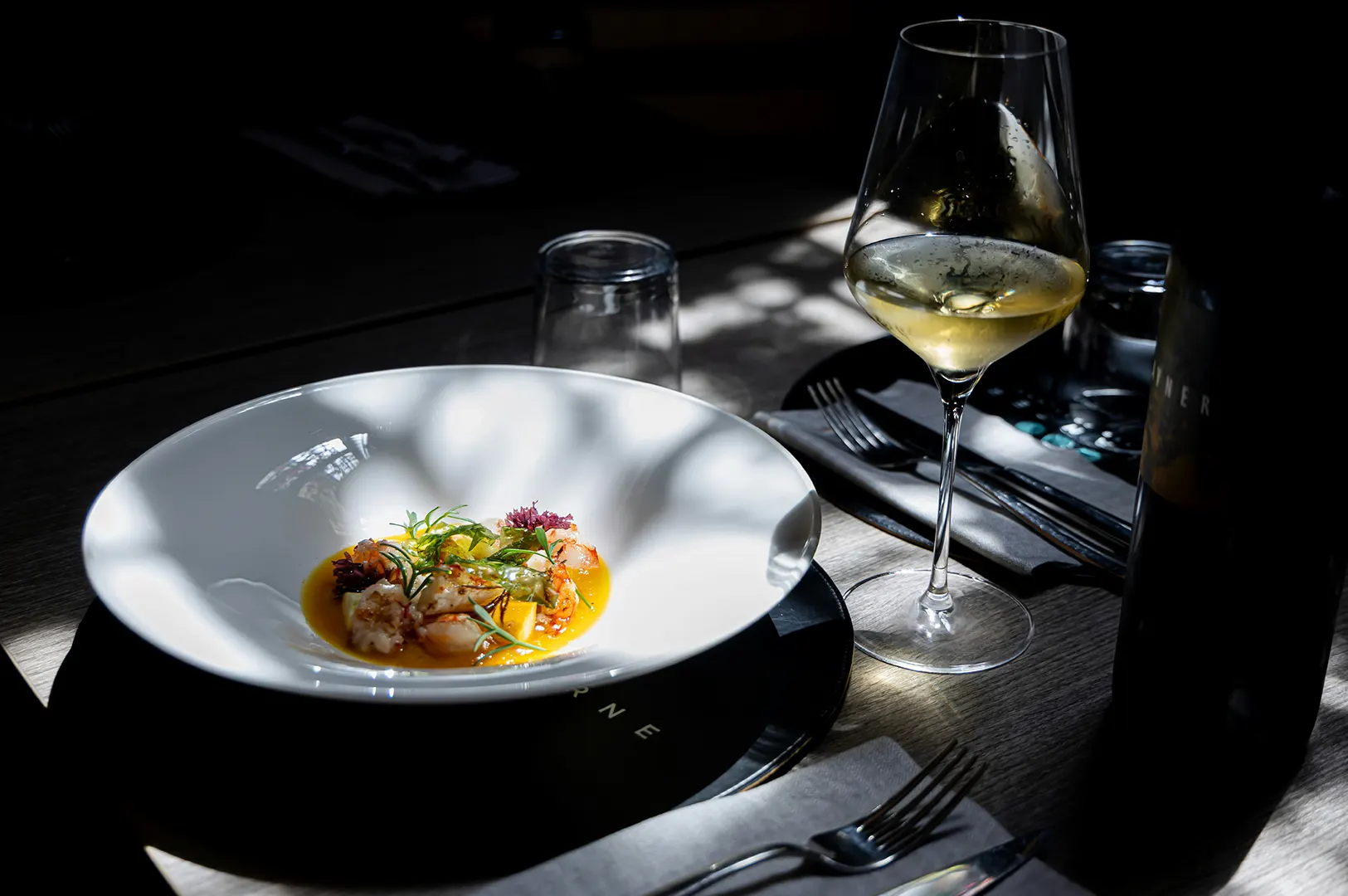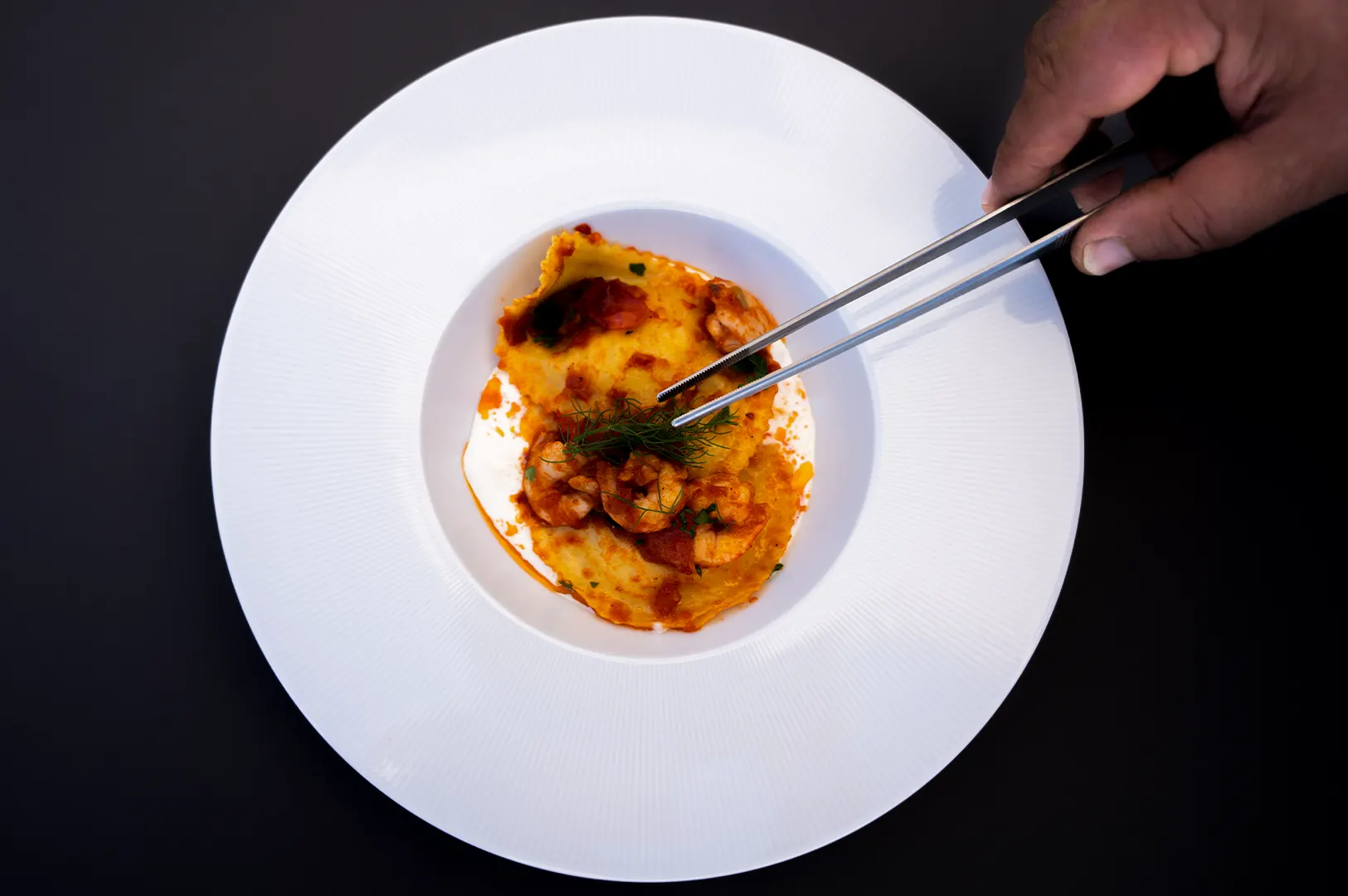
There is a difference between choosing what to eat and choosing where to spend Friday night.
When customers are looking at a reservation page, they may already know the restaurant serves good food.
Now they are asking something else.
Can I bring a client here?
Is this right for an anniversary?
Will my parents be comfortable?
Does the table feel too casual for the occasion?
Reservation photography sells the experience around the plate as much as the plate itself.
Do Not Show Only Close-Ups of Food
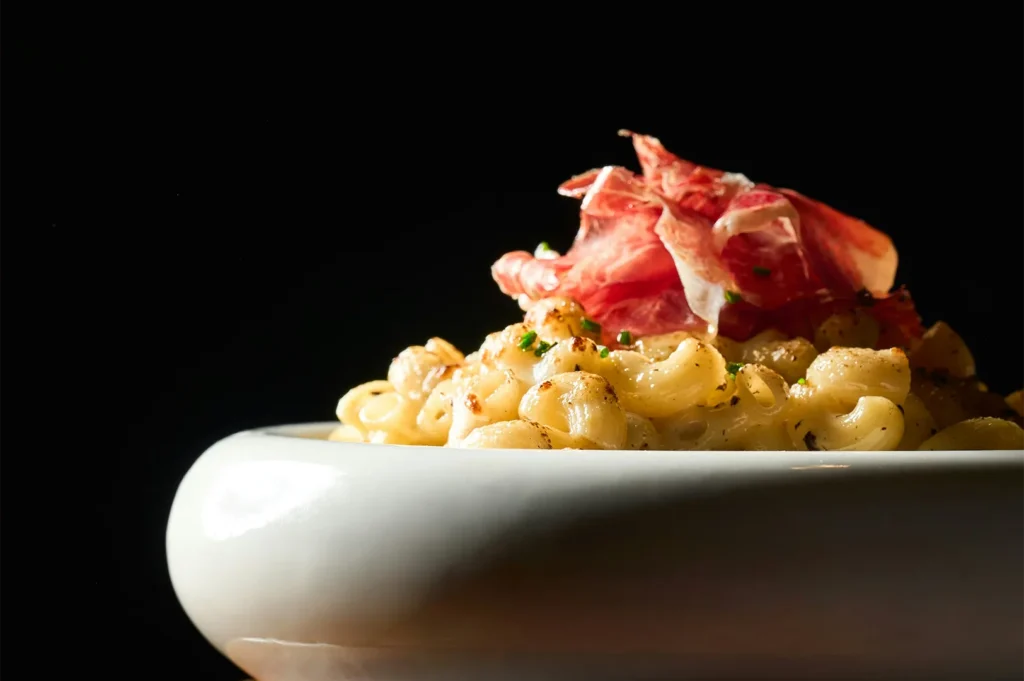
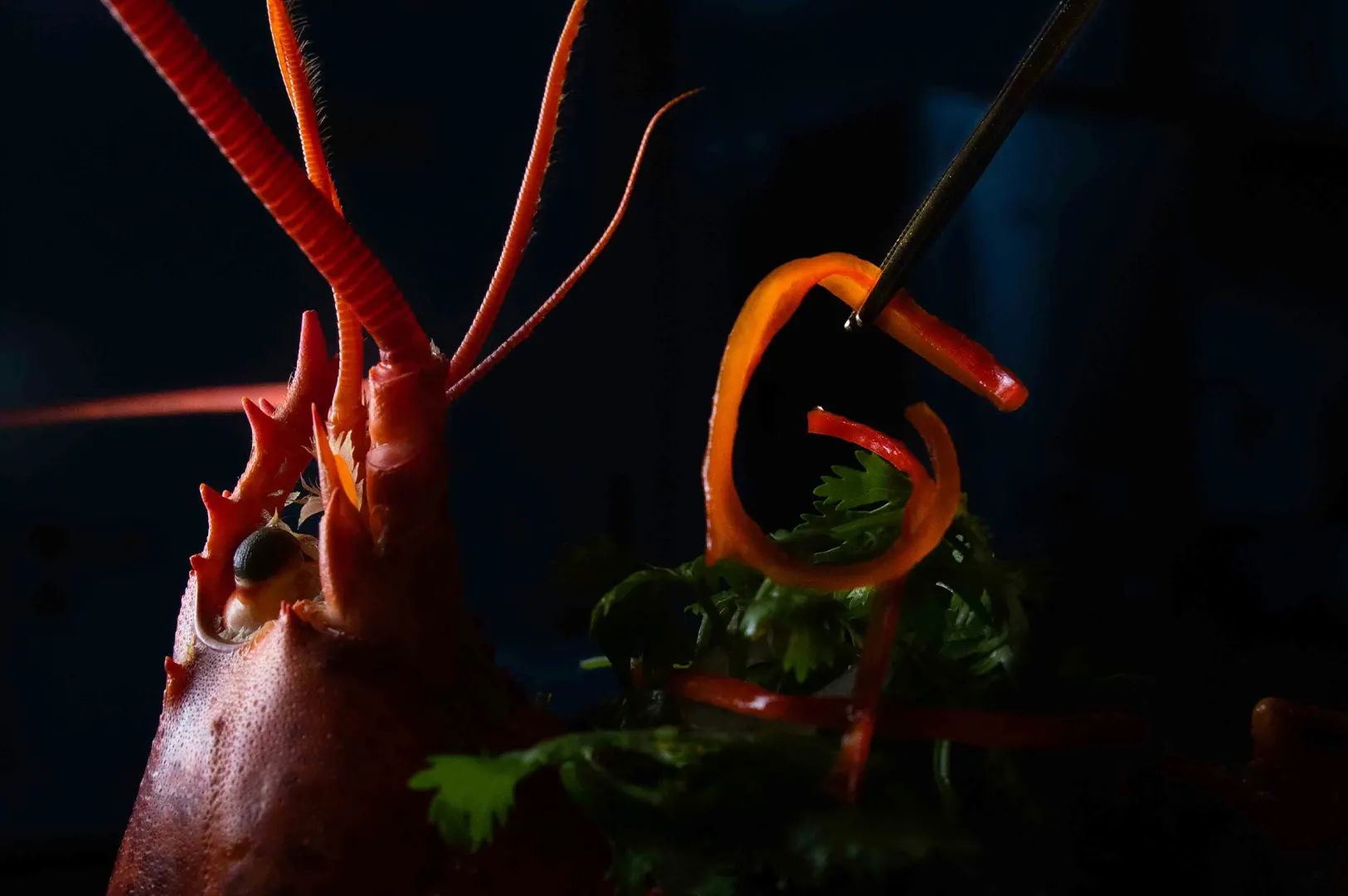
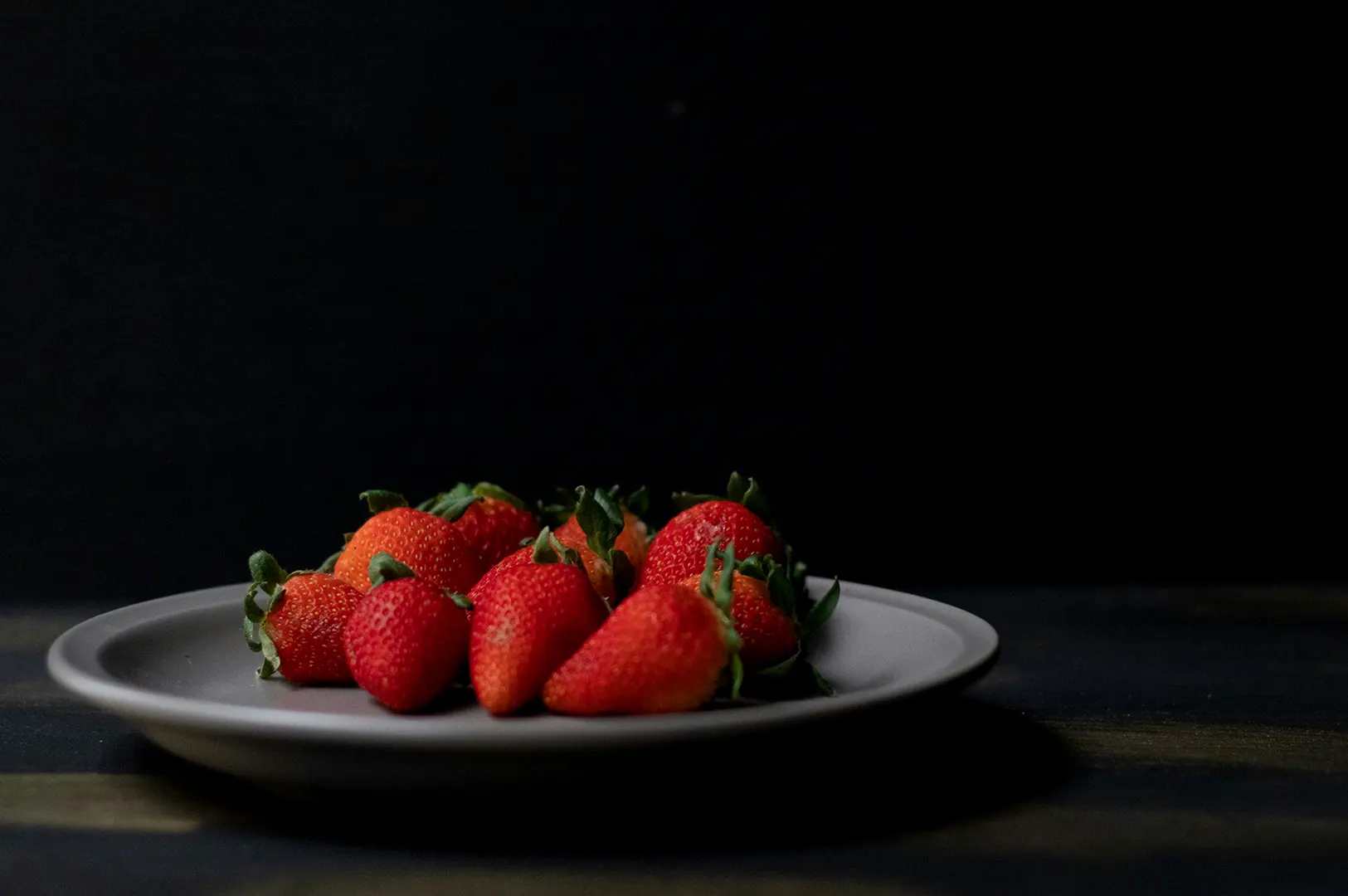
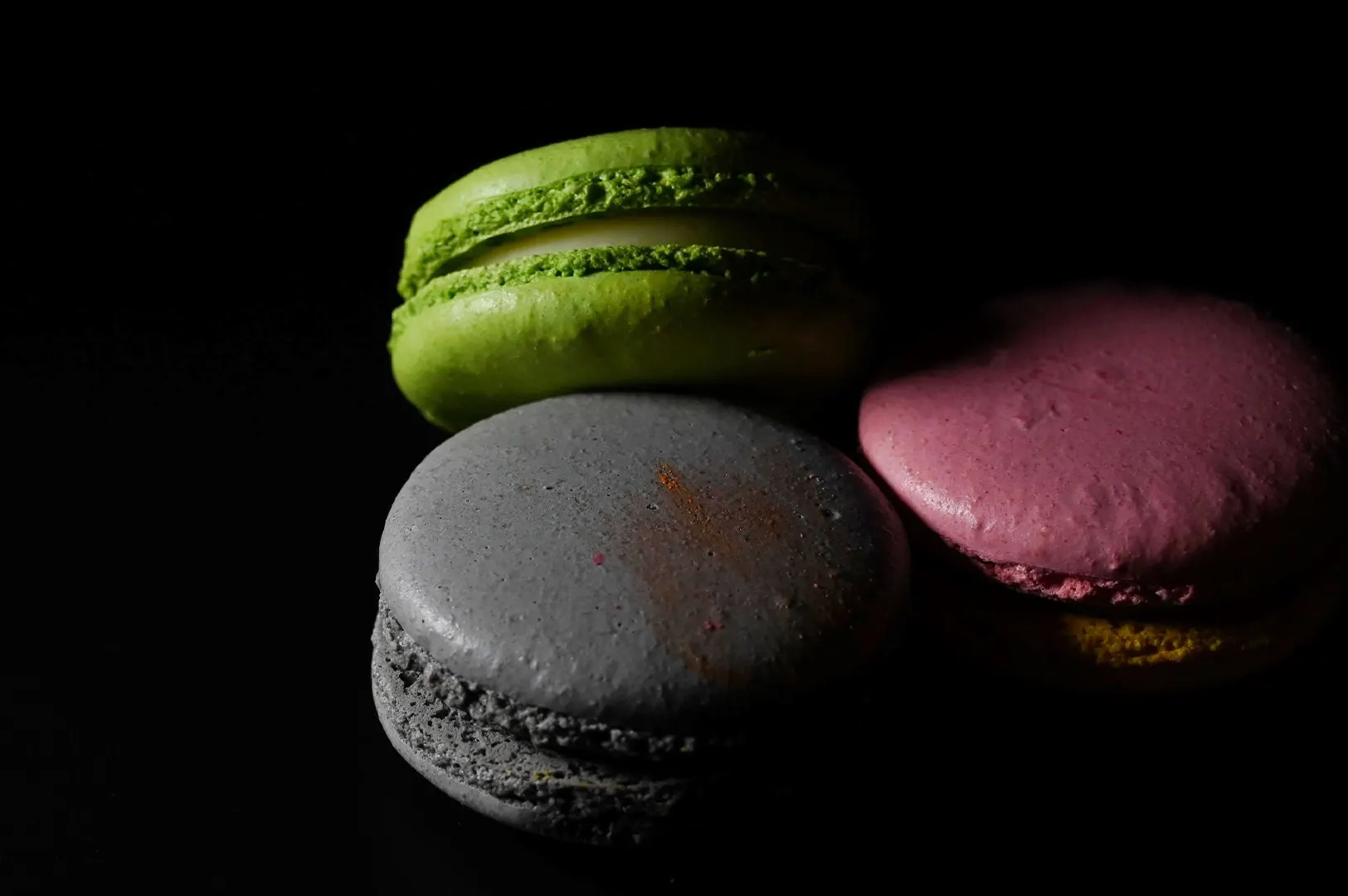
We love close food photography.
But ten photographs of pasta, steak and dessert do not tell customers whether the restaurant is right for dinner with six colleagues.
Google's restaurant Business Profile tools combine menu information, photos and reservation functionality, reflecting how discovery, food and booking can sit in the same customer journey.
For reservation-led imagery, we want customers to understand the room too.
Table spacing.
Lighting.
Private areas.
The general mood.
Photograph the Table Before It Becomes an Interior Shot
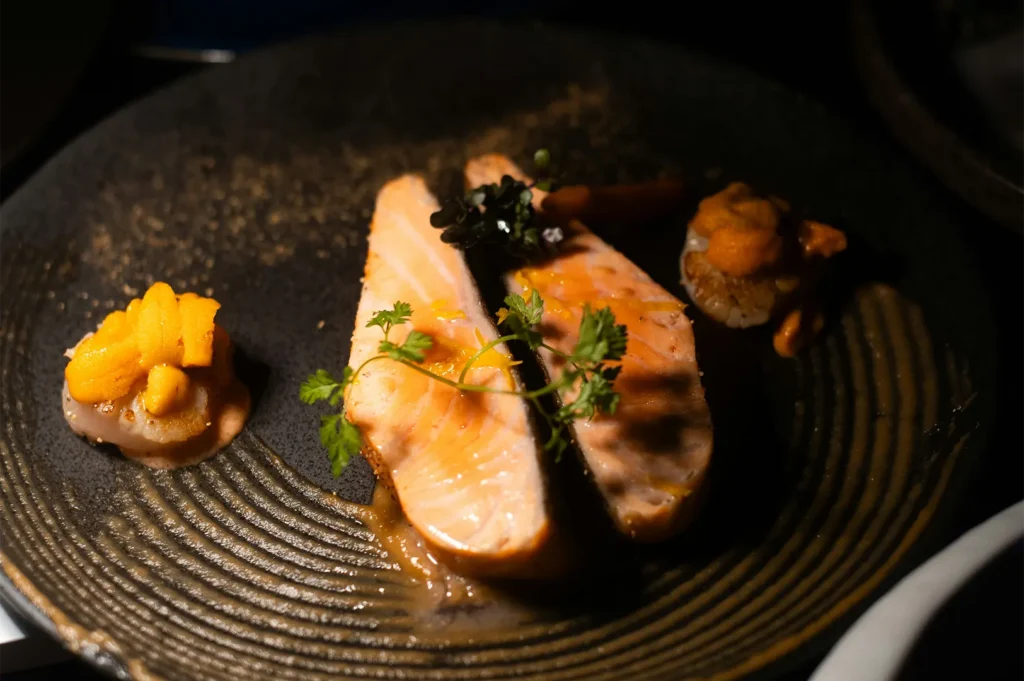
There is a middle ground between food photography and photographing an empty dining room.
A table set for two can suggest date night.
A larger round table can suggest a family gathering.
A private room can show where a business dinner or celebration might happen.
OpenTable's private dining product specifically gives restaurants space to present private dining photographs alongside menus, booking information and policies.
Those images help customers imagine an occasion rather than simply inspect furniture.
Our guide to food photography for restaurant branding covers this wider role of visual identity.
Use Food to Set the Level of the Experience
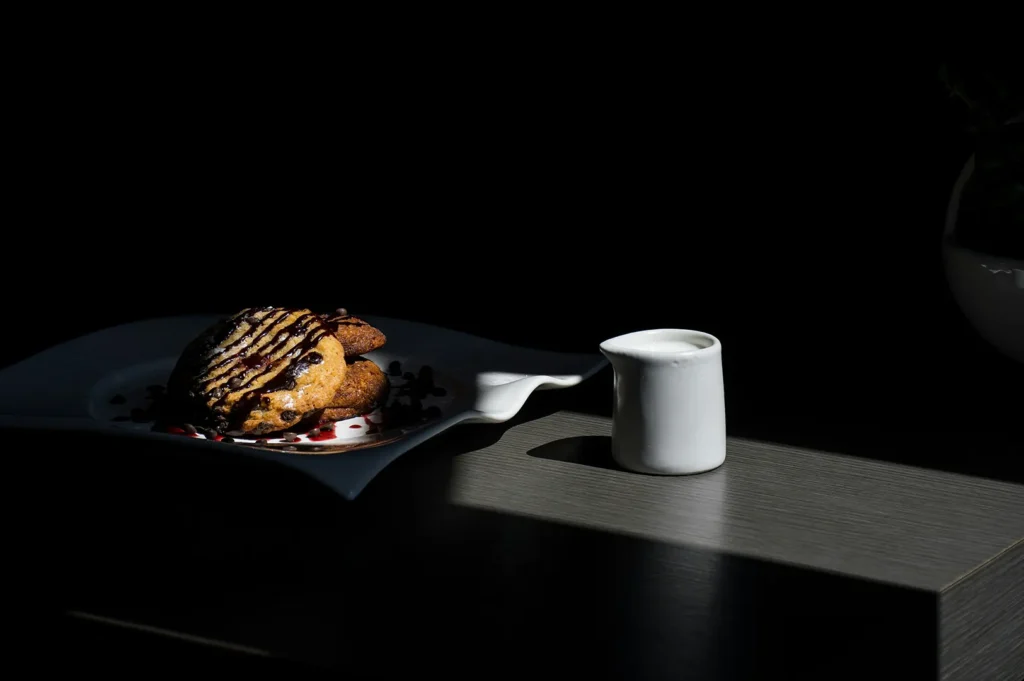
The food still matters.
But the way we photograph it may change.
A tight burger photograph says, “look at this burger.”
A wider frame with two plates, glasses and part of the restaurant says, “imagine dinner here.”
Neither image is better.
They answer different questions.
Our article on what to standardise before a restaurant brand shoot is useful when those different image types still need to feel like one restaurant.
Keep the Room Honest
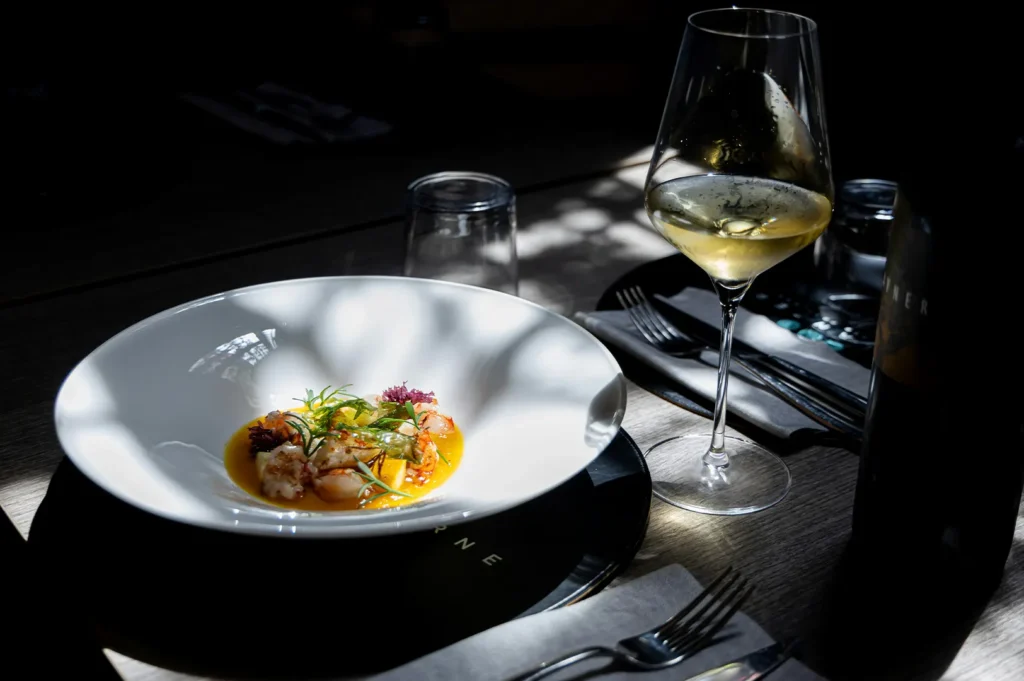
We avoid making a small restaurant look enormous through extreme wide angles.
We also avoid filling every empty table with staged guests if that is not representative.
The photograph should help people understand what the evening could feel like, not create a space they will never enter.
That honesty is part of hospitality photography.
A restaurant photographer and food specialist should be able to move between the plate and the room without losing sight of why each image exists.
Think About the Booking Question
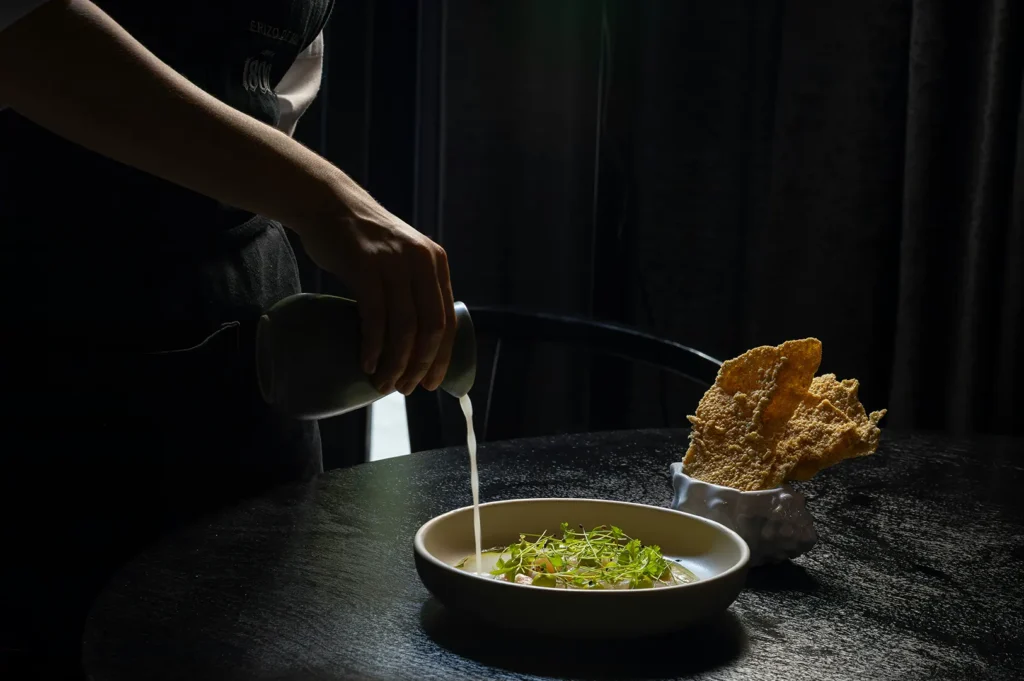
Before taking the photograph, ask:
What would somebody need to see before reserving this restaurant for a particular occasion?
Sometimes the answer is the signature dish.
Sometimes it is the private room.
Sometimes it is simply a warm table for two.
Ordering photographs help people choose food. Reservation photographs help people choose a place and a moment.
Your image library needs both.