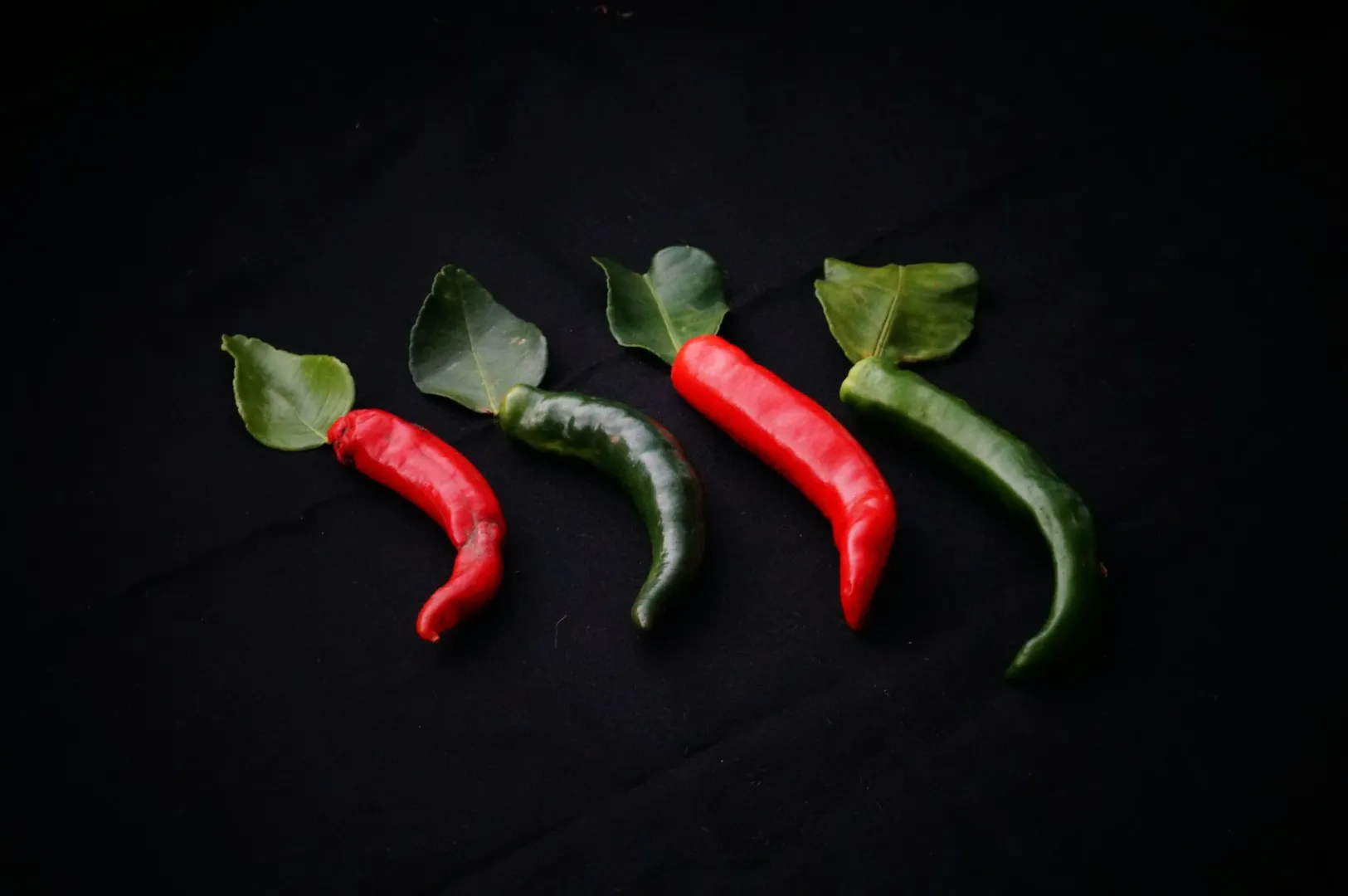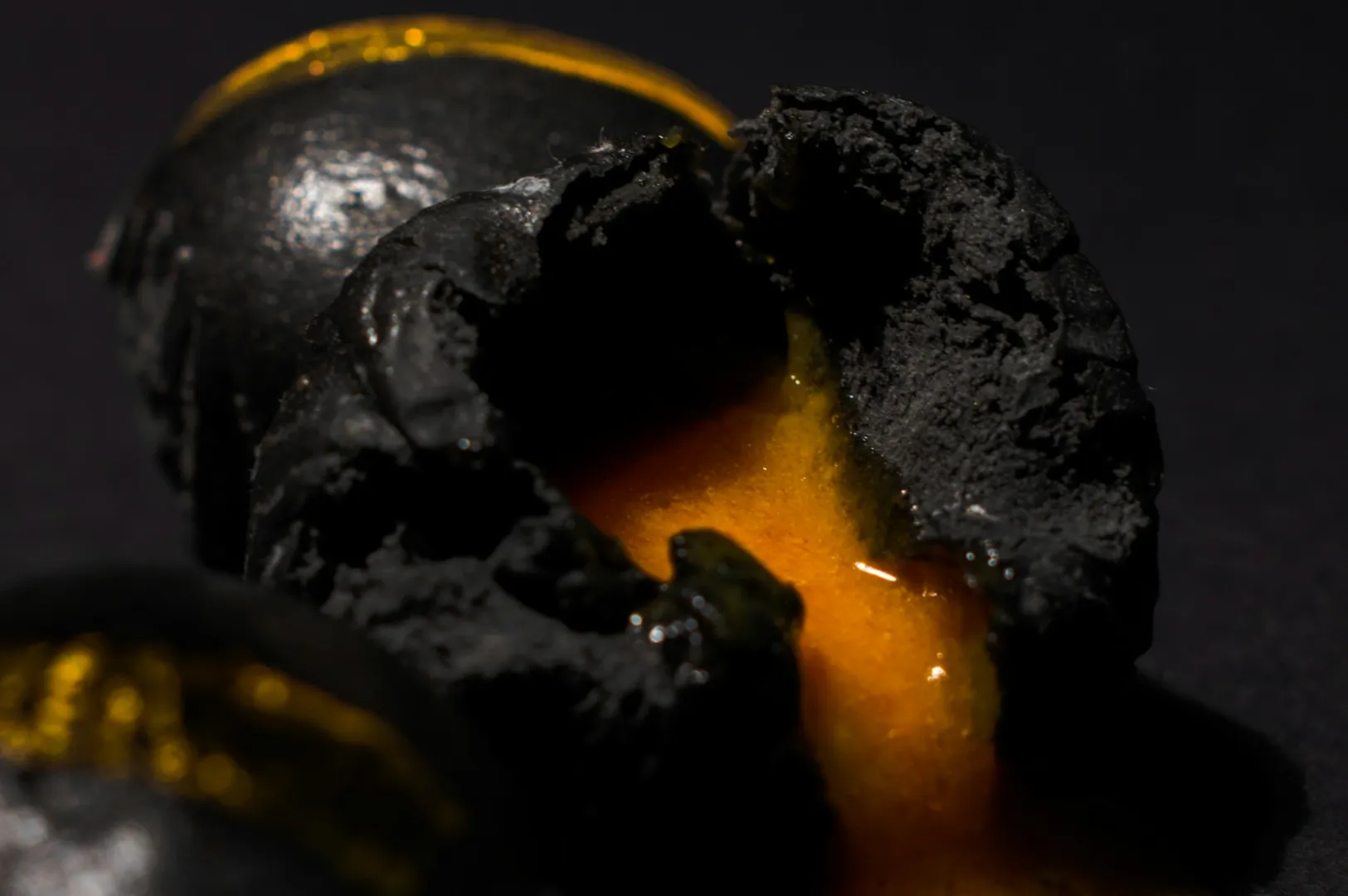
When people joke that Singapore only has “hot” and “wet” seasons, they’re not wrong but they’re also missing the point. Restaurants here follow a specific rhythm: monsoon months change how diners eat, festive periods shift expectations, and ingredient availability shapes menus.
This is where creative food photography goes beyond nice photos. It reflects mood, timing, and emotion globally, connecting local food to the wider world. The goal isn’t just to photograph food but to place it in context, helping someone scrolling on their phone feel what it’s like to sit at your table.
At Food Photographer Studio, we understand that in a city full of food photos, what stands out is intention, not perfection. The best images suggest warmth, celebration, comfort, or anticipation. This guide shows how to use Singapore’s seasons to create food photography that feels timely, human, and memorable, giving you an edge in food content creation.
Photographing food with purpose means experimenting with light, angles, and props to capture not just a dish but a story. It’s about putting your creativity into practice and inviting viewers into the experience, not just the plate.
Creative Food Photography Starts With Seasonal Awareness
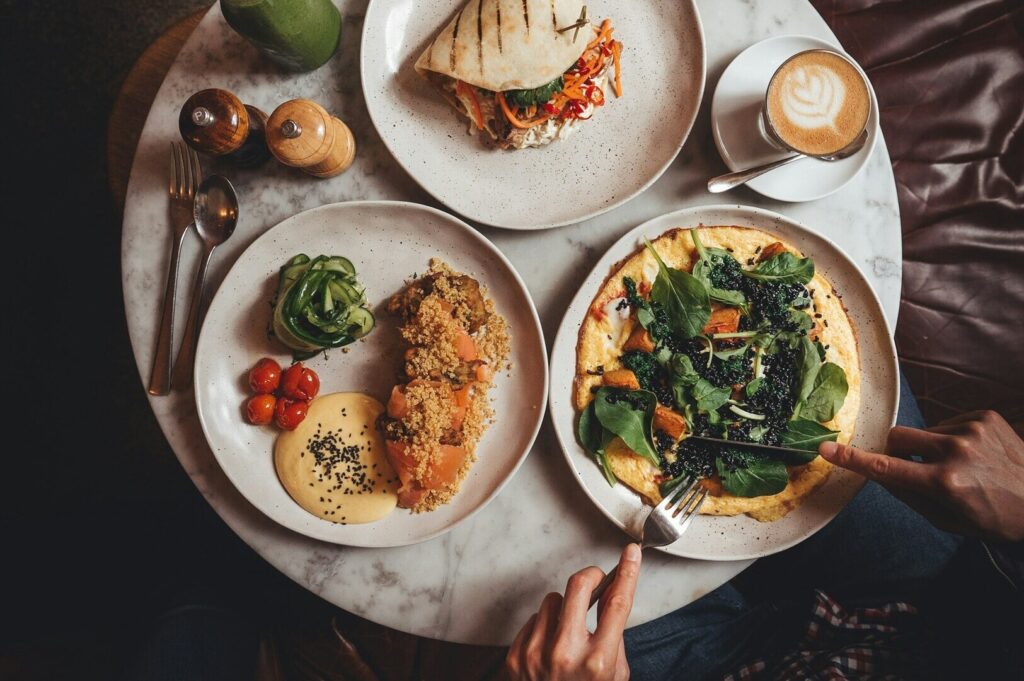
Singapore doesn’t change dramatically by temperature, but it changes emotionally. Understanding those shifts is the foundation of creative food photography.
The Monsoon Mood
The year-end monsoon season brings grey skies, softer light, and a natural pull toward comfort food. This is the season for bowls, soups, and dishes that feel grounding. In photography, this translates into images that lean into warmth and shelter.
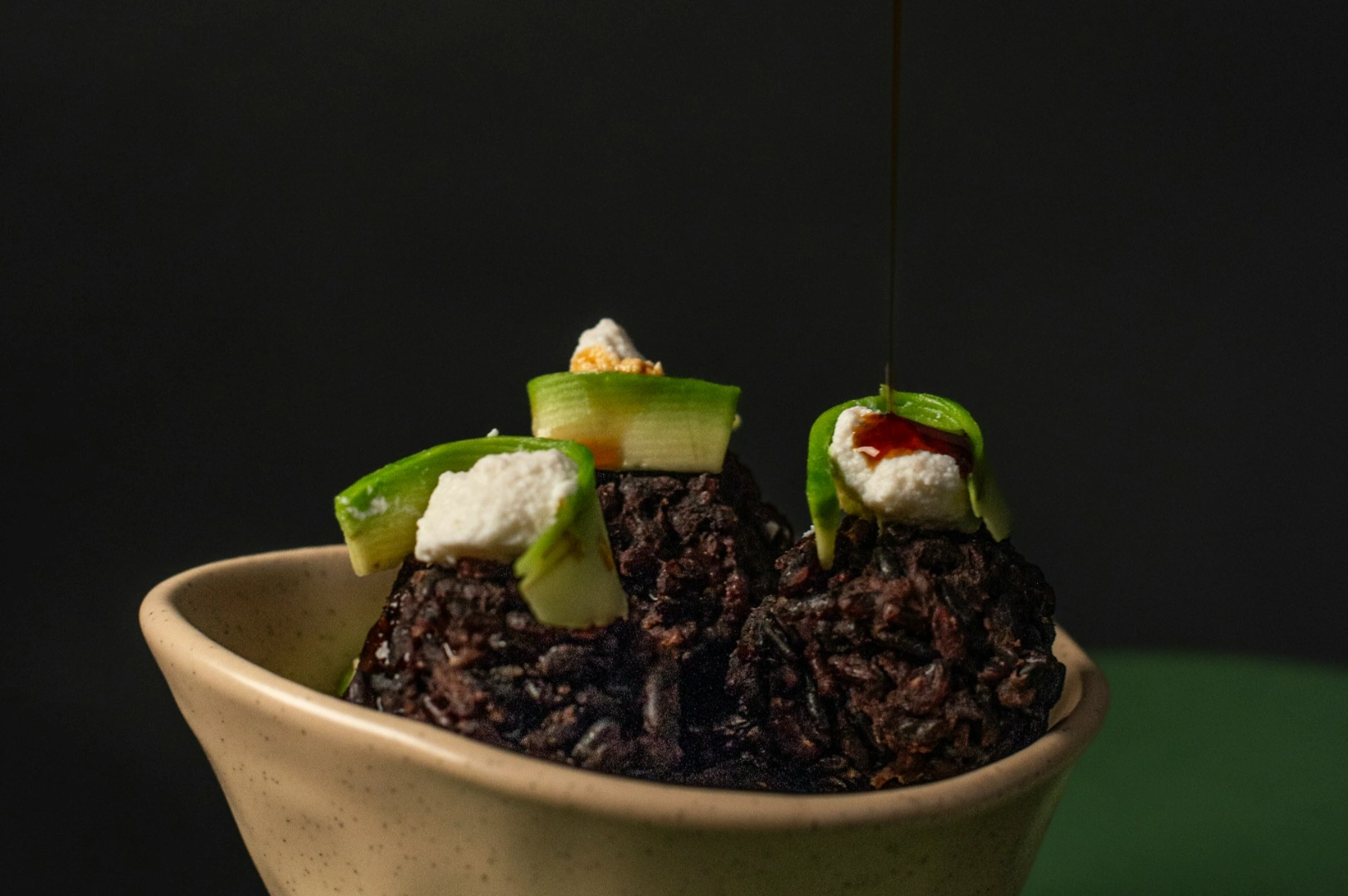
Think steam rising from a claypot, condensation on glass, oil glistening on curry. Use slightly darker backgrounds and let the food become the brightest element in the frame. The story here isn’t drama, it’s relief.
Festive Energy and Visual Noise
Festive periods such as Lunar New Year, Hari Raya, Deepavali and Christmas, are visually loud. Colours, textures, and movement all increase. Your food photography should reflect that energy without losing clarity.
Instead of focusing only on the final dish, photograph the process. Dough on the table. Pineapple tarts mid-bake. Ingredients being prepared. These moments feel familiar and honest, and they create a stronger connection than a perfectly plated cake alone.
Capturing Time, Not Just Food
One overlooked technique in food photography is showing time passing. A half-prepared dish, a messy board, a hand reaching in, these details suggest life. They remind the viewer that the food is being made, not manufactured.
Food photography tips for seasonal storytelling:
Shoot before, during, and after the cooking process
Plan content around the calendar, not just menu launches
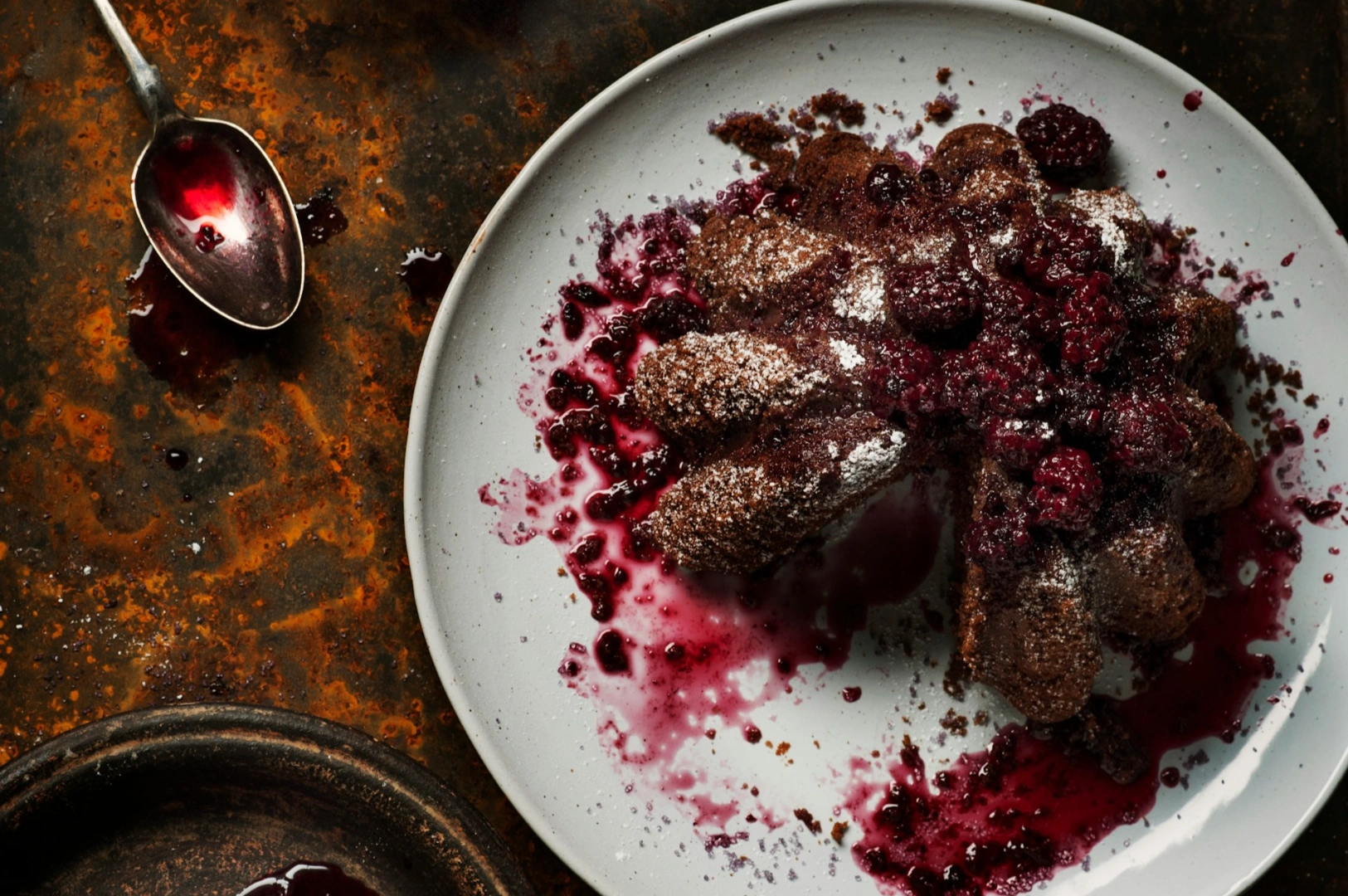
Don’t clean up everything as controlled mess feels real
Experiment with the combination of natural and artificial light to capture the mood
When photographing food, pay attention to how the elements on the plate interact to tell a cohesive story
Food Photography and Seasonal Colour Choices
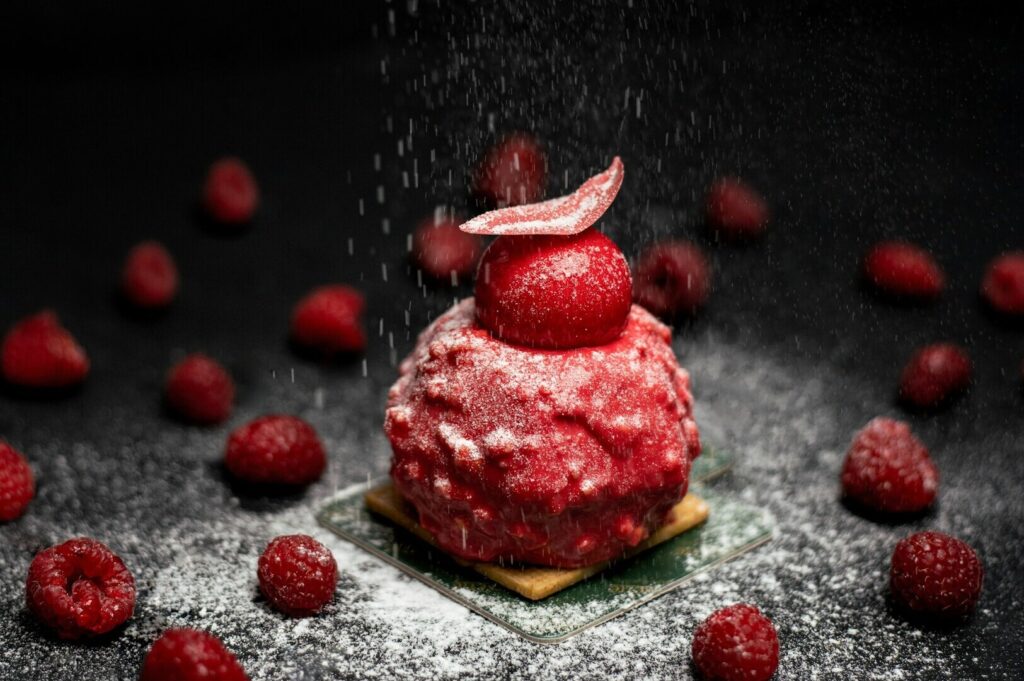
Colour shapes mood faster than almost anything else. In food photography, it’s often the first thing the viewer reacts to, making it essential to develop a unique style that catches the eye.
Cool Seasons, Warm Food
During rainy months, natural light becomes softer and cooler. Lean into this by using muted backgrounds (slate, grey, deep blue) and let warm food tones do the work. Broths, roasted meats, and fried items stand out beautifully against cooler surroundings, especially when you photograph food with attention to complementary colors that enhance the dish’s appeal.
Festive Colours Without Overwhelming the Dish
Festive colours like red, gold, and green are powerful but dangerous if overused. If everything is loud, nothing stands out. Use colour strategically: neutral plates, controlled props, and seasonal accents rather than full saturation everywhere. This approach keeps the focus on the food and adds a fun, vibrant touch without overwhelming the viewer.
A simple rule: if your background is strong, keep the food clean.
Food Photos That Use Props With Purpose
Props should support the story, not compete with it. In seasonal food photography, they help anchor the image in place and time.
Keep It Local and Familiar
Singapore offers endless prop options if you look close enough. Hardware shops, heartland stores, textile stalls, all carry items that feel authentic. A well-worn tray or simple fabric can add more interest than something overly styled.
Texture Creates Feeling
Seasonal contrast matters:
Wet months: ceramics, wood, thick cloth, condensation on glass
Hot months: lighter fabrics, ice, fresh veggies, open space
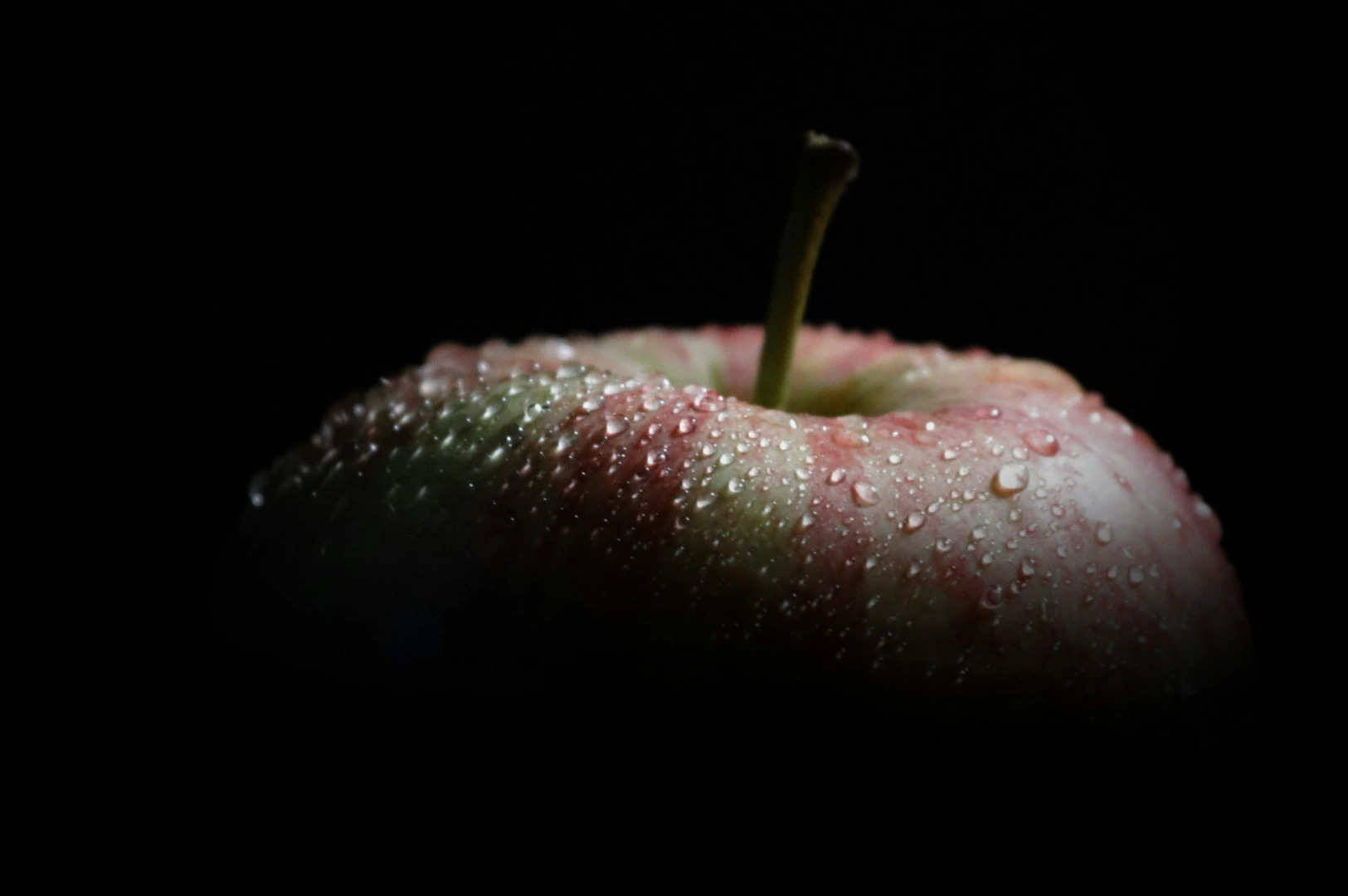
Spraying a surface lightly with cold water can instantly make a scene feel fresh and alive.
Styling tips that work all year:
Remove one prop if the frame feels busy
Match plates to the era of the dish
Layer elements (bowl → plate → cloth → table) to create depth
Lighting as the Main Light of the Story
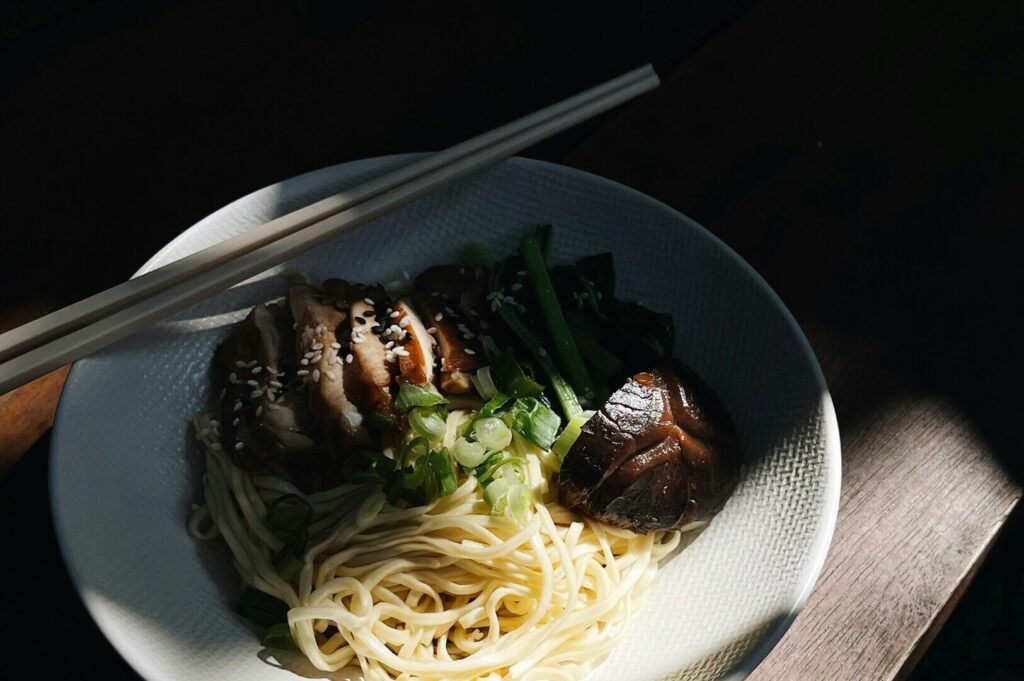
Light controls emotion and guides the viewer’s eye to the main subject. In creative food photography, it is the difference between flat pictures and images that feel alive and appealing.
Working With Monsoon Light
Cloudy days produce excellent soft light. Place your dish near a window and let shadows fall naturally. Use a white board to bounce light back if needed. This approach gives texture without harsh contrast, engaging the senses through subtle visual cues.
Warmer Light for Celebration
For festive shoots, warmth matters. Late afternoon light works well, but indoor lighting needs attention. Avoid mixed light sources. One consistent main light is better than several competing ones to keep your pictures focused and appealing.
Capturing Motion and Texture
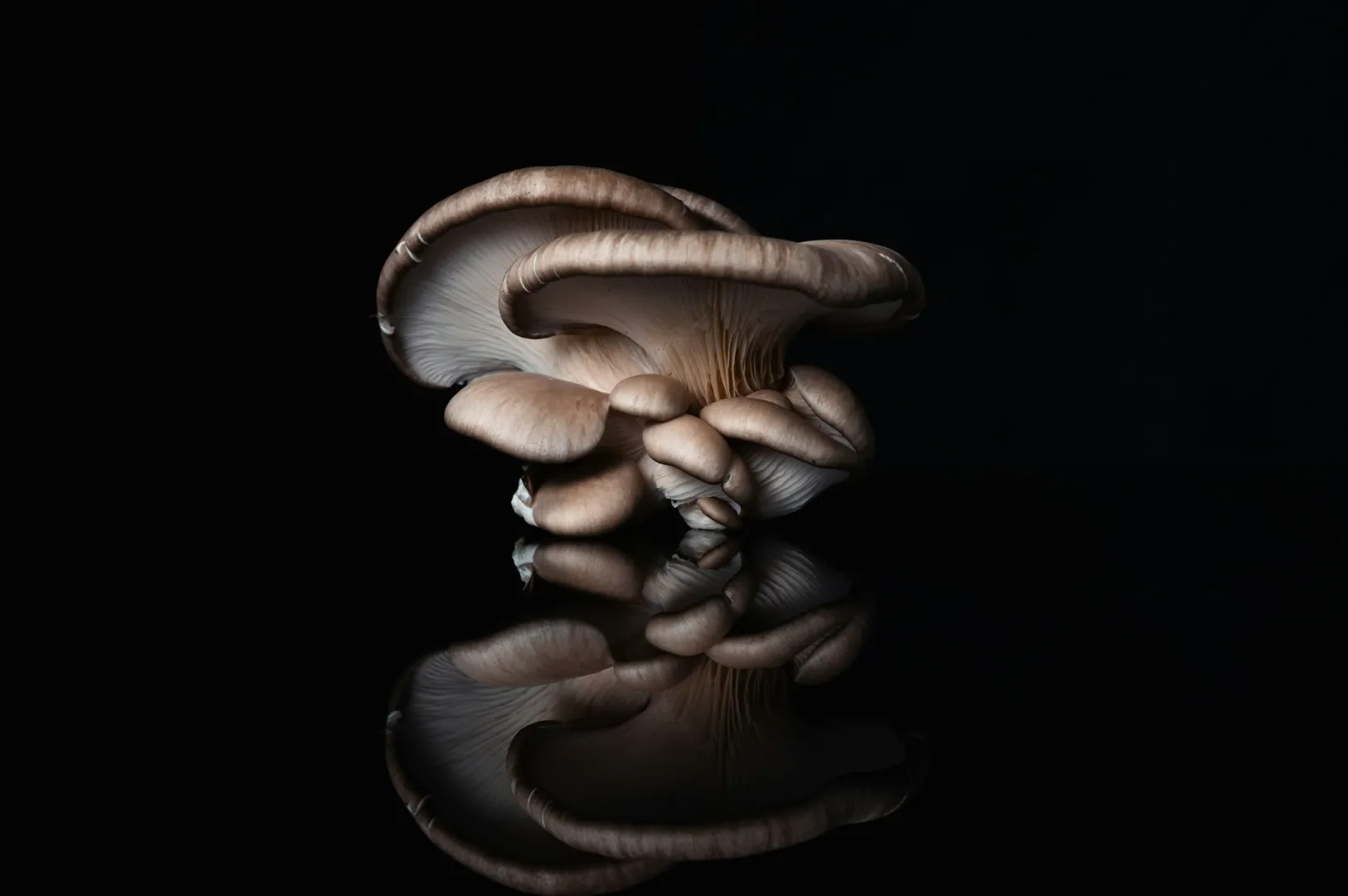
Backlighting helps steam show up, enhancing the sensory experience. Side lighting reveals texture, drawing the viewer’s senses into the image. Adjust shutter speed depending on whether you want to freeze action or show movement.
Natural light is beautiful but unpredictable. Having basic artificial lighting as backup gives you control especially during rainy weeks.
Composition That Supports the Story
Composition tells the viewer where to look and how to feel.
Before, During, After
Instead of one image, think in sets:
Ingredients on the board
Food in the pan
Finished dish on the table
This sequence builds narrative and keeps your content interesting.
Using Space and Angles
Overhead shots work for spreads. A 45-degree angle shows depth. Close-ups highlight textures like crisp skin or bubbling oil. Choose angles based on what matters most in the dish.
Adding a human element such as a hand or friends at the table instantly makes food photos feel more inviting.
One Thing to Remember About Creative Food Photography
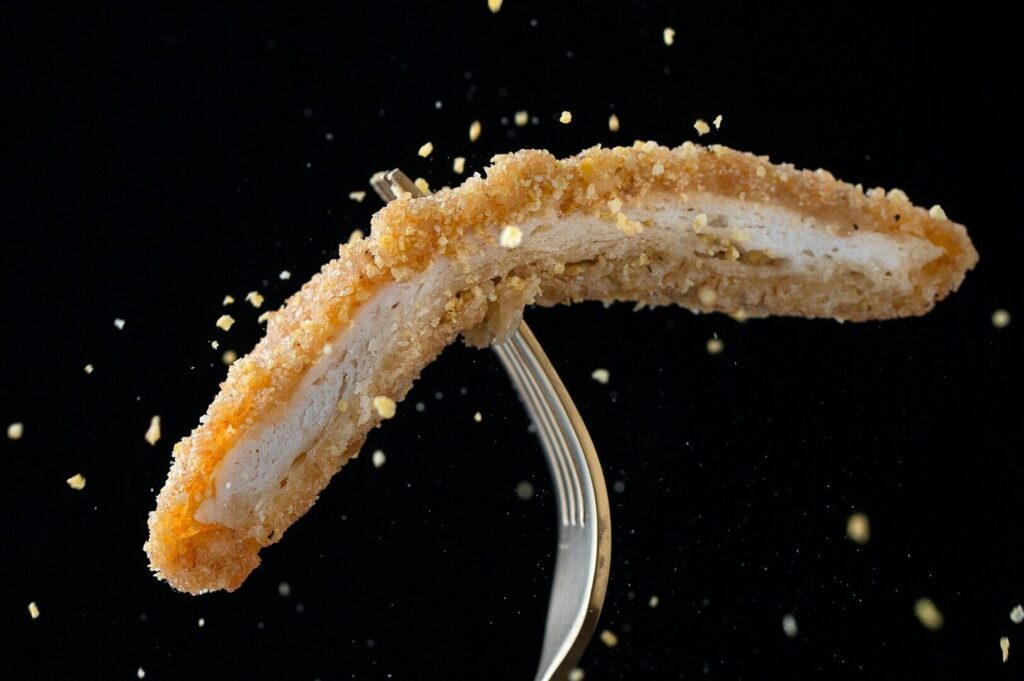
Creative food photography isn’t about doing more. It’s about noticing more. Seasons, mood, light, and small details all matter. When you align your food photos with what people are feeling at that time of year, the images feel relevant instead of generic.
Start small. Choose one upcoming season. Plan one dish. Build one visual story. Over time, this approach helps your brand feel thoughtful, familiar, and grounded in real moments, not just polished plates.
While these techniques can elevate in-house efforts, complex seasonal storytelling often benefits from experienced photographers who understand both food and cultural nuance. Professional food photography services can help translate these ideas into images that feel cohesive across menus, campaigns, and platforms without losing authenticity.
The plate is just the beginning. The story is what stays.