
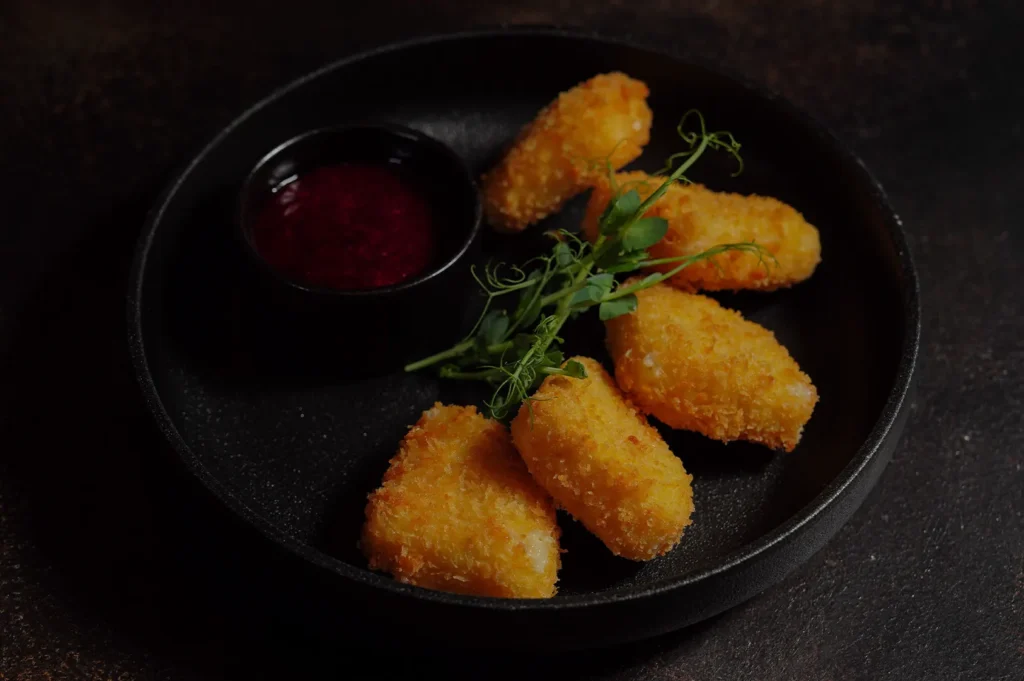
Customers cannot taste food through a screen. They cannot hear the crackle of fried chicken, feel the softness of tofu, or smell the richness of laksa broth from a menu photo. But they can imagine all of it when the image gives them the right cues.
That is why food texture photography matters. It is not just about making food look nice. It is about making food feel believable before anyone takes a bite.
In Singapore, where diners move quickly between Google, delivery apps, Instagram and restaurant websites, texture can be the thing that makes a dish feel worth ordering. A glossy broth, a flaky prata, a soft cake crumb, or a crisp chicken skin can do more than decorate the photo. It can create expectation.
And expectation is where appetite begins.
Why Texture Matters More Than “Pretty” Food Photos
A food photo can be pretty and still fail.
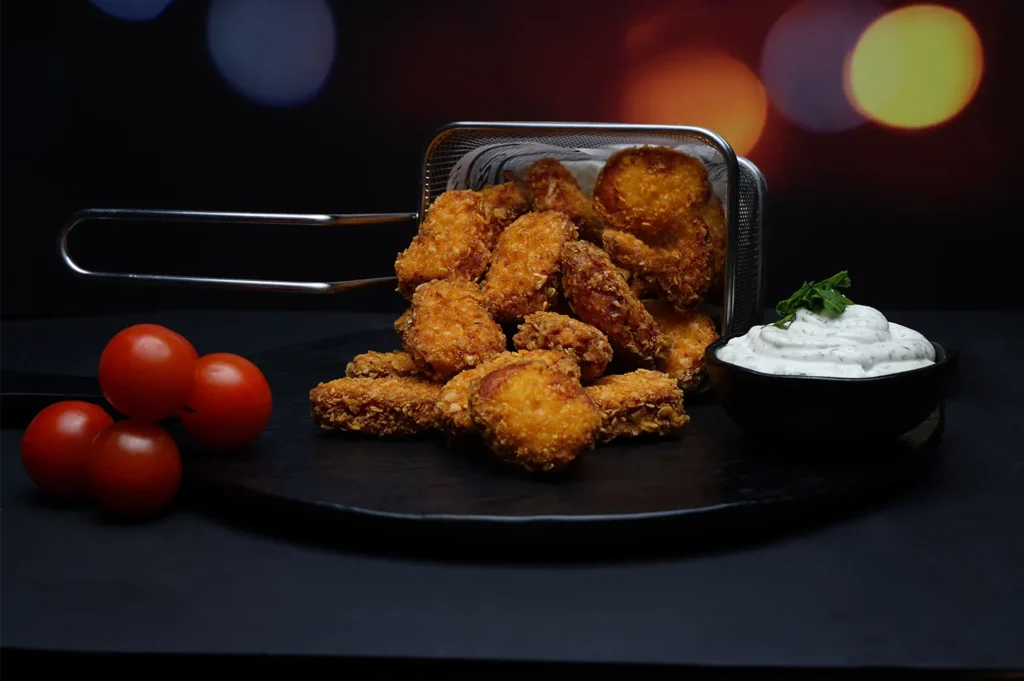
It can have a clean background, a tasteful plate, and a neat composition, but if the food itself looks flat, cold, or lifeless, it will not make people hungry. That is a common problem with overly polished F&B visuals. They look designed, but they do not feel edible.
Texture is what brings the food back to the mouth.
A photo of fried chicken should not only look golden. It should look like the skin will crack when bitten. A bowl of noodles should not only look organised. It should feel springy, hot, and freshly tossed. A cake should not only look symmetrical. It should look soft enough to cut through easily.
For F&B brands, the goal is not admiration alone. The goal is appetite. Texture in food photos helps bridge that gap.
Texture Is How Customers Imagine The First Bite
Before a customer decides what something tastes like, they often decide what it feels like.
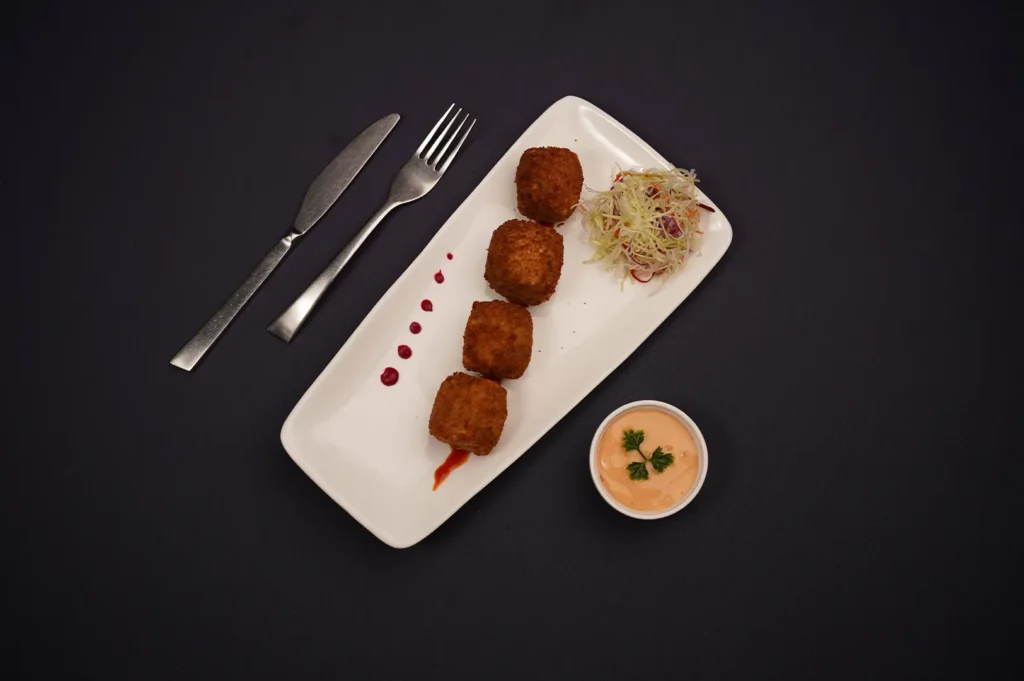
Crispness suggests freshness and heat. Creaminess suggests comfort and richness. Gloss suggests moisture and depth. Crumb suggests craft. Fresh leaves, bright fruit, and clean cut edges suggest that the dish has not been sitting around for too long.
This happens quickly and quietly. A diner looking at roast pork skin is already imagining crunch. Someone seeing kaya toast with clean edges and a slightly glossy spread can almost feel the contrast between crisp bread and soft kaya. A ramen broth with a gentle sheen feels deeper than one that looks flat. A croissant with visible layers feels more worth ordering than one that looks dense and heavy.
Singapore food is full of these texture signals. Fried carrot cake needs to show char, egg, and softness. Nasi lemak needs the rice, sambal, cucumber, egg, and fried elements to each read differently. Even something simple like prata depends heavily on texture. If it looks flat and dry, the craving disappears. If it looks flaky, slightly blistered, and warm, the decision becomes easier.
Texture fills the gap between seeing and tasting.
The Texture Cues That Make Diners Trust A Dish
Texture is also about trust.
When customers order from a menu or delivery app, they are taking a small risk. Will the dish arrive looking close to the photo? Will it be fresh? Will it be properly prepared? Will it feel worth the price?
Texture helps answer those questions.
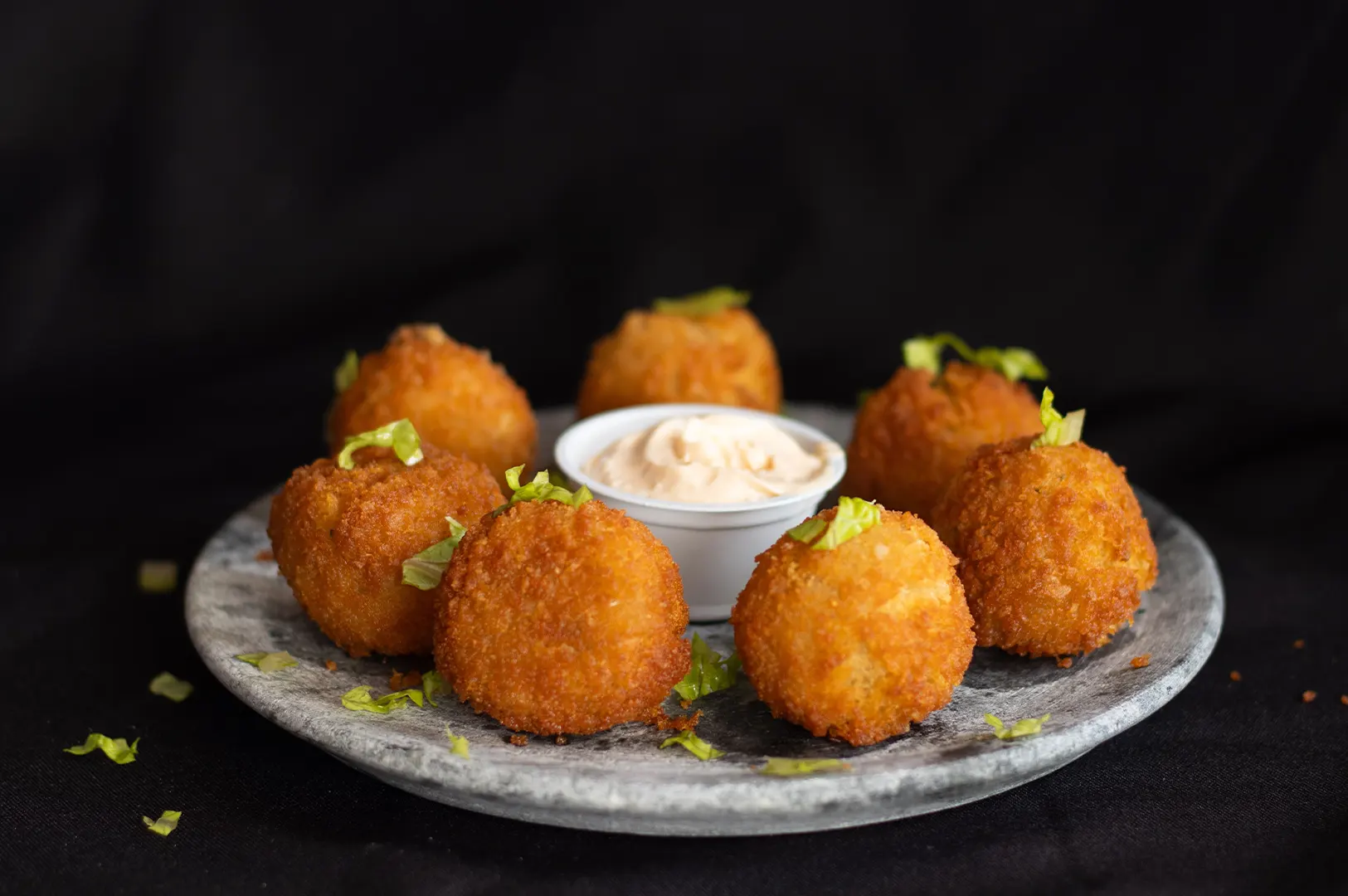
Dry meat creates hesitation. It makes the customer wonder whether the dish will be tough or tired. Mushy noodles suggest that the food has lost its bite. Dull herbs make a dish feel less fresh. Flat sauces can look processed, old, or too heavy. When a photo does not show clear texture, the food becomes harder to trust.
This is especially important on delivery platforms. Diners already know that travel time changes food. Fried food may soften. Soups may spill. Rice bowls may shift. If the photo already looks weak, the customer has less confidence before placing the order.
Good food texture photography gives the dish a stronger promise. It does not need to exaggerate. It simply needs to show that the food has structure, freshness, moisture, and life.
How Texture Affects Perceived Value
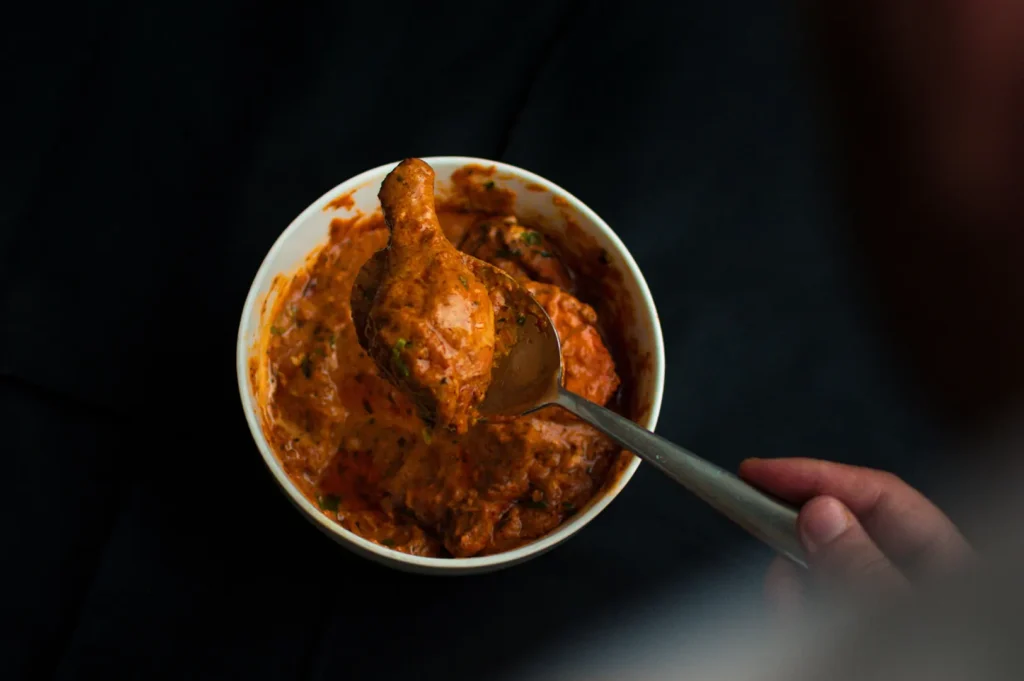
Texture can make the same dish feel more generous, more premium or more satisfying.
Visible layers make burgers, sandwiches, cakes, and kueh feel more substantial. Separated rice grains make rice dishes feel better prepared. Crispy edges make fried items feel fresher. Controlled gloss on sauces, gravies, and broths makes food feel richer without looking oily. Fresh garnish can lift a dish without making it look overly styled.
These are small visual details but they affect how customers read value.
A pasta with sauce that clings properly looks more satisfying than one where the sauce sits flat at the bottom of the plate. A grilled item with visible char and moisture feels more worth ordering than one that looks dry and matte. A pastry with visible flake and crumb feels like it has craft behind it.
This does not mean every dish needs to look expensive. Hawker food, café plates, casual delivery meals, and premium restaurant dishes all have different value cues. The point is to show the texture that makes the dish desirable in its own category.
A $6 dish can still look deeply satisfying. A $30 dish can still look unconvincing if the texture feels wrong.
Why Flat Food Photos Make Good Dishes Look Average
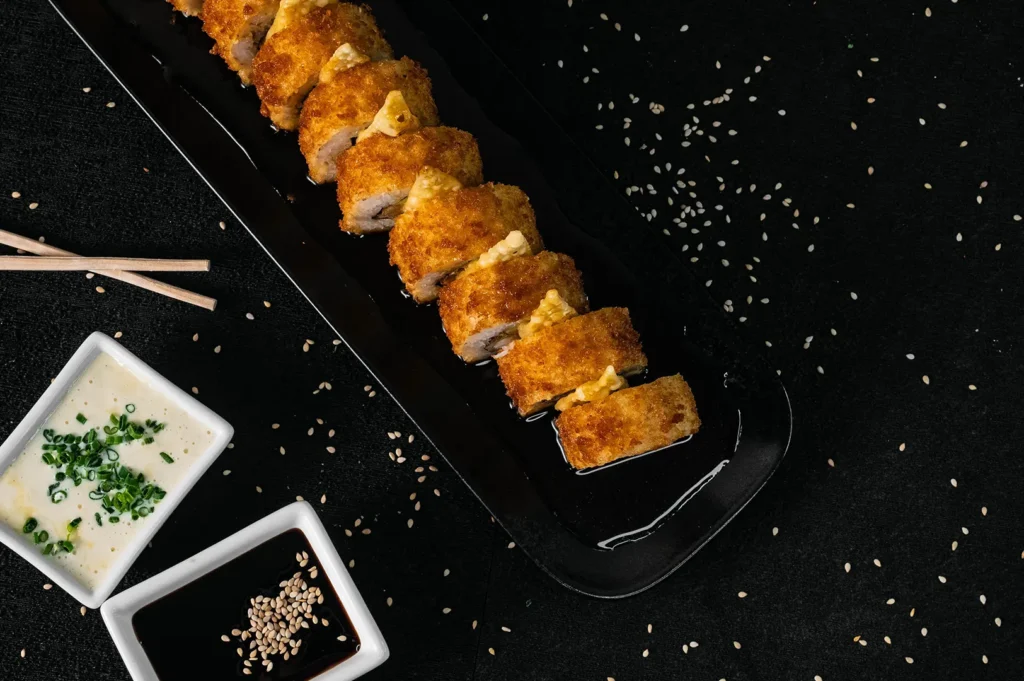
Many good dishes underperform visually because their texture disappears in the photo.
Fried food can look soggy instead of crisp. Soup can look like plain liquid instead of something rich and comforting. Pasta can look heavy and clumped. Salad can look tired. Pastry can look dense instead of flaky. Rice can look like a single block instead of individual grains.
When this happens, the dish loses its strongest selling point.
A restaurant owner may know that the fried chicken is crunchy, the broth is rich, and the vegetables are fresh. But if the photo does not communicate that, the customer will not feel it. The photo becomes accurate in subject, but weak in appetite.
This is why “just take a photo of the dish” is rarely enough. The image has to show what makes the dish good. If texture is central to the dish, and the texture does not read, the photo is doing only half the job.
Texture In Food Photos Across Menus, Delivery Apps, And Social Media
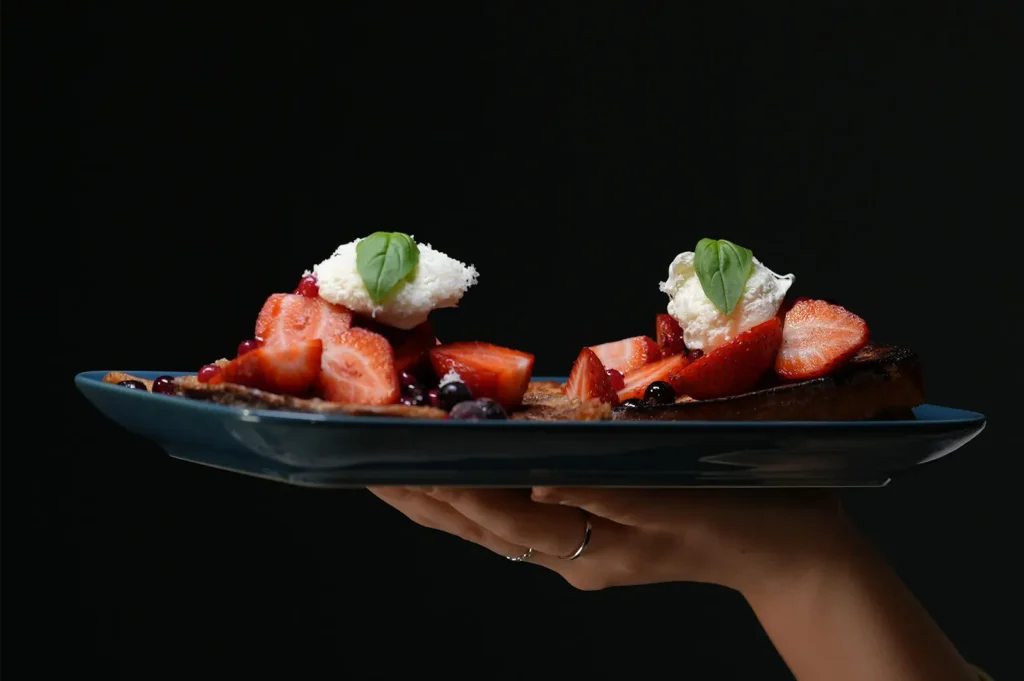
Texture works differently across platforms.
On menus, texture should support clarity. Customers need to understand what the dish is, what comes with it, and why it looks appetising. The texture should help the dish feel recognisable and worth ordering.
On delivery apps, texture has to survive the thumbnail. Small images punish visual clutter. A clear texture cue, such as crisp edges, separated toppings, or a glossy sauce, can help a dish stand out quickly.
On social media, texture can become the hook. A close crop of flaky pastry, a spoon cutting through soft cake, or a rich broth surface can make someone pause. The image does not always need to explain the full dish immediately. It needs to create desire.
On websites, texture helps communicate brand quality. A bakery, ramen shop, grill concept, dessert brand, or modern café can use texture to show craft, care, and consistency.
For F&B brands that want a wider framework on how texture, lighting, angles, styling, and editing work together, our guide to texture in photography for food brands breaks down the full visual system.
The Difference Between Real Texture And Over-Styled Texture
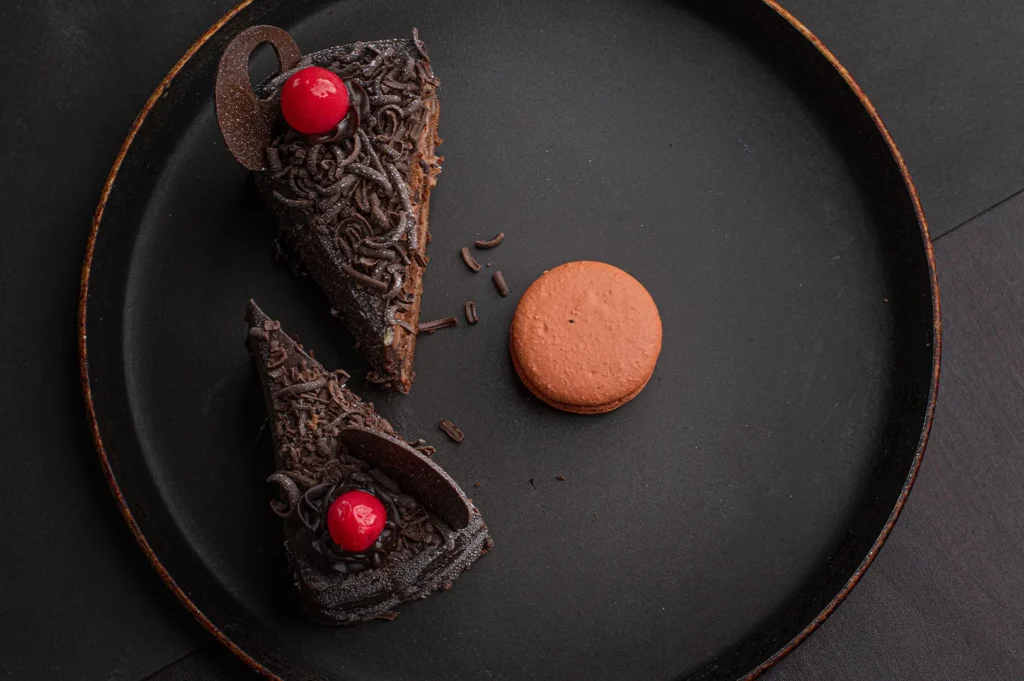
There is a difference between making texture clear and making food look unrealistic.
Real texture builds trust. Over-styled texture can damage it.
A little gloss on roasted meat can make it look juicy. Too much gloss can make it look greasy or fake. A burger should show layers, but if it is stacked far beyond what customers receive, the photo becomes misleading. A sauce should look rich, but not flooded just to create shine. Fried food should look crisp, not artificially perfect.
The best food texture photography makes food look like itself, only clearer and more appetising.
This matters because customers are not only buying the photo. They are buying the expectation the photo creates. If the actual dish cannot match that expectation, the photo may win the first order but lose trust after that.
For long-term brand building, honest appetite is better than fake perfection.
What F&B Brands Should Take Away
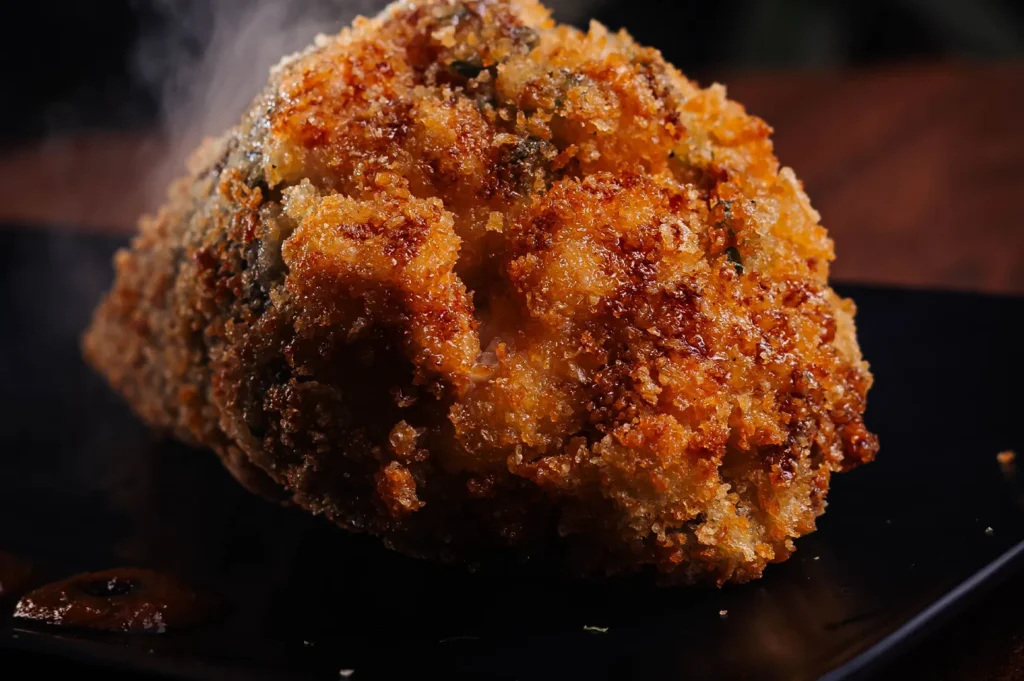
Texture is not a small visual detail. It is one of the main ways customers understand food before tasting it.
For restaurants, cafés, bakeries, hawker brands, and delivery concepts, texture should be considered when planning food photography. Not because every photo needs to be dramatic, but because every photo needs to answer a basic customer question: does this look worth eating?
Better texture cues can improve appetite, trust, and perceived value. They can make a dish feel warmer, fresher, richer, crispier, softer, or more satisfying without relying on heavy editing or excessive styling.
Food Photographer Studio approaches food photography with this in mind: the image should not only show the dish, but help customers feel why it is worth ordering.
Before Taste, There Is Texture
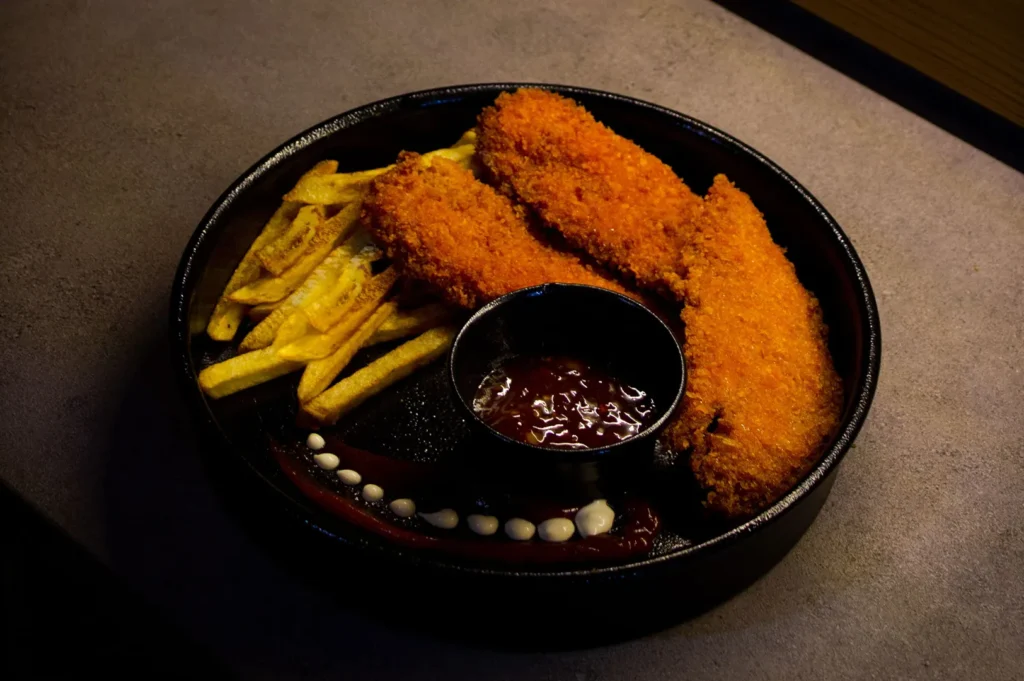
Before a customer tastes anything, they have already made a judgement based on what the food seems to feel like.
Crisp, soft, fresh, rich, flaky, juicy, dry, heavy, light, warm, or tired. These impressions happen before the first bite. They shape appetite before flavour has a chance to prove itself.
When texture in food photos is handled well, the image does more than look attractive. It creates a feeling. It helps customers imagine the bite. And in food photography, that feeling often decides whether someone keeps scrolling or places the order.


