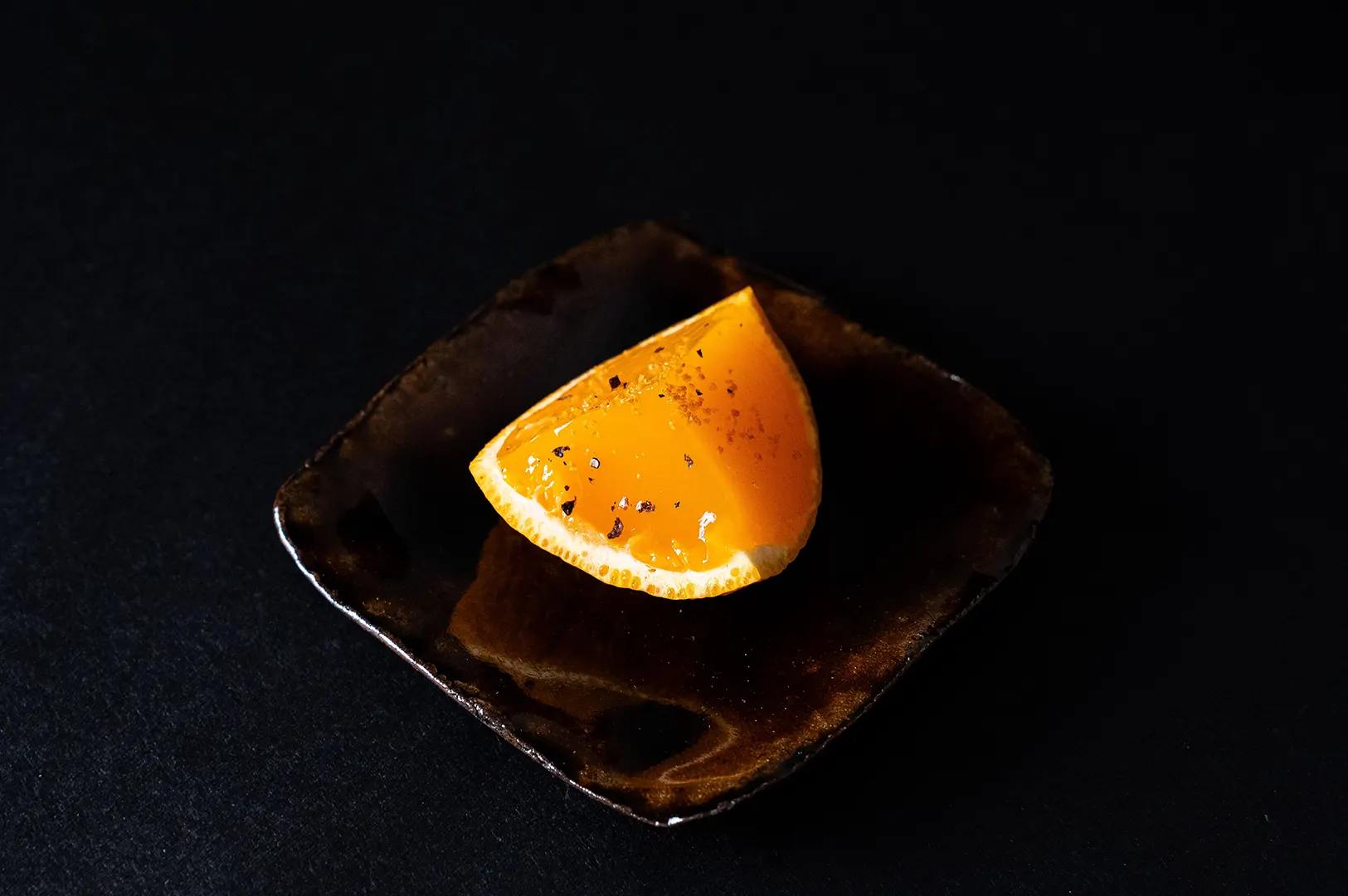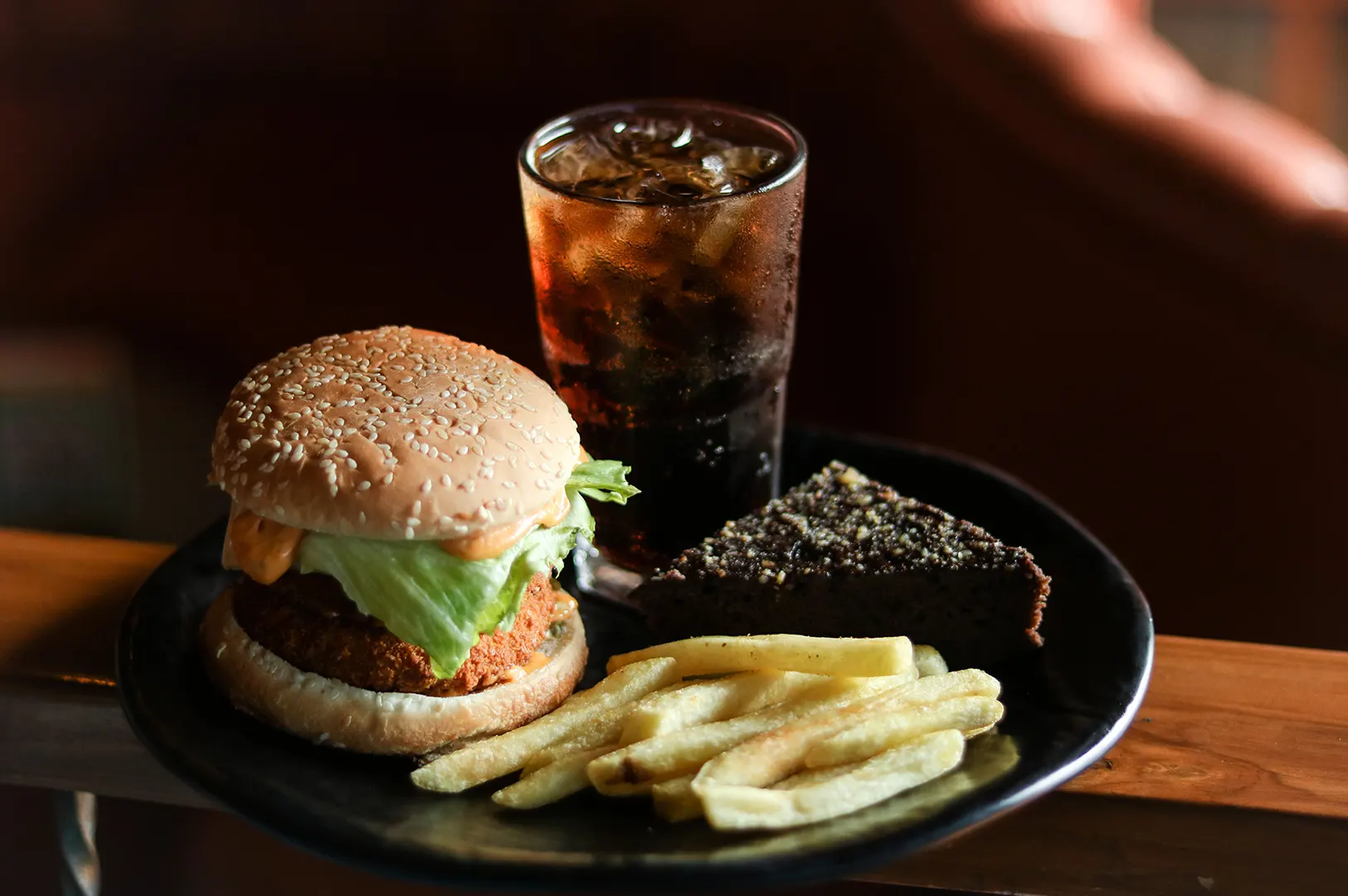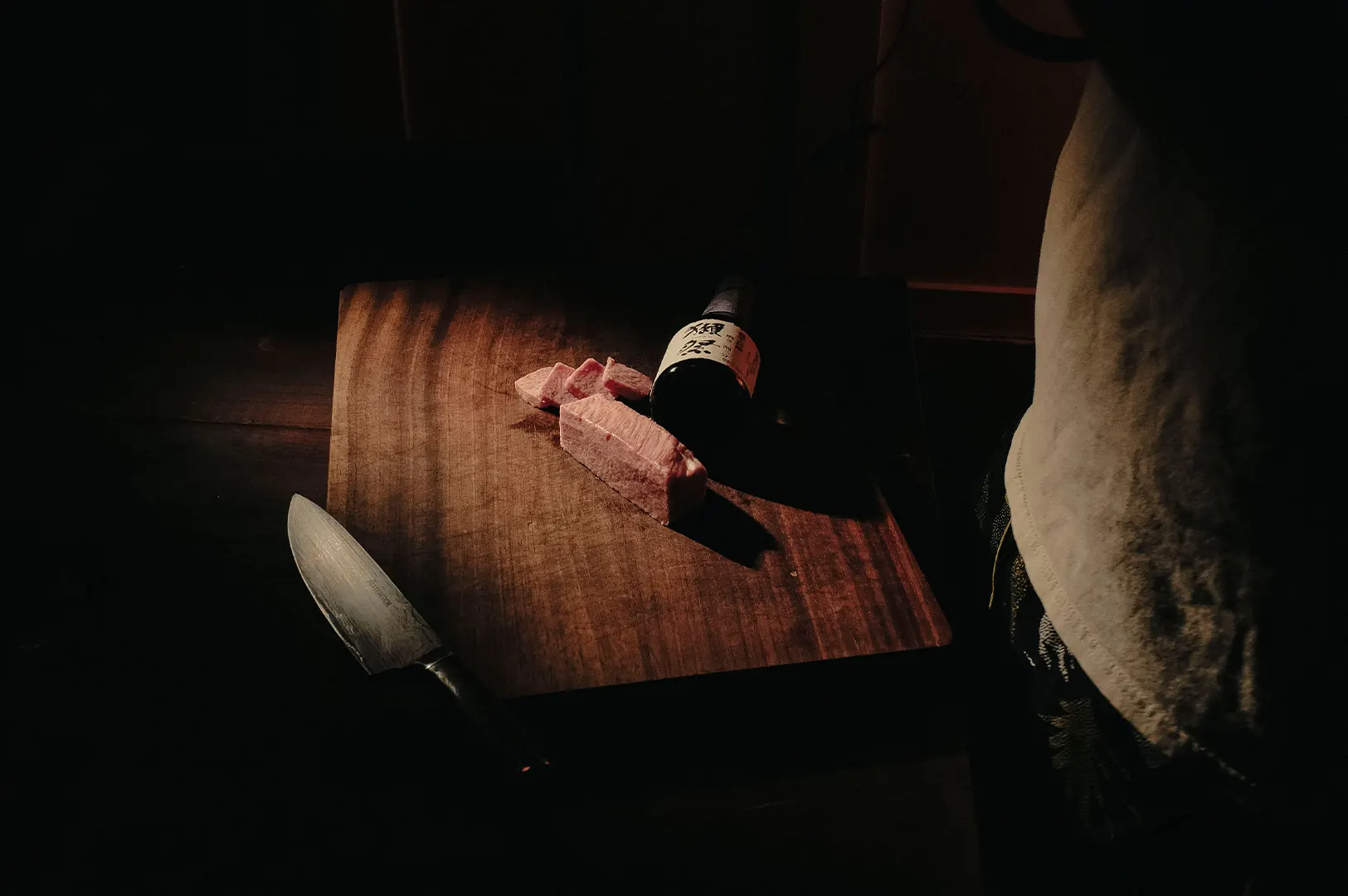
Some food keeps its best part hidden.
A bao can look like a smooth white bun. A sandwich can hide three layers of filling behind two slices of bread. A curry puff may give no clue whether the inside is packed with potato, chicken or mostly air.
We have reached this point on shoots many times: the whole item looks neat, but the photograph is not explaining why someone should want it.
Then comes the question: do we cut it open?
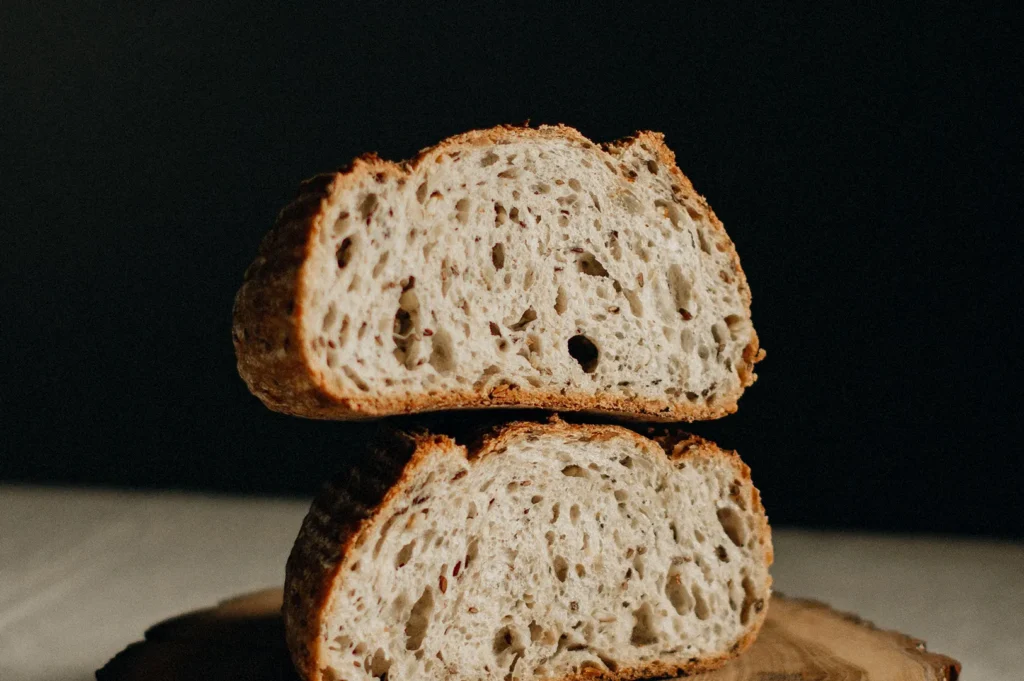
A cross-section is useful when the inside helps the customer understand the food. It is not automatically the better photograph.
Ask What the Customer Cannot See
Before taking a knife to anything, we look at what the exterior already communicates.
A croissant may already show beautiful layers from the outside. A dumpling may be recognisable by its pleats and shape. Cutting either one badly can destroy the feature that made it attractive.
But a stuffed bun, sandwich, burrito or filled pastry often benefits from showing what is inside.
Uber Eats’ restaurant photography guidance specifically recommends cutting burgers, sandwiches, wraps and similar items when it helps customers see the filling.
If the description says smoked chicken, pickled cabbage and chilli mayo, we want the photograph to give those words something visible to attach to.
Photograph the Whole Version First
We almost never begin with the cut.
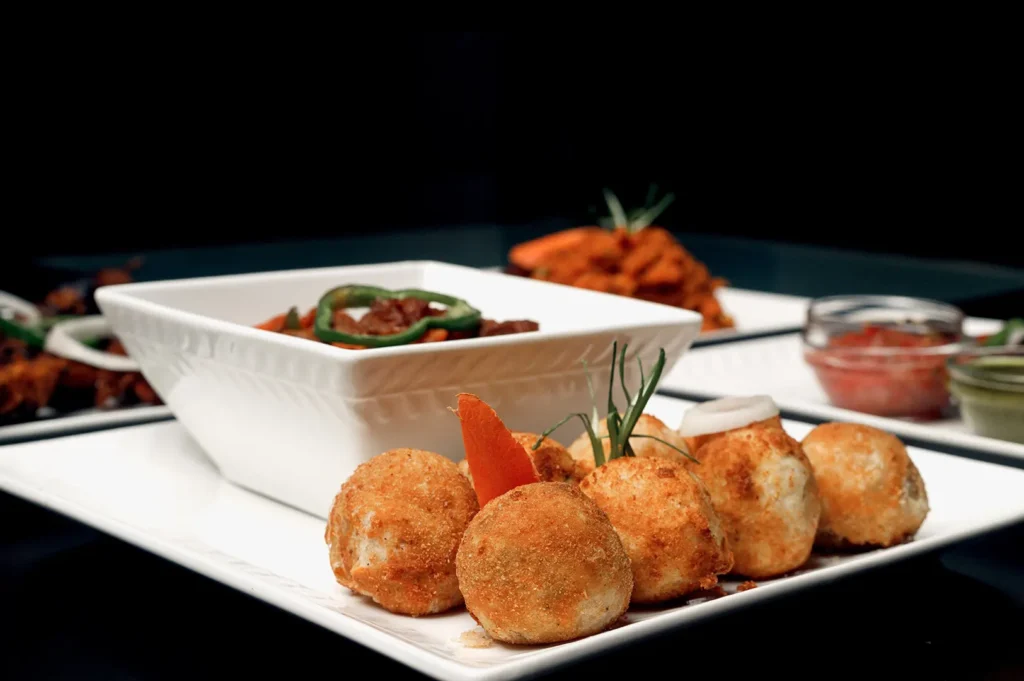
Once you slice a soft bun, pierce a dumpling or break open a pastry, you cannot put it back together properly. So we photograph the whole item first while the surface is clean and the shape is intact.
Then we cut a second portion if possible.
This sounds wasteful until you watch someone try to rebuild a sandwich after the filling has slid onto the board.
Our camera-angle guide for menu dishes is useful here too, because a cross-section may need a lower angle than the whole dish to make the layers readable.
Make the Cut Look Like Food, Not a Diagram
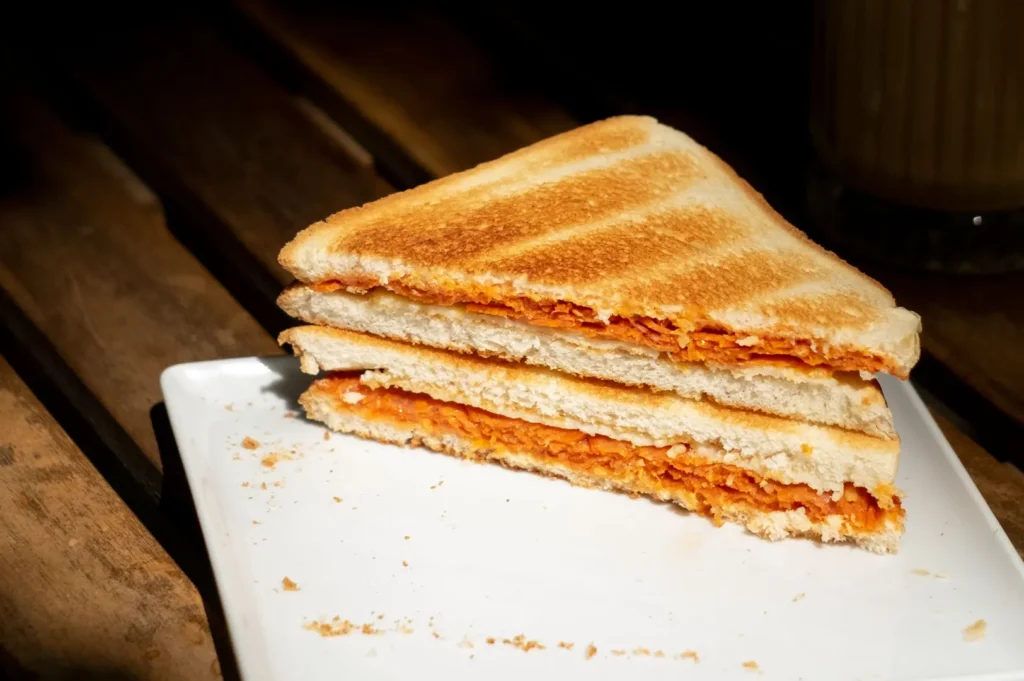
There is a point where a cross-section becomes too perfect.
We have seen sandwiches pressed until every layer forms a straight line and pastries filled after cutting so the centre looks unnaturally packed.
We aim for a clean cut, then leave enough natural texture behind.
Crumbs are fine. Sauce can reach the edge. A dumpling filling does not need to sit like a polished gemstone in the centre.
The inside should look generous and fresh, but still believable.
Adobe’s guidance on macro food photography notes how tonal, colour and textural contrast can create separation and depth in close-up food images.
If you want to go tighter, our own guide to macro photography composition explains how close-up framing can highlight texture without losing control of the image.
Watch What Happens After the Cut
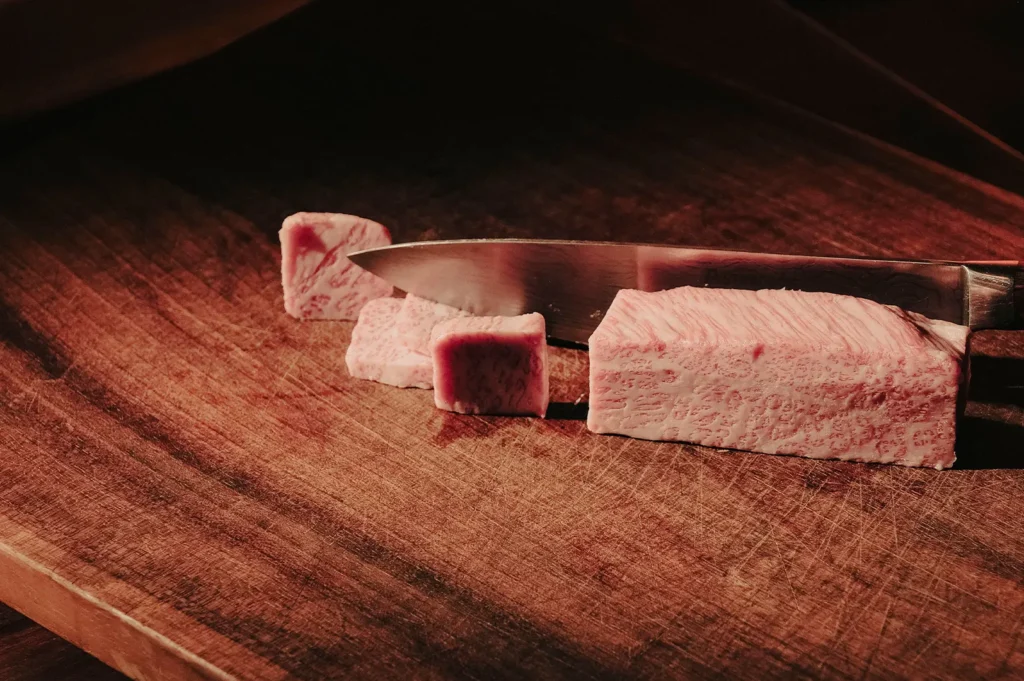
Food changes quickly once opened.
Steam escapes. Cheese firms up. Sauces soak into bread. Fried shells soften where the filling touches them.
We set the light and camera before making the final cut whenever possible. Then the photographer, stylist and kitchen need to move together.
For a Singapore food photography specialist, this is less about fancy technique than timing. If we know the shot requires a cross-section, we plan for that moment instead of deciding after the food has been sitting for fifteen minutes.
Sometimes Mystery Is Better
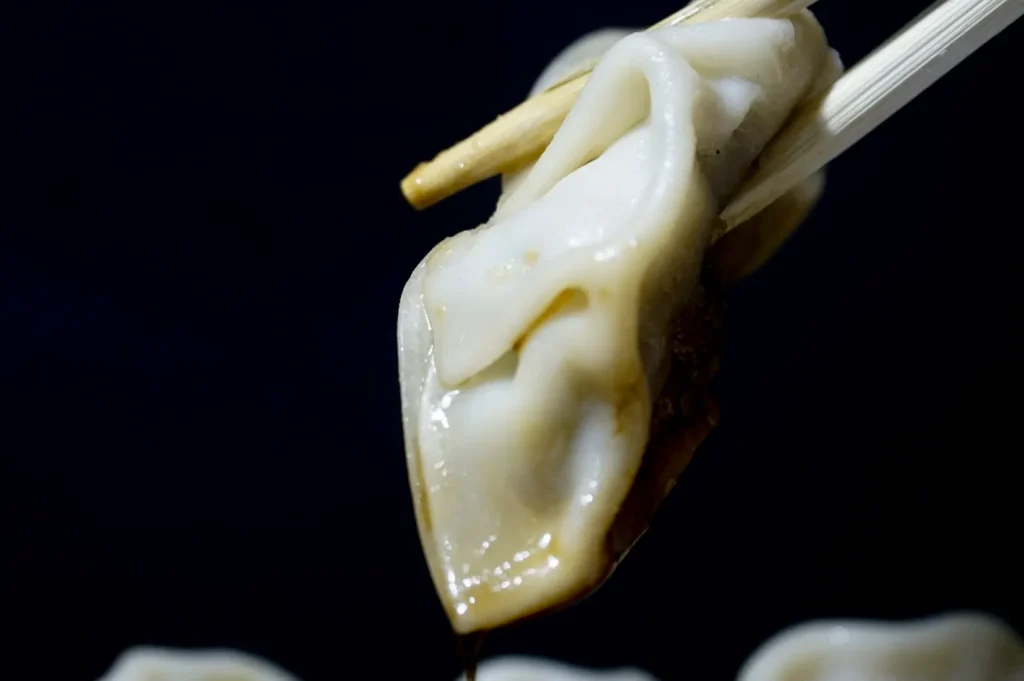
Not every filling needs to be exposed.
A xiao long bao does not have to be sliced open to prove there is soup inside. Sometimes a serving moment, spoon or second detail photograph tells the story more naturally.
Cut food open when the inside answers a useful question. Leave it whole when the outside already tells the stronger story.
The best choice is not the one that reveals the most. It is the one that makes the dish easiest to understand and hardest to misrepresent.