A lot of Singapore restaurants look best at night. Warm ambience, intimate lighting, candles, bar glow. The problem is the camera does not love that environment as much as your customers do.
Low light photos tend to suffer in three ways:
- noise when you brighten shadows
- grey food tones when colour shifts
- mushy texture when sharpening goes wrong
This article explains how to edit low light food photos without breaking them. If you want the full editing sequence first, refer to our step-by-step editing routine for F&B owners in Singapore. This is the low light chapter that most teams need.
Step 1: Fix White Balance Before You Touch Exposure
Low light images often look too warm, too green, or both. Correct white balance early so you do not brighten a colour cast.
Use neutral references if you have them:
- a plate edge
- rice
- a napkin
- a white menu card
If you do not, aim for “believable” rather than perfect. Food should feel warm, but not orange.
Step 2: Brighten Carefully, Then Pull Highlights Back
Low light photos usually need exposure lift. The mistake is lifting too far too fast.
A safer approach:
- raise exposure slightly
- lift shadows modestly
- pull down highlights to protect plate detail and glossy sauce
If the image starts looking flat, stop and accept a slightly moodier photo. Night dining is allowed to look like night dining.
Step 3: Reduce Noise Before You Sharpen
Noise reduction and sharpening fight each other. If you sharpen first, you sharpen the noise.
If your editing app allows it:
- apply light noise reduction
- then apply gentle sharpening at the end
Do not chase perfect smoothness. Food needs texture. Your goal is “clean enough” without plastic skin.
Step 4: Use Colour Adjustments To Bring Food Back To Life
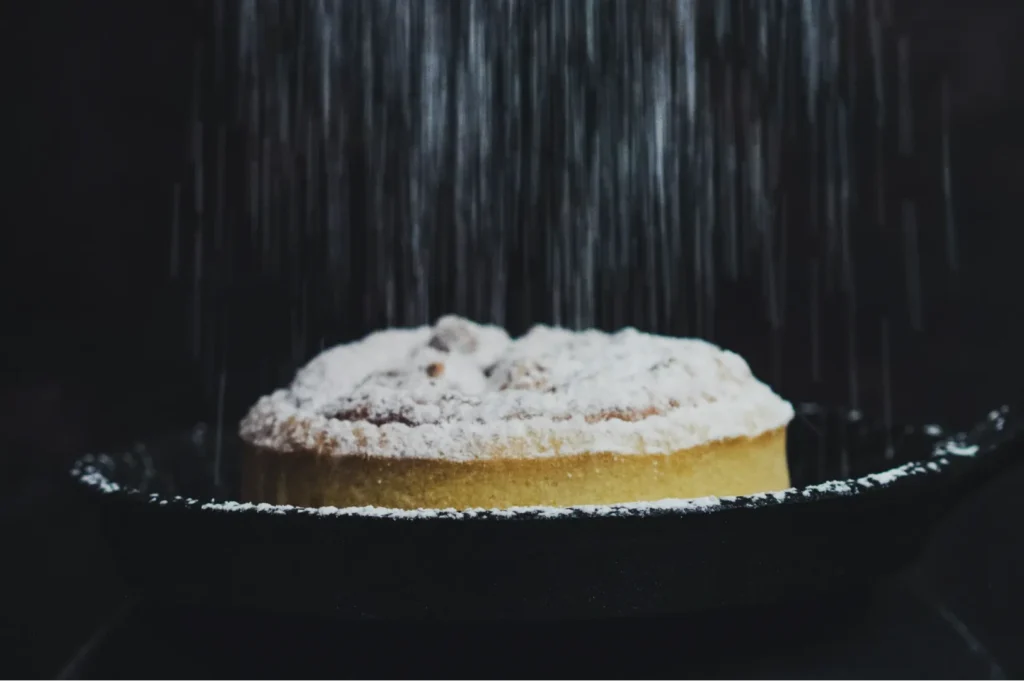
Low light can desaturate food in strange ways. Instead of boosting saturation for everything, target what matters:
- lift vibrance slightly
- bring greens back gently
- keep reds controlled so they do not bleed
If meat looks grey, it is usually a white balance issue, not a saturation issue.
Step 5: Keep The Background Dark, Keep The Dish Readable
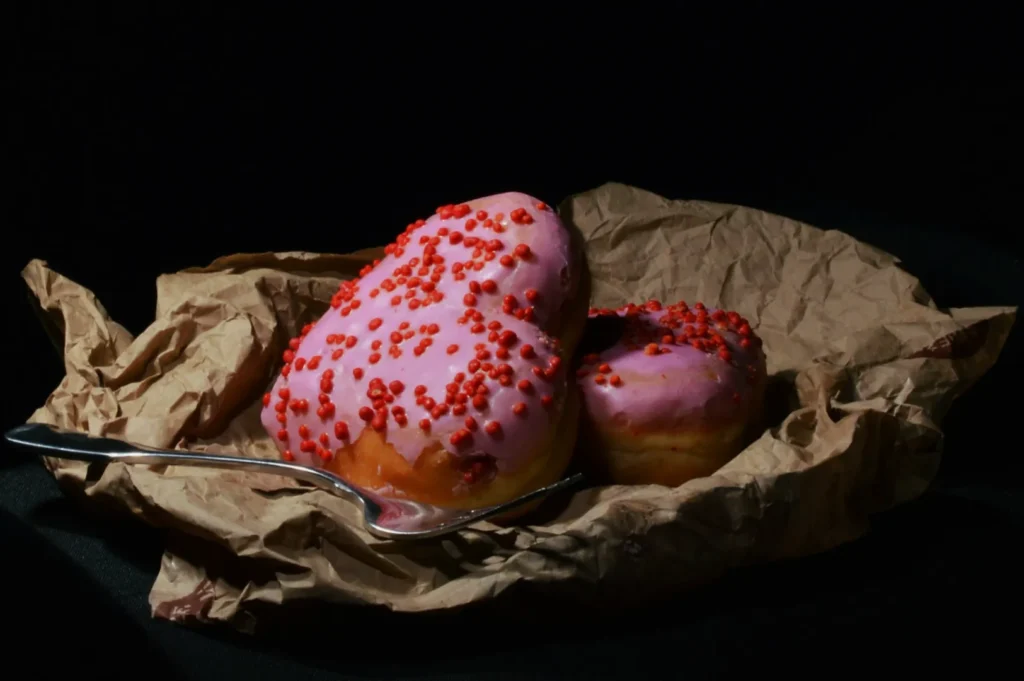
In low light settings, background darkness can be an asset. It creates mood and directs attention. The dish should still be readable, but you do not need to brighten the whole room.
This is where professional editing is often more about restraint than power.
If you are consistently shooting dark venues and need photos that still feel premium and appetising, this is also the kind of work we do often at Food Photographer Studio. The goal is not to “turn night into day”. The goal is to make night look delicious.
Low Light Editing Is A Balancing Act, Not A Rescue Mission
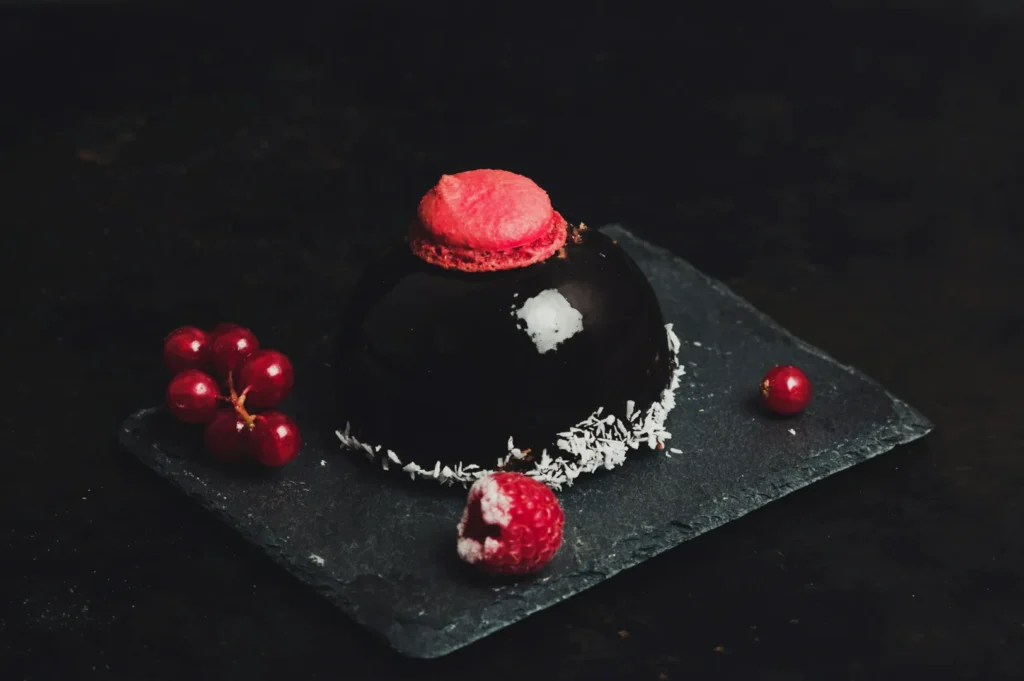
Low light photos can look incredible when you stop fighting the environment. Fix colour first, brighten with restraint, reduce noise before sharpening, and let mood exist.
Use the pillar workflow for your base process, then apply these low light rules when you are editing night service content or candlelit dining shots.
SEO Data