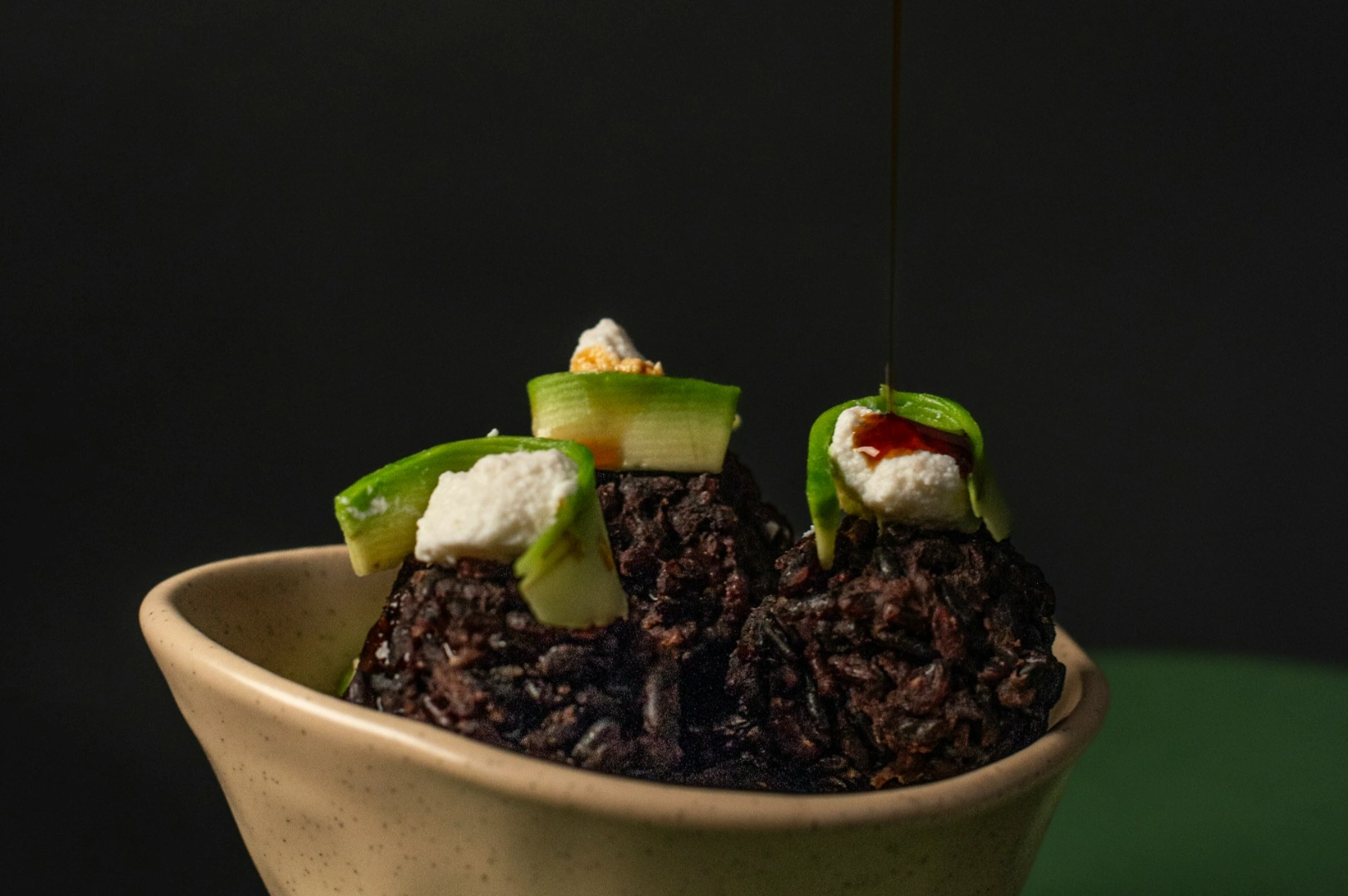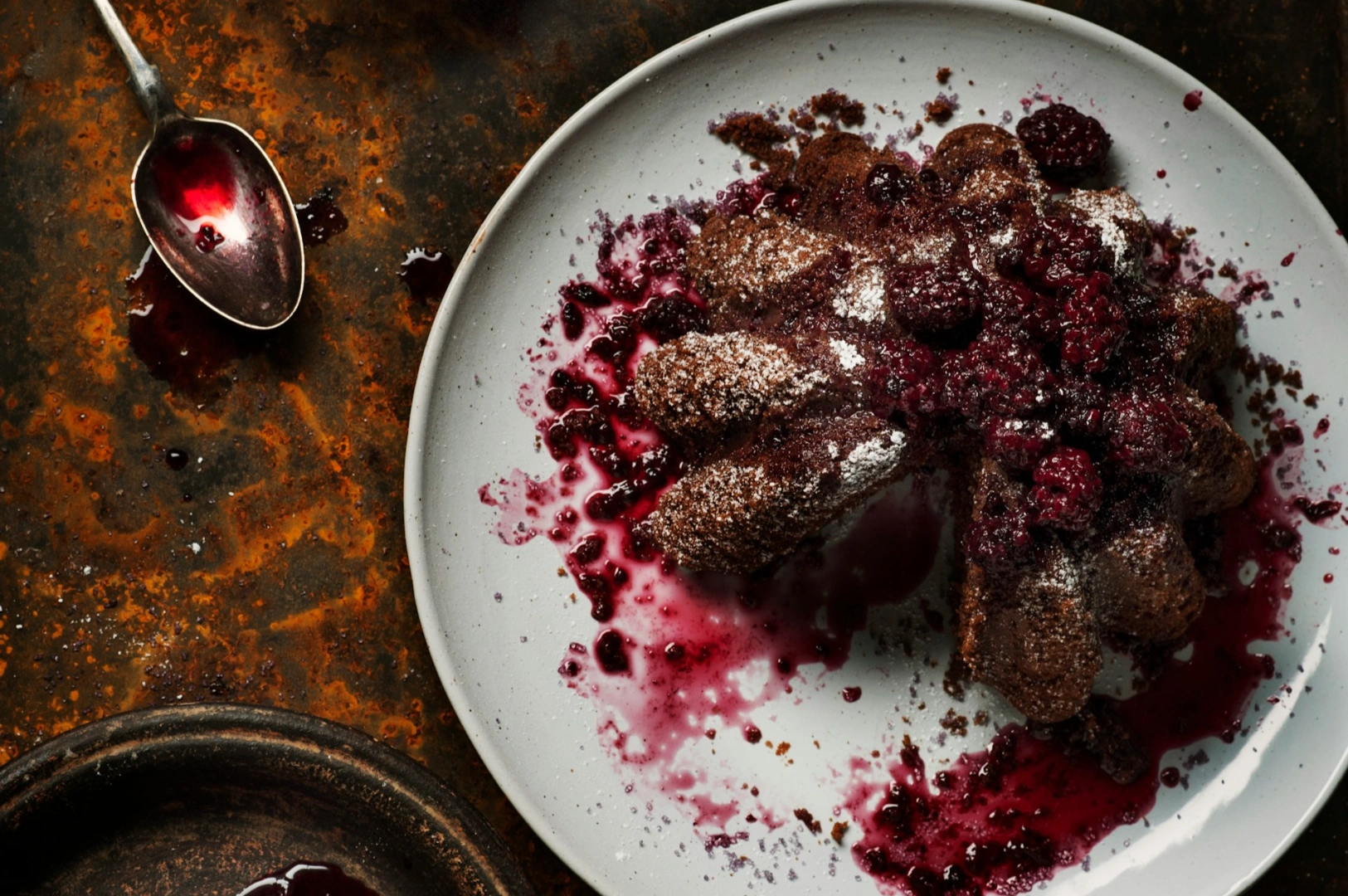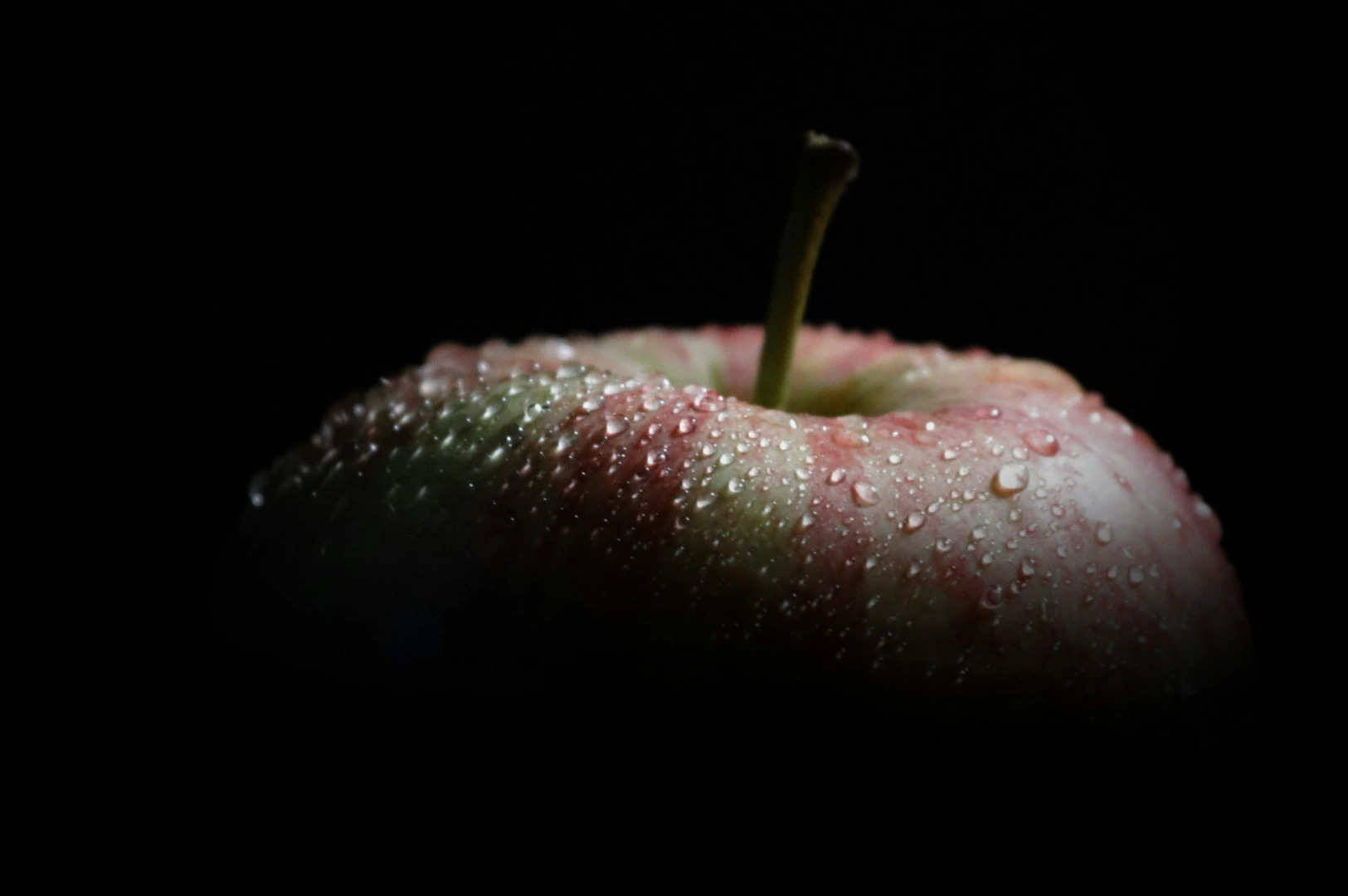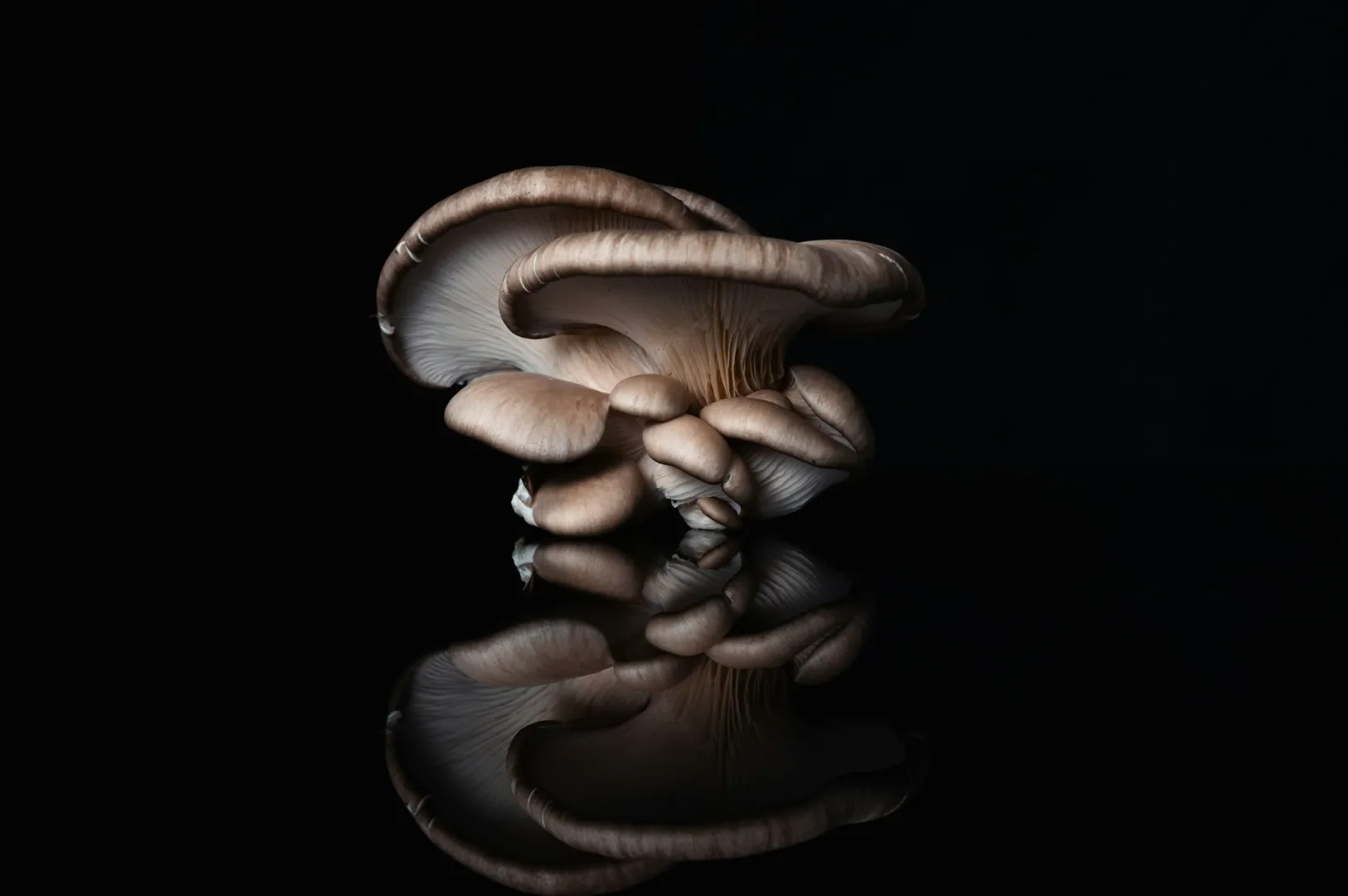
In Singapore’s vibrant and competitive F&B scene, your food’s visual appeal is just as important as the taste. Whether you run a cozy café in Tiong Bahru or a bustling restaurant in the CBD, food styling and food photography are critical tools for attracting customers who first experience your dishes through their screens. Food bloggers, delivery apps, and social media platforms all rely on amazing food photos to make the first impression; one that can turn a potential customer into a loyal guest.
In this article, we’ll dive deep into the world of food styling and food photography, uncovering helpful tips that both food photographers and food stylists use to create mouth-watering images. You’ll learn about the techniques behind professional food photography, how to style food effectively, and why color theory and texture are your best friends when it comes to crafting beautiful photos that tell a story and drive business.
The Art of Food Styling: Making Food Look Its Best
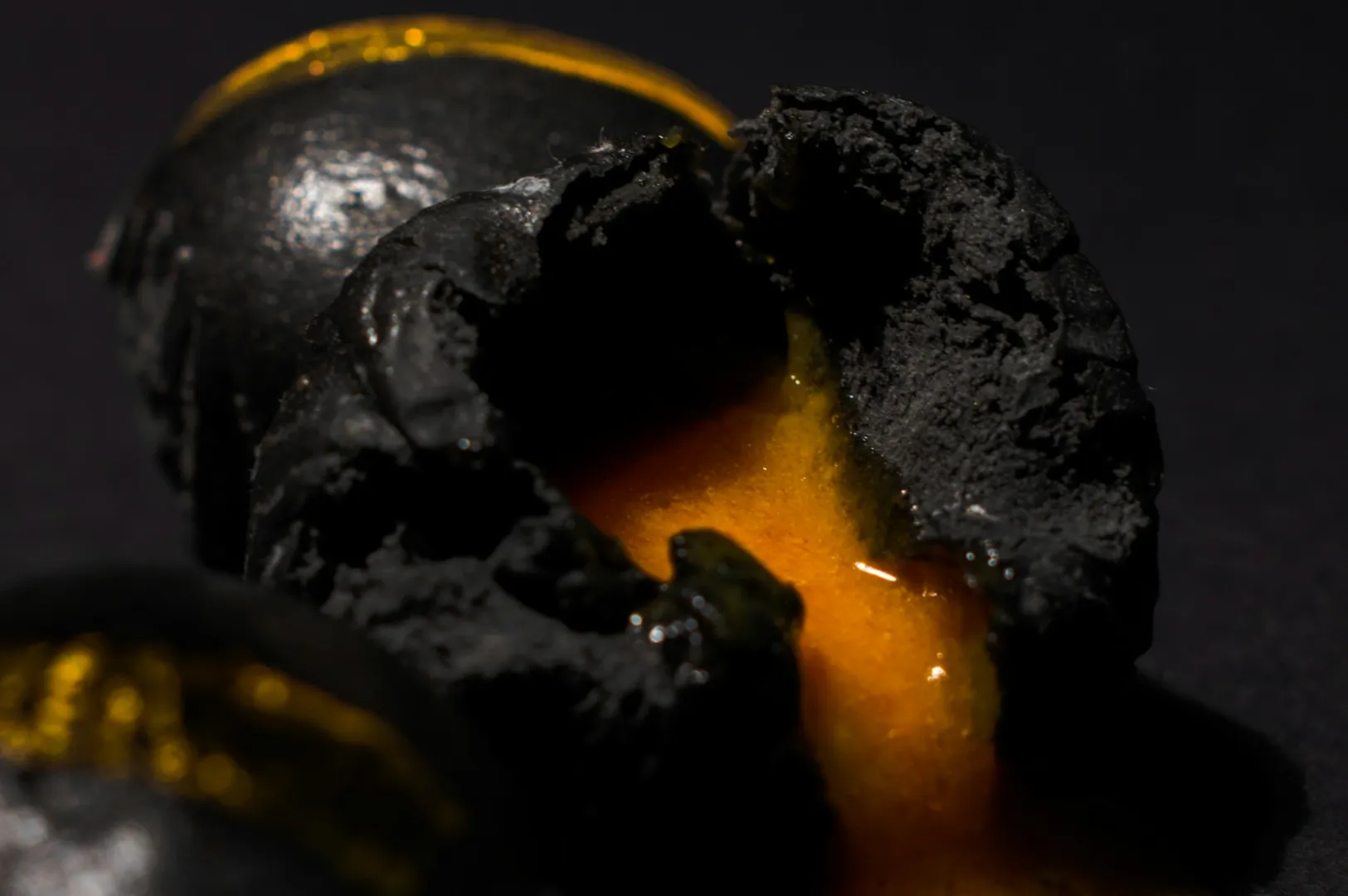
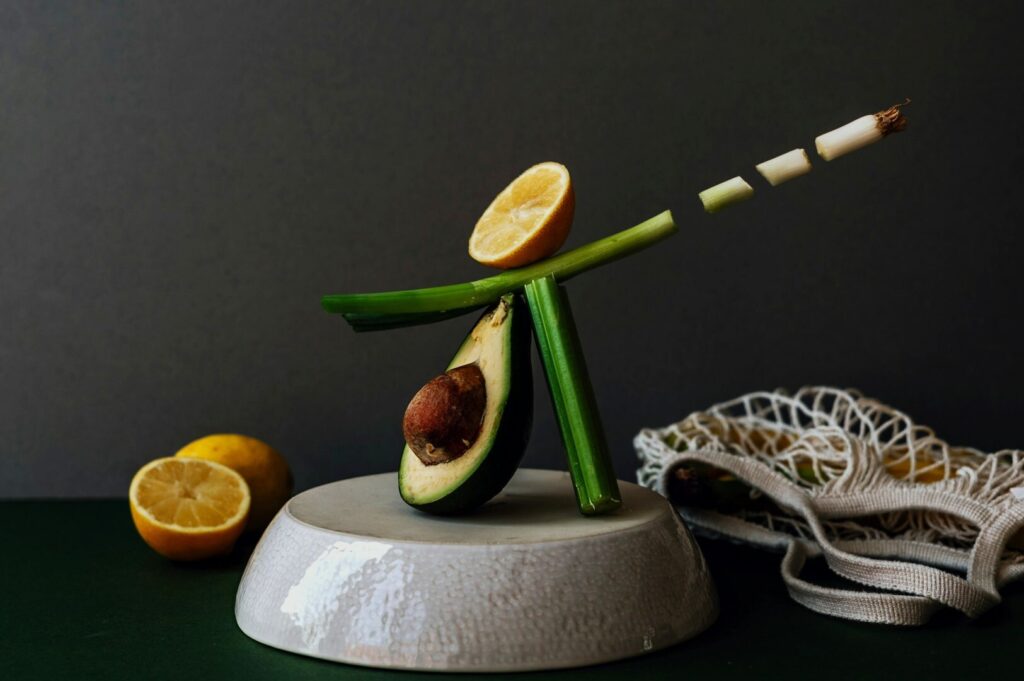
When you think about food styling, it’s easy to assume it’s just about styling food to look pretty. But it’s more than that. Food styling is a carefully crafted art that brings out the best in each dish, highlighting its texture, color, and flavor in a way that gets the viewer’s attention immediately.
Whether you’re a full-time food stylist or a chef looking to boost your food photography skills, the goal is to make each dish look irresistible. A commercial food photographer and a food stylist work closely together to achieve final images that grab attention, evoke hunger, and most importantly, align with your restaurant’s brand identity.
Here’s a closer look at the role of a food stylist:
Food stylists work with props, ingredients, and techniques to make every shot look appealing, even when it means slightly adjusting a dish to fit a visual story. For example, they might lift noodles to make them more visible or use cold water to keep fruits fresh during a food shoot.
They know how to style food that doesn’t just look good on a plate but also creates an image that communicates the experience a customer will have when they actually eat it.
When you’re making food for photography, think of it as the last step before bringing your dish to life. The style needs to enhance texture, depth, and flavor to make sure it translates visually.
The Power of Color Theory in Food Photography
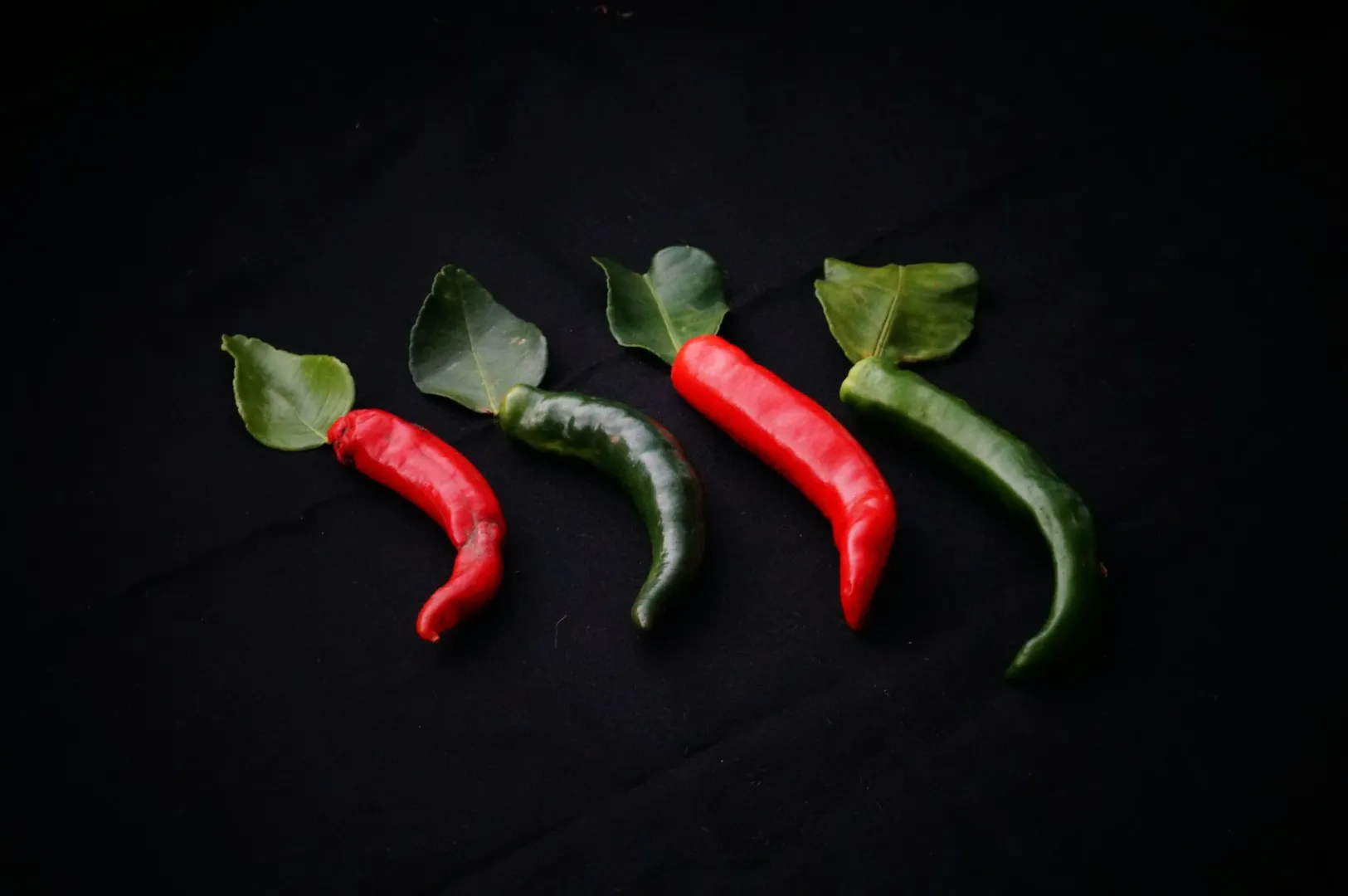
One of the most important elements in food styling is color theory. Colors play a massive role in evoking emotions and influencing perceptions. When styling food for food photography, it’s essential to consider how colors interact on camera.
For example, warm colors like reds, yellows, and oranges evoke warmth and appetite, making them great for dishes like chili crab, fried rice, and spicy curries. Cool colors like greens and blues are refreshing and suit lighter dishes like salads, seafood, or refreshing drinks.
Incorporating color theory into your photos can make your dishes stand out:
Use contrasting backgrounds, such as a white plate with vibrant green herbs, to make the food pop.
Play with natural light to enhance the food’s natural hues and textures. For instance, window light creates softer tones that bring out the freshness of your ingredients.
Experiment with different shapes of plates and props that complement the dish’s colors to create additional layers of contrast and visual appeal.
When you understand color theory and apply it effectively, your food doesn’t just look good. It looks delicious, and most importantly, it tells a story about the experience diners will have at your restaurant.
Different Shapes, Different Dishes: How to Frame Your Food Photos
Framing your food is just as important as styling it. A well-framed dish directs the viewer’s attention to the right parts of the plate and lets the food “breathe” in the shot. When planning a food photography session, the camera angle and composition are essential in telling a compelling story.
Overhead Shots and 45° Angles
Overhead shots are perfect for dishes that feature multiple ingredients, such as salads, sharing plates, or open-faced sandwiches. This angle helps capture all the elements in one clean shot, making the dish look full and abundant.
45° angles are ideal for foods that have height or layers, such as burgers, drinks, and towers of desserts. They highlight the texture and depth of the dish, giving the viewer a sense of its layers and texture.
Food photographers use these angles all the time to showcase dishes in the best possible light. The camera angle plays a key role in how customers will perceive your food in photos and can even make a huge difference in whether they decide to order or not.
The Importance of Props in Food Photography
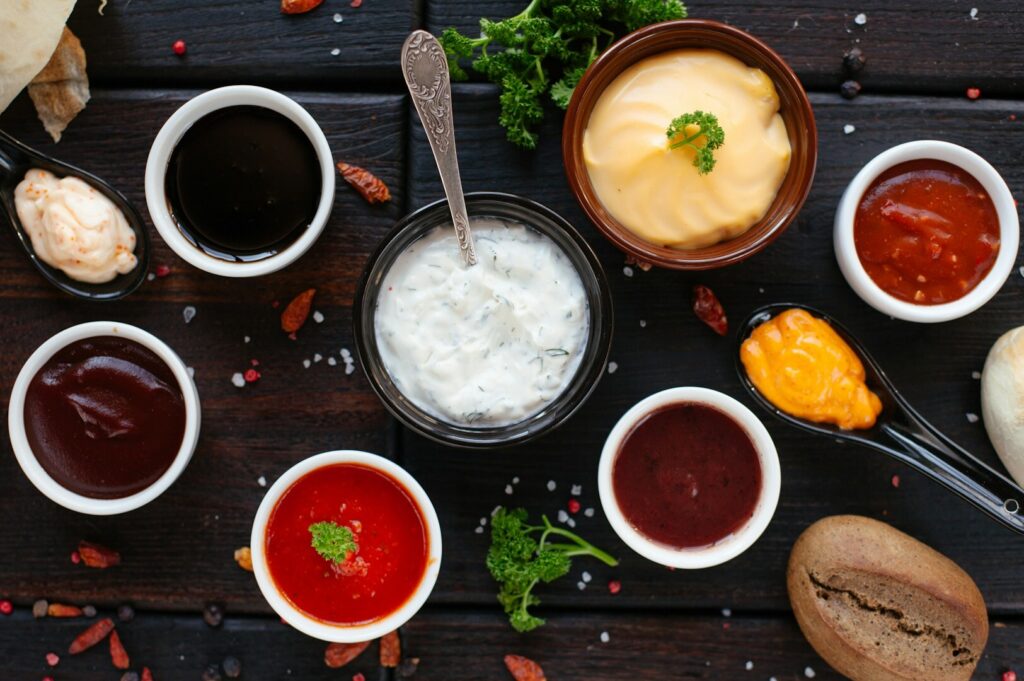
Props are crucial in food styling and can add an extra layer to your food photography that helps tell a richer story about your restaurant or brand. They can enhance the narrative of the dish and contribute to the aesthetic of the final shot.
Simple props like a wooden board, towel, or a glass of juice can elevate the dish by framing it without distracting from the food itself.
Herbs, spices, and condiments are not just for flavor; they also add texture and color contrast in the background or around the plate. The right props can make your dish feel more authentic and appetising.
It’s important to balance the props with the dish to avoid cluttering the image. When styling food, make sure each element is thoughtfully selected to complement the dish without stealing the focus.
Practical Food Styling Tips to Elevate Your Photos
Even if you’re a food blogger or just starting with food photography, there are several helpful tips you can apply to improve your food photos. Here’s how you can get started:
Use the right amount of light
Always ensure there’s enough light to capture the dish clearly. If you’re using artificial light, position it to the side to avoid harsh shadows.Consider texture and freshness
When making food for a shoot, make sure it’s fresh. Mist herbs with a spray bottle or keep fruits in cold water to prevent wilting or browning.Pay attention to the plate
Choose plates that highlight the dish. Smaller plates can make portions look more generous, while larger plates can make dishes seem sparse. Keep props minimal to maintain focus.Layer the shot
Add additional layers like a folded napkin, drink, or cutlery in the background to create more depth in the shot. This enhances the composition and gives the image more flow.Shoot from different angles
Food stylists often recommend shooting from a bunch of different angles before deciding on the final image. Use 45-degree angles, straight-on shots, and close-ups to get various perspectives.Style with purpose
Every item on the plate should serve a purpose. Reposition garnishes to face the camera, add sauces only where they enhance texture, and ensure everything is placed with care.Want to take your food images to the next level? Learn more about effective food photography techniques by reading our food photography article tailored for Singapore’s F&B businesses.
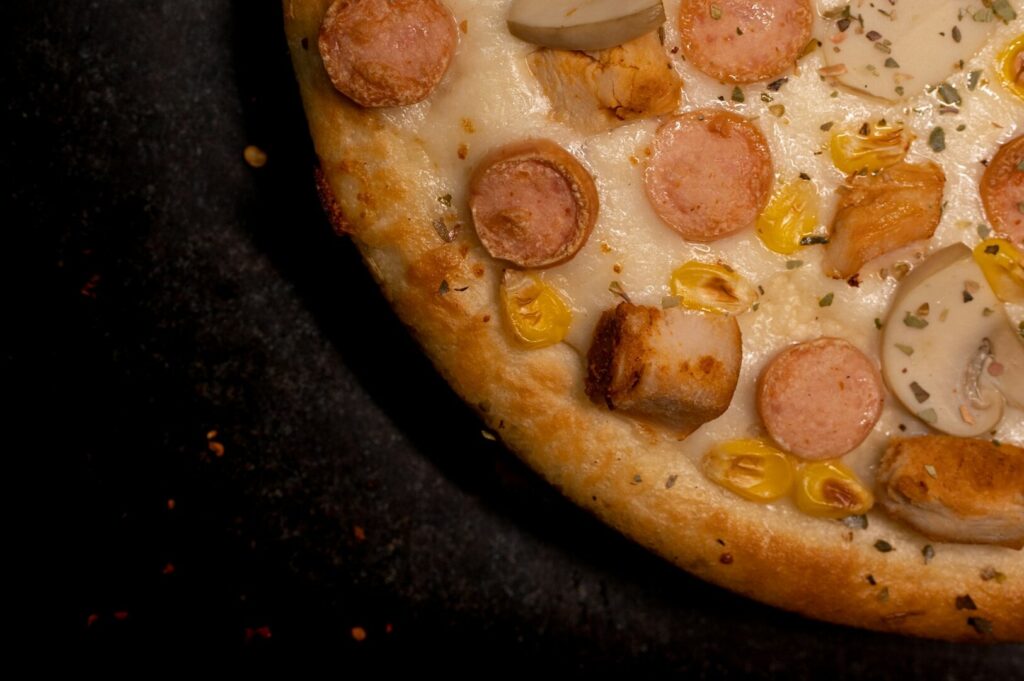
Bringing It All Together: Why Food Styling and Photography Matter
Effective food styling and food photography are no longer optional in Singapore’s fast-moving F&B world; they’re essential for driving business growth. Professionally styled and photographed food doesn’t just look good; it builds trust with potential customers, creates an emotional connection, and convinces people to eat with their eyes before they even taste the food.
When done right, food styling tips and food photography can increase click-through rates, boost orders, and help your business build a visually consistent, professional image across all platforms. Whether it’s for a menu, a great post on Instagram, or a commercial food photographer campaign, these visual assets serve as your first introduction to the world and they can make or break a sale.
Conclusion: Transform Your Food with Professional Photography
Food styling and photography aren’t just about making dishes look pretty. They’re about making your food irresistible and creating final images that tell the story of your restaurant. Whether you’re working with a full-time food stylist or learning to style food in-house, food photography can transform the way people perceive and engage with your brand.
Ready to take your food’s visual appeal to the next level? Food photography is your key to success. Visit Food Photographer Studio to see how our expert team can help you create delicious, mouth-watering food images that attract more customers and boost your restaurant business.