
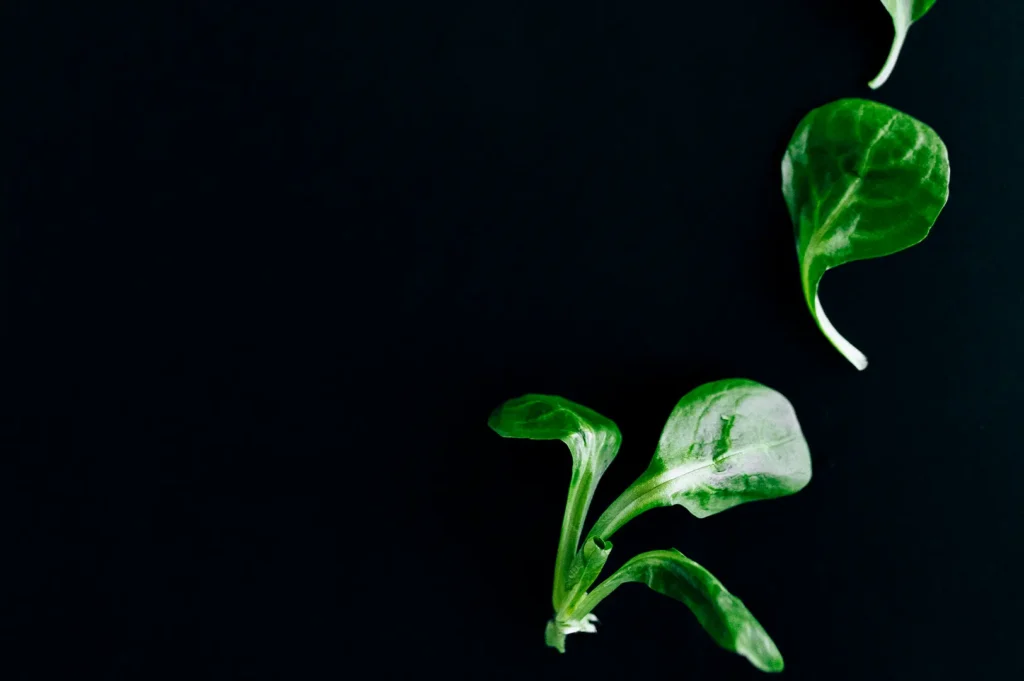
Fresh ingredients are some of the most powerful details in food photography, but also some of the easiest to ruin.
A few basil leaves can make pasta feel brighter. Cucumber can make chicken rice feel cleaner. Lime can wake up nasi lemak, grilled dishes, or noodles. Fruit can make cakes, tarts, drinks, and desserts feel lighter and more inviting. Spring onion, coriander, chilli, tomato slices, lettuce, mint, and salad greens all do more than add colour. They tell customers that the dish is fresh, balanced, and alive.
But the camera is not kind to tired produce. It picks up wilt, bruising, dryness, soggy edges, and limp texture quickly.
That is why fresh food photography is not only about making greens greener. It is about making freshness feel believable through texture.
Why Freshness Texture Matters More Than Bright Colour
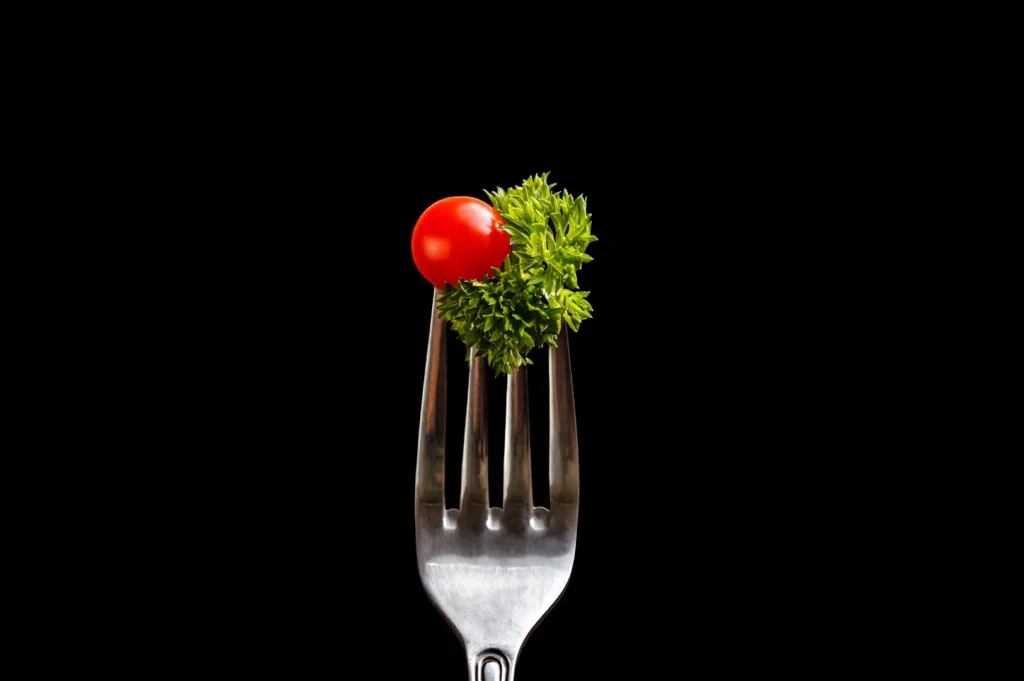
Many food photos try to fix freshness by pushing colour harder. Greens become brighter. Fruit becomes more saturated. Chilli becomes redder. But stronger colour does not always mean fresher food.
In fact, over-saturation can make vegetables and fruit look fake. A leaf that is limp will still look limp, even if it is brighter. A cucumber slice that has gone soft will still feel tired. A dry fruit wedge will not look juicy just because the colour is boosted.
Freshness comes from shape, surface, moisture and edge quality. The viewer needs to see crispness, firmness, lift, and life. These are texture cues. They make fresh ingredients believable.
Colour helps, but texture does the convincing.
Leaf Texture: Crisp Edges, Lift, And Natural Movement
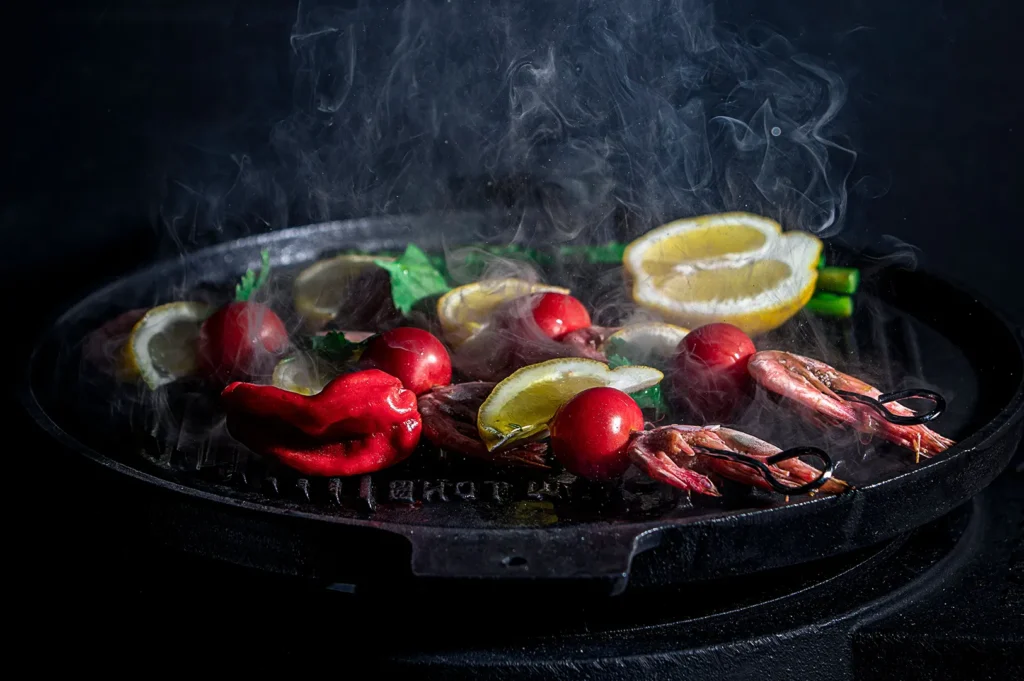
Leafy greens and herbs are small, but they can change the whole mood of a dish.
Lettuce in a burger should have lift, not collapse into the bun. Basil on pasta should look fresh, not dark and bruised. Coriander on soup should sit lightly, not sink into the broth. Mint on desserts or drinks should feel lively. Spring onion should give freshness and shape, not look like leftover garnish.
The key is edge quality. Crisp leaf edges suggest freshness. Wilted, darkened, wet-heavy, or curled leaves make food look older than it is.
Herbs and greens should also show some natural movement. A perfectly flat leaf can feel lifeless. A slight curve, fold, or lift helps the ingredient feel real.
Timing matters. Add herbs late, especially on hot dishes. Residual heat can dull them quickly. What looked fresh in the kitchen may look tired by the time the camera comes out.
Cut Surfaces: Fruit And Vegetables Need Clean, Juicy Edges
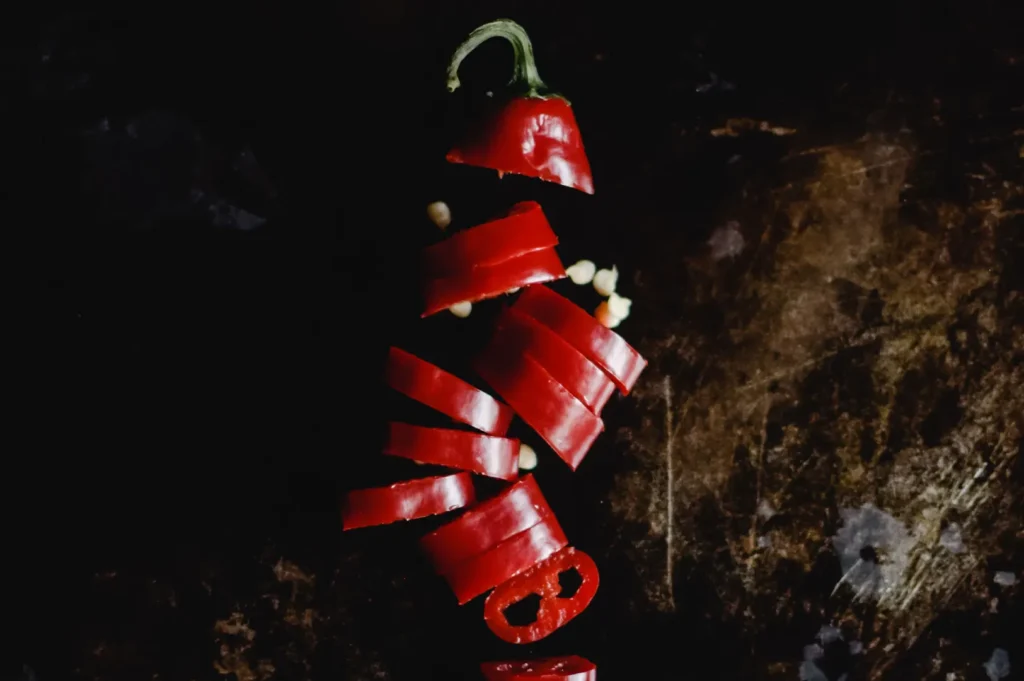
Freshness becomes very obvious once fruit or vegetables are cut.
Lemon and lime wedges should look juicy, not dry. Tomato slices should look firm, not collapsed. Cucumber should look clean and crisp. Strawberries, mango, watermelon, avocado, chilli, and pickles all depend on clean cut surfaces.
A clean edge helps customers imagine freshness and bite. A bruised edge suggests the ingredient has been sitting too long. A dry surface makes fruit feel old. A messy cut can make vegetables feel careless, even when the dish tastes good.
Some ingredients change quickly once cut. Avocado can oxidise. Apple can brown. Fruit can dry at the surface. Tomato can release too much liquid. Chilli and pickles can look flat if they are placed too early.
The best approach is simple: prepare fresh ingredients close to shooting time, choose the best pieces, and let cut surfaces face the camera only when they actually help the dish.
Fresh texture should feel clean, not overly arranged.
Moisture Cues: Fresh, Not Wet And Sloppy
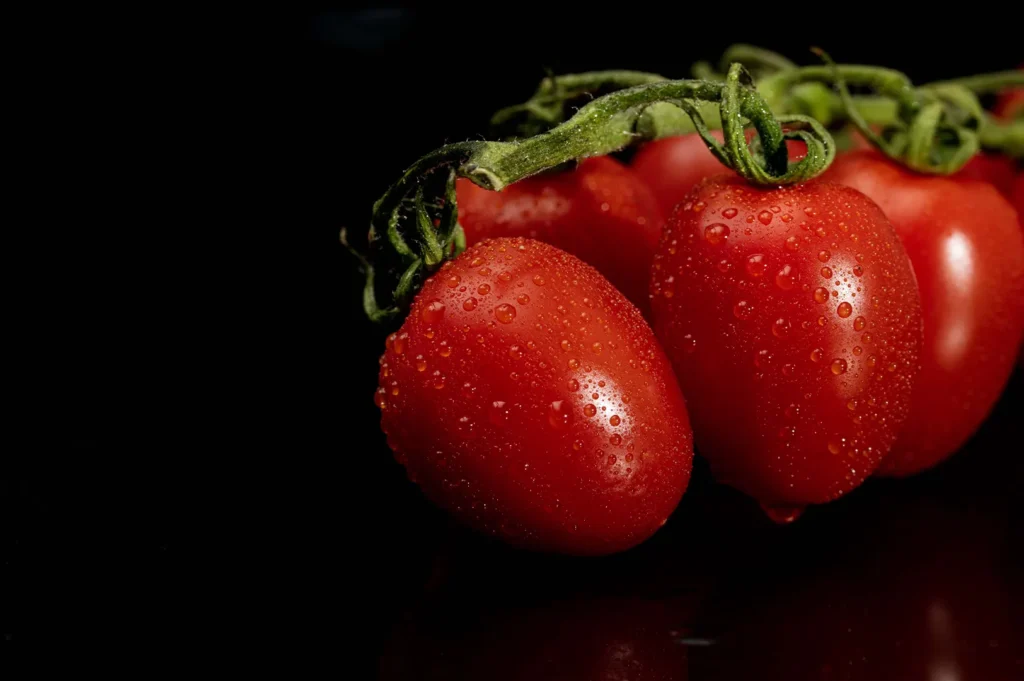
Moisture can help fresh ingredients look alive, but it needs restraint.
A light moisture cue on vegetables or fruit can suggest freshness. It can make cucumber look crisp, berries look juicy, and salad leaves look newly prepared. But too much water makes food look washed, soggy, or careless.
Water droplets should be minimal and intentional. Salad greens should not sit in visible puddles. Fruit should not look like it is sweating heavily unless that suits the product. Tomatoes should look juicy, not watery. Herbs should not look weighed down.
There is a difference between fresh and wet. Freshness feels clean and controlled. Wetness can feel messy.
For F&B photos, the goal is not to make produce look like it came from a stock image. The goal is to make it look appetising in the context of the actual dish.
Freshness In Cooked Dishes: Garnish Should Wake The Dish Up
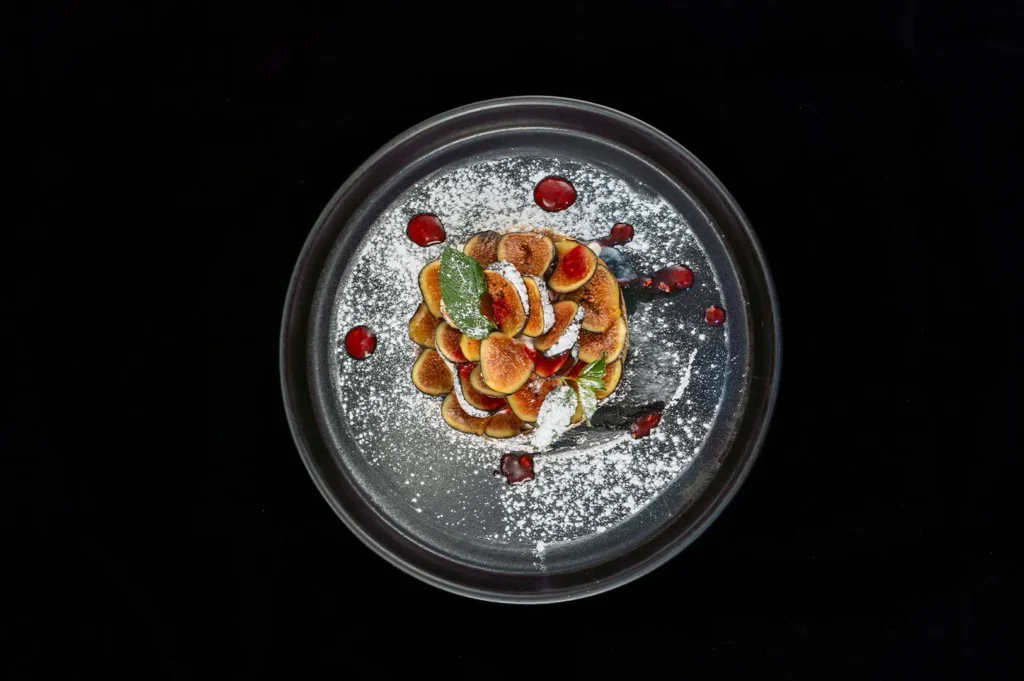
Fresh ingredients are especially useful in cooked dishes because they create contrast.
Spring onion can lift noodles. Coriander can brighten soup. Lime can balance grilled food, nasi lemak, or fried dishes. Herbs can make pasta feel less heavy. Cucumber can make chicken rice feel cleaner. Pickled vegetables can add energy to rice bowls.
But garnish should not look random. It should support the dish’s identity.
A dish should not be covered with herbs just because the photo needs green. Too much garnish can hide the food. Too little can make the dish feel flat. The fresh element should wake the dish up, not distract from it.
Timing matters again. Fresh garnish should not sit on hot food for too long before the photo is taken. Heat softens herbs, dulls colour, and changes texture. Add it late, shoot it quickly, and keep the garnish looking like it belongs.
Vegetable Texture Photography For Salads, Bowls, And Healthy Menus
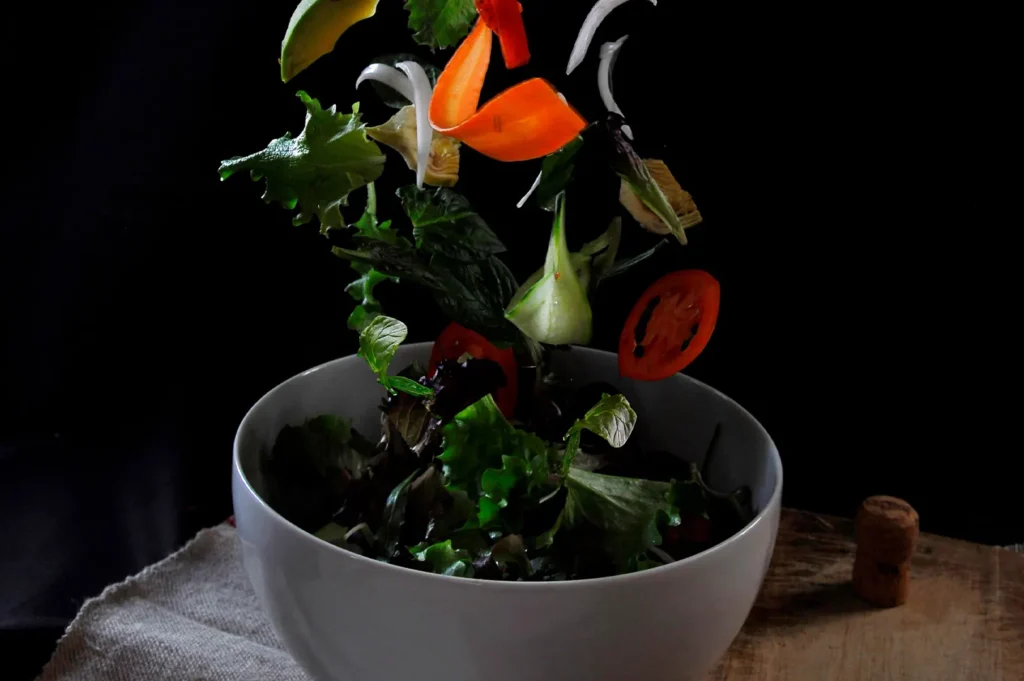
For salad cafés, grain bowls, vegetarian restaurants, smoothie bowls, fruit bowls, and healthy lunch sets, fresh ingredients are not supporting details. They are the main selling point.
Vegetable texture photography needs variety. A good bowl should show crisp leaves, firm vegetables, juicy fruit, crunchy toppings, and clean cut surfaces. If everything looks like one flat pile, the photo loses its energy.
This is where arrangement matters, but not in an artificial way. Ingredients should be readable. Customers should be able to see what makes the bowl worth ordering: the freshness, the contrast, the portion, and the mix of textures.
A salad should feel abundant but still clean. A fruit bowl should look juicy but not wet. A healthy lunch set should look fresh without feeling clinical or overly perfect.
Freshness is not about making everything look untouched. It is about making the food feel prepared with care.
Background And Plate Choices Should Support Freshness
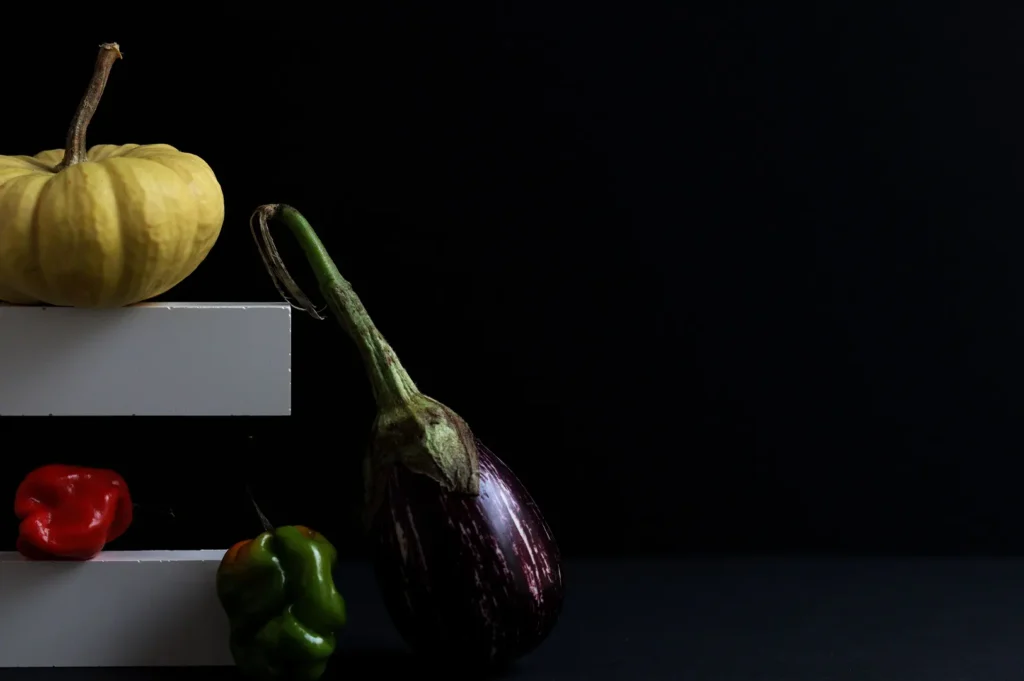
Fresh ingredients can disappear when the background is too busy or too similar in tone.
Pale vegetables on pale plates can look weak. Green herbs on patterned surfaces can lose their shape. Fruit can look artificial if the background feels overly staged. On the other hand, a clean neutral or slightly darker surface can help greens, tomatoes, citrus, and fruit stand out.
The plate should make fresh ingredients feel clean, not sterile. A bowl of salad still needs warmth. A fruit tart still needs appetite. The background should support freshness, not turn the dish into a clinic-style image.
Keep the surface simple enough for the texture to read.
Fresh Texture Across Menus, Delivery Apps, And Social Content
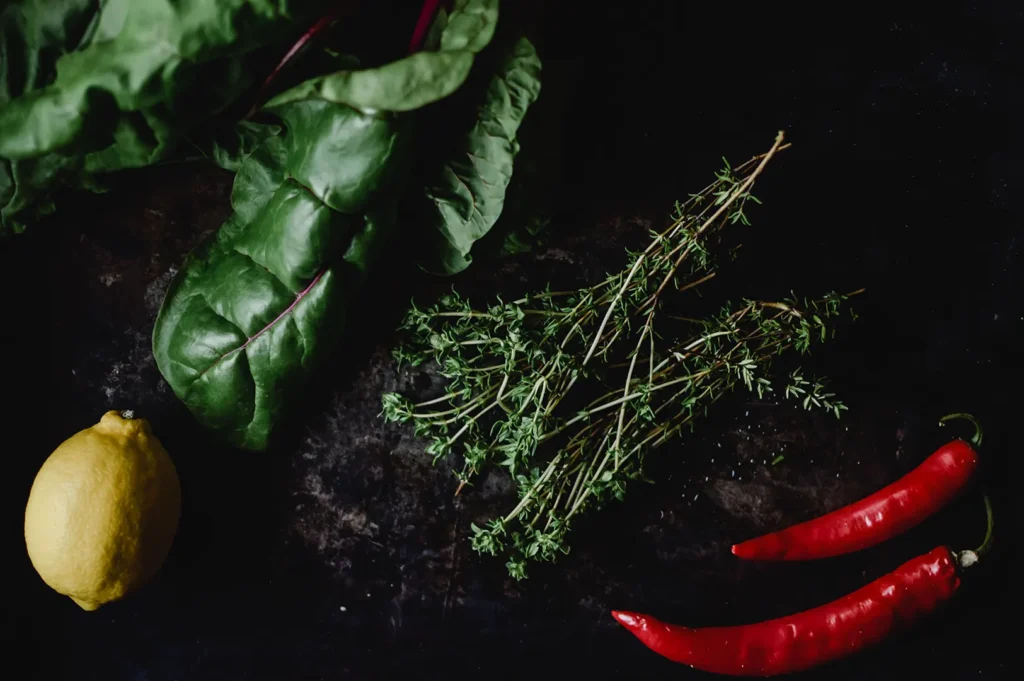
Fresh texture works differently across platforms.
Menus need fresh ingredients to support dish clarity. Customers should understand what the dish includes and why it feels balanced. Delivery apps need freshness cues that survive thumbnails. A small pop of herb, a clean cucumber edge, or a bright cut lime can help a dish feel less heavy.
Social media can use fresh texture as the pause point: herbs, cut fruit, salad detail, bright toppings, or clean vegetable edges. Websites can use fresh produce texture to signal quality, care, and brand personality.
For F&B brands that want the wider framework behind texture, platform use, and appetite cues, our guide to texture in photography that explains how textures fit into a complete food photography system.
How Food Photographer Studio Approaches Freshness Texture
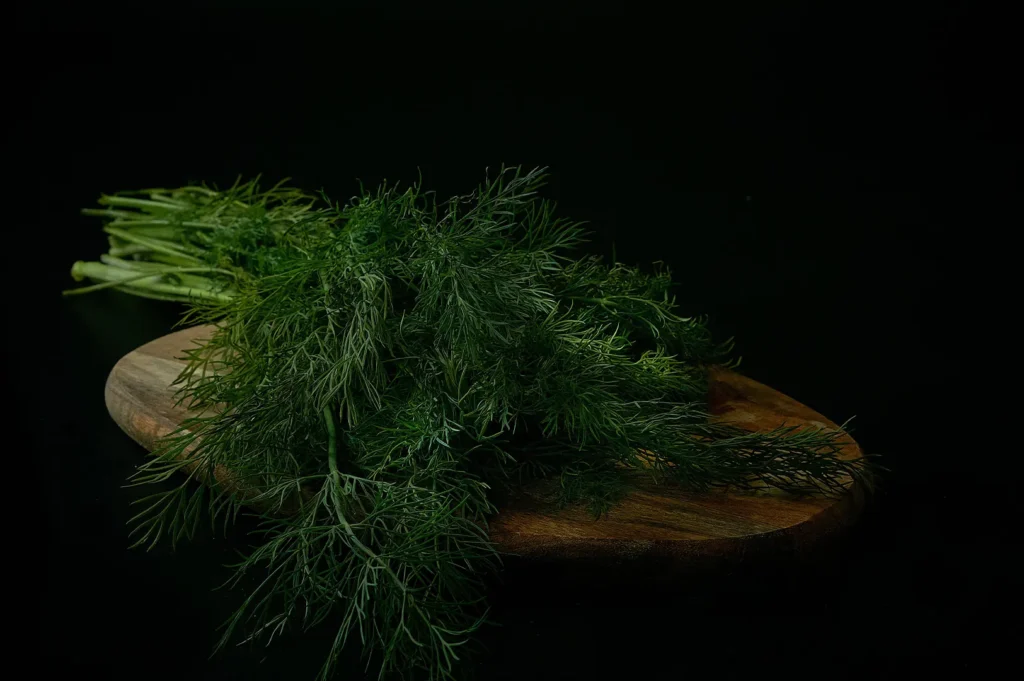
At Food Photographer Studio, we treat fresh texture as a trust signal. Herbs, vegetables, and fruit should look alive, but not artificially polished. The goal is to make freshness believable, appetising, and aligned with the dish.
Fresh ingredients need speed, restraint, and careful handling. A good photo should show crisp edges, clean cuts, lift, moisture, firmness, and surface detail without making the food look fake. Whether the image is for a menu, delivery app, website, or social campaign, the freshness should feel natural and useful.
Freshness Is A Texture, Not Just A Colour
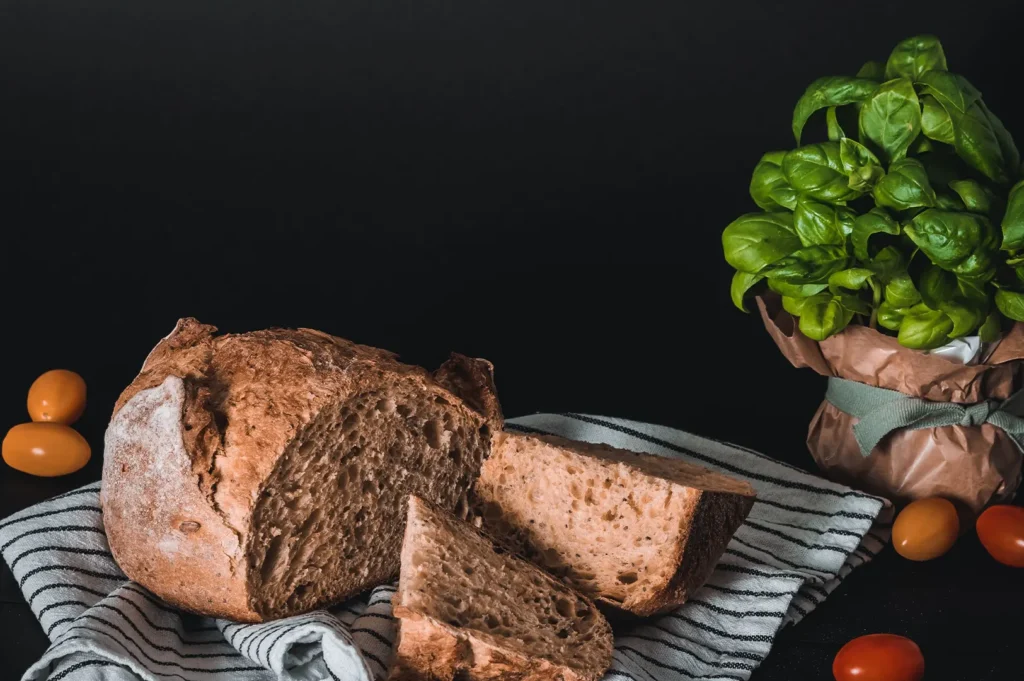
Freshness is not only about bright greens and vivid fruit.
It depends on texture cues: crisp leaf edges, clean cuts, natural lift, light moisture, firmness, and surface detail. These are the signals that help customers imagine crunch, juiciness, brightness, and freshness.
When handled well, fresh food photography makes the whole dish feel more alive. A small herb, fruit slice, or vegetable detail can change how customers read the food before they ever taste it.
Visit our website for more food photography insights.


