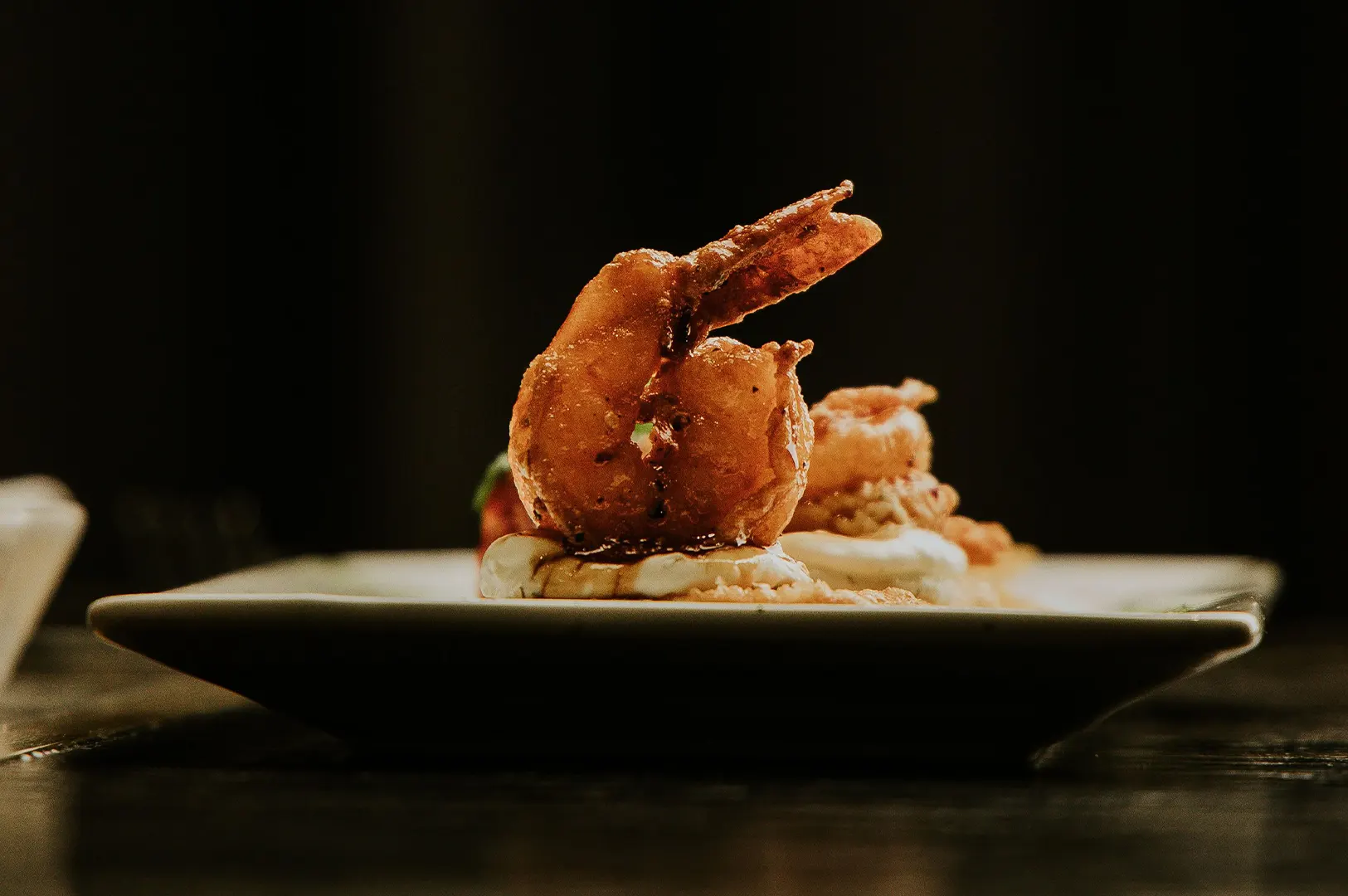
Seafood shoots often begin with ice.
Then more ice.
Then lemon.
Then parsley.
By the time everyone steps back, the prawns look like they have been rescued from a snowstorm.
Ice can communicate coldness. It can also hide the product you are actually trying to sell.
Freshness should come from the seafood first, not from the amount of crushed ice surrounding it.
Start With the Seafood’s Own Visual Cues
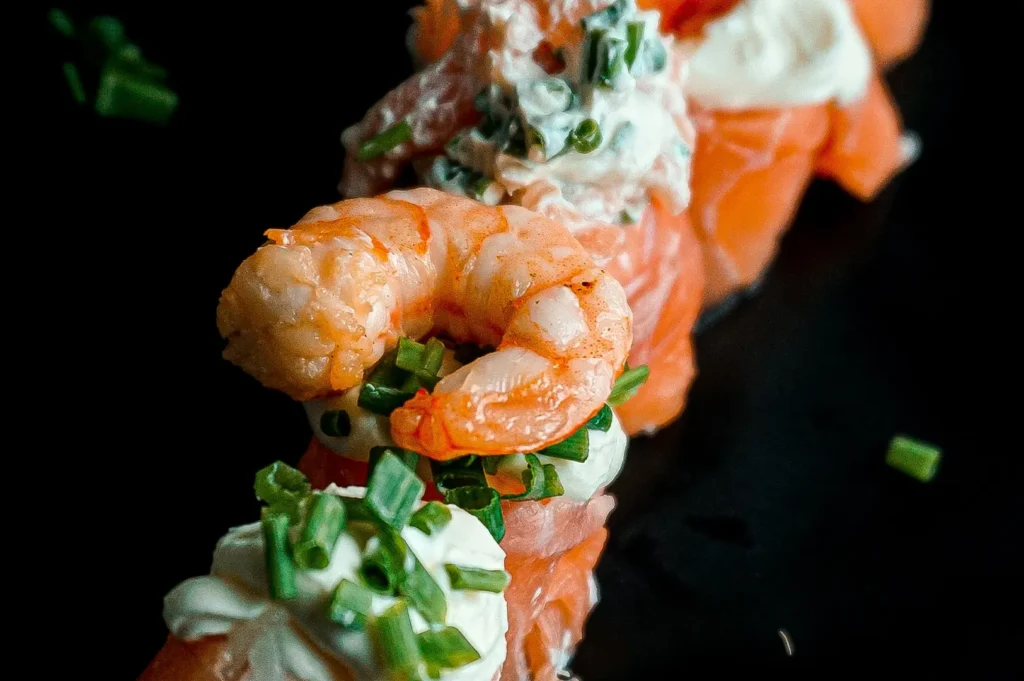
Fresh seafood already gives us useful details.
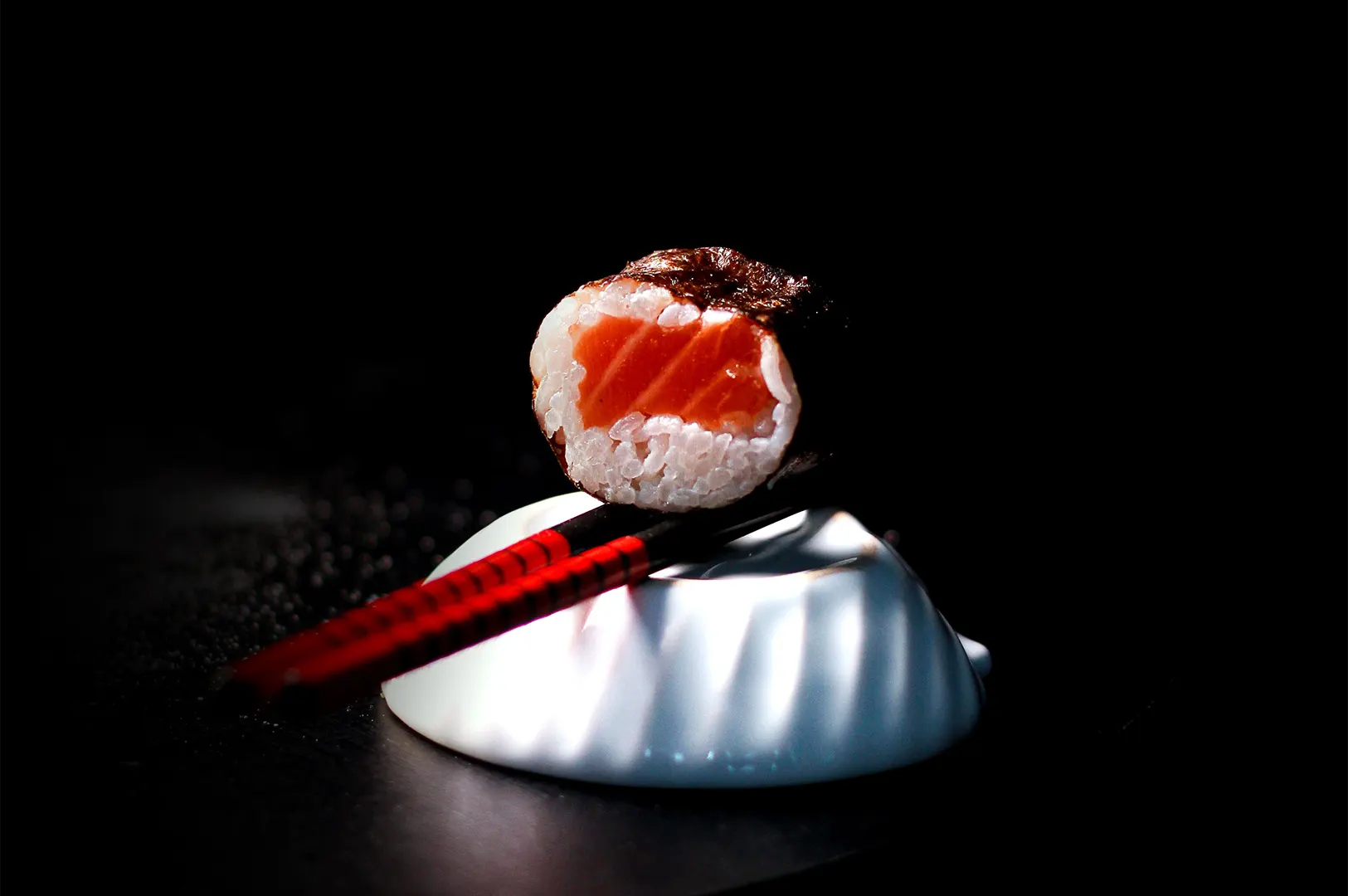
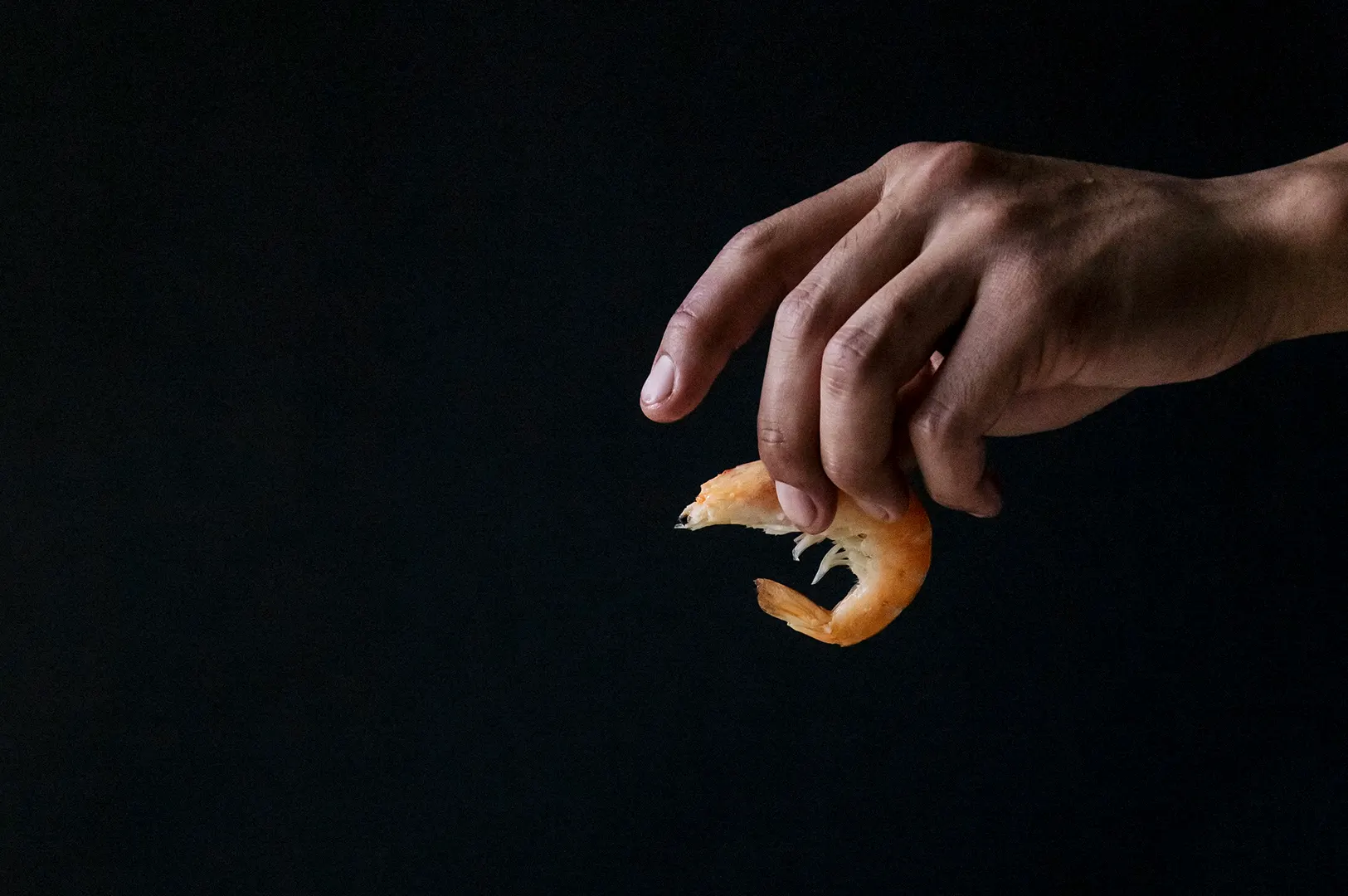
The shine of fish skin. The translucence of prawn flesh. The pattern of a shell. Moisture on the surface.
Singapore Food Agency guidance advises consumers to look for fish that appear shiny and bright while also paying attention to proper chilled storage.
Those natural cues are what we want the camera to preserve.
Our article on reducing glare on shiny food and plates is particularly relevant here. Seafood often needs shine, but uncontrolled reflections can erase texture.
Do Not Confuse Colour With Freshness
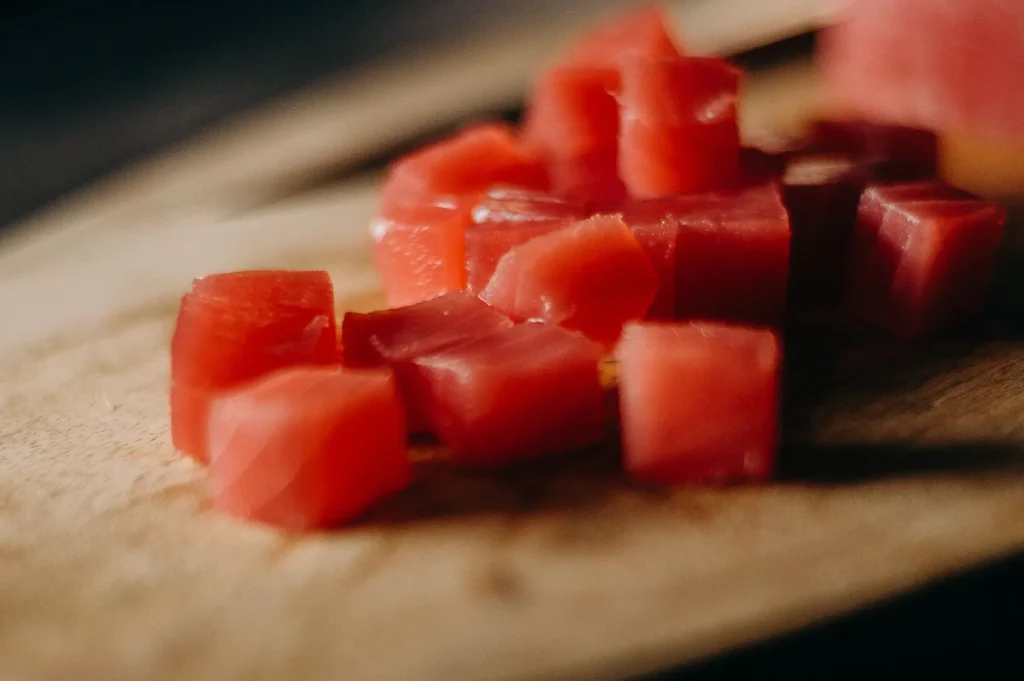
Brightening fish until it looks unnaturally saturated does not make it fresher.
The US Food and Drug Administration notes that fish colour can be affected by several factors and should not be used alone as an indicator of freshness. It recommends considering characteristics including firm flesh, clear eyes in whole fish and proper refrigeration.
That is a useful reminder for photography too.
Fresh-looking should not mean artificially colourful.
Use Ice as Structure
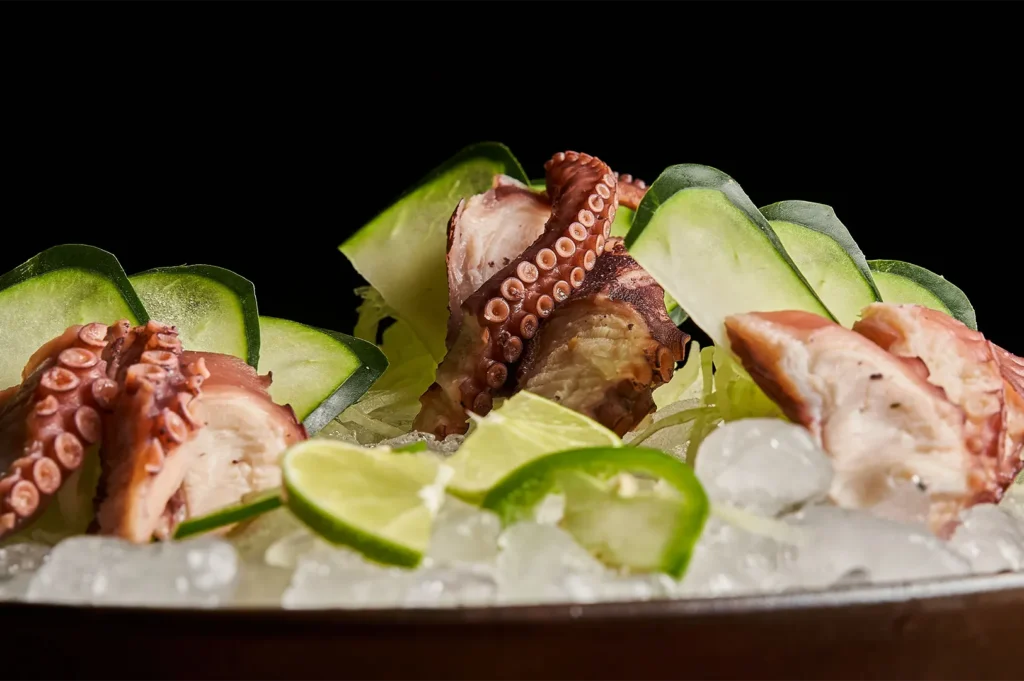
When ice belongs in the serving or display, we use it deliberately.
It can lift shellfish towards the camera, separate several types of seafood and provide a cold visual environment.
But it should not cover half the prawn or fill every gap around an oyster.
During one seafood setup, we removed almost half the ice after the first frame. The platter immediately looked more generous because we could finally see how much seafood was actually there.
Our guide to food styling for menu photography follows the same principle: improve visibility without changing the truth of the serving.
Work Quickly With Real Product
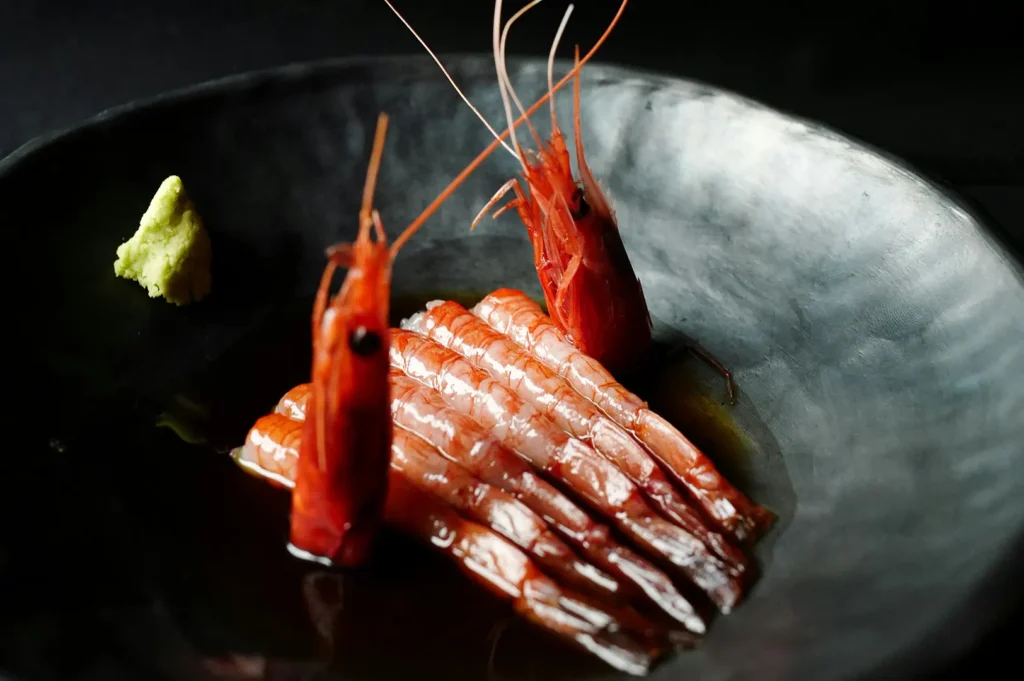
Seafood does not enjoy waiting while we debate napkin colours.
Have the frame ready.
Know the camera angle.
Prepare the platter before the best pieces come out.
For raw seafood especially, proper handling and temperature control belong to the kitchen and restaurant team, while our job is to avoid creating unnecessary delays around the food.
A Singapore commercial food photographer should understand that freshness is operational as well as visual.
Stop Adding Signals
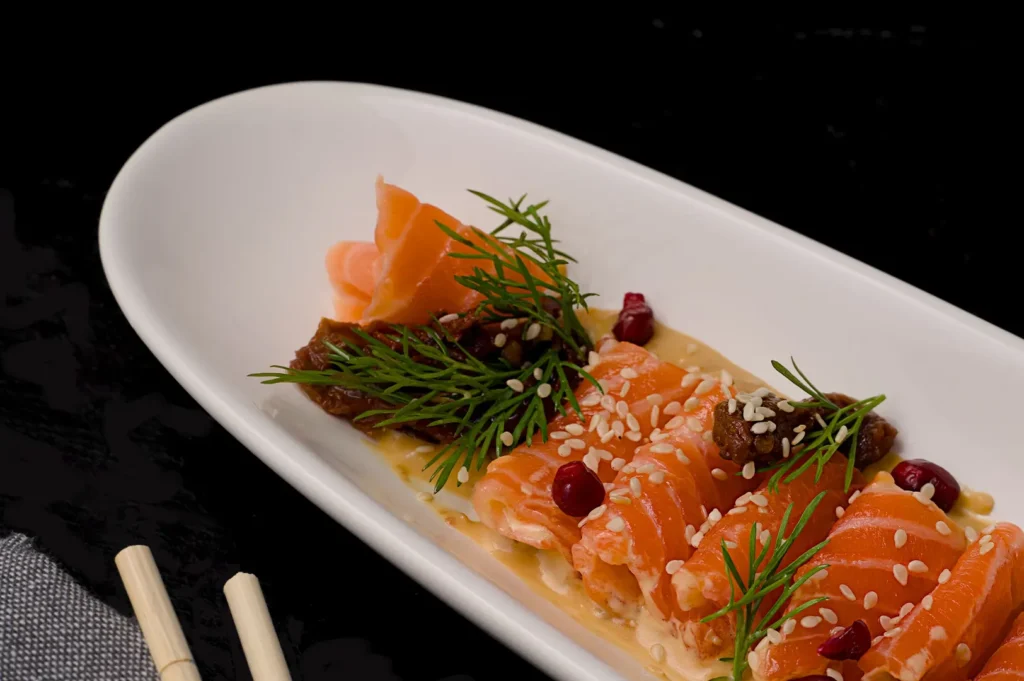
The final photograph does not need to shout:
FRESH!
COLD!
SEAFOOD!
all at the same time.
One clean lemon wedge may be enough. A little ice may be enough. Sometimes neither is necessary.
When the product itself looks clear, moist, firm and beautifully handled, freshness does not need much decoration.
Let the seafood stay visible.
That is what customers came to see.