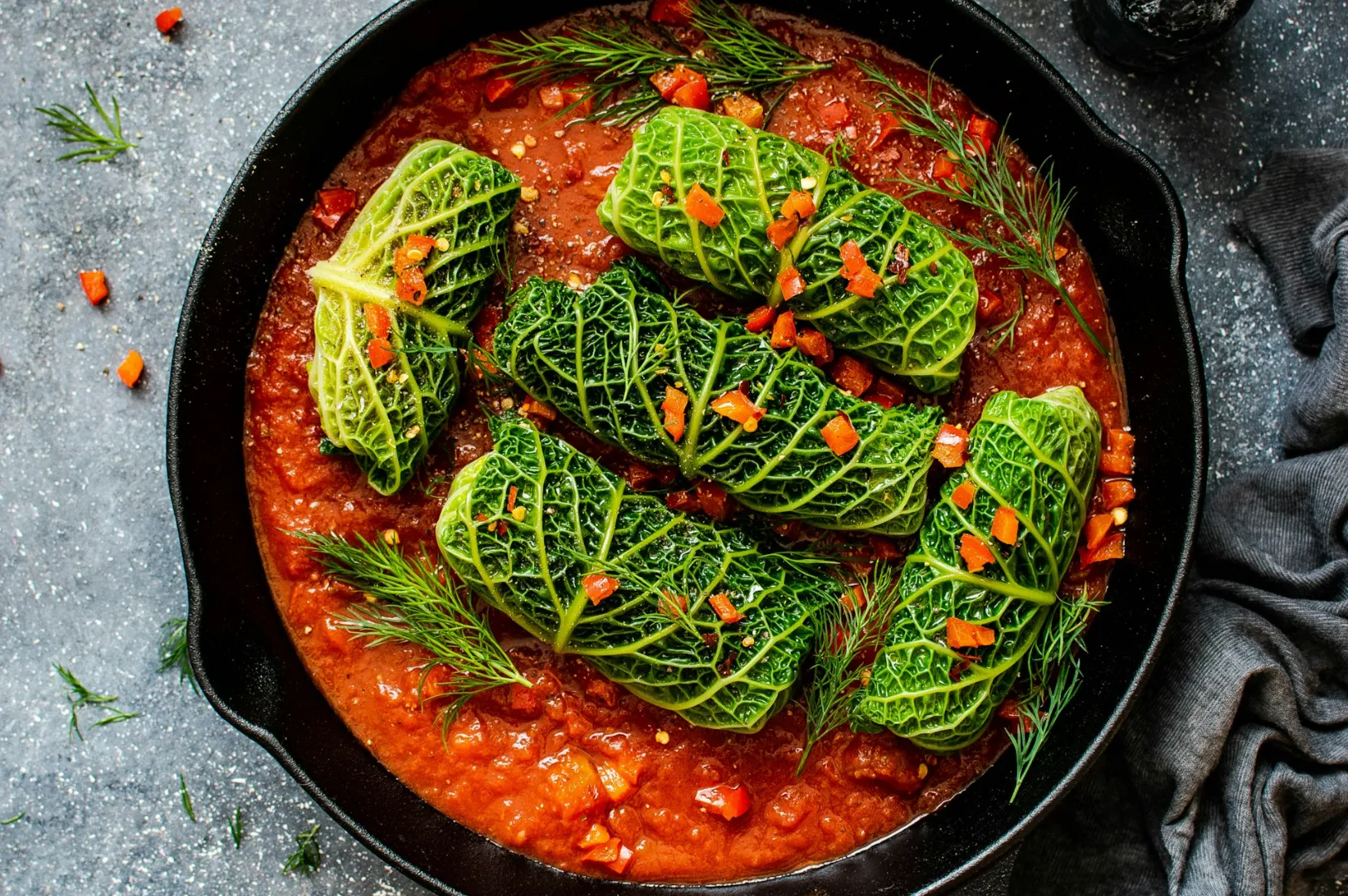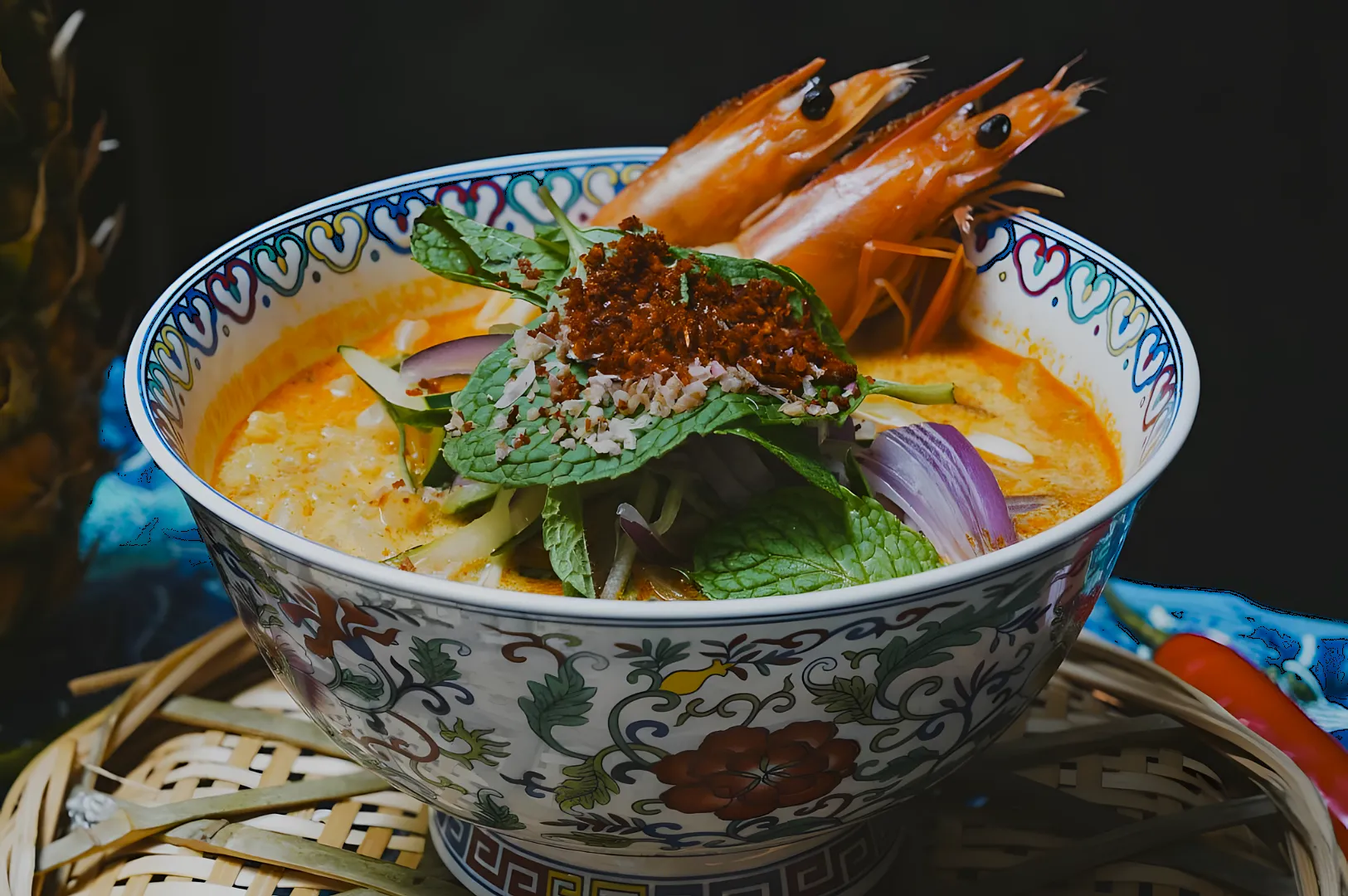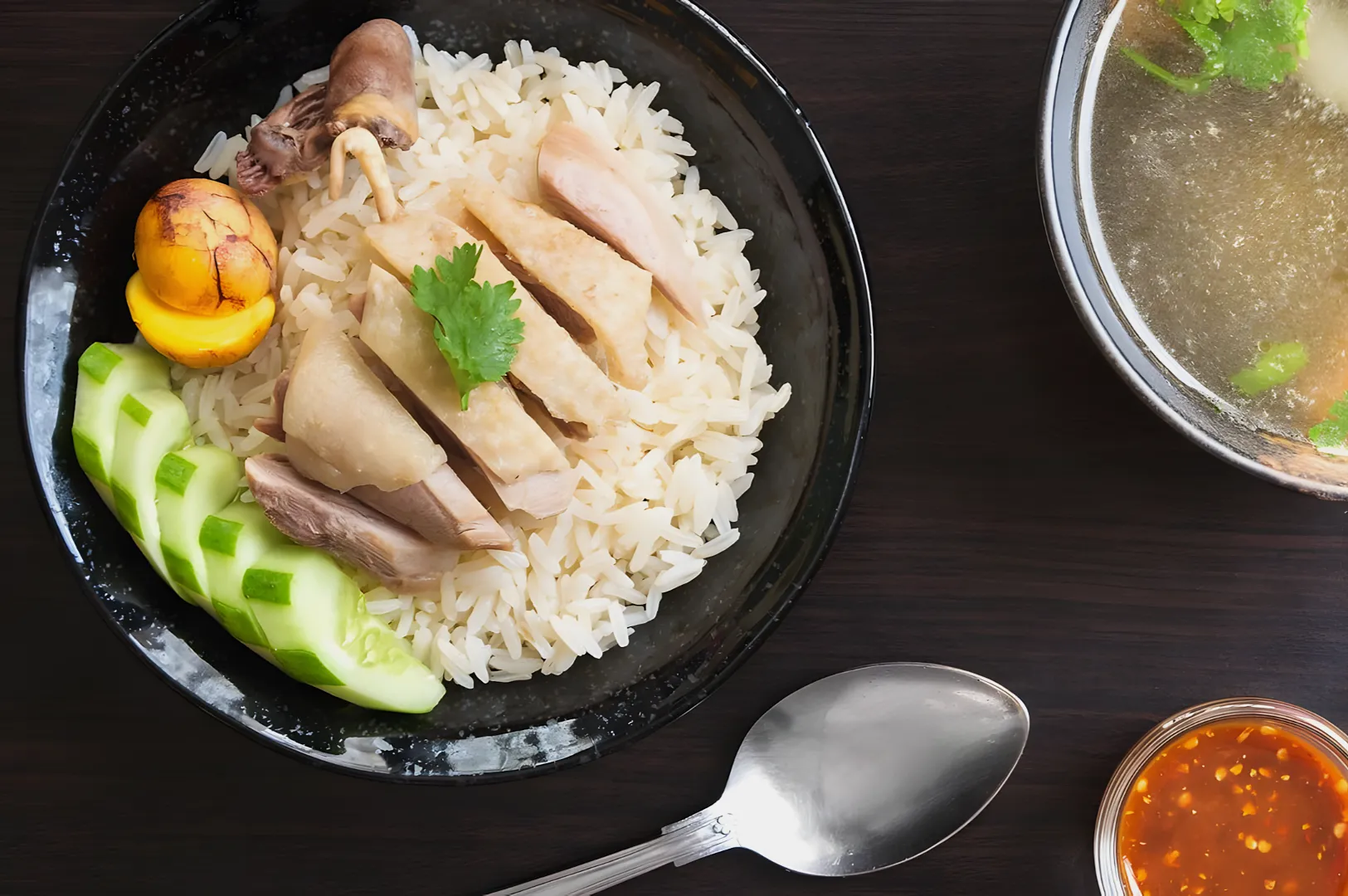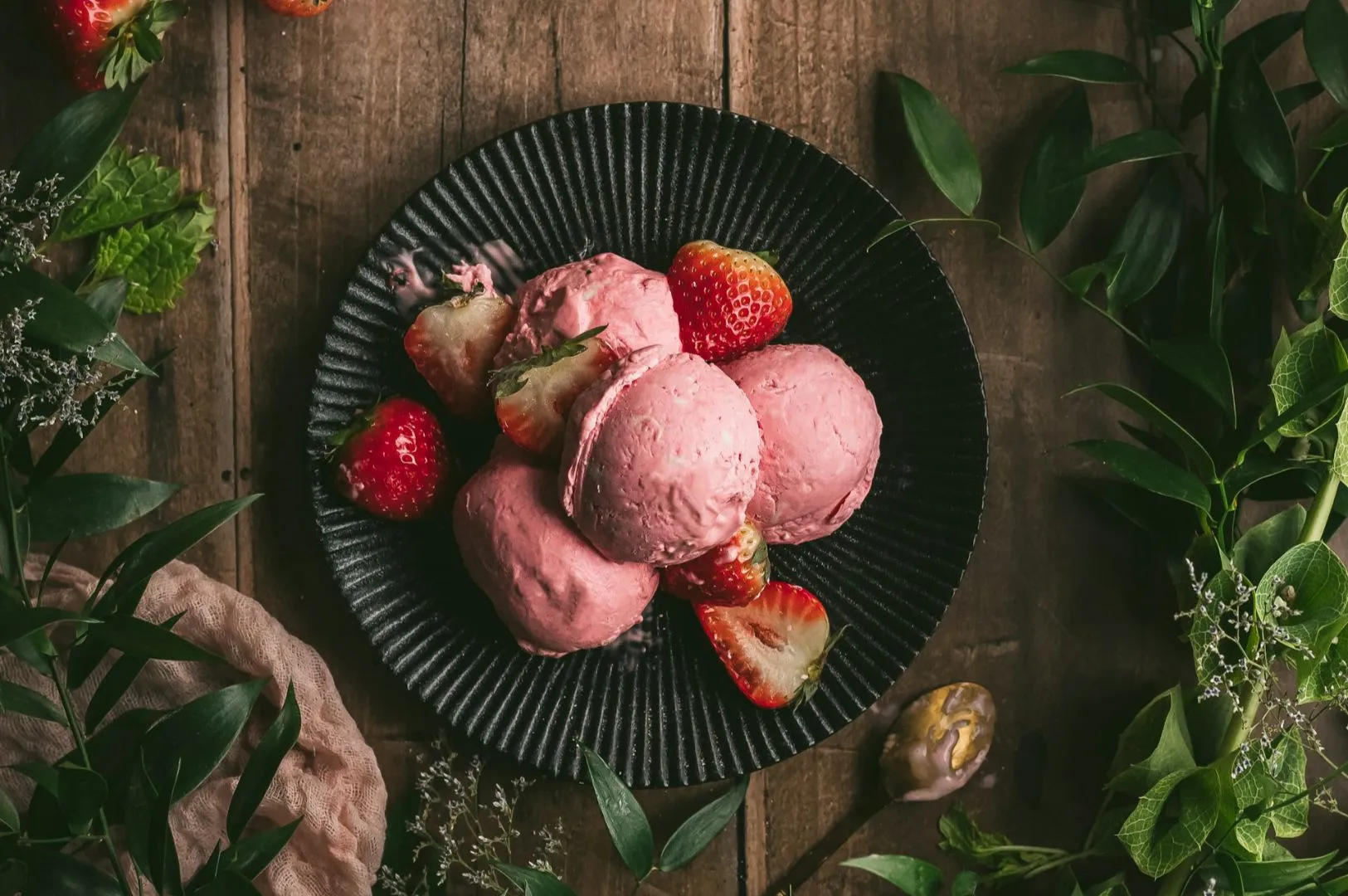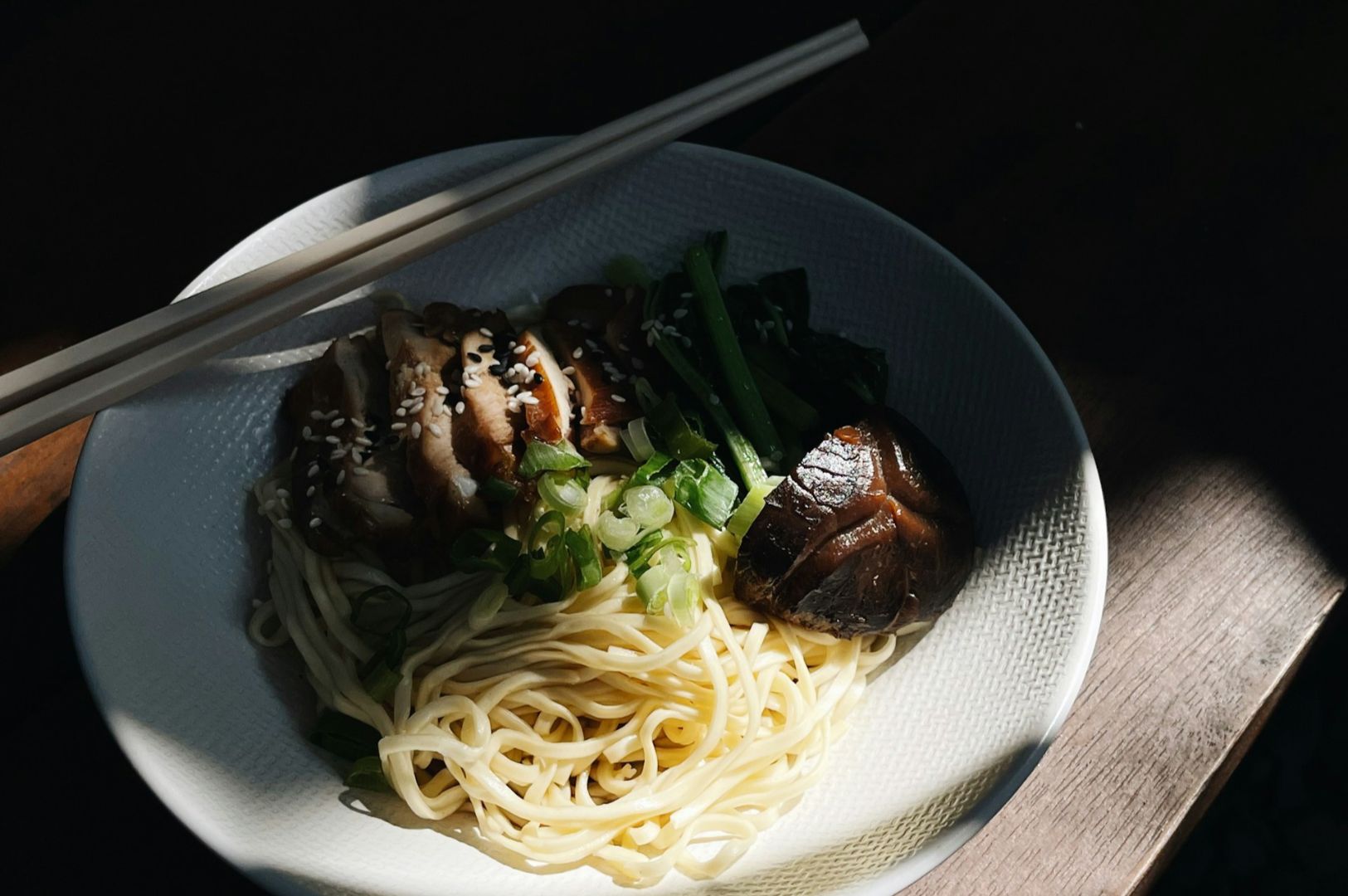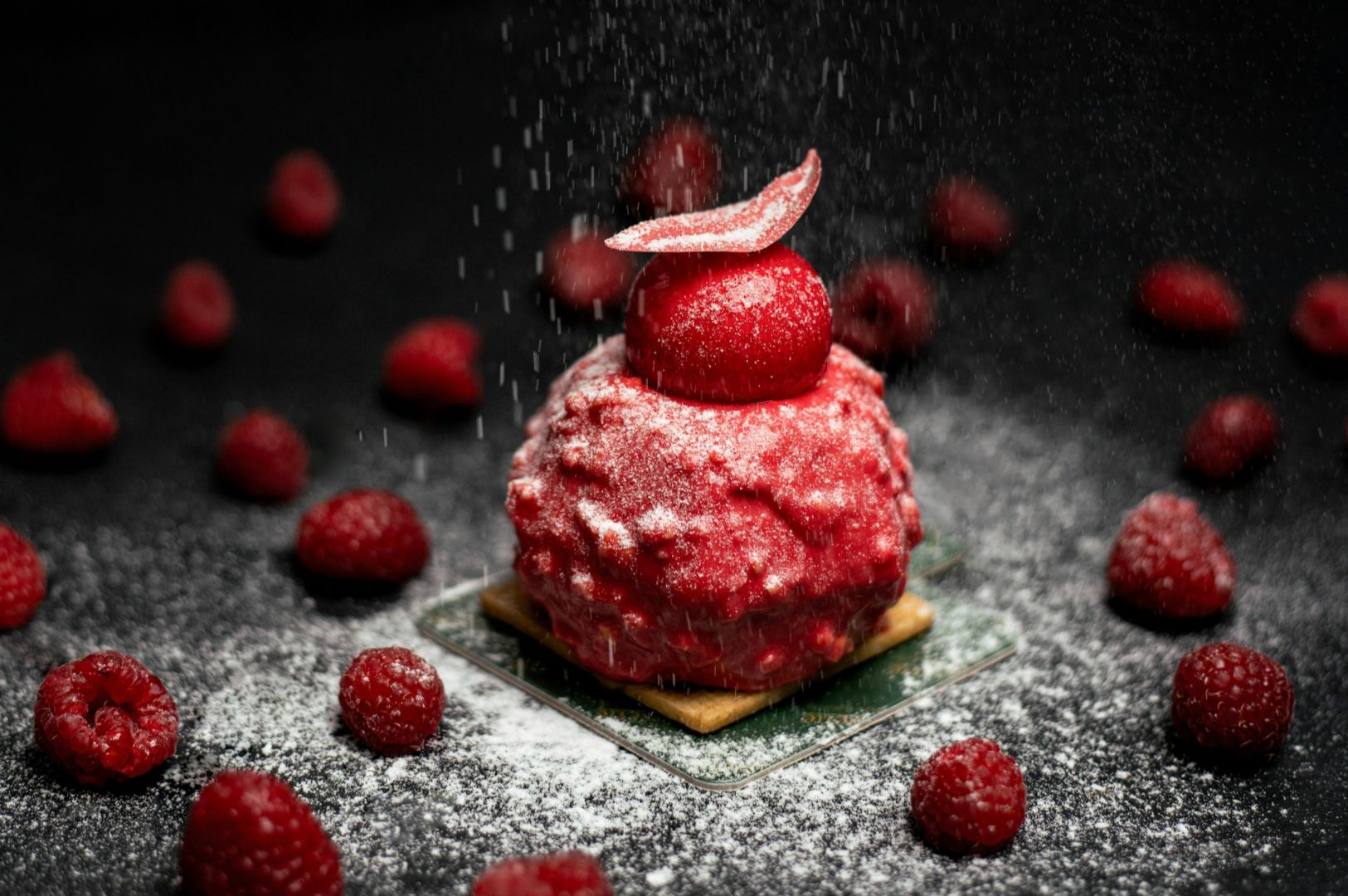
Imagine a cozy fusion bistro tucked away in a shophouse along Keong Saik Road. The food is impeccable: a perfect marriage of local heritage and modern technique. Yet, despite the culinary brilliance, tables remain empty on Tuesday nights. The owner, frustrated, decides to overhaul their online presence. They replace the hastily taken smartphone snapshots on their delivery app and digital menu with professionally styled, high-resolution images. Almost overnight, the narrative changes. The signature Laksa Pesto Linguine, previously a dull tangle of noodles in the photo, now glistens with rich, green textures and perfectly seared prawns. Order volume spikes by 40% in the first week.
This isn’t a hypothetical scenario; it is a transformation we witness regularly in Singapore’s competitive F&B landscape. In a nation where eating is a national pastime, the visual currency of your brand matters immensely. There is a profound difference between casual snapshots and strategic pics of food that are engineered to sell. While a quick photo might document what a dish looks like, strategic imagery captures what it feels like to eat it. It conveys temperature, texture, and taste before a single bite is taken.
For F&B business owners, understanding this distinction is crucial. In this comprehensive guide, we will explore why upgrading your visual assets is not just an aesthetic choice but a fundamental business strategy. You will learn how professional food photography serves as the bridge between your kitchen’s hard work and your customer’s appetite, transforming passive scrollers into hungry patrons.
Why Professional Photographers Make the Difference
The democratization of camera technology has led many to believe a high-end smartphone suffices to market a restaurant. While great for social media stories, mobile devices often fall short in creating foundational brand assets. This is where professional photographers’ expertise is irreplaceable. Creating pics of food that stop a thumb from scrolling requires more than megapixels; it demands understanding visual psychology and technical mastery.
Professional photographers have a trained eye beyond the subject. We know how light interacts with surfaces: reflecting off glaze, absorbing into sponge cake, or refracting through a cold drink. Controlling shadows and highlights brings dimension and life, turning flat images into captivating visuals.
Beyond skill, a professional team’s passion drives attention to overlooked details—the condensation on a glass, steam rising from a claypot, or pastry crumble. Reviewing a professional portfolio reveals curated sensory experiences. Professionals invest thousands of hours refining their craft to ensure every shot serves a purpose. DIY food images often lack this intentionality, resulting in inconsistent lighting and awkward angles that can devalue your cuisine’s perceived quality.
The Art of Capturing Cuisine's True Essence
Food is a multisensory experience, but photography is purely visual. The challenge is to translate aroma, temperature, and taste into a two-dimensional medium. To capture a cuisine’s true essence, we visually communicate the flavor profile through texture and color. A spicy Mala Xiang Guo should look fiery and vibrant, with glistening oils suggesting heat. A delicate Cantonese steamed fish needs soft lighting to emphasize its freshness.
This starts with close collaboration with chefs. A photographer must understand the chef’s intent—whether the dish highlights crunch, melt-in-your-mouth fat, or fresh herbs—to choose the best angle and lighting. For example, backlighting reveals sashimi’s translucency or steam from Bak Kut Teh, evoking warmth.
We focus on textures—the crispiness of Prata, creaminess of Durian mousse, or char on Satay sticks—to trigger sensory memories. Using macro lenses, we reveal details like salt grains or sauce bubbles, showcasing plating artistry. For menu images, this detail promises quality, bridging digital expectation and reality.
The Complete Food Photography Process
Pre-Production: Setting the Foundation
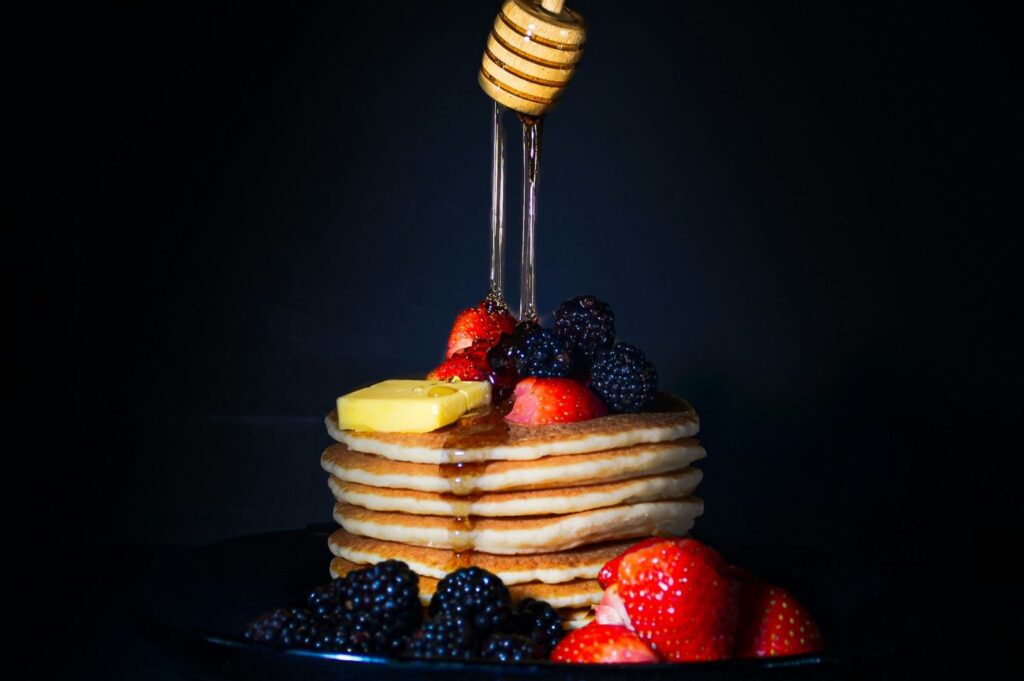
Creating world-class pics of food is not just point-and-shoot. It’s a structured process ensuring consistency and quality. It starts with pre-production, where we learn your brand identity—whether a gritty hawker stall or a refined white-tablecloth restaurant. This guides the visual style, from props to lighting mood.
Planning the Shoot: Logistics and Selection
Planning the shoot is a logistical dance. We collaborate with clients to select dishes representing the menu’s range. Backgrounds (wood, marble, slate, or linen) are chosen to complement the food’s colors without distraction.
The Photography Session: Collaboration and Light
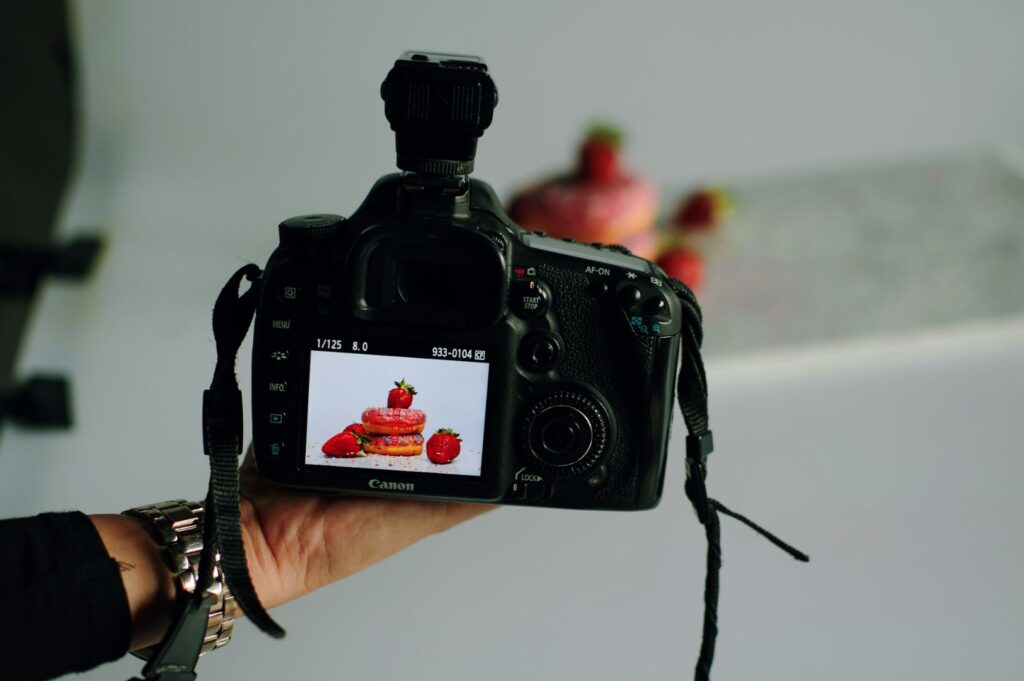
On shoot day, it’s a team effort. The chef prepares dishes, a food stylist adjusts presentation, and the photographer sculpts the light. Lighting is key: hard light creates bold shadows for a burger joint, soft light evokes freshness for a bakery. Shots are reviewed on a tethered monitor to ensure perfect focus and composition.
Post-Production: Enhancing Reality
Post-production adds the final polish. We don’t fake the food but enhance reality: color-grading to make greens fresh and reds appetizing, removing distractions like crumbs or smudges. The result: a library of images aligned with your brand, ready for menus, websites, and ads.
A classic amateur mistake is plating the food, then spending 20 minutes adjusting the lights and props. By the time you are ready to shoot, the “fresh” salad looks sad and tired. Even professional food stylists sometimes underestimate how quickly a dish degrades under hot studio lights.
How to Fix It:
Preparation is everything.
Stand-ins: Use a “stand-in” object, like a bowl of crumpled paper or an empty plate, to set up your lighting and composition first. Only bring out the hero dish when you are 100% ready to snap the shutter.
The Ice Trick: For cold drinks or desserts, use fake ice (acrylic cubes) if you aren’t planning to consume it. If you must use real ice cream, freeze it on the serving plate beforehand or use dry ice to keep the plate cold.
Refresh: Keep a spray bottle of water handy to mist fresh greens and herbs right before the shot. Use a small brush with oil to add shine back to meat or pasta that has gone matte.
Be Fast: When the hero food hits the table, shoot fast. You have a golden window of about 2-5 minutes before the food starts to die.
Strategic Food Images for Singapore's F&B Scene
Singapore’s food scene is arguably one of the most diverse and competitive in the world. From heritage hawker centers to Michelin-starred restaurants, the visual expectations of Singaporean diners are incredibly high. Strategic food images for menu design must reflect this diversity while maintaining authenticity. A generic stock photo of Chicken Rice will never appeal to a local diner who knows exactly what the chili sauce and glistening skin should look like.
Professional photographers in Singapore must adapt their approach to suit these varied culinary styles. For a traditional Peranakan restaurant, the visuals might need to be rich, warm, and full of heritage props like distinct ceramic tiles or tiffin carriers. Conversely, a modern minimalist café might require bright, airy, and desaturated imagery. We work closely with clients to bring their specific vision to life, ensuring that the photos don’t just look good, but look “right” for the specific cuisine.
Our portfolio reflects different aspects of Singapore’s food culture, showcasing our ability to pivot between styles. This versatility is key. Strategic imagery also involves understanding where the photos will live. A photo designed for an Instagram Story needs a different composition (vertical, negative space for text) than a photo designed for a Deliveroo banner (horizontal, centered subject). By understanding these platforms, we ensure your pics of food perform effectively wherever they are displayed. Authenticity is the watchword here; in a market as educated as Singapore, inauthentic visuals are quickly spotted and dismissed.
From Equipment to Expertise: What Goes Into Every Shot
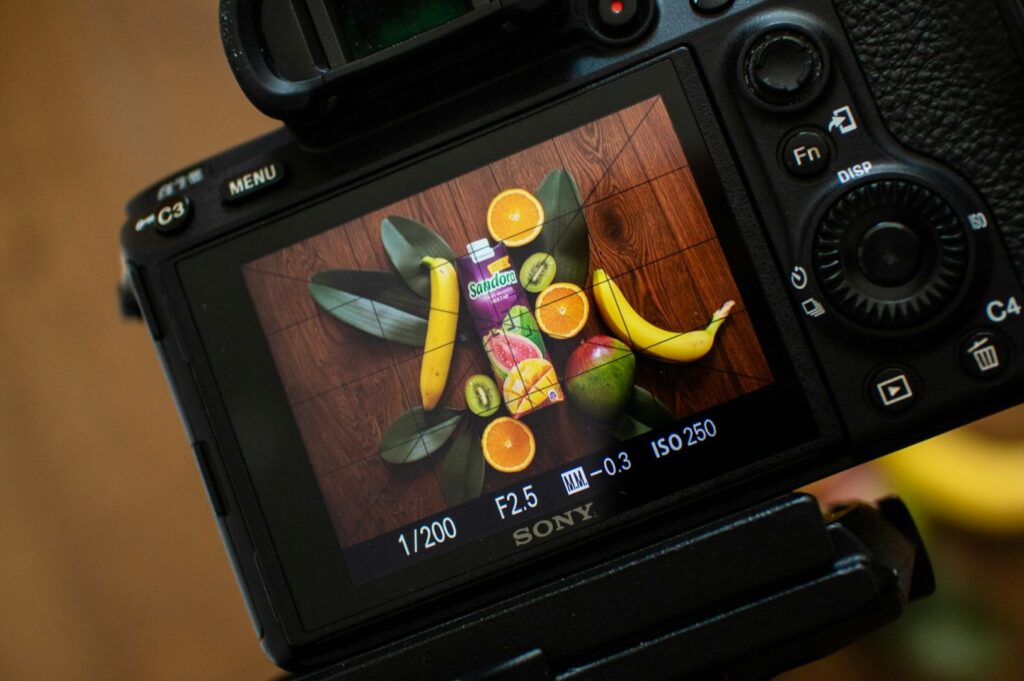
The Role of Equipment
Professional cameras are essential but only part of the equation. Our key tools for creating stunning pics of food are those that control light—diffusers, reflectors, scrims, and strobes.
Mastering Light Manipulation
Years of expertise let us position strobes perfectly to highlight glazes without hotspots. Choosing the right focal length ensures textures and colors of food, from burgers to pizzas, are captured accurately.
Styling Expertise for the Camera
Styling for photos differs from plating for service. We use techniques like slightly under-cooking vegetables or brushing oil on meat to keep food looking fresh and vibrant without misleading tricks.
Ensuring Consistency Across Shots
Consistency in angle, lighting, and color balance across all images builds trust and reflects your brand’s quality. We refine our workflow to deliver uniform, professional food photography for every client.
The Business Impact of Professional Food Photography
Food photography is a vital investment with measurable returns. In today’s digital age, customers decide what to eat based on the visual appeal of pics of food seen on platforms like GrabFood or Google Maps. Restaurants using professional food images for menus report higher conversion rates, as customers perceive greater value in premium dishes like wagyu beef bowls when shown with quality visuals.
Professional food photography also boosts social media engagement, generating more likes, shares, and saves, which expands customer reach organically. Our clients have seen tangible ROI: a local bakery doubled festive bundle sales, and a casual dining spot increased table reservations by 30% after updating their website with professional images. Consistent, high-quality food photography elevates brand recognition and perceived value, helping restaurants compete on experience and desirability, not just price.
Conclusion: Your Cuisine Deserves Professional Representation
Your food is the result of hours of prep, years of training, and generations of tradition. It deserves better than a hasty snapshot under fluorescent lights. Professional photographers bring more than just cameras to your restaurant; they bring a partnership of passion, technical expertise, and marketing strategy. By translating the complex flavors and textures of your cuisine into stunning visual assets, we help you tell your story in a way that resonates with modern diners.
Strategic food images for menu and marketing are not a luxury; they are a necessity in Singapore’s vibrant F&B scene. They transform the customer experience from the moment of discovery to the moment of ordering. The lasting impact of these visuals can be seen in your brand equity and your bottom line.
If you are ready to elevate your brand and capture the true essence of your culinary creations, we invite you to partner with us. Explore the Food Photographer Studio portfolio to see how we have helped other Singaporean businesses thrive. Let’s work together to create pics of food that don’t just look good—they sell.