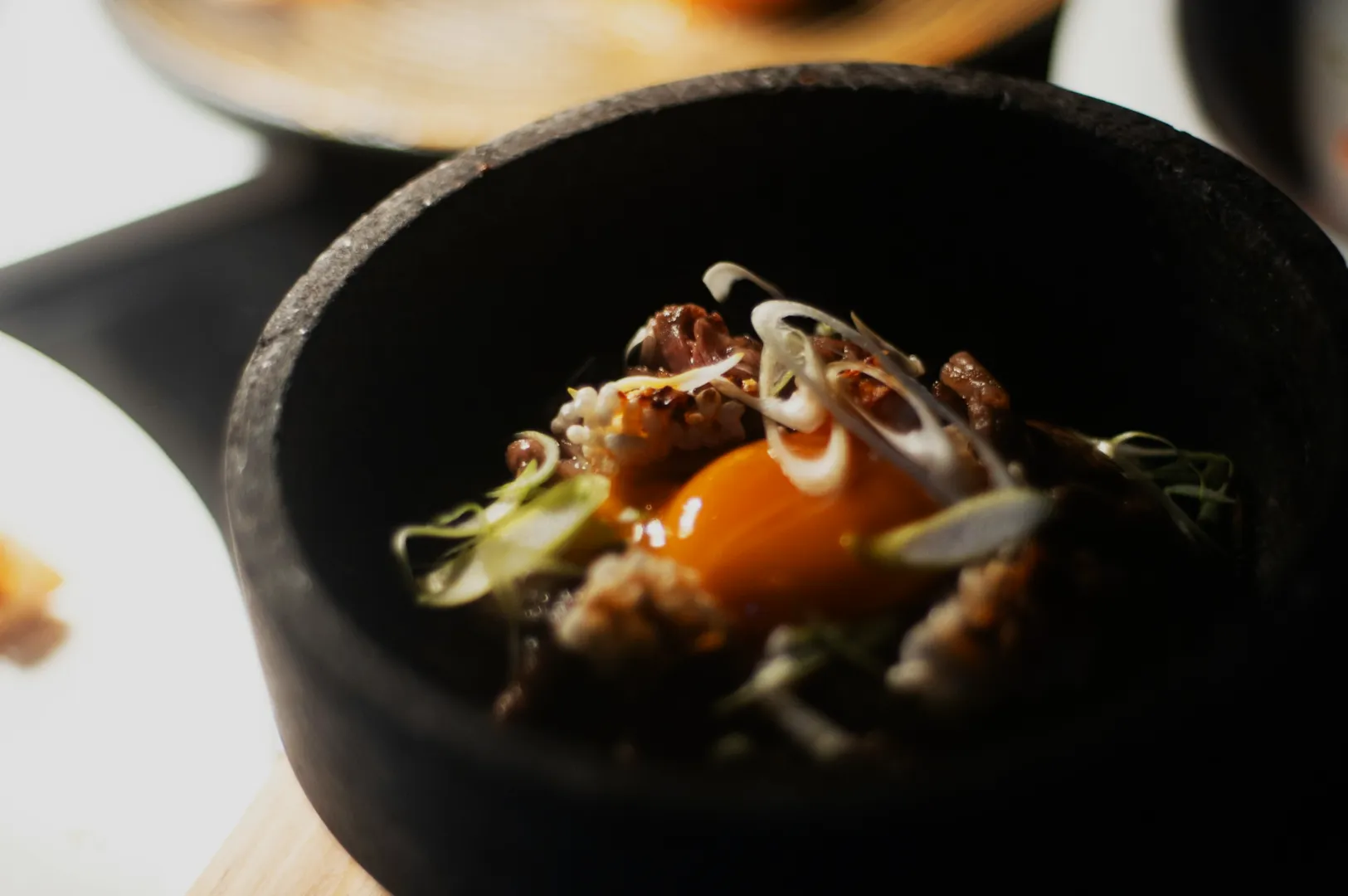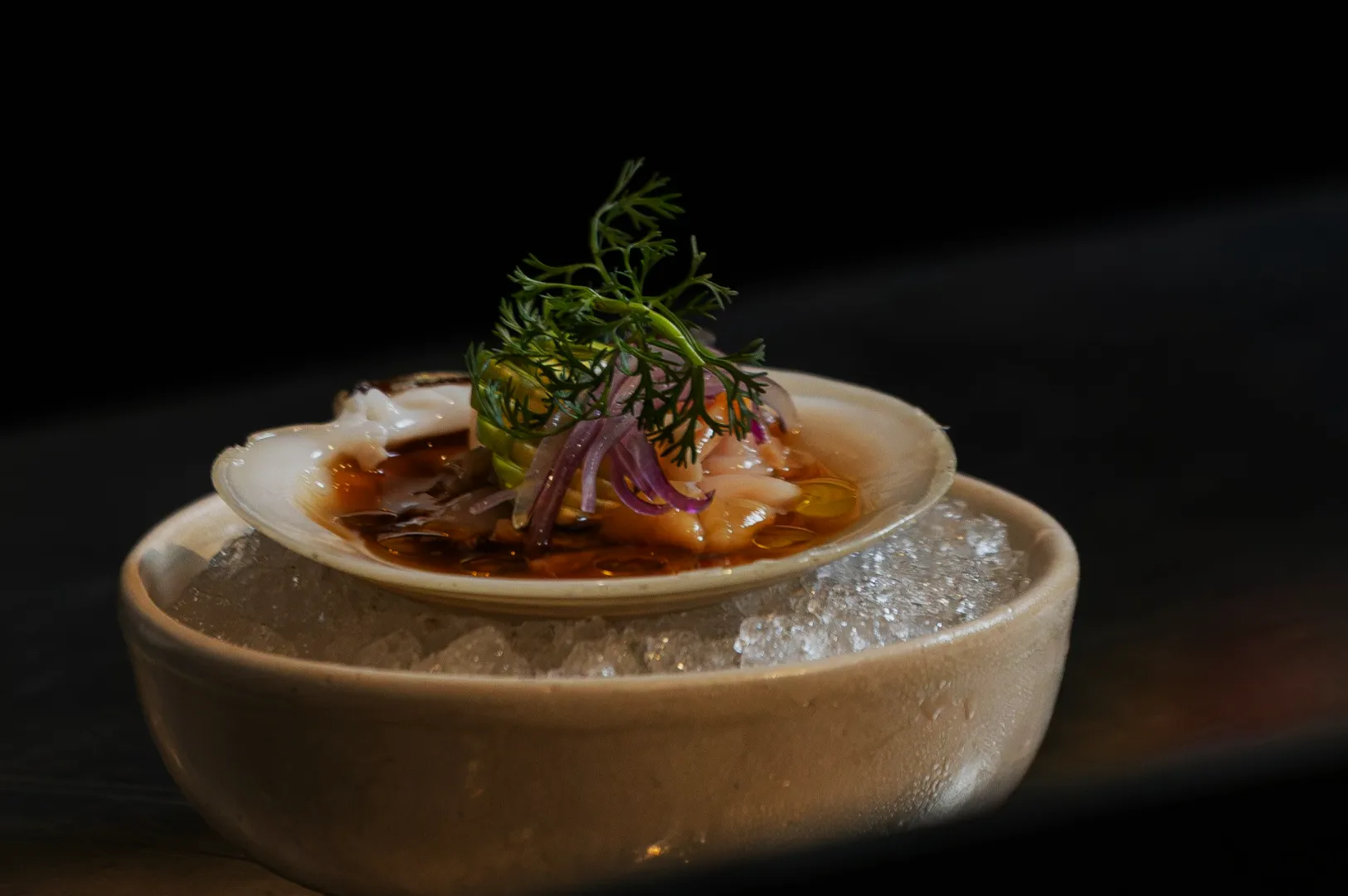
If you’ve ever bought a “nice” plate for a shoot, used it once, then watched it gather dust in a cupboard, you’re not alone. In Singapore, props feel like the quickest way to level up your visuals, especially when you’re chasing that clean, premium aesthetic photography look. The problem is that prop buying is addictive, and it gets expensive fast.
A better approach is to treat props and backdrops like a style system, not a shopping list. You want a small kit that can shoot your menu all year, across different dishes, lighting conditions, and campaigns, without looking repetitive or random.
In this guide, we’ll show you how to build a practical “aesthetic kit” for food photography in Singapore, what to buy first, what to skip, where to source locally, and how to avoid the classic overbuying trap.
If you want the bigger picture first, start with our aesthetic photography style system for Singapore F&B brands.
What “Aesthetic” Really Means in Food Photography
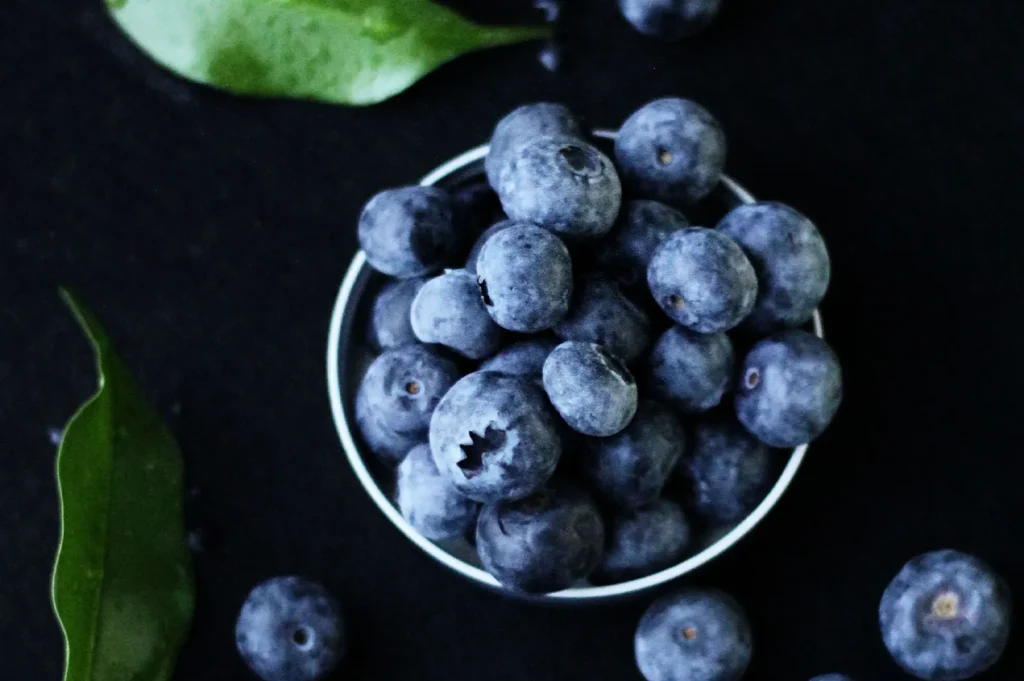
Aesthetic photography is not “everything is beige” or “everything is dark and moody.” For F&B, it’s simpler than that:
- Consistency: your plates, surfaces, and light feel like the same brand across 10 to 30 dishes.
- Control: the background supports the food instead of competing with it.
- Repeatability: you can recreate the look next week, not only on one lucky shoot day.
Props are only “aesthetic” when they help you repeat a look. Otherwise, they’re just objects.
Build Your Core Backdrop Set First (Not Props)
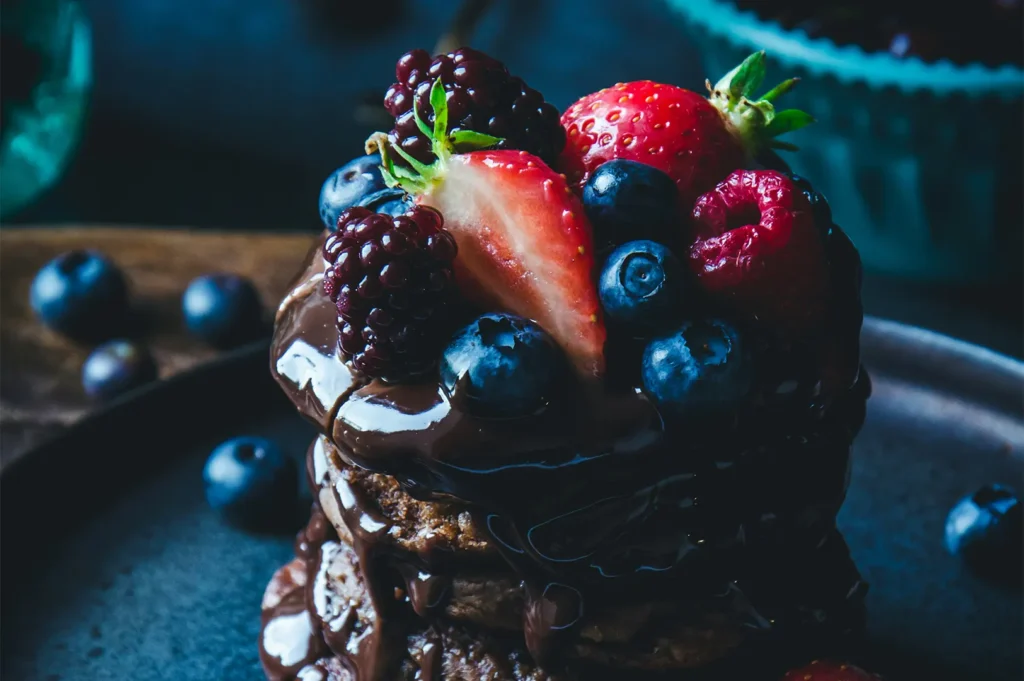
If you’re trying to look premium with a messy or reflective table, no amount of cute cutlery will save you. Start with surfaces.
The 3-Surface Rule (Covers Most Menus)
A small kit that works for most Singapore restaurants usually includes:
- Light Neutral Surface
Think off-white, light grey, or warm stone. Works for brunch, salads, chicken rice, cakes, and most café items.
- Dark Matte Surface
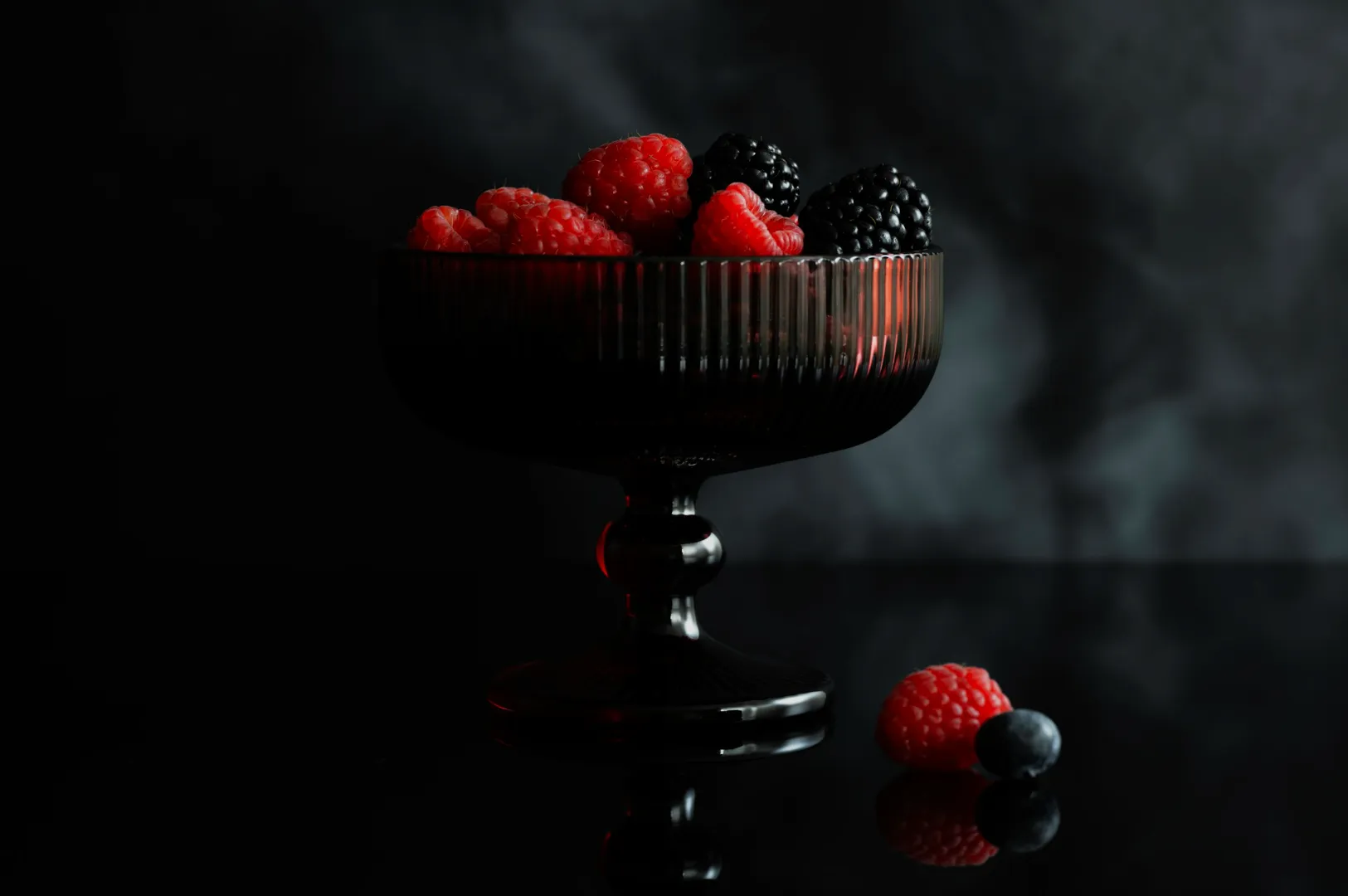
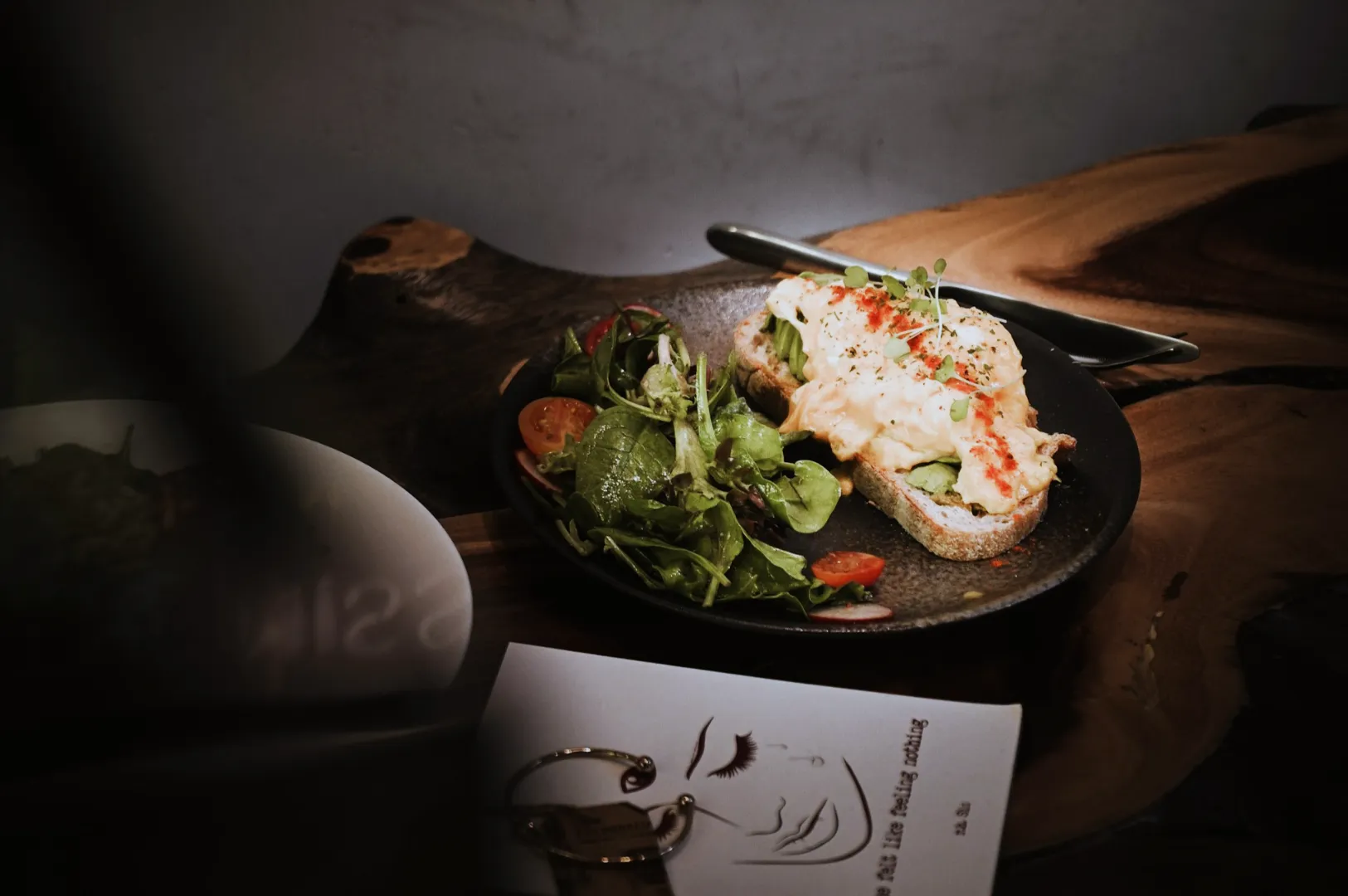
Charcoal, deep brown wood, matte slate. Works for laksa, ramen, grilled meats, glossy sauces, and anything you want to feel “evening” and rich.
- Warm Wood Surface
A clean wooden board or tabletop look. Works for kopi sets, toast, pastries, and comfort food.
The key word here is matte. Shiny surfaces create glare, which is the fastest way to make food look less appetising.
Fast Singapore-Friendly Options (No Renovation Needed)
- Vinyl backdrops (matte, wipeable, easy storage)
- MDF boards painted with matte wall paint
- Large porcelain tiles (great texture, but heavy)
- Concrete-look boards (great for modern concepts)
You do not need 12 surfaces. You need 3 that match your brand.
Props That Earn Their Keep (And Don’t Hijack the Dish)
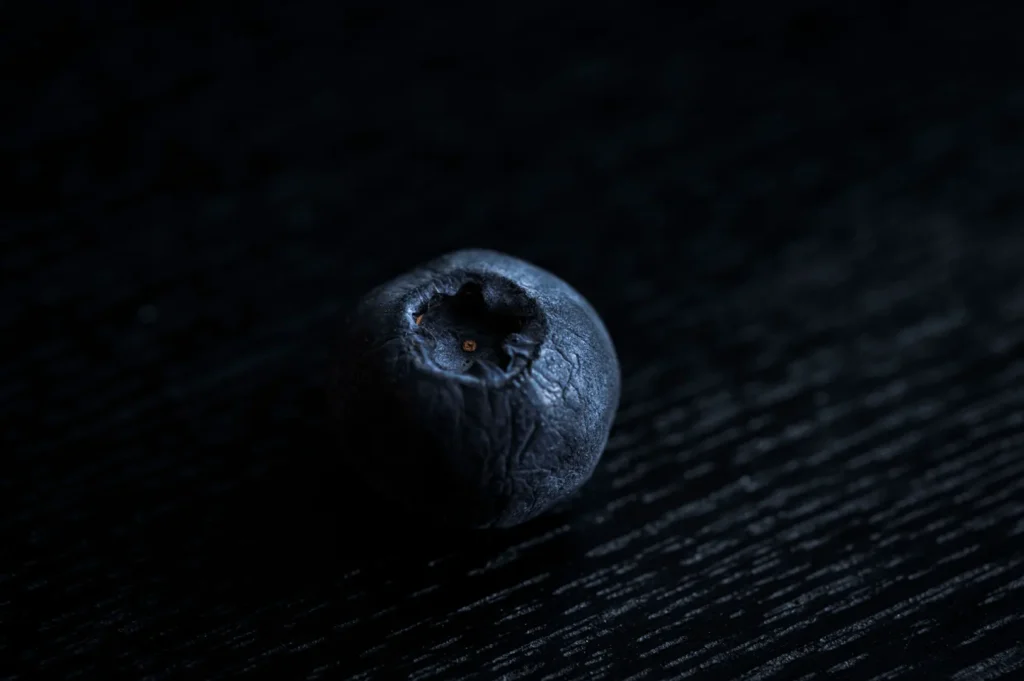
Once your surfaces are sorted, then you layer props. The rule we use is simple: props should add context, not noise.
Plates and Bowls
This is where most overbuying happens.
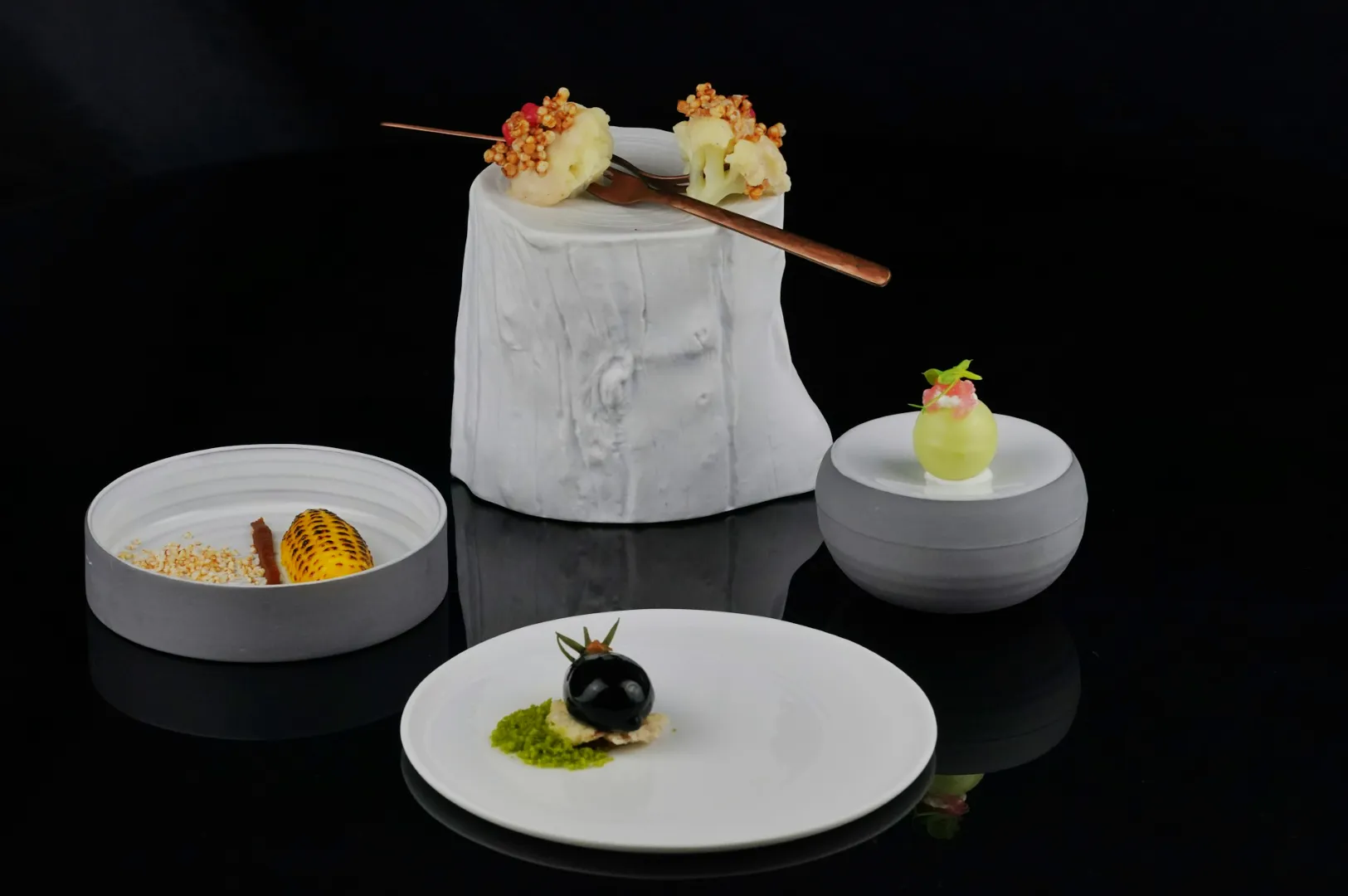
- One hero plate: matte, neutral, clean shape
- One smaller plate: for desserts and tight compositions
- One bowl shape: wide enough to show ingredients (especially for soups and noodles)
If your plates are glossy, they’ll bounce ceiling lights right back into the camera. Matte plates make your life easier.
Cutlery and Chopsticks
Pick one direction and stick to it.
- Modern brands: brushed metal, clean lines
- Heritage or hawker-style: classic spoon, chopsticks, enamel vibes
- Dessert brands: small fork, dessert spoon, tidy and minimal
Avoid “random cutlery from the kitchen drawer.” It looks random because it is.
Linens and Soft Texture
A single linen napkin can do more than five props.
- Choose one neutral tone (oat, grey, muted blue)
- Keep it lightly wrinkled, not ironed flat
- Use it to create a soft “frame” or gentle background break
Glassware
Glass helps, but only if you control reflections.
- One short tumbler (iced drinks, casual)
- One taller glass (tea, soda, cocktails)
- Skip fancy glass sets unless they’re part of your brand story
“Real” Props That Don’t Feel Like Props
Some of the best styling elements are already in your kitchen:
- a sauce ladle
- a small tray
- a bamboo steamer
- a chopping board
- a clean towel or service cloth
When you use real objects that belong to your operation, the photo looks grounded, not staged.
Where to Source Props and Backdrops in Singapore (Without Overspending)
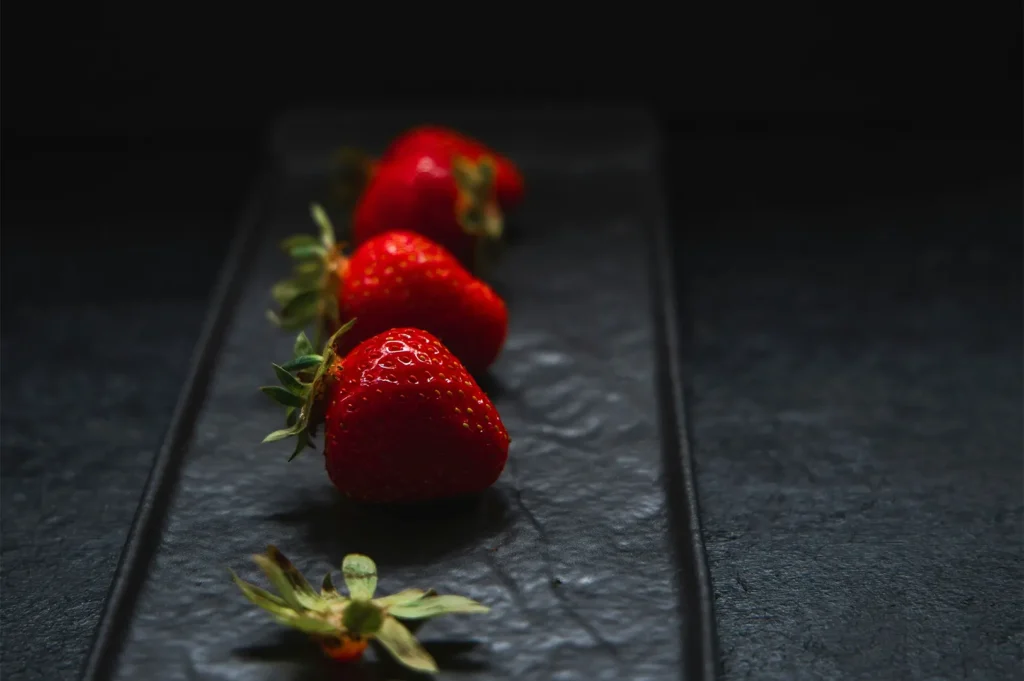
You don’t need overseas suppliers to build a great kit.
- Daiso / MR.DIY: basic trays, small bowls, simple props
- IKEA: linens, boards, glassware, minimal plates
- Spotlight: fabric remnants for backgrounds
- Art Friend: foam boards, large paper backdrops, clamps
- Chinatown kitchenware shops: bowls, steamers, spoons, heritage bits
- Arab Street textile shops: muted fabric textures, napkins, table runners
- Carousell: unique plates, vintage pieces, bundles
A good rule: if you can’t picture using it across at least 10 dishes, don’t buy it yet.
How to Avoid Overbuying (The Rules We Use)
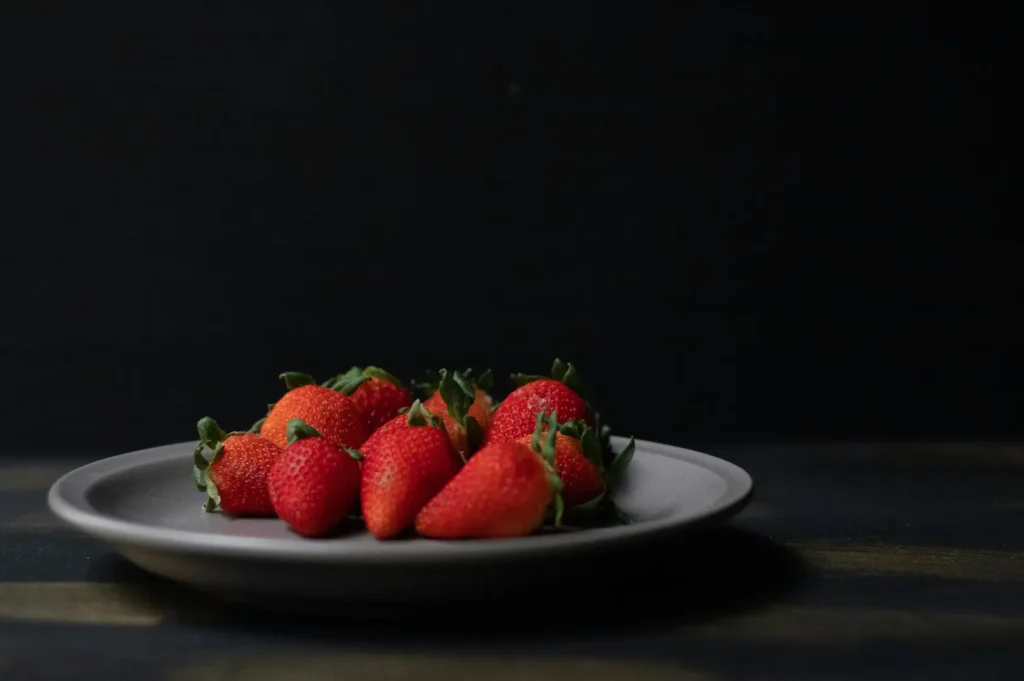
Here’s how restaurants end up with a prop cupboard that feels like a thrift shop.
Rule 1: Buy for a Problem, Not a Vibe
Examples of “real problems” worth buying for:
- “Our photos look too busy.” → buy a cleaner surface
- “Everything looks flat.” → buy one linen + one board for layering
- “Our noodles disappear.” → buy a bowl shape that shows toppings
If you’re buying because it’s cute, pause.
Rule 2: Limit Your Palette
Aesthetic photography works when your props sit inside a tight palette.
Pick one:
- warm neutrals
- cool minimal greys and blues
- dark moody earth tones
Mixing all three usually looks like you changed brands mid-feed.
Rule 3: Test Before You Commit
Before you buy multiples, do one test shoot with:
- a light dish
- a dark dish
- a drink
- a dessert
If the same surface works across all four, it’s a keeper.
Rule 4: One “Character Piece” Only
A character piece is something like:
- a patterned Peranakan plate
- a vintage spoon
- a rustic tray
One is enough. Two starts to compete. Five becomes costume.
When a DIY Kit Stops Being Enough
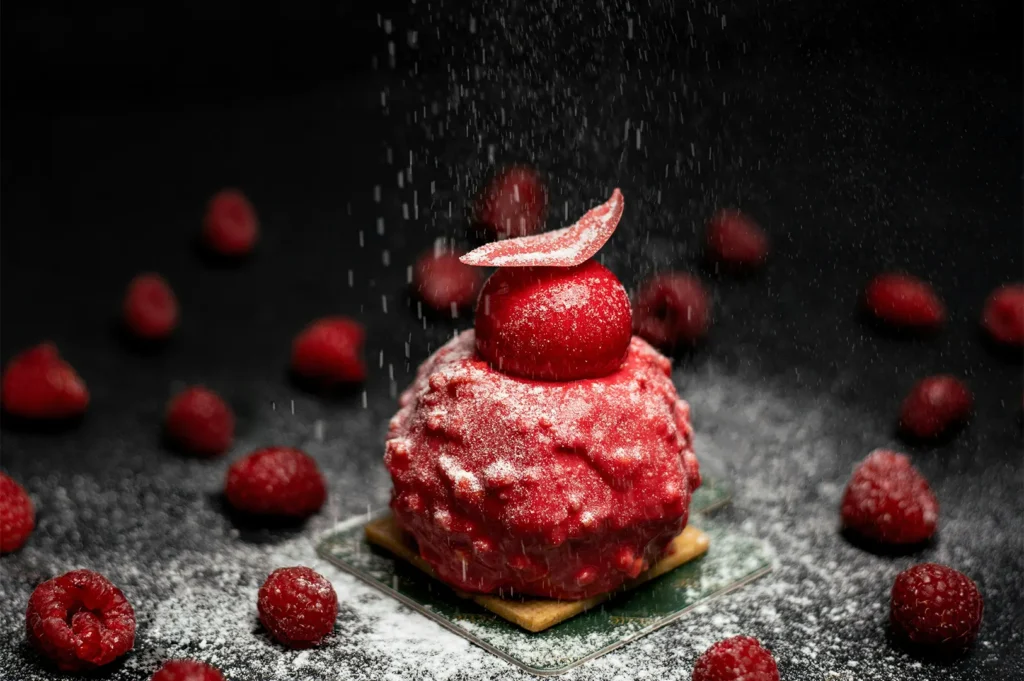
A small kit is perfect for day-to-day content. The moment you need 30 dishes to look like one brand, DIY gets hard, fast.
That’s usually when teams call us in: menu refreshes, brand rollouts, delivery platform upgrades, campaigns that need consistent lighting, styling, and post-production. At Food Photographer Studio, we build the set, style it to match your concept, and deliver clean, usable images quickly, without your team losing a day to trial-and-error.