In Singapore, your menu is rarely “read” first. It’s felt first through images. A diner sees your dish on Google, on a delivery platform, or on Instagram, and decides whether it looks worth the price and worth the risk. That decision can happen in seconds.
This is why Restaurant Photography Singapore isn’t about making food look “pretty”. It’s about removing doubt. A strong photo answers the silent questions customers always have: What am I getting? Is it fresh? Is it consistent? Does this place look reliable? When your visuals do that job well, you don’t just get more likes: you get fewer hesitations, more orders, and better conversion on your best items.
In this guide, we’ll walk through what actually matters for restaurant photography in Singapore: what to shoot, how to plan a shoot without disrupting service, how to build a cohesive image set across platforms, and how to tell if your photos are doing their job.
What Restaurant Photography Is Really For
Most owners think the goal is “nice photos”. The real goal is decision support.
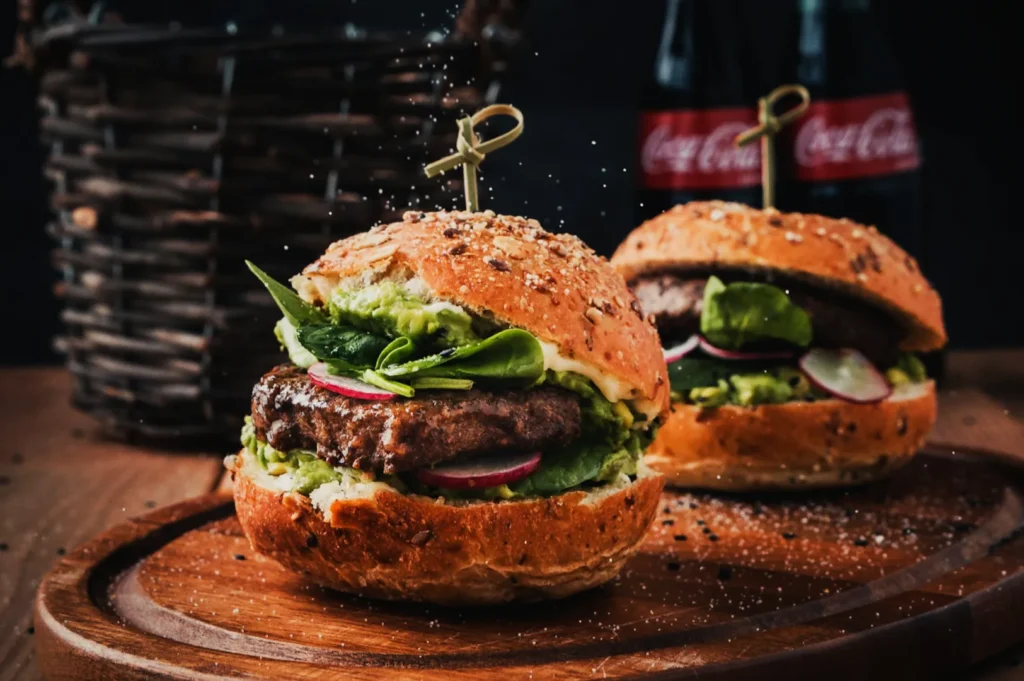
A diner doesn’t only want to know if a dish looks appetising. They want reassurance that your kitchen is controlled and your food will match expectations. That’s why the best restaurant photography feels clear, confident, and consistent. It reduces the mental effort required to order.
A useful way to think about it:
- Commercial clarity: the dish is obvious (ingredients, portion cues, texture).
- Brand tone: the dish feels like your place (casual, premium, heritage, modern).
- Trust: the photo looks believable, not exaggerated.
If any of these are missing, you’ll see the symptoms quickly: customers ask basic questions, people avoid unfamiliar dishes, and your signature items don’t perform as well as they should online.
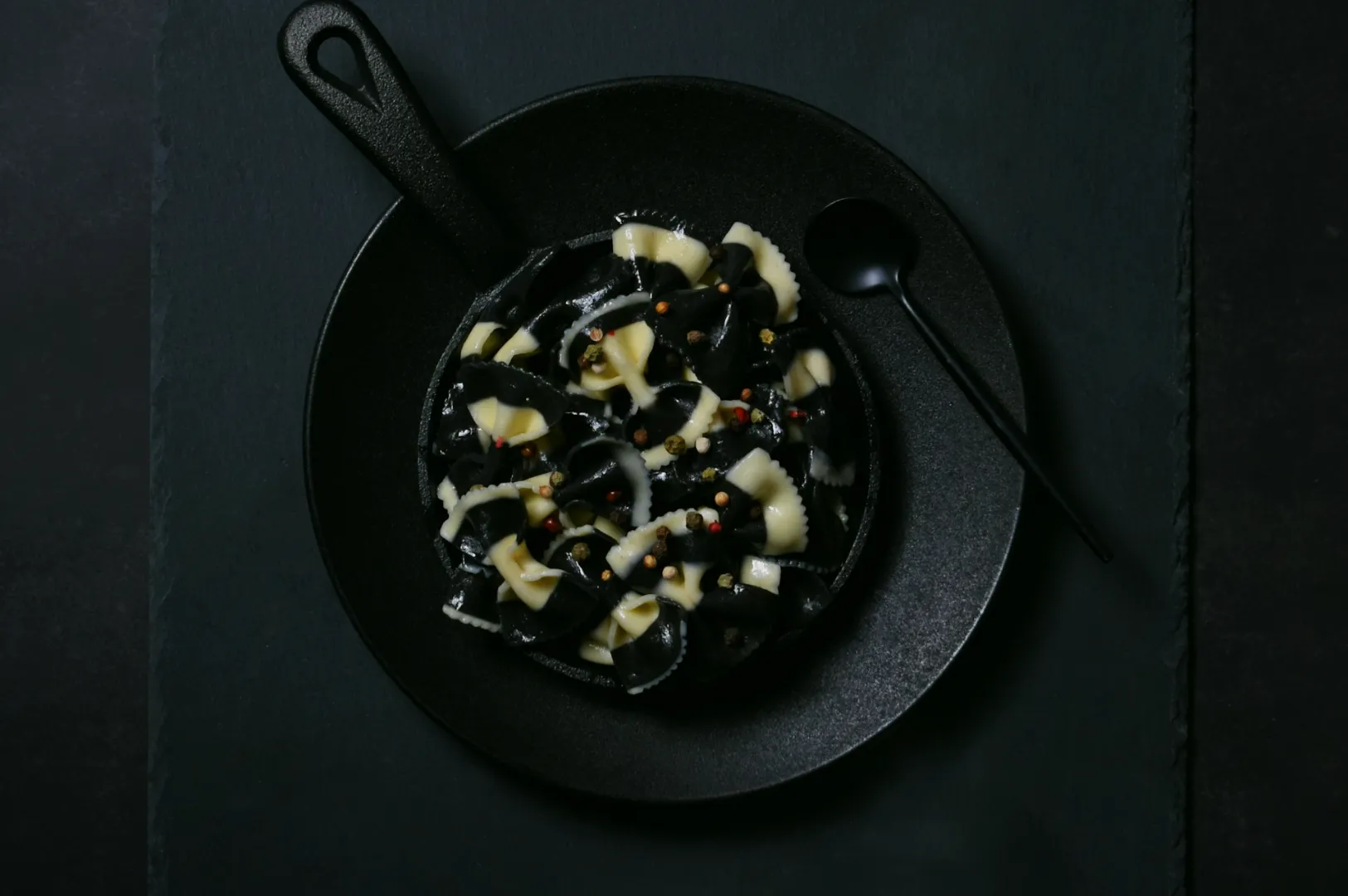
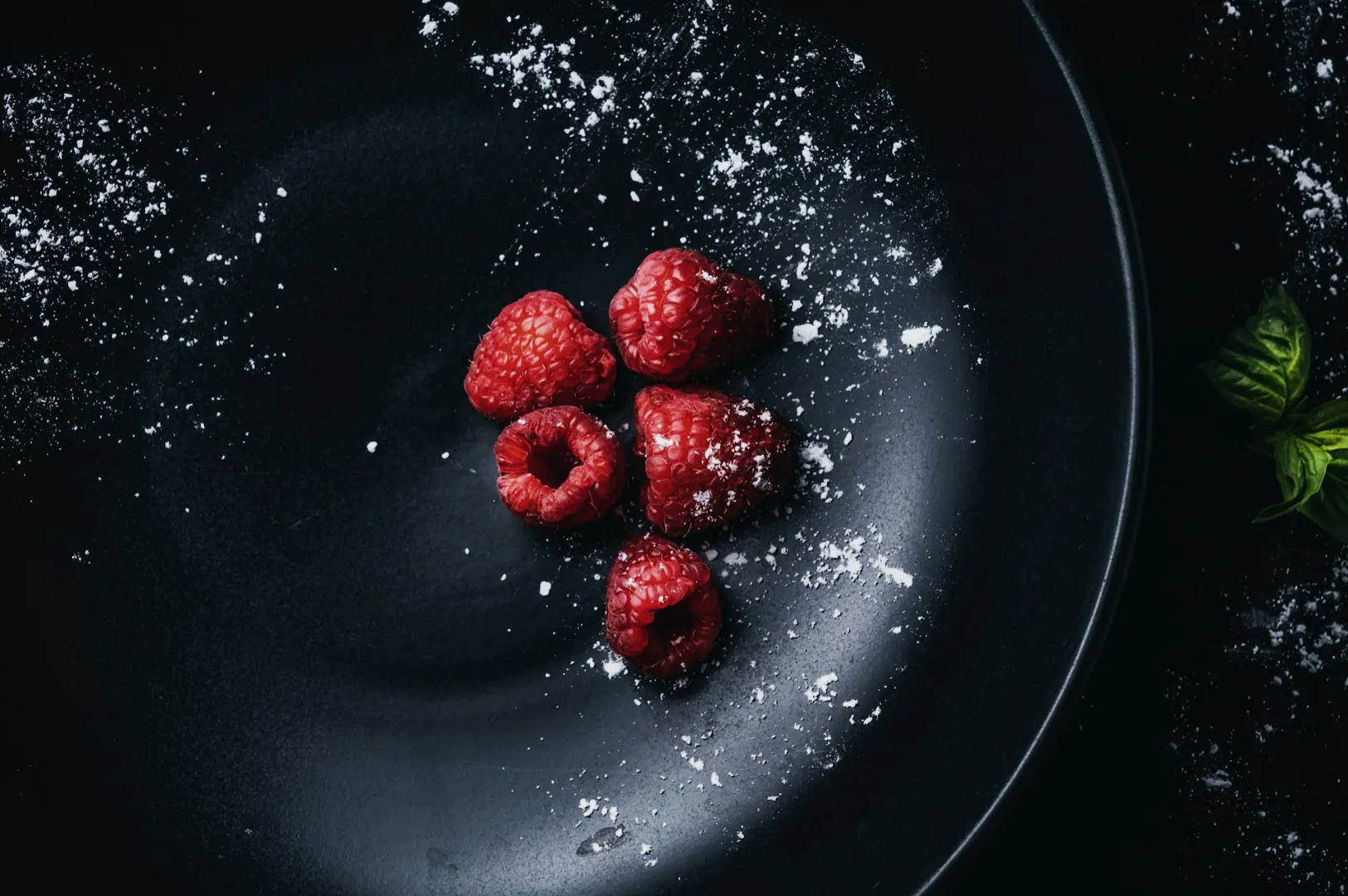
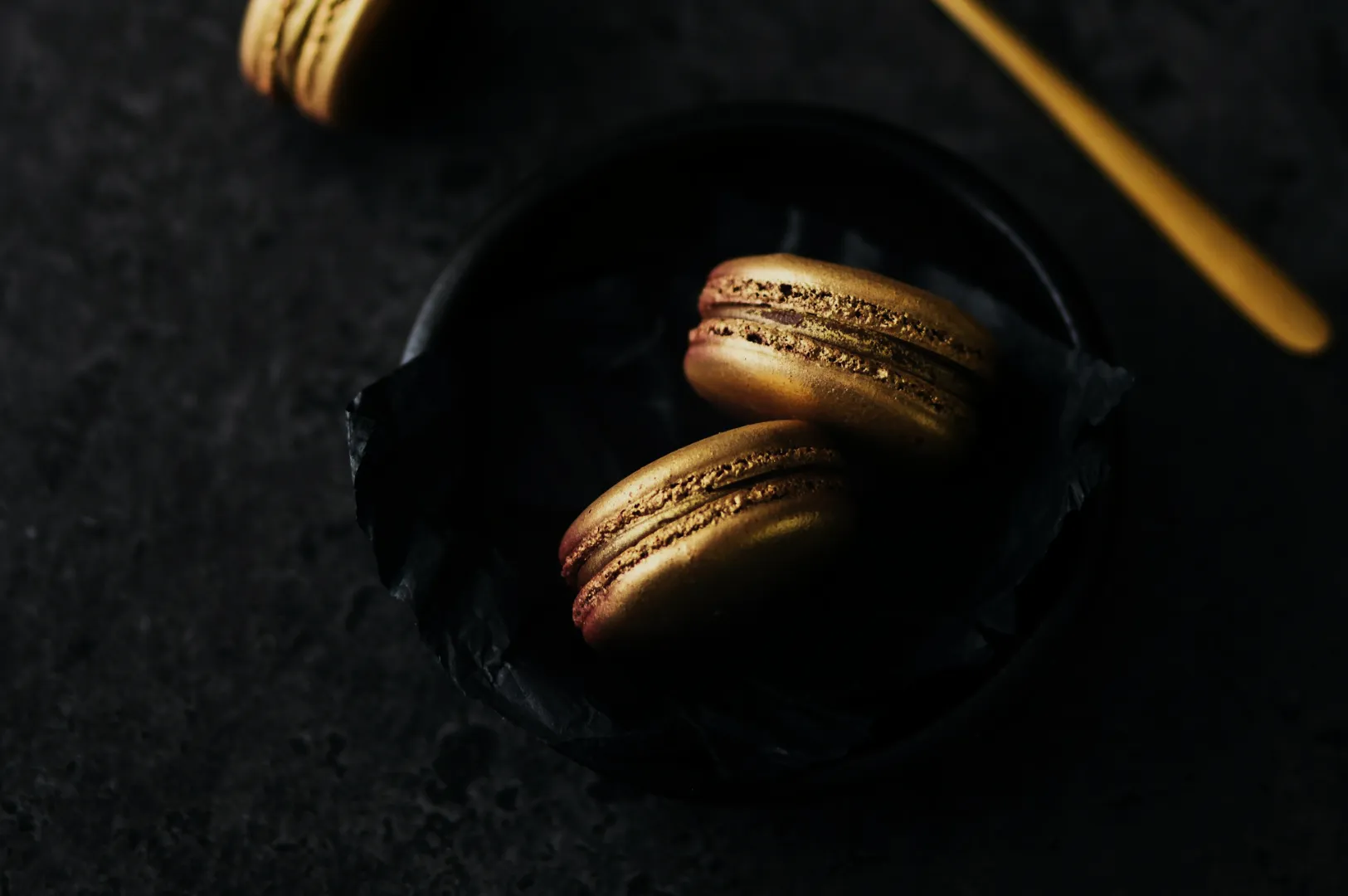
Good Restaurant Photography Singapore owners can rely on usually looks “simple” because it’s disciplined. It doesn’t overload the frame. It doesn’t hide the food in moody shadows just to look expensive. It gives customers a clear reason to click.
What To Photograph First (So You Don’t Waste Budget)
Most shoots fail at the planning stage, not the camera stage. The common mistake is photographing “everything” with no priority. That’s how you end up with 80 images and no real impact.
Start with three buckets:
- Your revenue anchors: These are your consistent bestsellers—the items that pay rent. If these photos are weak, everything suffers.
- Your profit drivers: High-margin dishes need strong visuals because customers must feel the value. These are often set meals, premium add-ons, special cuts, desserts, or anything priced above your category average.
- Your identity dishes: What you want to be known for. Sometimes this overlaps with bestsellers, sometimes not. But you still need hero images here because these dishes become your “memory hooks”.
For each dish, think about what the photo must communicate. Chicken rice isn’t just chicken rice: it’s sheen, grain definition, chilli colour and clean plating. Laksa isn’t just a bowl: it’s broth depth, toppings visibility and the sense of heat. Your shot list should be written like a checklist of visual proof, not just dish names.
A tight shoot plan beats a long shoot list every time. It’s the difference between “we shot our menu” and “we built a sales asset”.
The Singapore Reality: Lighting, Humidity, Timing and Control
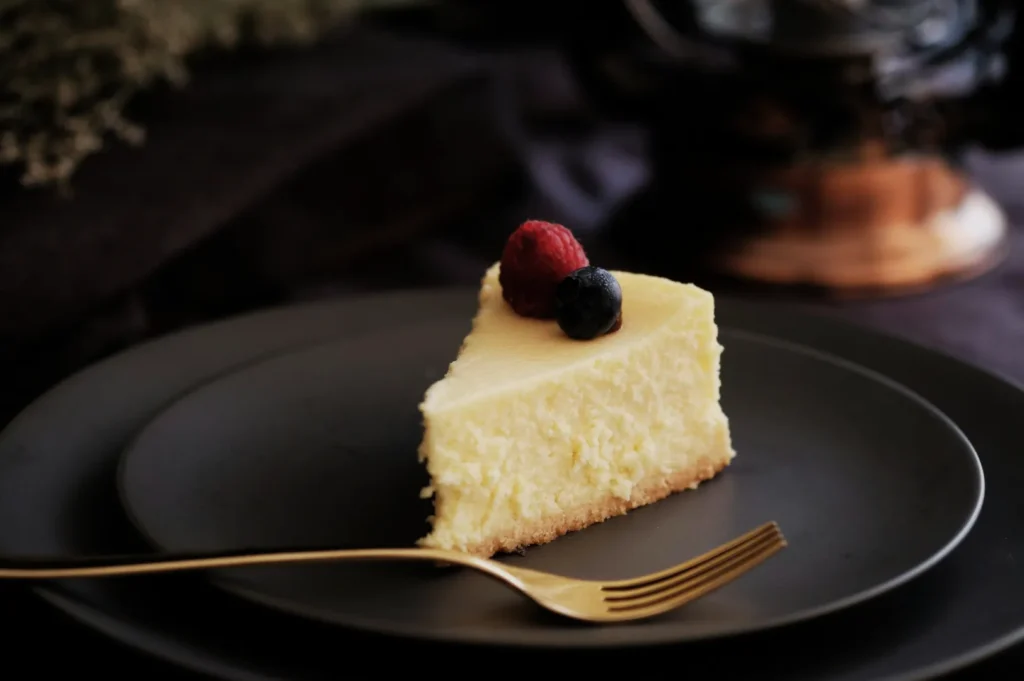
Restaurant photography is hardest when you treat it like normal photography. In Singapore, the environment fights you.
Mixed lighting is the silent killer.
Warm downlights, cool kitchen fluorescents, daylight spill from windows, neon signage; many venues have all of these at once. This is how greens turn dull, whites turn yellow, and sauces look muddy. You can’t “edit your way out” of bad light consistently. The foundations need to be right.
Humidity changes how food behaves on camera.
Fried food loses crispness fast. Herbs wilt. Ice sweats. Glossy dishes can look greasy if you miss the right highlight. Timing matters more here than people expect.
Control beats gear.
The difference between an amateur and professional result is often not the camera. It’s whether the team has decided:
- where the light is coming from
- what the angle will be
- what the background is
- when garnishes go on
- how fast the dish must be shot before it “dies”
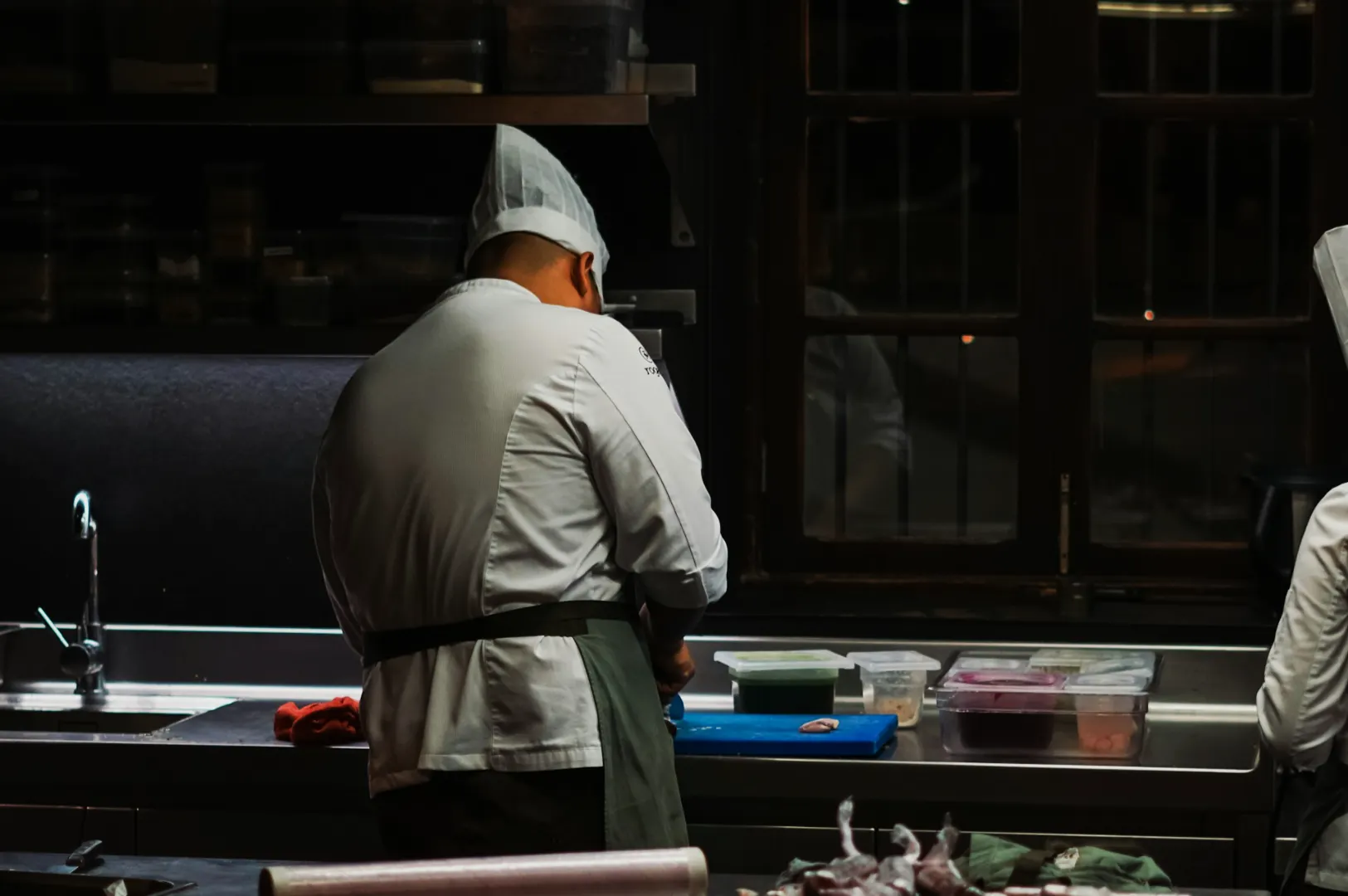
If you want better outcomes immediately, adopt a simple operational rule: set the scene first, plate last. When the dish arrives, the camera should already be ready. That alone improves consistency for any Restaurant Photography Singapore workflow: DIY or professional.
Platform-First Photography: One Dish, Different Jobs
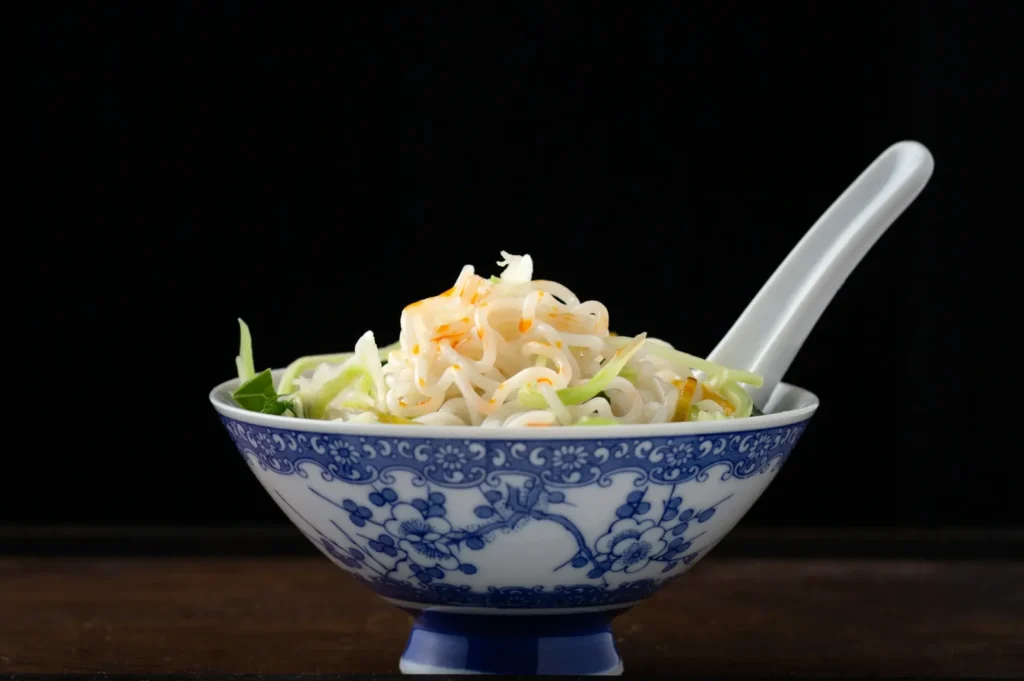
A strong photography set isn’t “one perfect photo per dish”. It’s a set that covers how customers actually browse.
Delivery platforms:
You’re working with thumbnails and fast decisions. Your best images here usually prioritise clarity: readable toppings, obvious portion, minimal distractions. Over-styling can backfire because it makes food look less like what customers receive.
Google Business Profile:
Google is a trust platform. People want proof you’re real, current, and easy to find. Besides food, you need a small selection of credibility images: storefront/exterior, signage, and a couple of environment shots that match reality. Restaurants in malls especially benefit from clear “how to find us” visuals.
Website:
Your website is where diners confirm a higher-stakes decision. This is where mood matters more—without losing clarity. Website hero images should feel like your brand (premium, warm, modern, heritage-driven) and be consistent across pages.
Instagram:
Instagram rewards variety and life. You can use more human moments, process shots, and close-ups. But it still needs a consistent visual style so your feed doesn’t look like five different restaurants.
A good system is to plan each dish with 2–3 useful variations:
- a clear “menu” shot
- a more atmospheric version
- a detail or texture close-up
That’s not more work. It’s smarter work.
Consistency Is The Real “Premium Look”
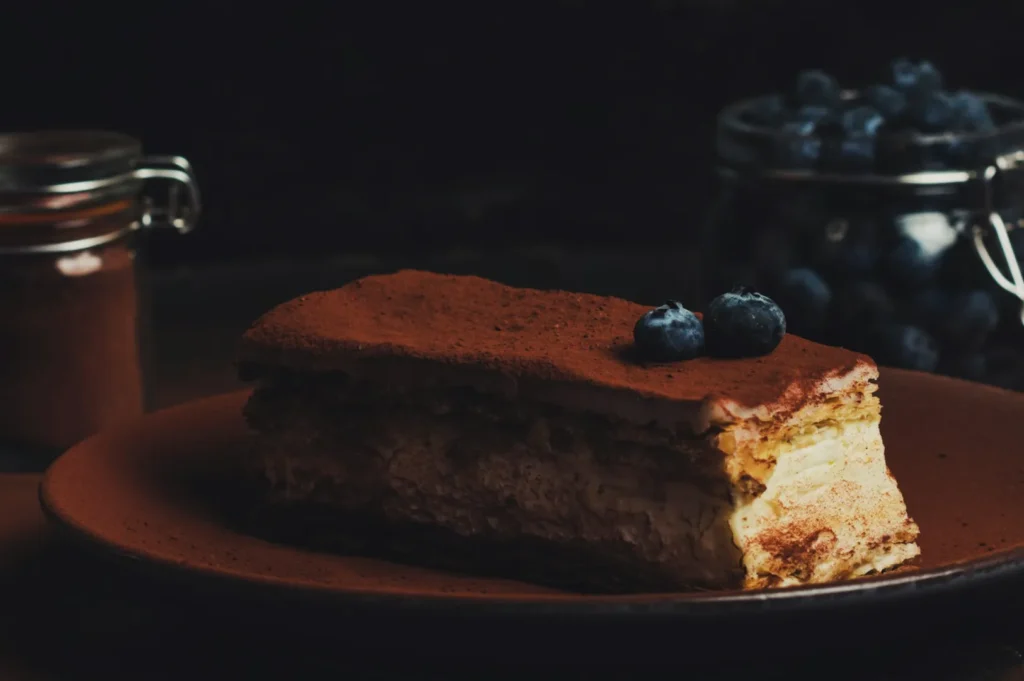
Many restaurants chase premium styling and forget the simplest premium signal: consistency.
When your menu has one bright dish, one dark dish, one heavily filtered dish, and one oddly angled dish, customers feel risk. They may not say it out loud, but they behave differently: they play safe and order familiar items only.
Consistency comes from a few boring decisions made once:
- a primary lighting direction (and a predictable setup)
- a standard angle approach by dish type
- a controlled colour profile (so whites look like whites)
- a repeatable editing style (not new filters every week)
This is why professional restaurant photography often feels calm and cohesive. It’s not because the food is “more photogenic”. It’s because the image set is controlled.
If you want a quick self-check: open your menu page or delivery listing and scroll. Does it look like one brand? Or a collection of unrelated posts? That answer usually predicts conversion.
If you want to see what a consistent, platform-ready set looks like in practice, you can explore our work at Food Photographer Studio.
Conclusion: Restaurant Photography That Builds Trust And Drives Orders
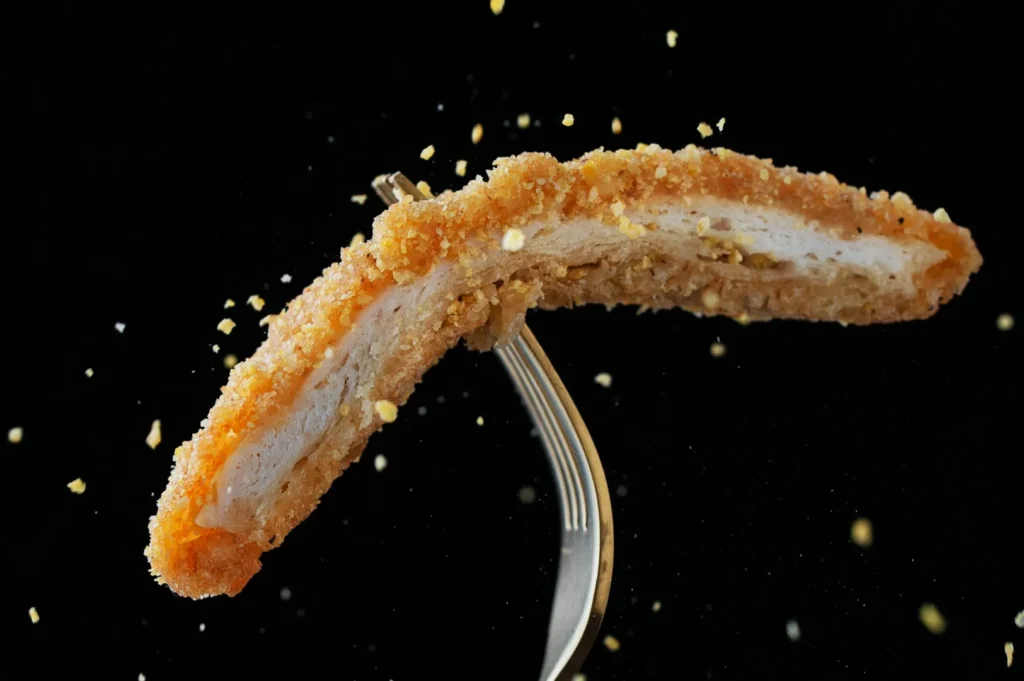
The best Restaurant Photography Singapore owners invest in isn’t about chasing trends. It’s about building a reliable visual system that helps diners decide faster, feel confident, and order with less hesitation.
If you take one thing from this guide, let it be this: your photos should reduce doubt. Start with your revenue anchors, plan your shoot like an operation (not an art project), and build consistency across platforms so your brand feels controlled and credible.
And if you’re at the point where you want results without constant trial-and-error, professional restaurant photography becomes a practical investment. At Food Photographer Studio, we approach shoots with Singapore realities in mind: mixed lighting, tight service windows, and customers who know food. The goal is always the same: a cohesive image set that works across menus, Google, delivery platforms, and social.