A restaurant photo shoot is often booked at one of two inconvenient moments: while the dining room is still covered in dust sheets, or three days before opening, when everyone is already tired.
We have arrived at shoots where the crockery was still being unpacked, the menu had handwritten substitutions and the chef was testing the final sauce between photographs. The team was working hard, but the restaurant was not yet ready to be recorded.
The best time for a first photo shoot is not simply “before opening.” It is when the food, space and brand are settled enough to look like the restaurant customers will actually visit.
Do Not Let the Opening Date Set the Shoot Date
Working backwards from opening day is useful, but it should not be the only calculation. In Singapore, a new food shop must move through application review, layout-plan assessment, a pre-licensing inspection and final approval under the Singapore Food Agency’s food shop licence process.
Photography sits inside this wider sequence. Renovation delays, equipment installation and kitchen testing can all move. Booking a shoot before these pieces are stable may produce photographs that become inaccurate before they are published.
As a practical starting point, schedule the main shoot about two to four weeks before the confirmed opening, with some flexibility built in. That leaves time for editing, menu layout, website uploads, press materials and social posts without forcing the kitchen to photograph unfinished dishes.
Wait Until the Menu Can Survive a Full Rehearsal
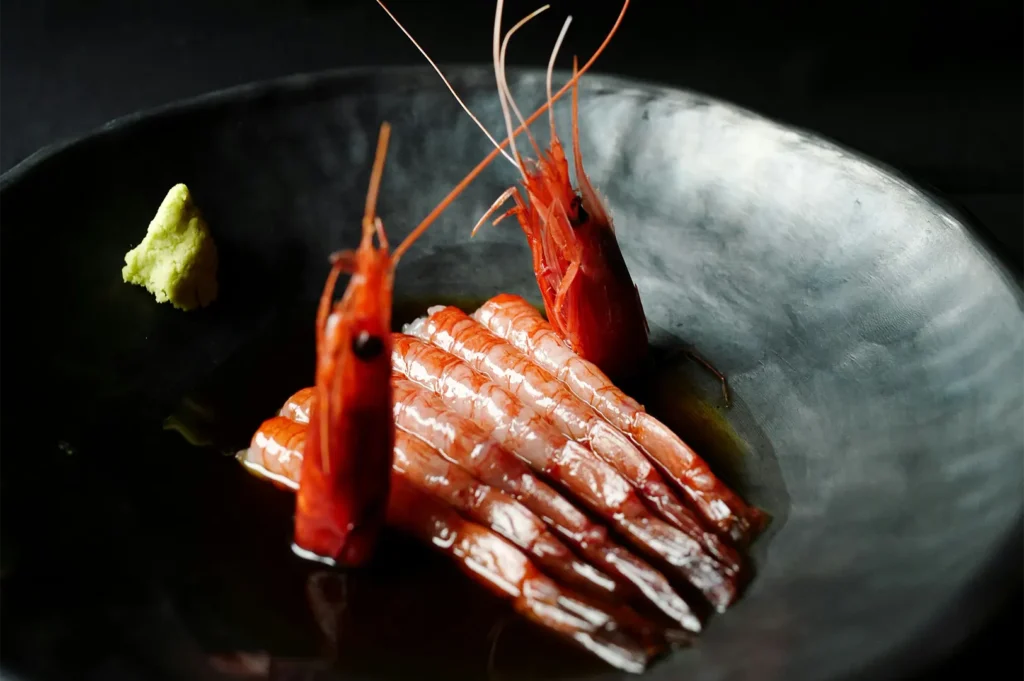
A tasting portion is not always a service-ready portion.
Before the shoot, the kitchen should be able to prepare the selected dishes at their intended size, on the approved plates, with the garnishes customers will receive. The chef should also know how the food changes after five or ten minutes outside the kitchen.
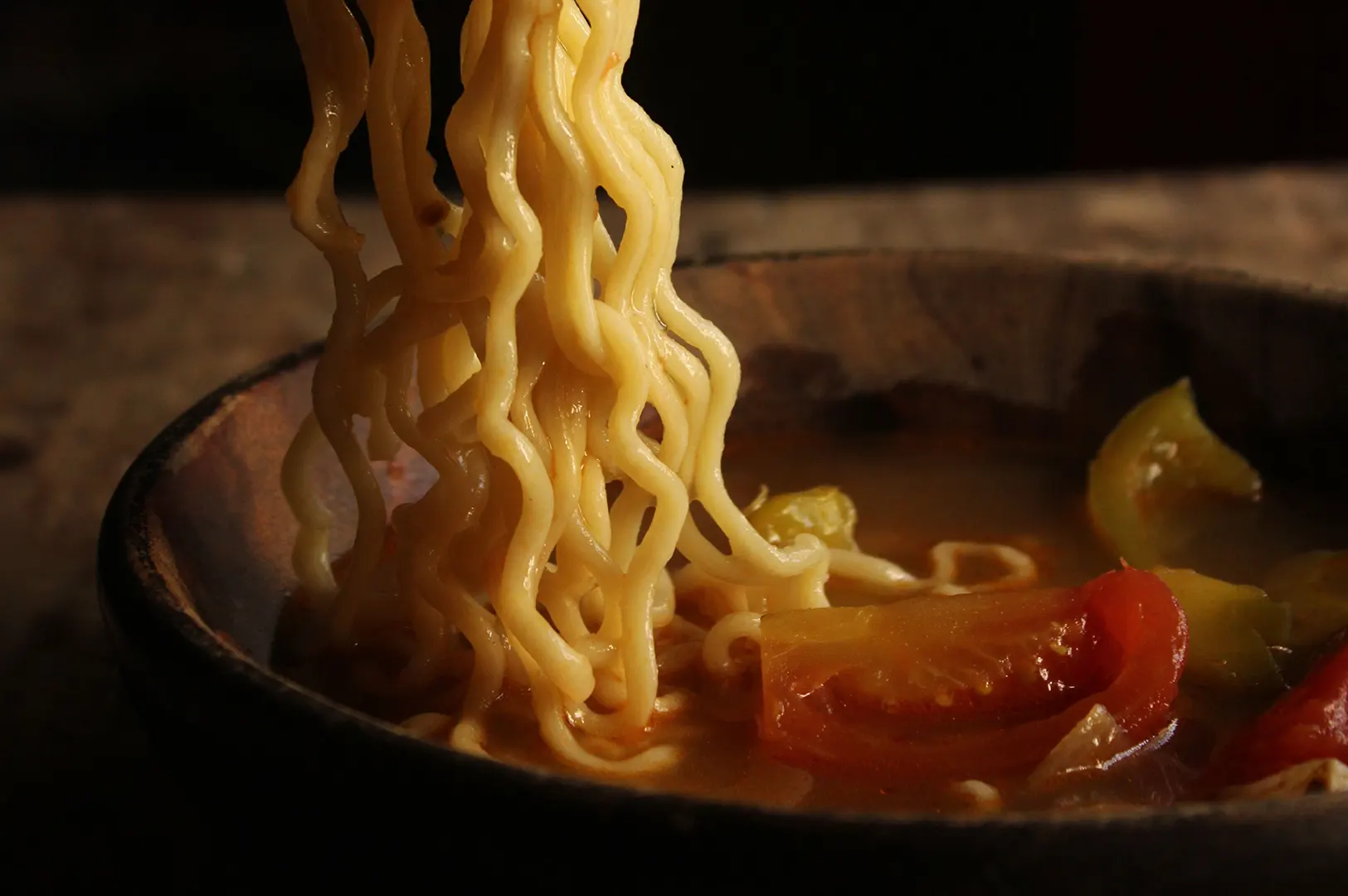
We once watched a noodle dish absorb nearly all its sauce while the table setup was being adjusted. The original styling plan looked generous at the pass but dry under the camera. The solution was not more garnish. It was changing the preparation order and bringing the noodles out only after the light was ready.
A complete menu is helpful, but a repeatable menu is more important. If recipes, portions or presentation are still changing daily, photograph only the confirmed hero dishes and leave the rest for a later menu update.
The Dining Room Does Not Need to Be Perfect
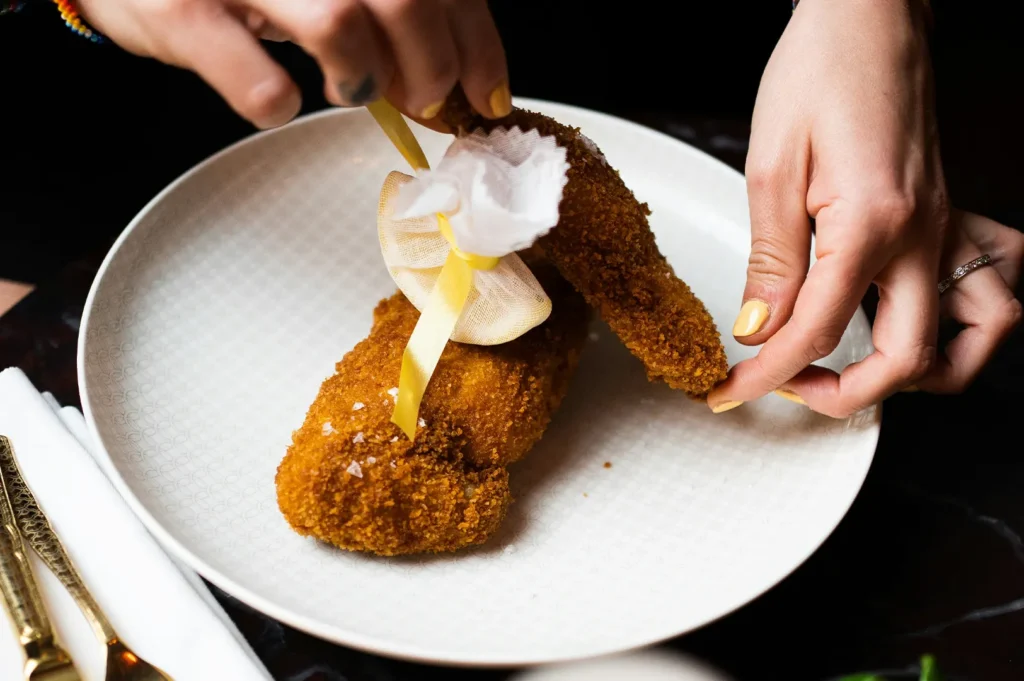
The space should be photographable, not necessarily open-ready.
Key furniture, lighting, signage, tableware and visible branding should be installed. Cardboard boxes can be moved. A missing decorative object can be added later. A temporary table layout, unfinished wall or absent sign is harder to disguise honestly.
This matters because the first shoot usually needs more than close-ups of food. Google recommends adding photographs of a business’s exterior, products and services to help customers recognise and understand it through its Business Profile.
A useful opening library may therefore include the storefront, dining room, signature dishes, drinks, staff and a few wider service moments.
Bring the Photographer In Before Shoot Day
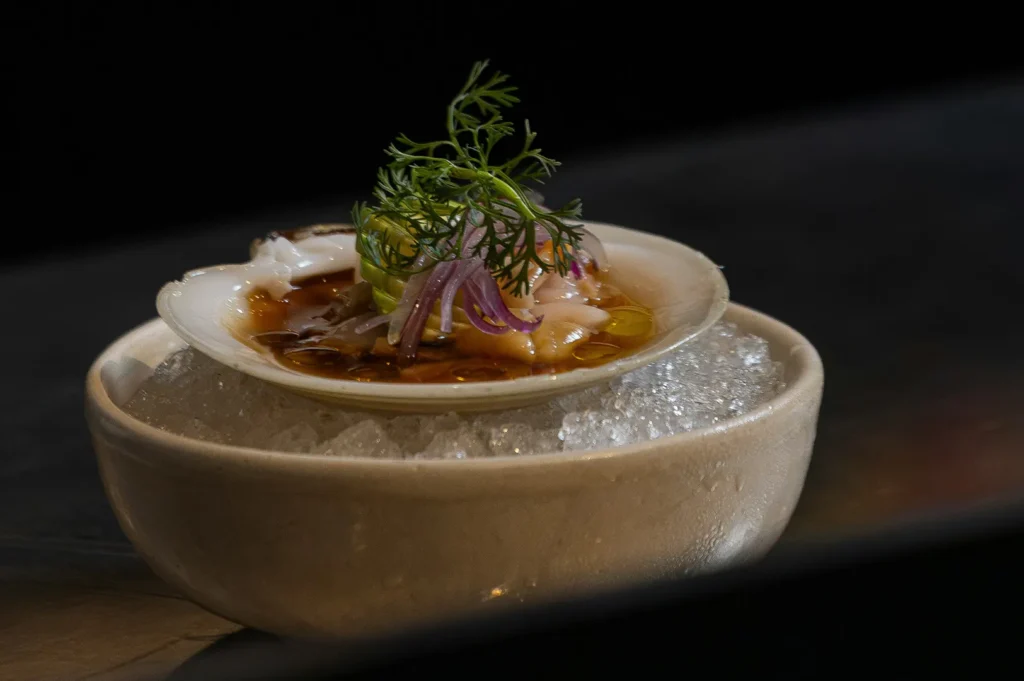
The photographer does not need to attend every construction meeting. However, an early conversation can reveal problems while they are still easy to solve.
A professional food photographer in Singapore can help identify which dishes need hero treatment, which images require space for text and whether one shoot can realistically cover menus, delivery platforms, social media and publicity.
We also look at practical details: where the best natural light falls, whether power points are accessible, how far the shoot table is from the kitchen and which dishes need to arrive first. These questions sound small until a melting dessert travels through two corridors and a busy service lift.
Leave Room for a Second, Smaller Shoot
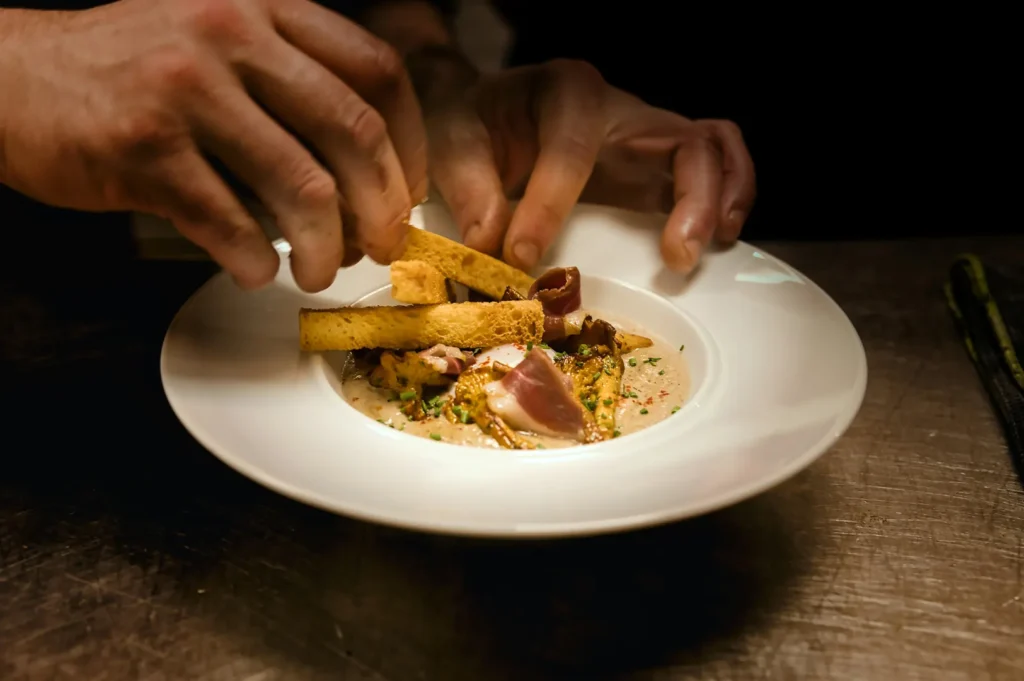
New restaurants change after real customers arrive. A dish may be replated because service is too slow. A drink may be removed. The most popular order may not be the one the team expected.
Instead of forcing every possible image into the first session, plan a focused opening library and review it after the first few weeks. A short follow-up shoot can capture new bestsellers, actual service energy and details that were unavailable before launch.
The first shoot should give the restaurant a confident visual beginning, not pretend that opening day is the final version of the business.
Book it when the concept is recognisable, the kitchen is repeatable and the space can tell the truth.