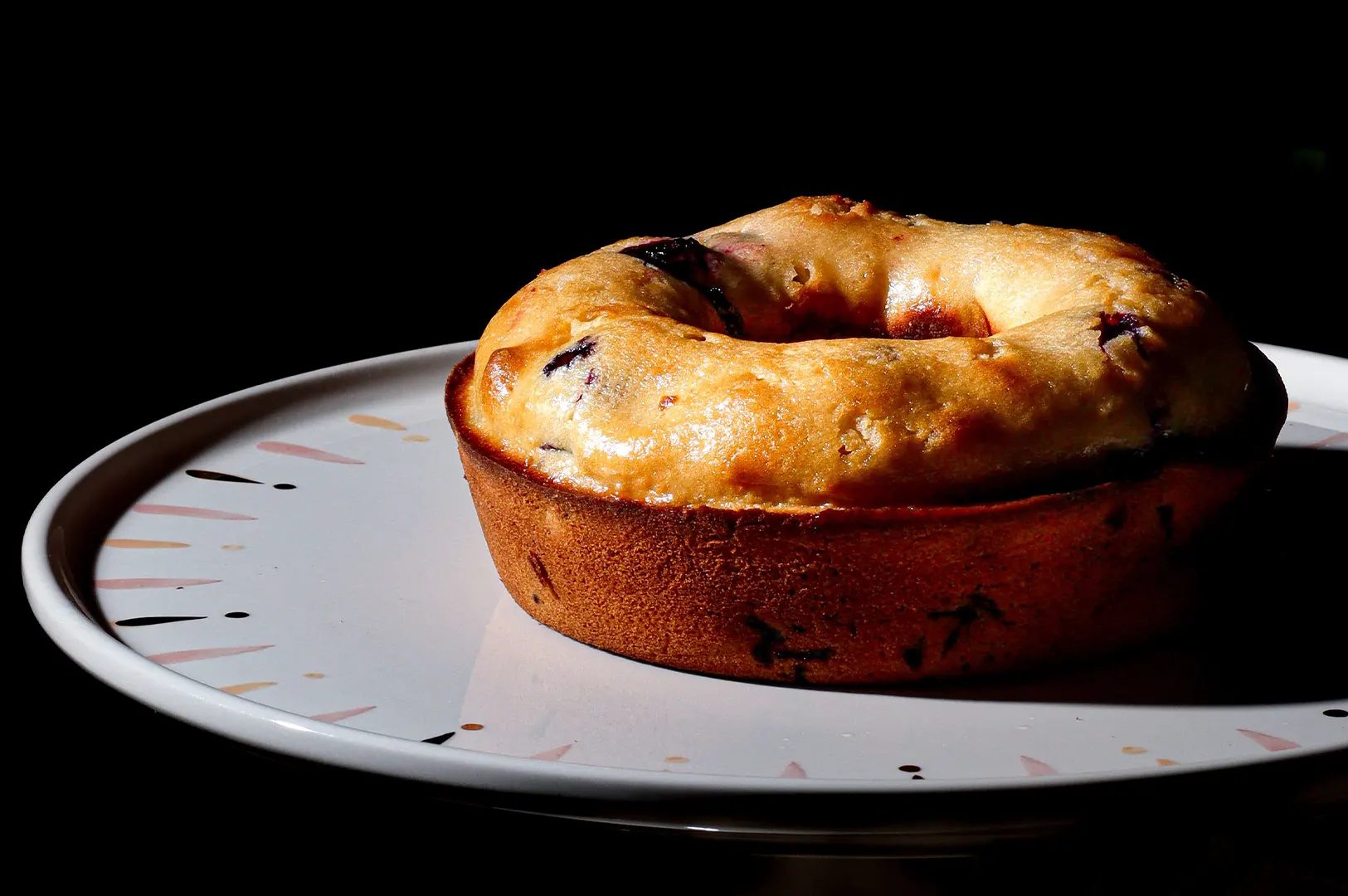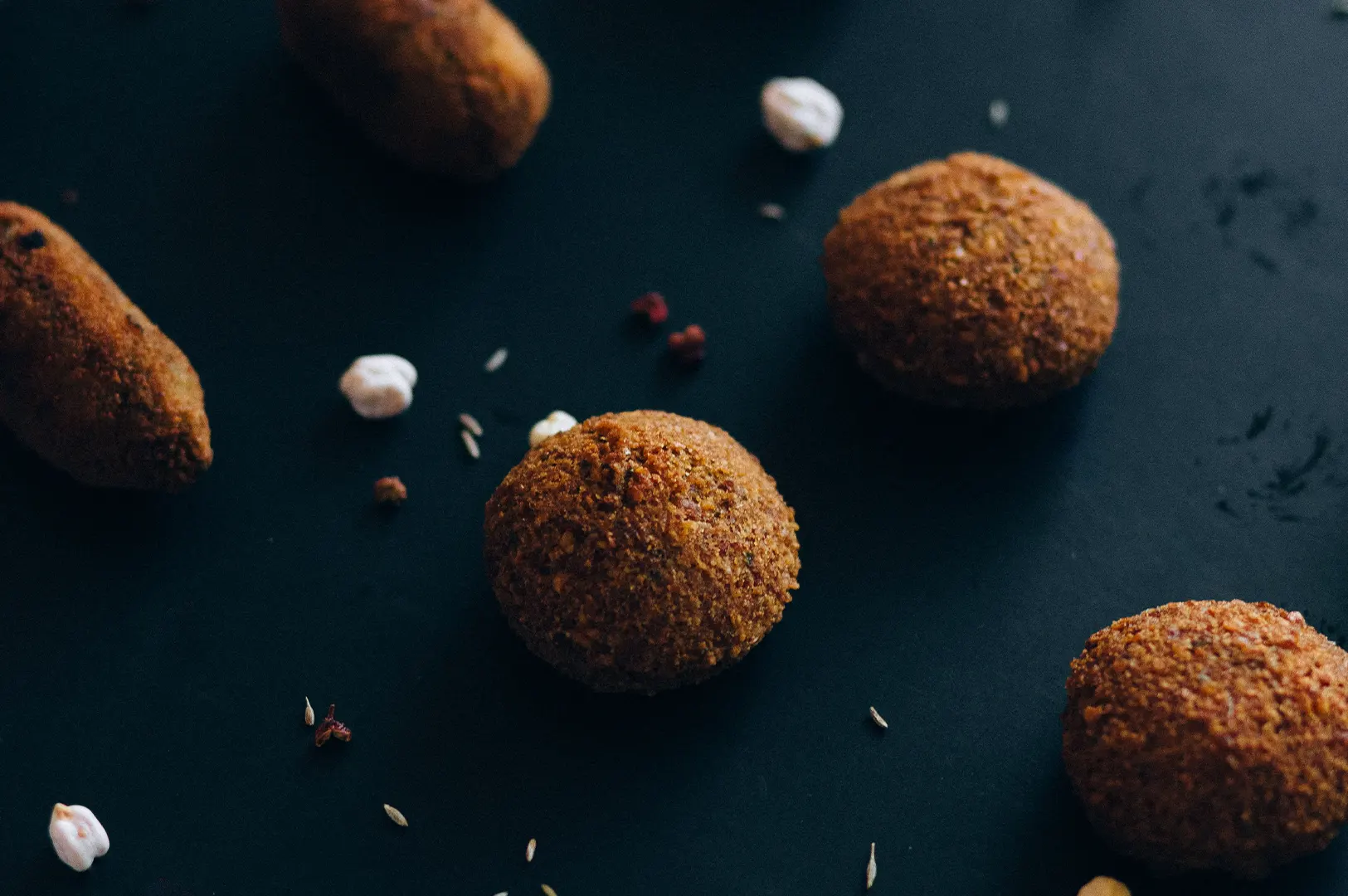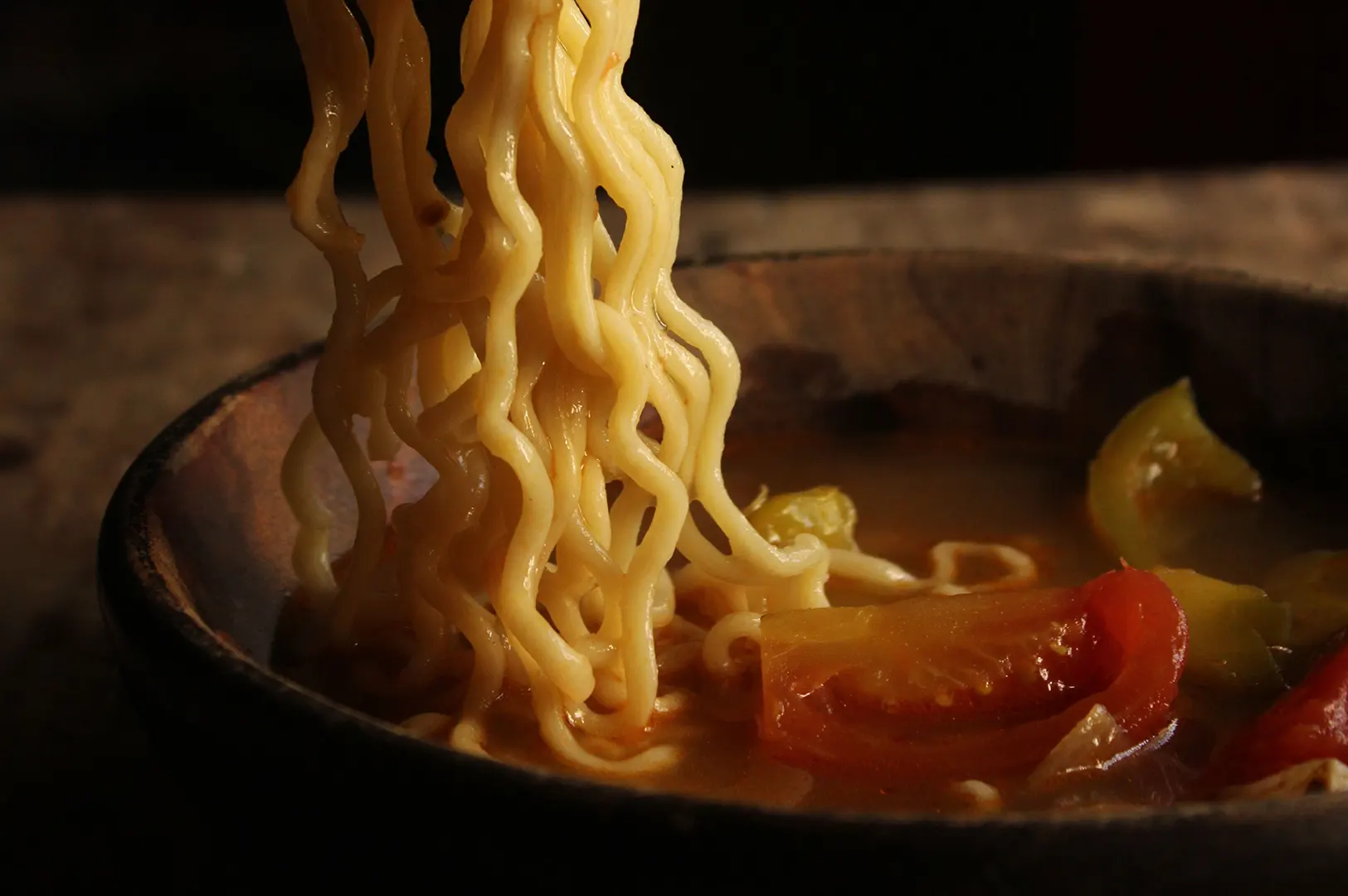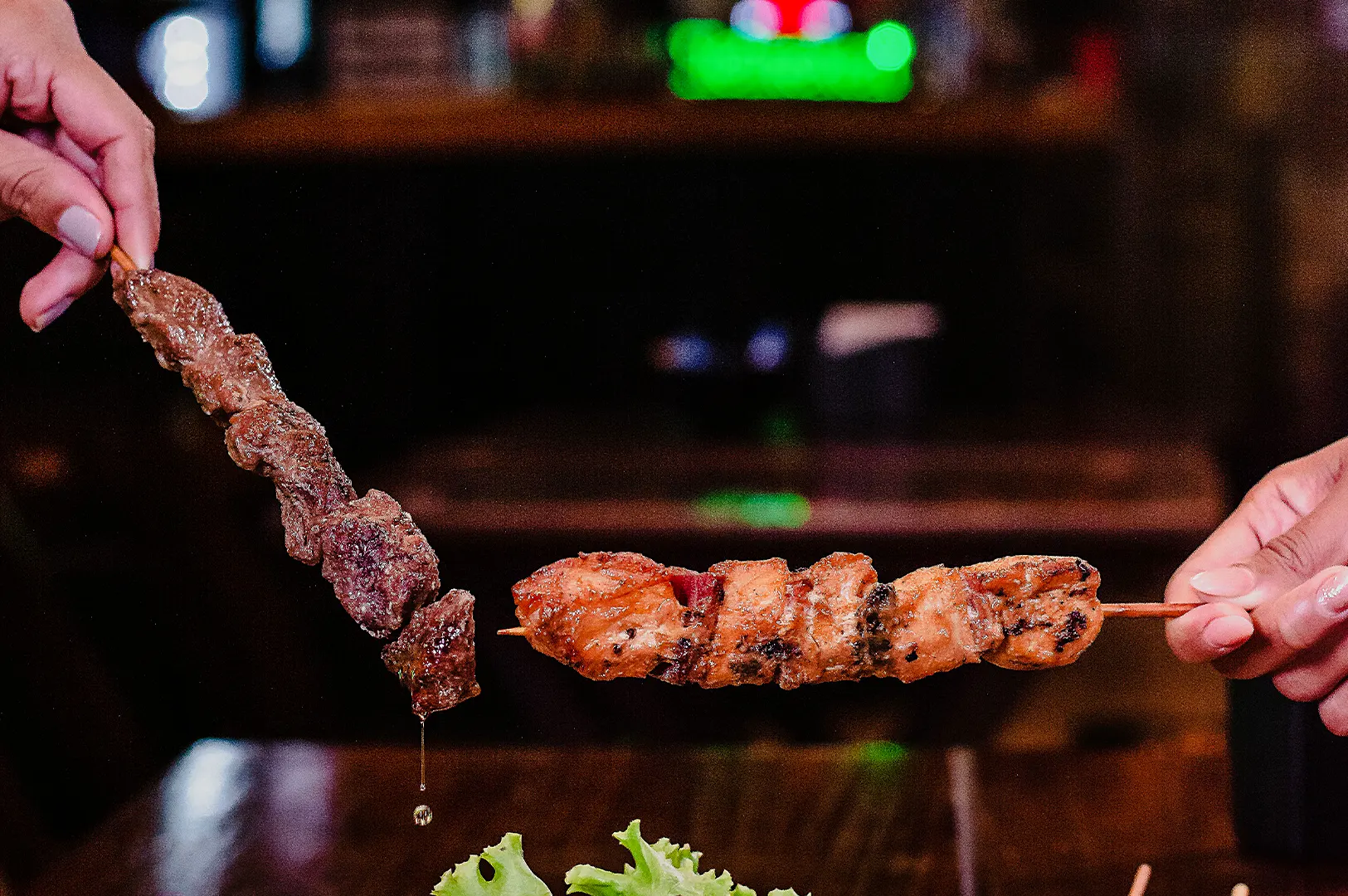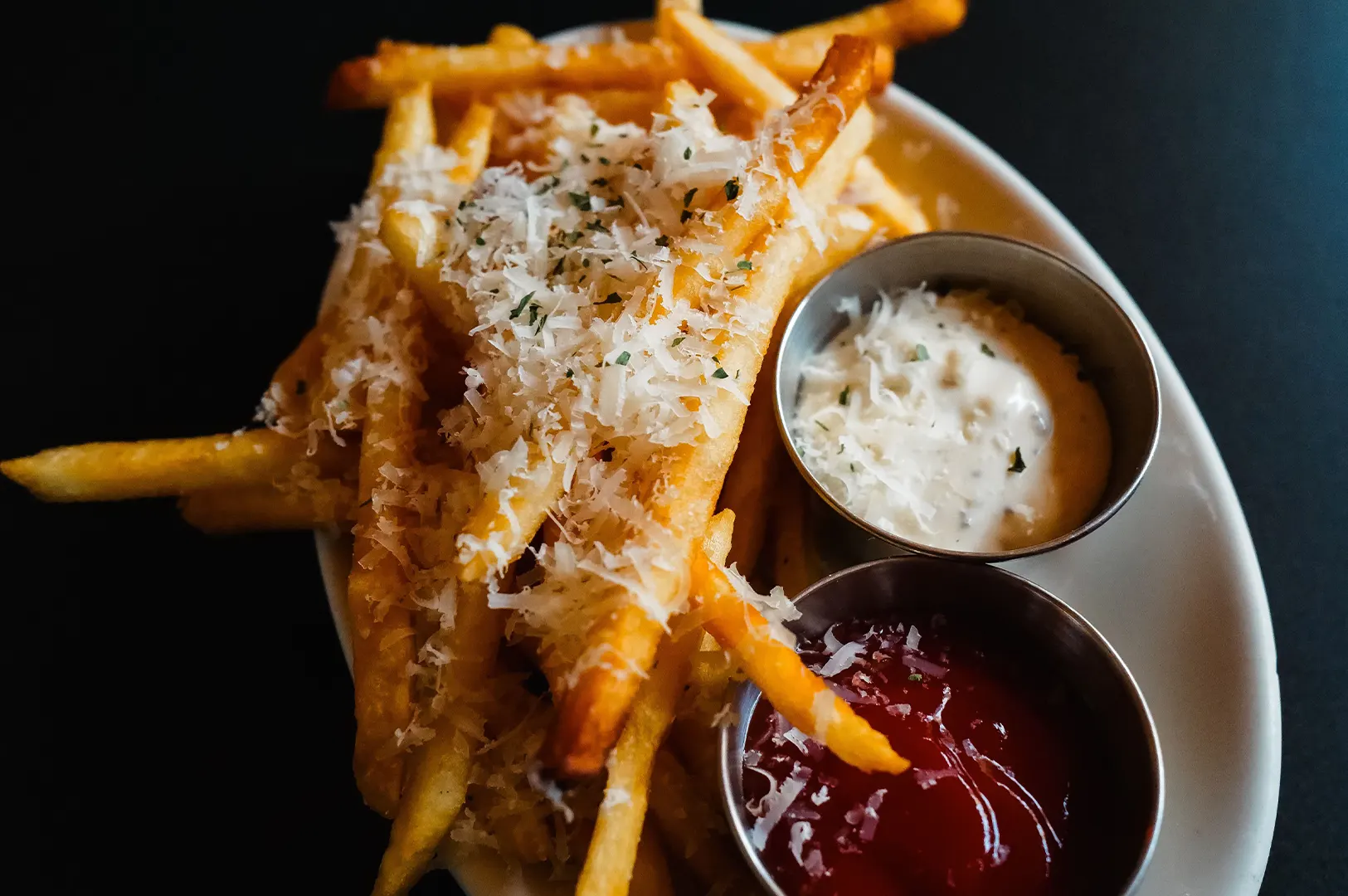
Brown food is often blamed for looking dull on camera. We hear it most when the menu includes curry, braised meat, fried chicken, soy-darkened noodles or several dishes finished with the same glossy sauce.
The food is not the problem.
We have photographed tables where every plate appeared to belong to the same brown family, yet each dish behaved differently under the light. One had crisp edges, another had a thick gravy, and a third depended on the shine of rendered fat. The camera was recording colour, but it was not clearly showing the differences that made each dish appetising.
Brown food does not need to be made brighter or more colourful. It needs better separation, texture and light.
Start by Finding the Dish’s Strongest Detail
Before adding garnish, ask what makes the dish recognisable.
For fried chicken, it may be the uneven crust. For rendang, it may be the cling of the reduced sauce around the meat. A braised pork dish may need the layers of fat and lean to remain visible. Curry often depends on the contrast between the sauce, protein and ingredients sitting just beneath the surface.
We once adjusted a braised dish several times because the first angle showed only a smooth pool of sauce. It looked rich in person but flat in the photograph. Moving the camera slightly lower revealed the meat, the sauce line and the thickness of the gravy without changing the plating.
The first solution is usually not decoration. It is deciding which texture the photograph must reveal.
Use Light to Separate Similar Tones
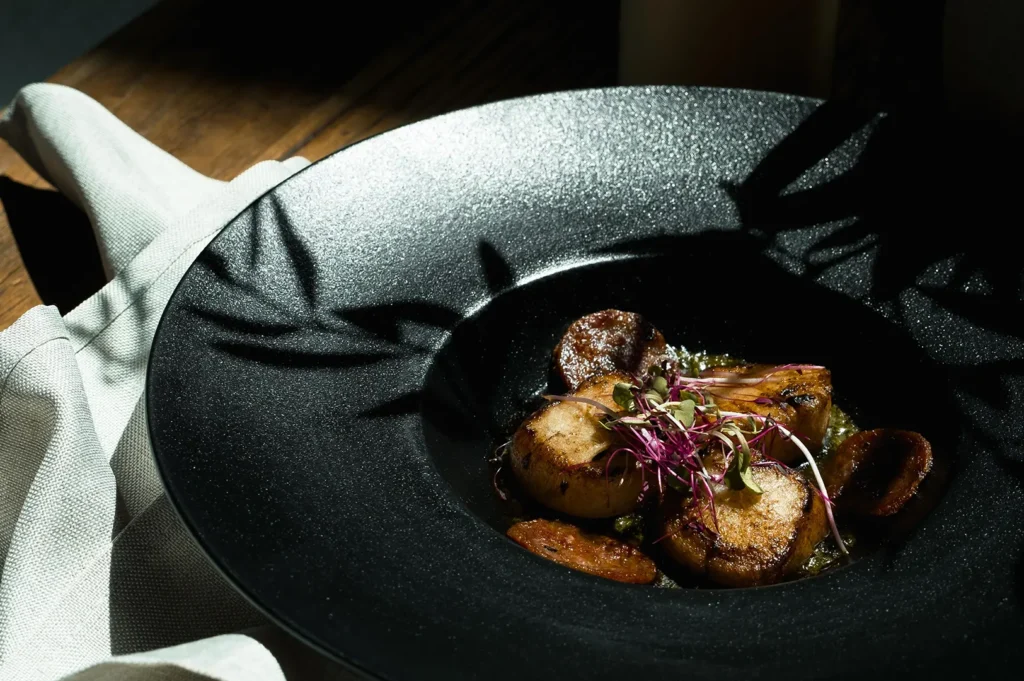
Flat front lighting can make curry, meat and sauce merge into one surface. We usually move the light to the side or slightly behind the dish so the raised edges catch highlights and the deeper areas hold shadow.
This is especially useful for fried food. A little directional light allows the crust to cast tiny shadows, which helps it look crisp rather than uniformly brown. Nikon’s guide to creating light for food photography also notes that natural light changes in both colour and strength, while controlled artificial light can provide a more consistent result. That consistency matters when a menu shoot includes several brown dishes photographed over several hours.
We also watch the restaurant’s existing lights. Warm ceiling lamps can push golden fried food towards orange and turn dark sauces muddy. Switching them off, blocking them from the shooting area or correcting the white balance before the food arrives is easier than trying to rescue every photograph later.
Add Contrast Without Turning Garnish Into Confetti
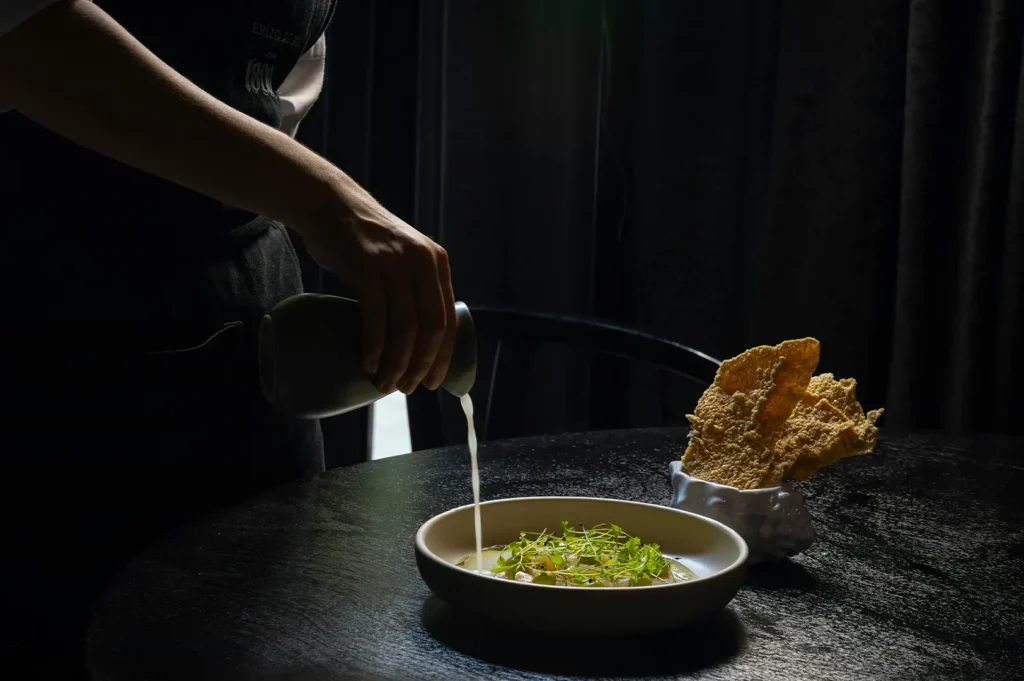
A green leaf can help, but five unrelated garnishes usually make the plate look nervous.
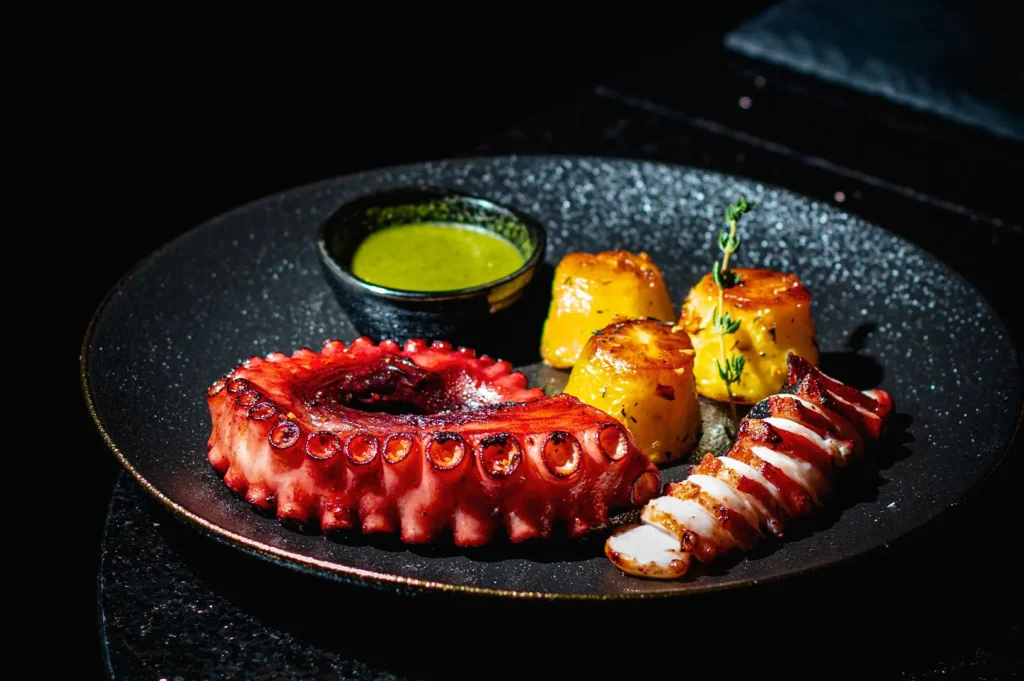
Use contrast that belongs to the dish. That may be sliced chilli, spring onion, pickled vegetables, pale rice, a ceramic bowl or a cooler-toned tabletop. The supporting colours should help the customer read the main food, not distract from it.
Adobe’s Lightroom Academy explains that dishware, backgrounds and props all contribute to a food photograph’s colour scheme. Its guide to working with colour in food photography is a useful reminder that colour can come from the setting around the dish, rather than being forced onto the food itself.
This is where plate choice matters. A dark curry in a black bowl may feel elegant at the table but disappear in a small menu image. A pale or muted plate can create separation without making the food look less authentic.
Protect the Food’s Natural Finish
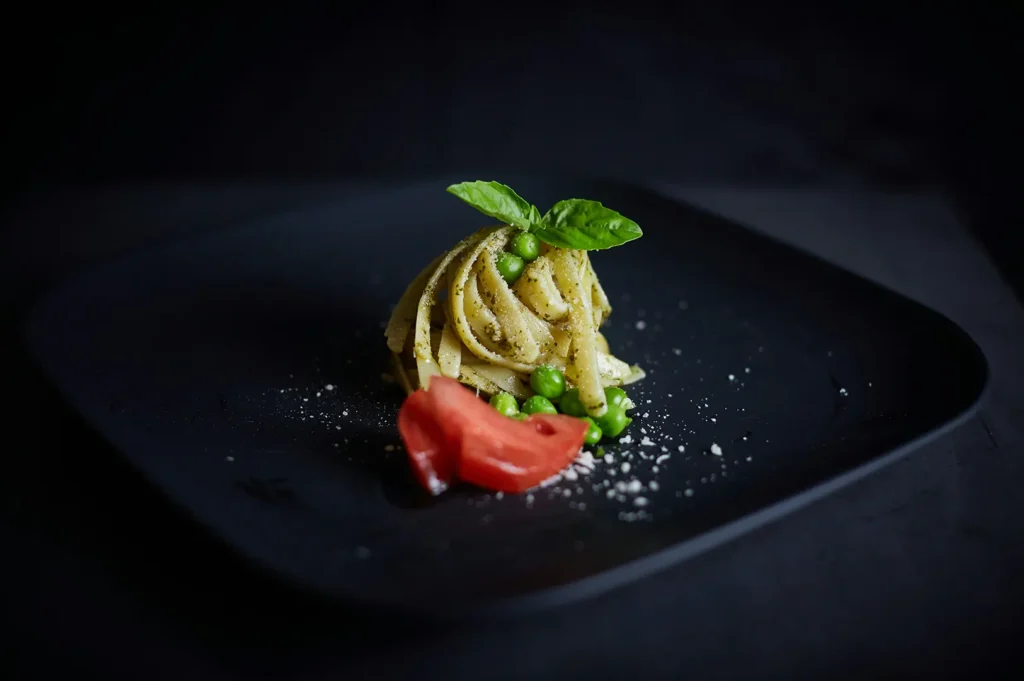
Brown dishes often lose their appeal when they sit too long. Fried coatings absorb moisture. Braising sauce forms a skin. Curry oil settles into patches. Meat begins to look dry even when it still tastes tender.
We prepare the frame before the final plate arrives. The light, camera angle and props should already be decided. For fried food, we may photograph the cleanest hero pieces first, then build the wider serving around them. For curries and braises, a final spoon of the actual sauce can restore the surface without making it unnaturally glossy.
A professional food photographer should understand that the goal is not to disguise a brown dish. It is to show why one is crisp, another slow-cooked and another deeply sauced.
Good photography does not ask curry to become salad. It gives brown food enough shape, contrast and texture to speak for itself.