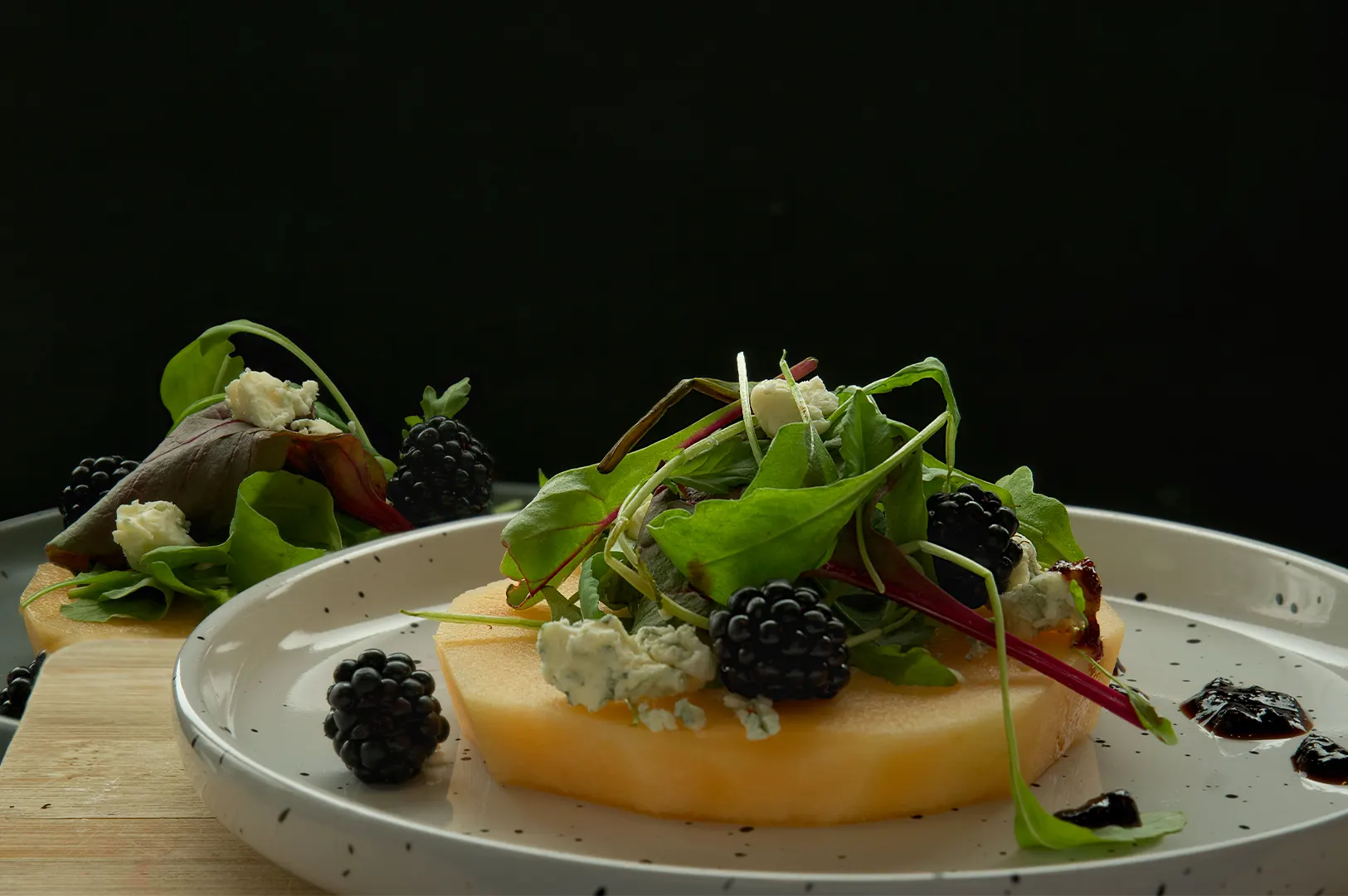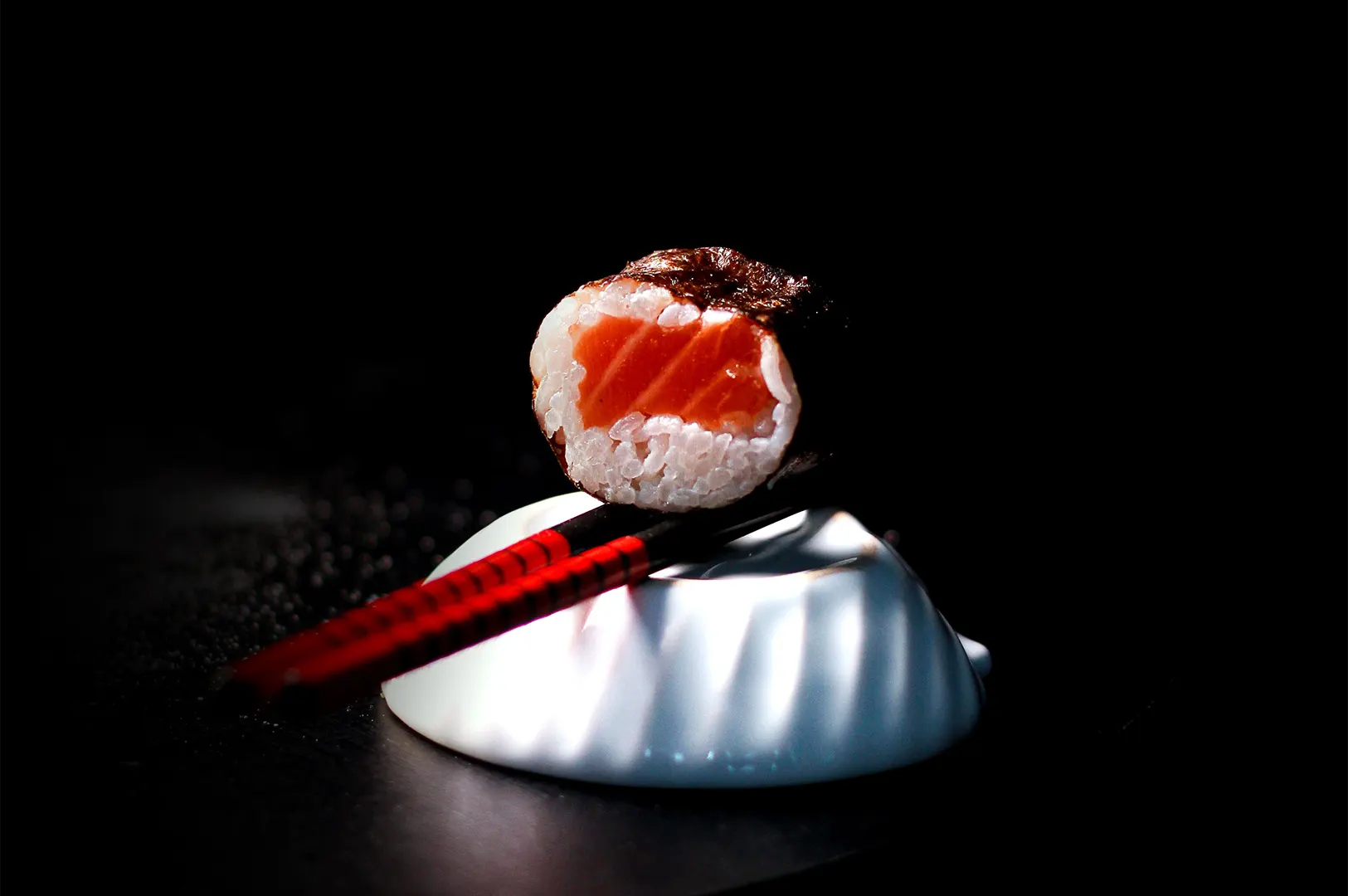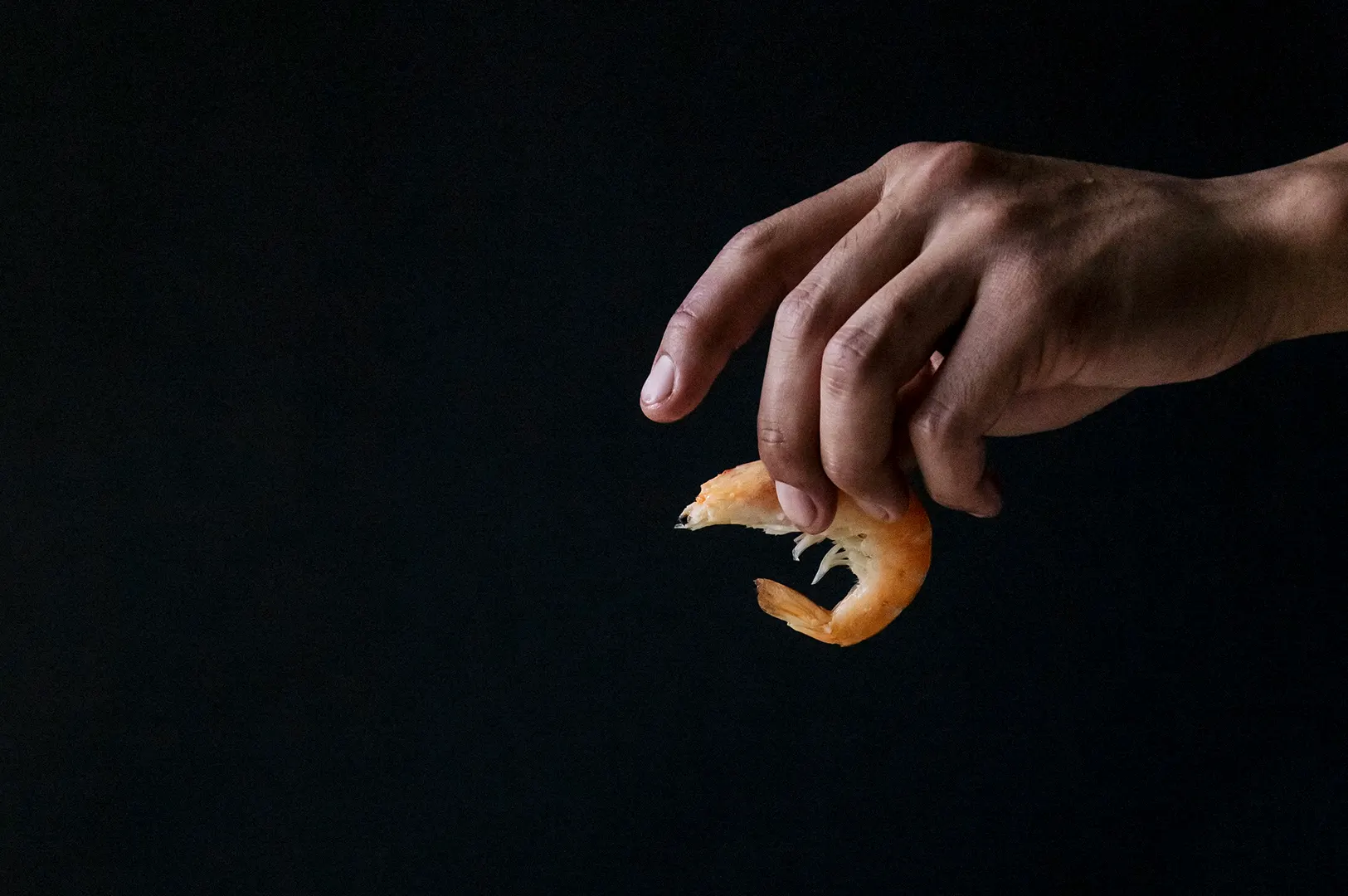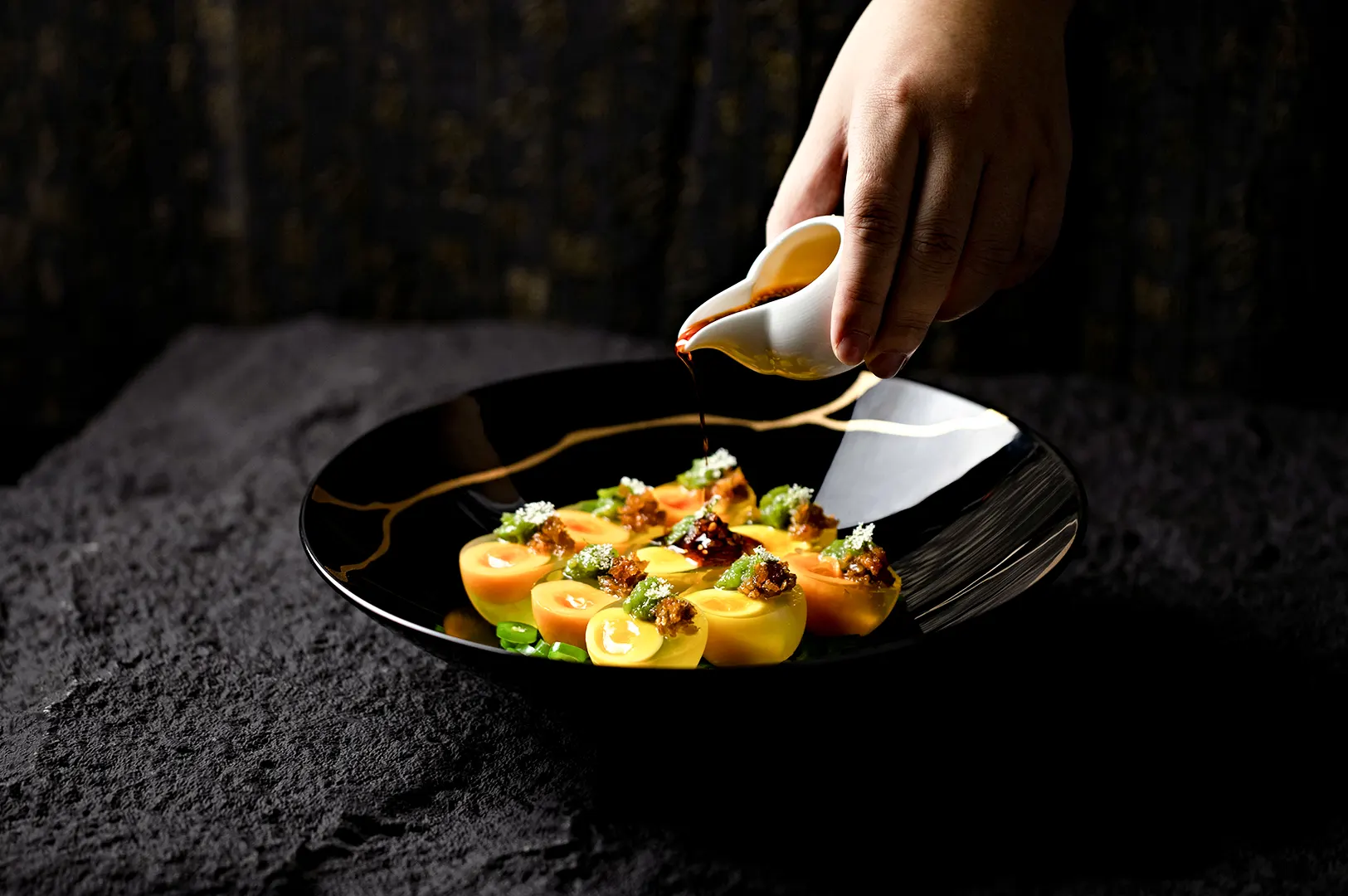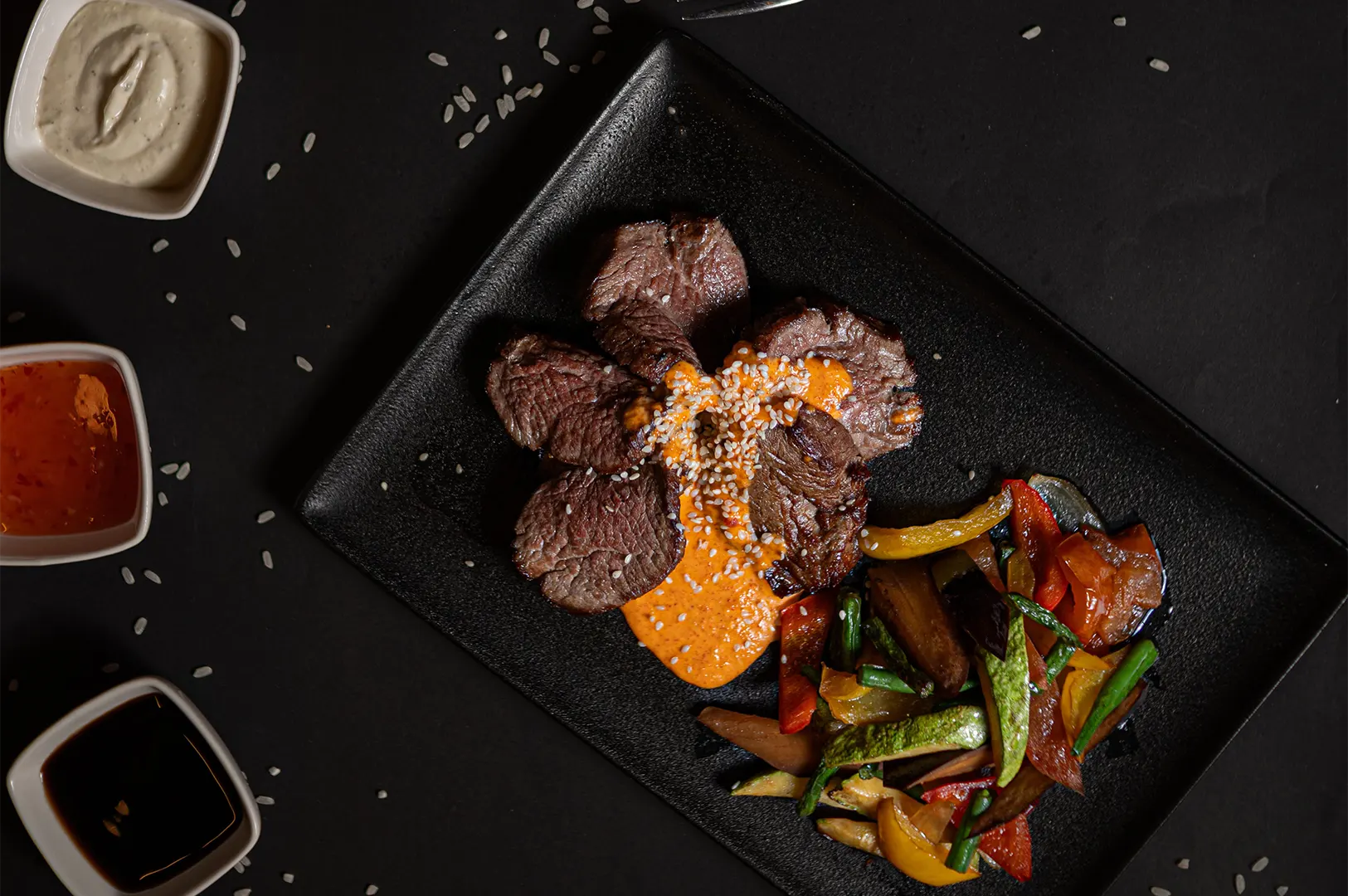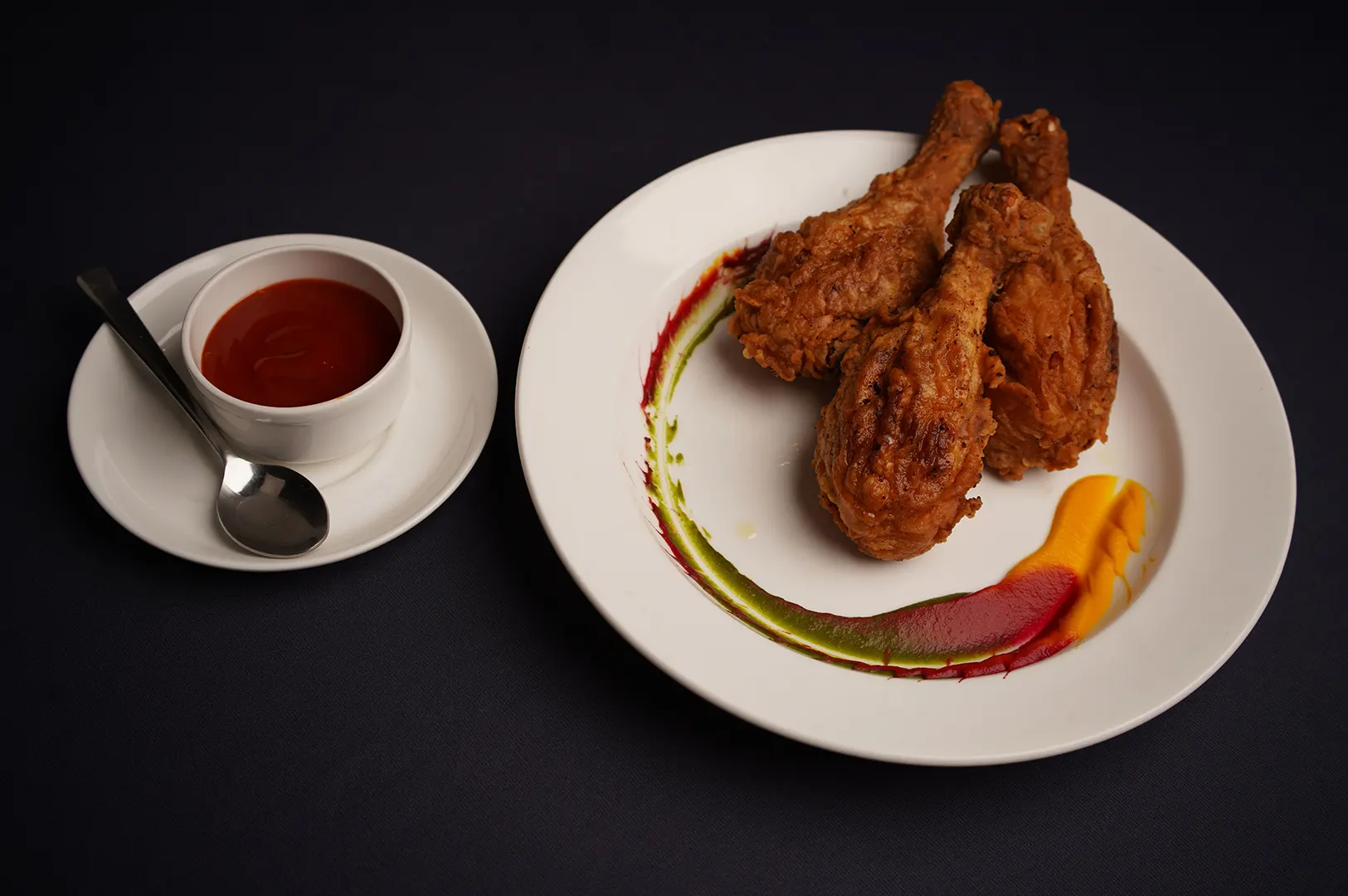
The finished plate is not always the most interesting part of the shoot.
Sometimes it is the fish arriving whole.
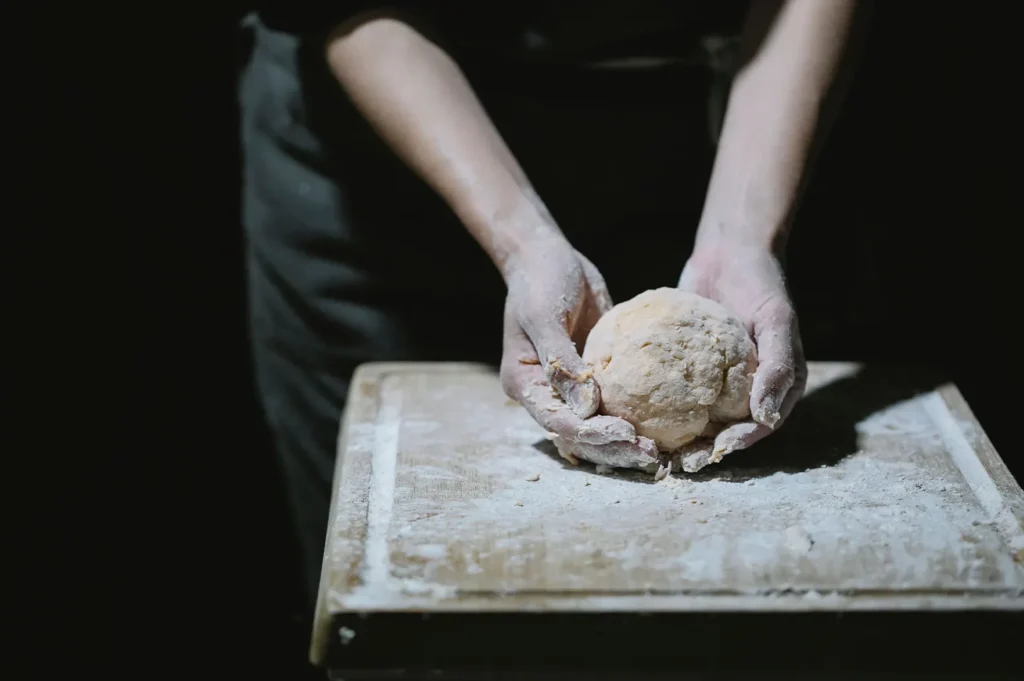
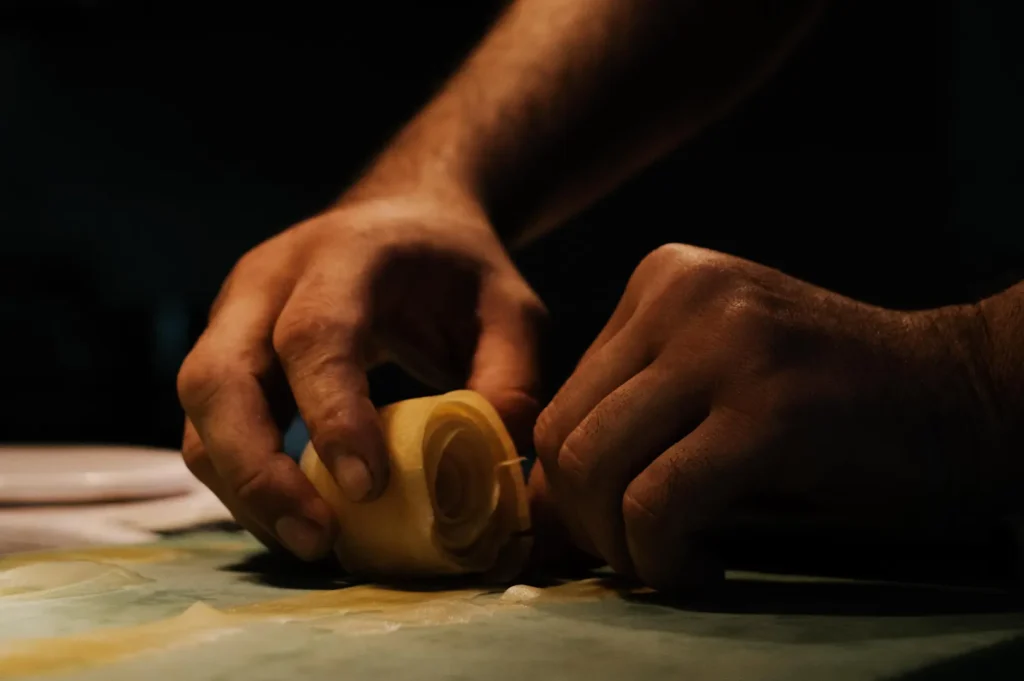
The dough before it becomes bread.
The chef brushing sauce over meat at the grill.
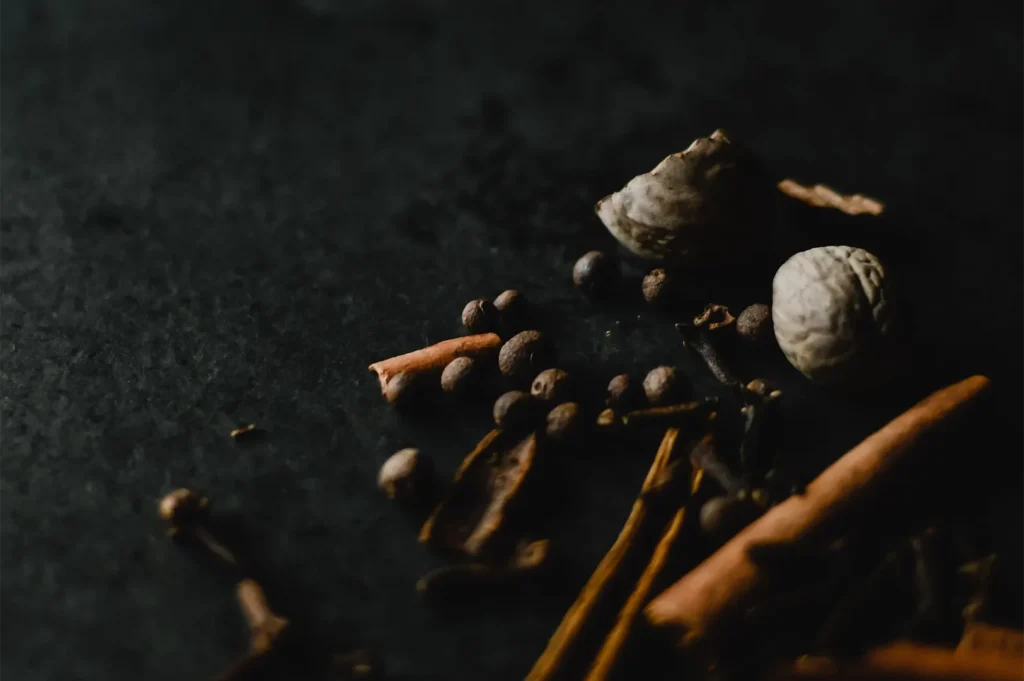
The pile of spices on the prep table before anyone has started cooking.
We have gone into shoots expecting the hero dish to carry the entire story and come away much more interested in what happened five minutes earlier.
When a restaurant has genuine craft behind the food, photographing the process can explain something a polished final plate cannot.
Start Before the Dish Looks Finished
Process photography works best when we know the important stages beforehand.
We ask the chef what actually matters.
Is the dough folded by hand?
Is the fish broken down in-house?
Does the broth begin with roasted bones?
Which step would the kitchen team notice if somebody skipped it?
Nikon's food-photography guidance notes that showing the cook, chef or baker can make an image feel more personal and help viewers connect with the creator. Read Nikon's food storytelling guidance
That is the kind of human detail we look for.
Do Not Turn the Kitchen Into Theatre
We are careful here.
Process photography should show work that actually happens, not ask the chef to invent something photogenic.
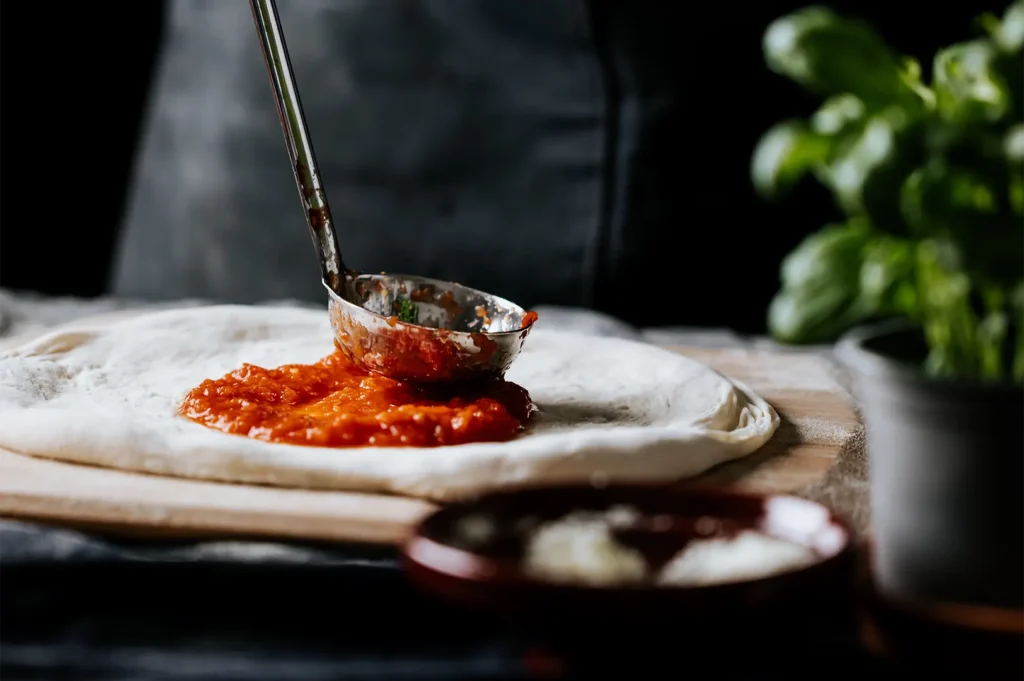
If the chef normally uses a ladle, use the ladle.
If the sauce comes from a squeeze bottle during service, pretending it is poured slowly from a copper pan does not make the story more authentic.
Our article on chef portraits and restaurant trust goes further into photographing the people behind a restaurant naturally.
Real craft is usually interesting enough without adding fake craft around it.
Think in Sequences
One process photograph can work.
Three or four can explain much more.
Raw ingredient.
Preparation.
Heat or transformation.
Finished plate.
Nikon's feature on food video storytelling describes planning ingredients, preparation and the specific steps worth capturing before filming begins. See Nikon's food storytelling example
We use similar thinking for still photographs.
You do not need an image of every chopped onion. Choose the moments where something visibly changes.
Give Ingredients Their Own Moment
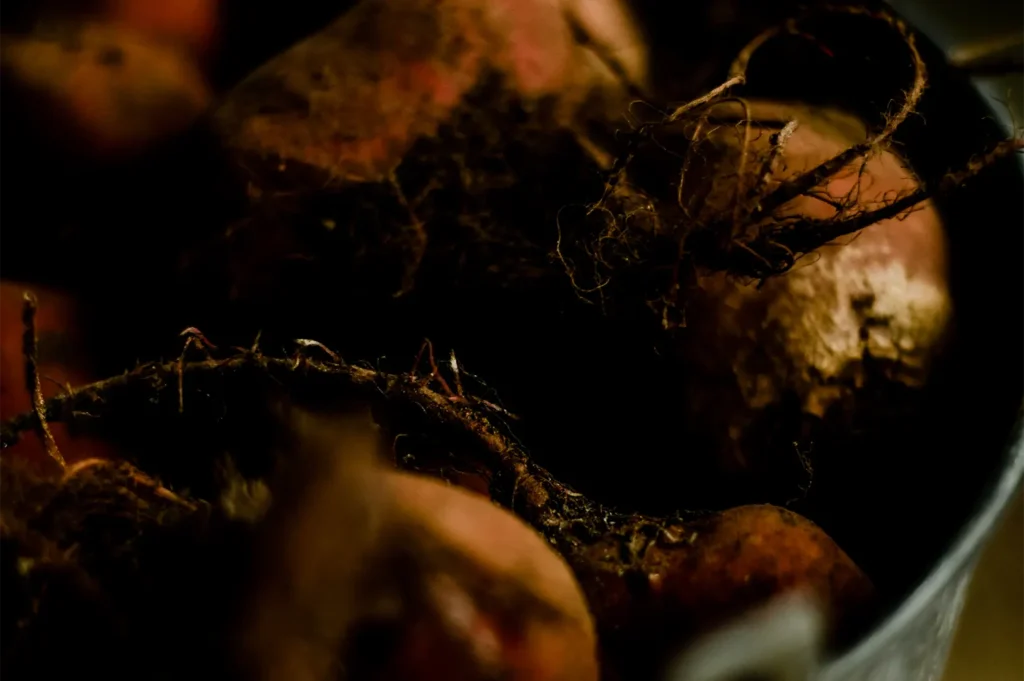
Restaurants often spend time sourcing ingredients and then hide them completely once the dish is plated.
If provenance matters to the brand, photograph it.
A box of produce from the farm, whole seafood before preparation or spices beside the finished sauce can give customers a clearer sense of what the kitchen values.
Our guide to food photography for F&B branding explains why brand imagery should extend beyond isolated menu dishes.
Know When Process Is Worth Photographing
Not every restaurant needs thirty behind-the-scenes images.
But process is particularly useful when the business has:
- specialist techniques
- strong ingredient sourcing
- handmade products
- a chef-led identity
- heritage preparation
- open-kitchen storytelling
Working with Food Photographer Studio Singapore should include asking what customers might value beyond the final plating.
A finished dish shows what the restaurant serves. The process can show why the restaurant does it differently.
Sometimes that is the stronger story.