Kids’ menus are one of the few menus where the person eating and the person approving the order may not be the same person.
The child looks at the pancakes.
The parent looks at the portion.
The child notices the smiley potato.
The parent notices whether lunch appears to consist entirely of smiley potatoes.
A good kids’ menu photograph has to make the food appealing to a child without making the information useless to the adult paying for it.
Recognition Matters More Than Fancy Styling
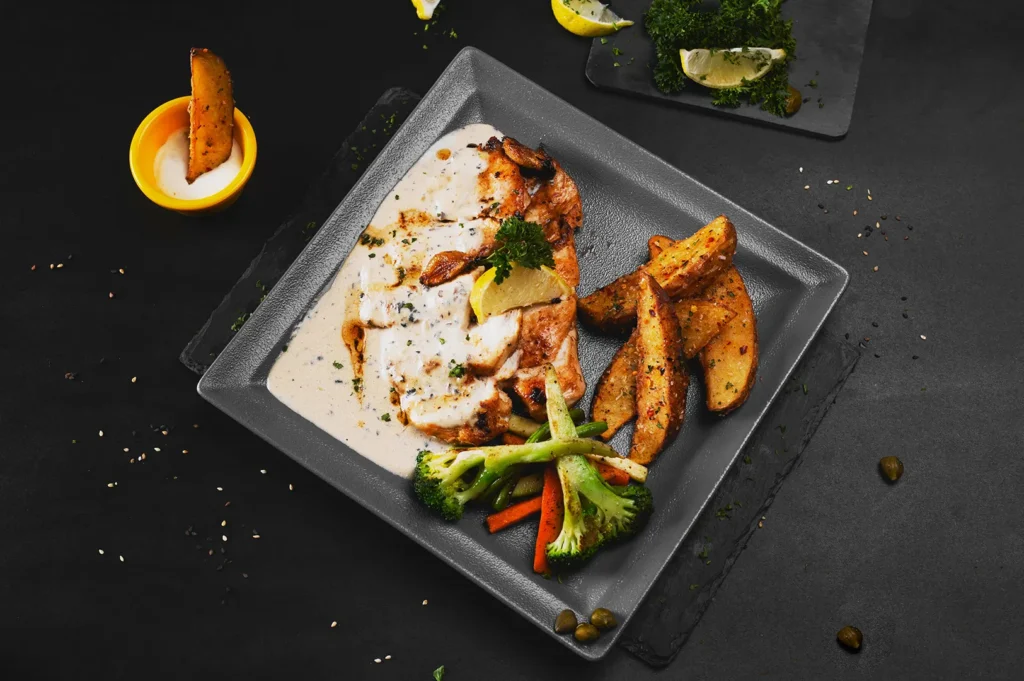
Children’s food usually benefits from being easy to recognise.
If it is chicken with rice and vegetables, let those components be visible.
We do not need to build a miniature fine-dining plate around it.
Singapore’s Health Promotion Board has specific criteria for healthier children’s meals that include appropriate components and serving considerations.
Photography does not certify whether a meal is healthy, but it can clearly show what is actually included.
That matters to parents.
Show the Child’s Portion Honestly
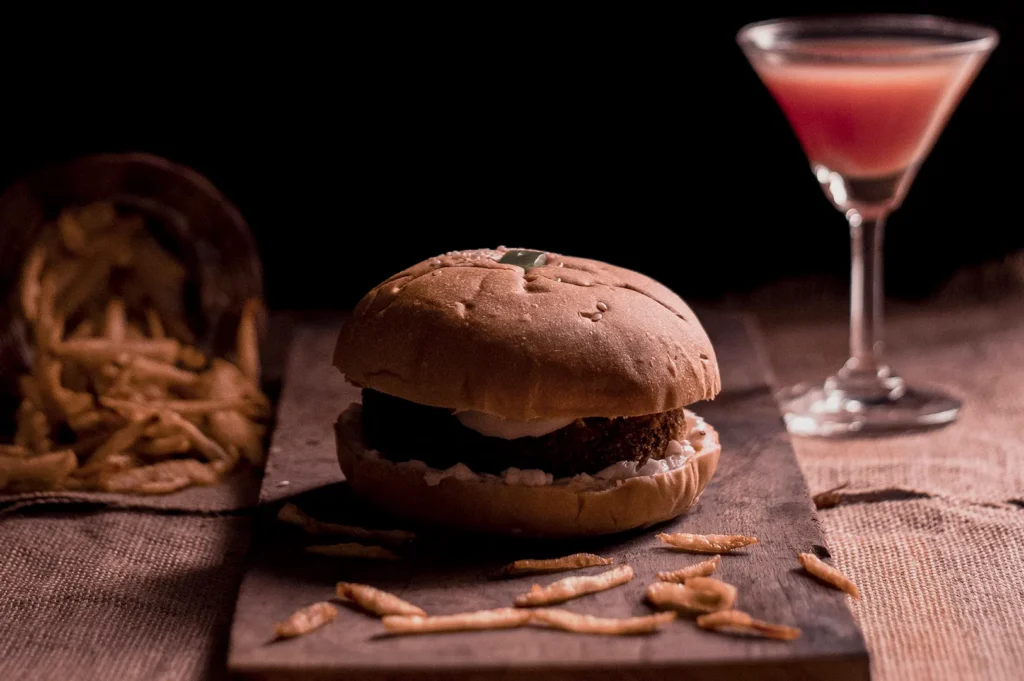
A close photograph can make a small plate look enormous.
That may be tempting when the menu price is being discussed, but it is not especially helpful.
HealthyChildren.org, from the American Academy of Pediatrics, also advises parents to pay attention to portion sizes when children eat away from home.
We like to leave enough plate visible for the serving to make sense.
The photograph should reassure parents about what arrives, not make the child’s portion look like an adult meal.
Our article on food photography techniques for F&B businesses discusses this balance between attractiveness and useful information.
Fun Does Not Require Chaos
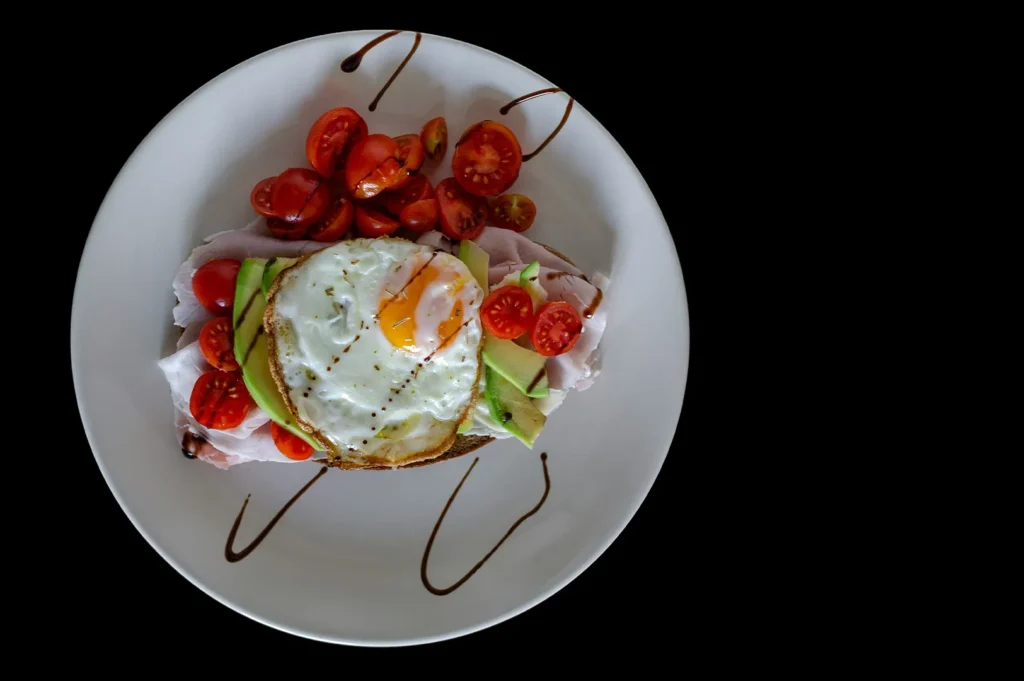
A kids’ menu can have personality.
Maybe the plate has colour. Maybe the pancakes form a simple shape. Maybe there is a bright drink beside the meal.
But we try not to turn every frame into a toy shop.
Too many colourful props make the food harder to see, especially on a small menu.
For restaurants building a larger image library, our guide to consistent restaurant menu photography is useful here. Kids’ images can feel more playful without looking like they came from a completely different brand.
Remember Who Is Making the Decision
On set, we sometimes ask two questions.
Would a child recognise and want this?
Would a parent understand what they are ordering?
If the answer to both is yes, we are usually close.
This is where a food photographer for family restaurants can add more value than simply making the food bright and cheerful.
We need to understand what the business needs the photograph to communicate.
Kids’ menu photography is not childish photography.
It is clear, warm, honest photography designed for two different viewers looking at the same plate.