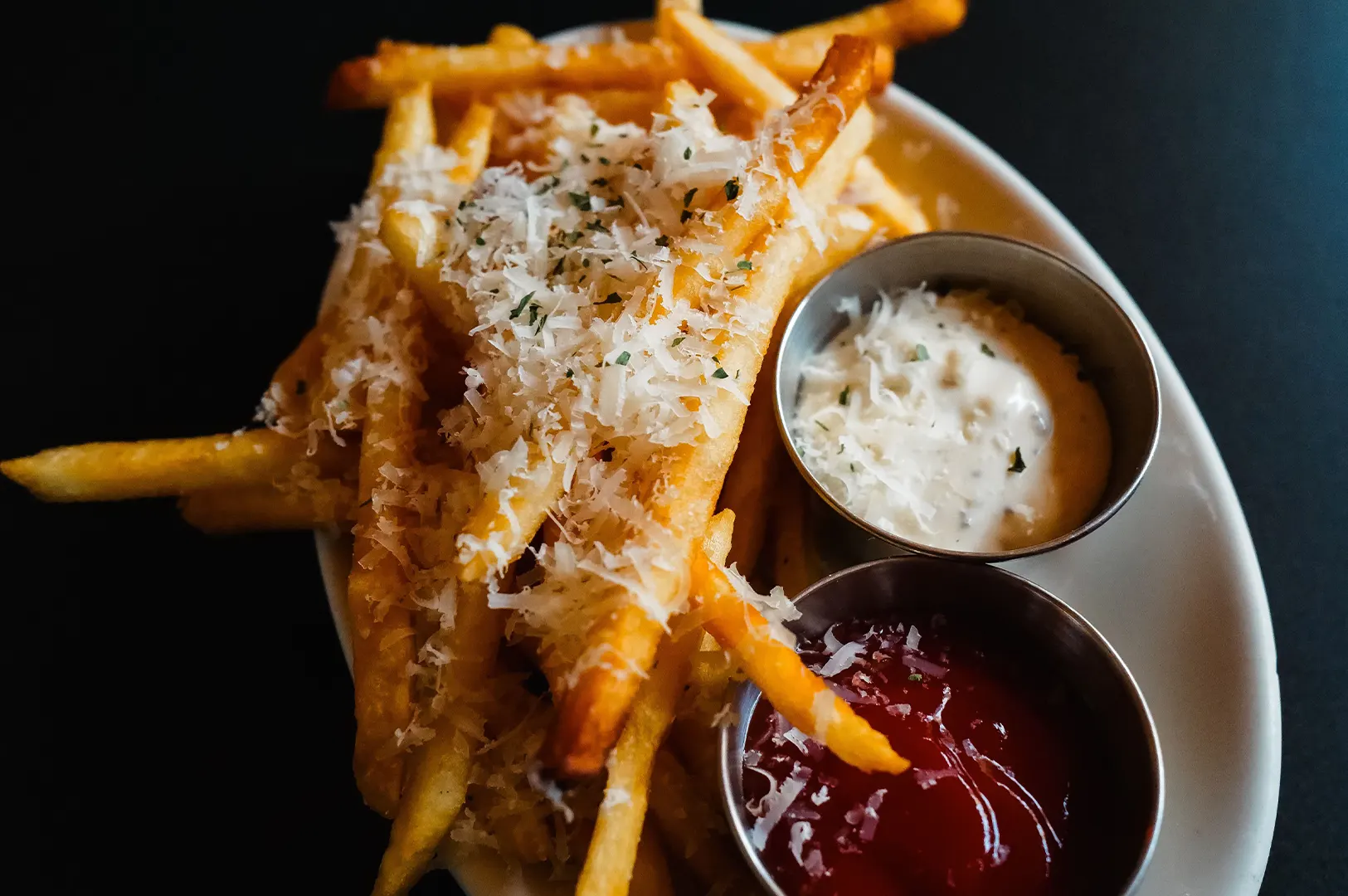
The first frame looked correct until we reduced it to phone size.
The noodles were glossy, the fried chicken still held its crust, and the kraft takeaway box carried the restaurant logo. Yet the logo was partly hidden by the open lid, while the sauce cup looked detached from the meal.
We see this often during packaging shoots. One photograph is expected to sell the food, explain the delivery experience and keep the brand visible.
The takeaway test is simple: can a customer understand the food and the packaging without one competing with the other?
Decide What the Photograph Is Selling
Before arranging the frame, decide what matters most.
A delivery-menu image usually needs to sell the dish first. Customers should quickly understand the portion, main ingredients and presentation. Packaging can remain visible, but it should not block the food or turn the image into a photograph of a cardboard box.
A campaign image may give the packaging more weight. This is useful when a restaurant has introduced new boxes, seasonal sleeves or a recognisable delivery bag. A retail product may need a clear label plus a second image showing the contents.
GS1’s Product Image Specification Standard explains that there is no single image format suitable for every use and recommends keeping a high-quality base image for different applications.
That is good advice for restaurant shoots too.
Do not force one composition to serve the menu, website, delivery platform and advertising campaign equally well.
Open the Box, but Keep Its Shape
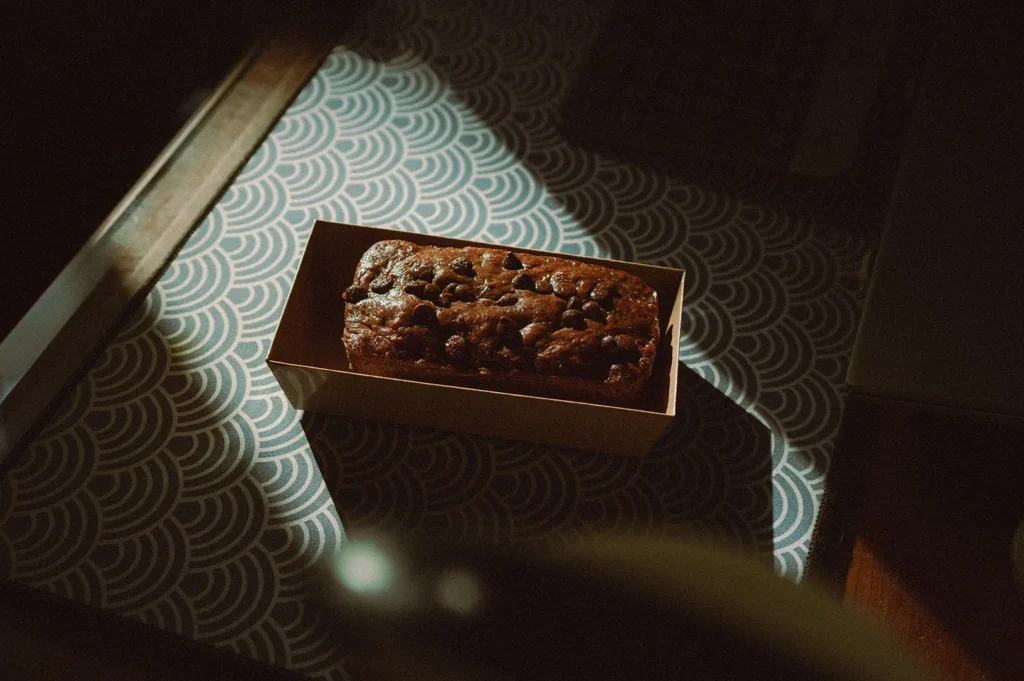
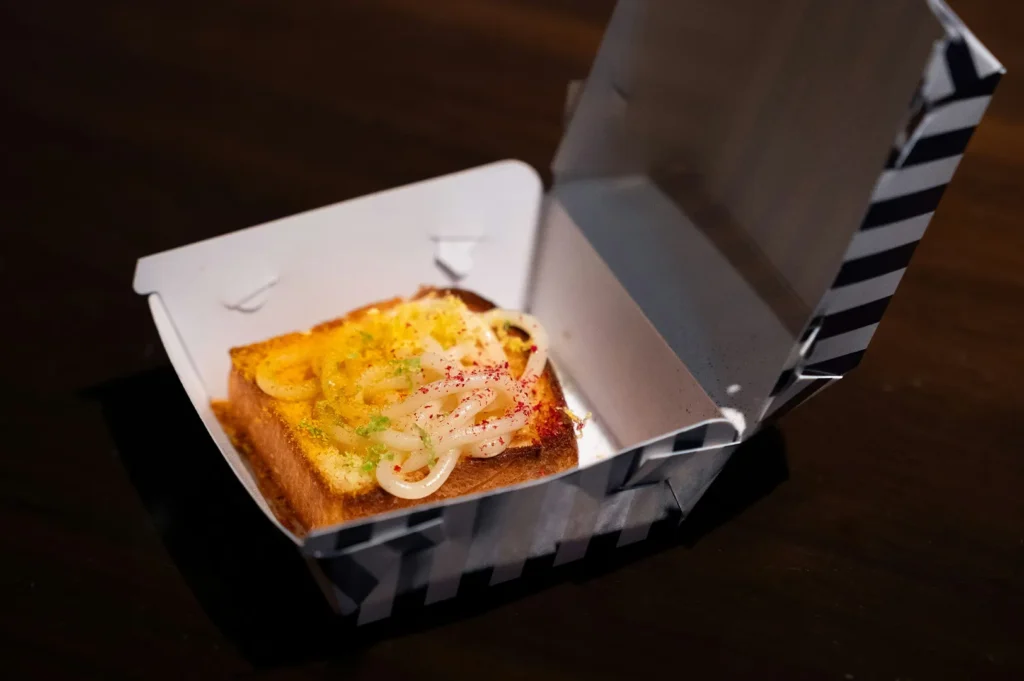
An open container shows customers what they will receive, but takeaway packaging rarely behaves neatly under studio lights.
Lids fall backwards. Paper edges buckle. Plastic catches sharp reflections. Tall box walls cast shadows over the food. We use small supports behind lids and rotate containers until the branding is visible without facing the camera too aggressively.
The box should still look functional. A lid held at an impossible angle or a container cut open for visibility may create a prettier frame, but it no longer represents the delivery experience.
For compartment meals, check whether each section can be read from the chosen angle. Rice often fills the frame while smaller sides disappear behind dividers. Raising the camera slightly can reveal the full meal, although going too high may flatten it.
Let the Logo Appear Naturally
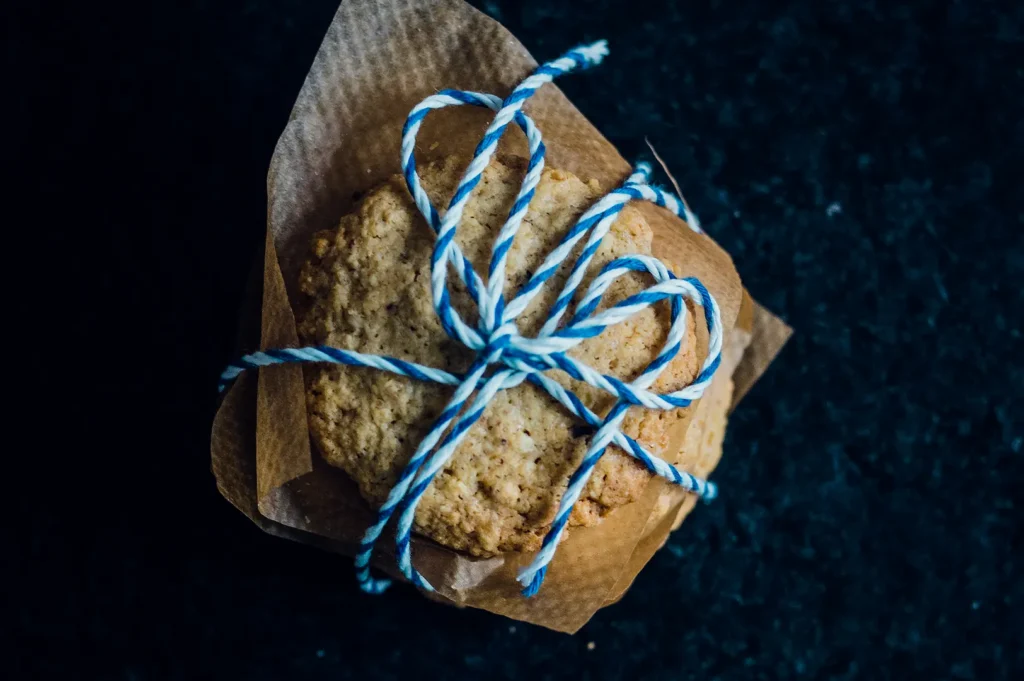
A logo does not need to sit in the centre of every photograph.
It may appear on the box edge, paper sleeve, sticker, cup or delivery bag in the background. The most natural placement often feels like part of the meal rather than an announcement placed over it.
Clean packaging also matters. Grease marks, fingerprints and misaligned stickers become more visible on camera than they do during a busy packing shift.
We keep duplicate containers nearby because the first one may soften from steam or pick up sauce while the dish is being arranged.
When photographing prepacked food for retail sale in Singapore, visible information should remain accurate. The Singapore Food Agency states in its food labelling requirements that businesses offering prepacked food must provide adequate and accurate information for consumers.
Photography should never invent a label, hide an important detail or show packaging that differs from the product being sold.
Control Steam, Condensation and Spillage
Takeaway food creates its own weather.
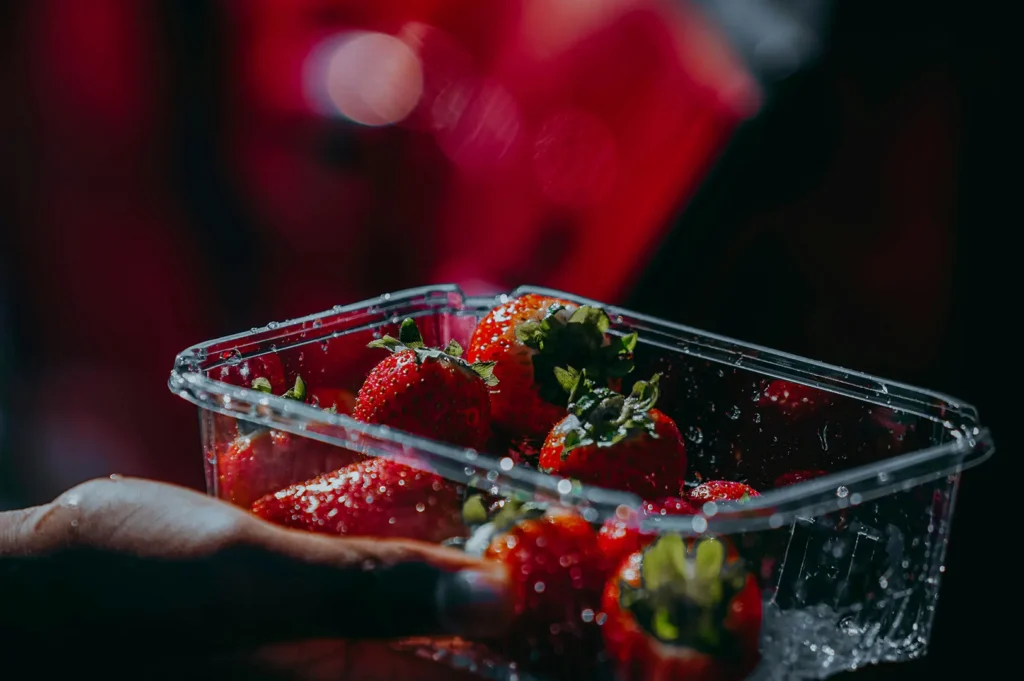
Hot food fogs clear lids. Cold drinks sweat. Curry moves towards one corner of the container. Fried items soften when sealed too early.
We normally decide whether the photograph represents the moment of packing, the sealed delivery or the opened meal after arrival, then style for that exact stage.
A few drops of condensation can suggest coldness. A fully clouded lid hides the product. A small sauce mark may feel believable, while a leaking corner suggests poor packaging.
The photograph should look fresh and handled, not sterile or careless.
It should also reflect a realistic fill level. Piling food above the edge may make the portion look generous, but it raises an obvious question: could the lid actually close?
Capture Separate Frames Before Rebuilding the Set
Once the meal is ready, photograph the useful variations while the food still holds.
Start with the open hero frame. Then capture a tighter food-led crop, a wider packaging-led composition, the closed container and any stacked or grouped arrangement. Leave enough space for different crops and text placements.
A food photographer in Singapore for takeaway and packaging shoots should plan these variations before the kitchen sends the final dish.
Reopening boxes, replacing softened garnishes and rebuilding stacks later costs more time than moving the camera while everything is still fresh.
The strongest takeaway photograph does not make customers choose between appetite and information.
It shows food worth ordering, packaging that feels considered and a delivery experience the restaurant can honestly provide.