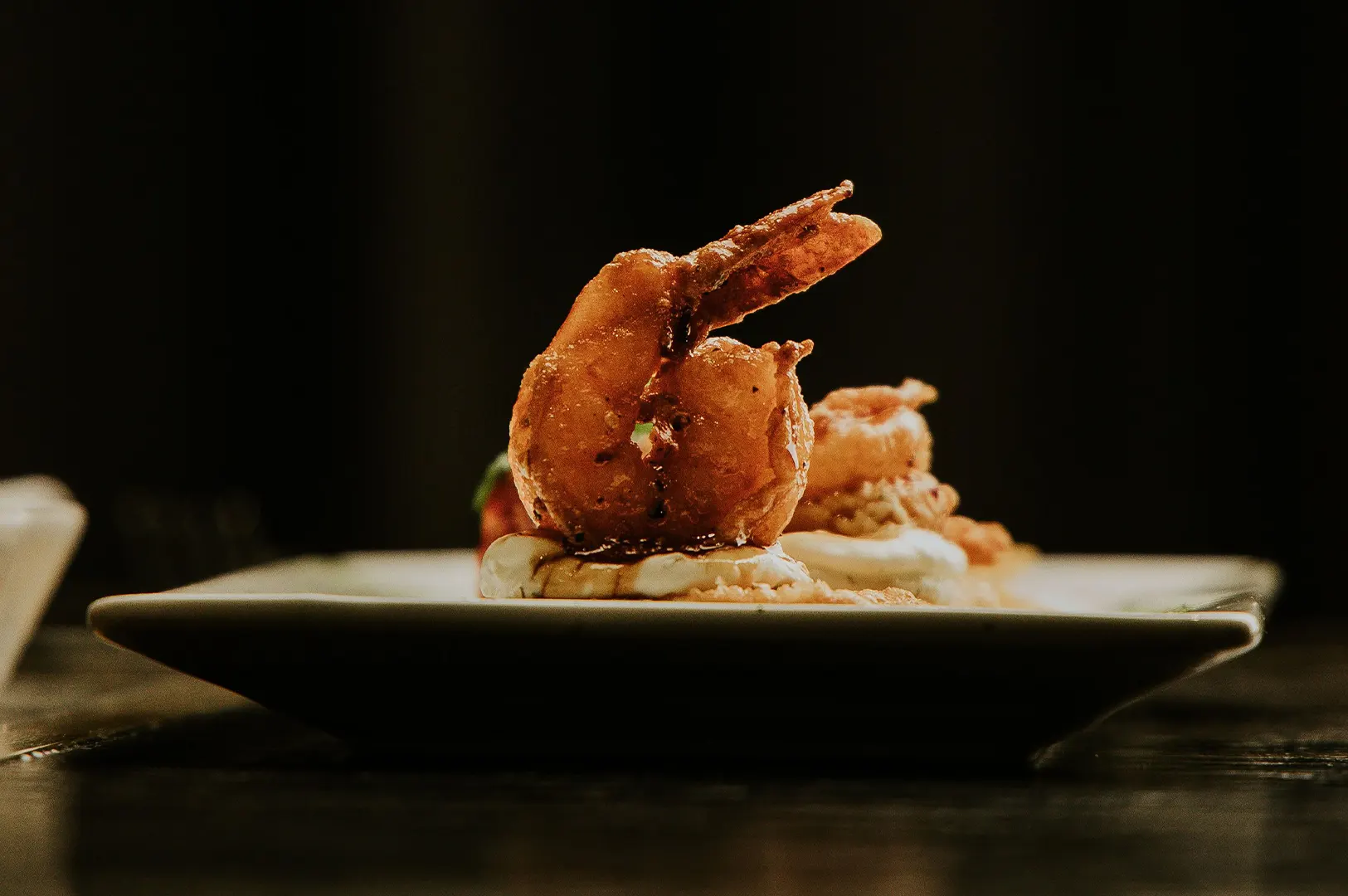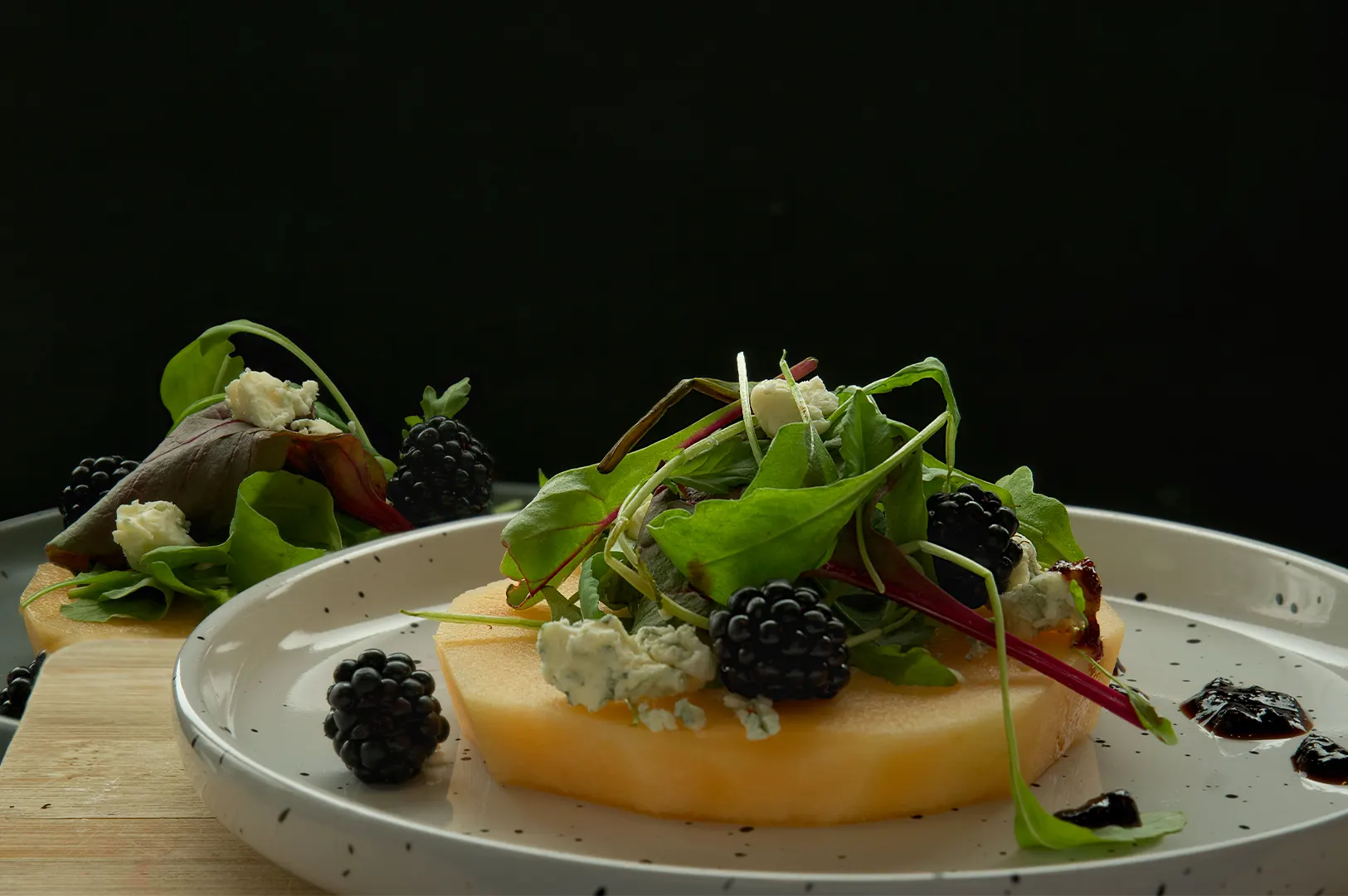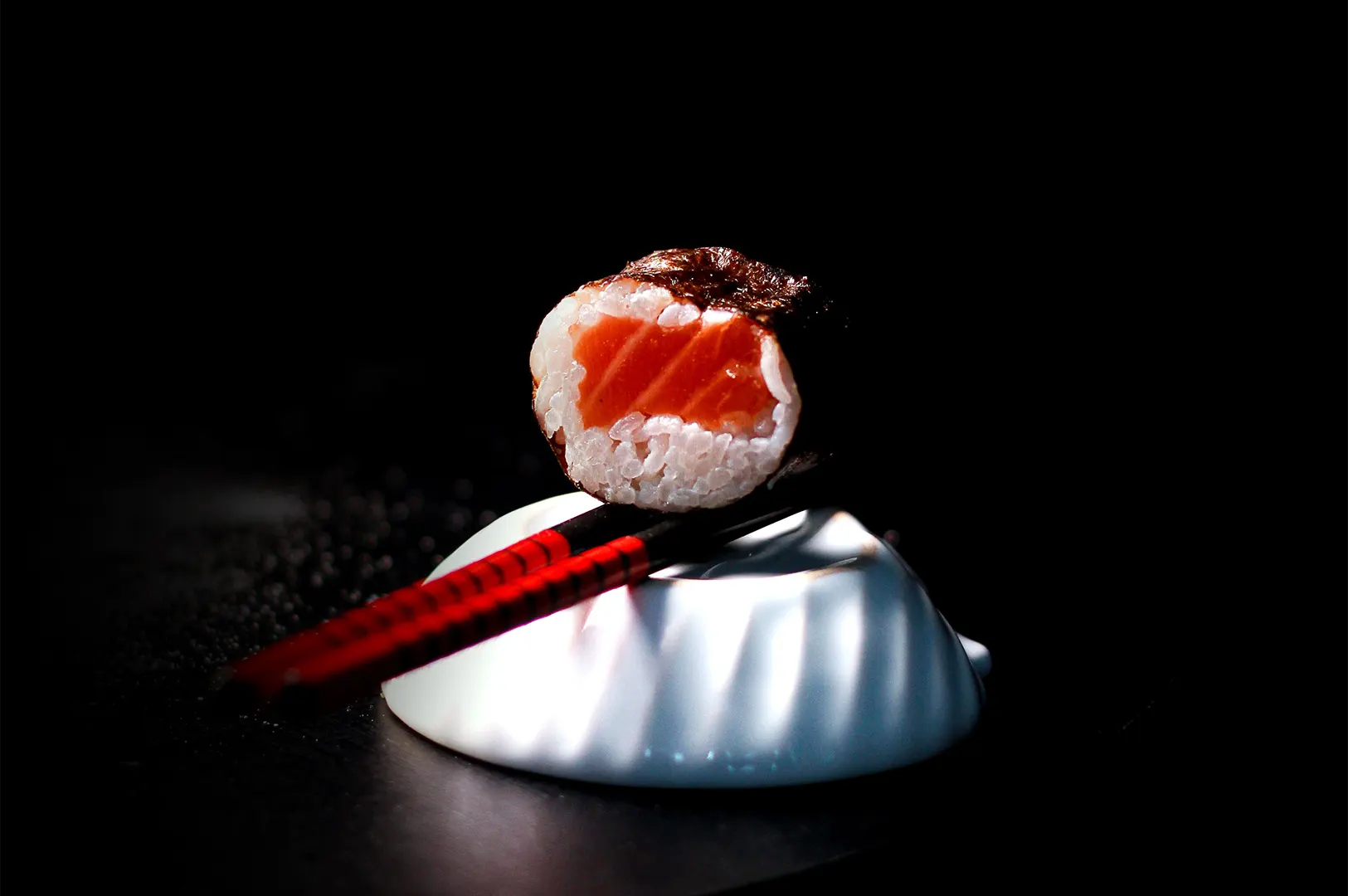
Put a plant-based dish on set and something predictable often happens.
Someone reaches for leaves.
Then more leaves.
Soon the burger has lettuce beside it, parsley behind it and a green napkin underneath it, as though the photograph needs to prove there are plants involved.
We understand the instinct.
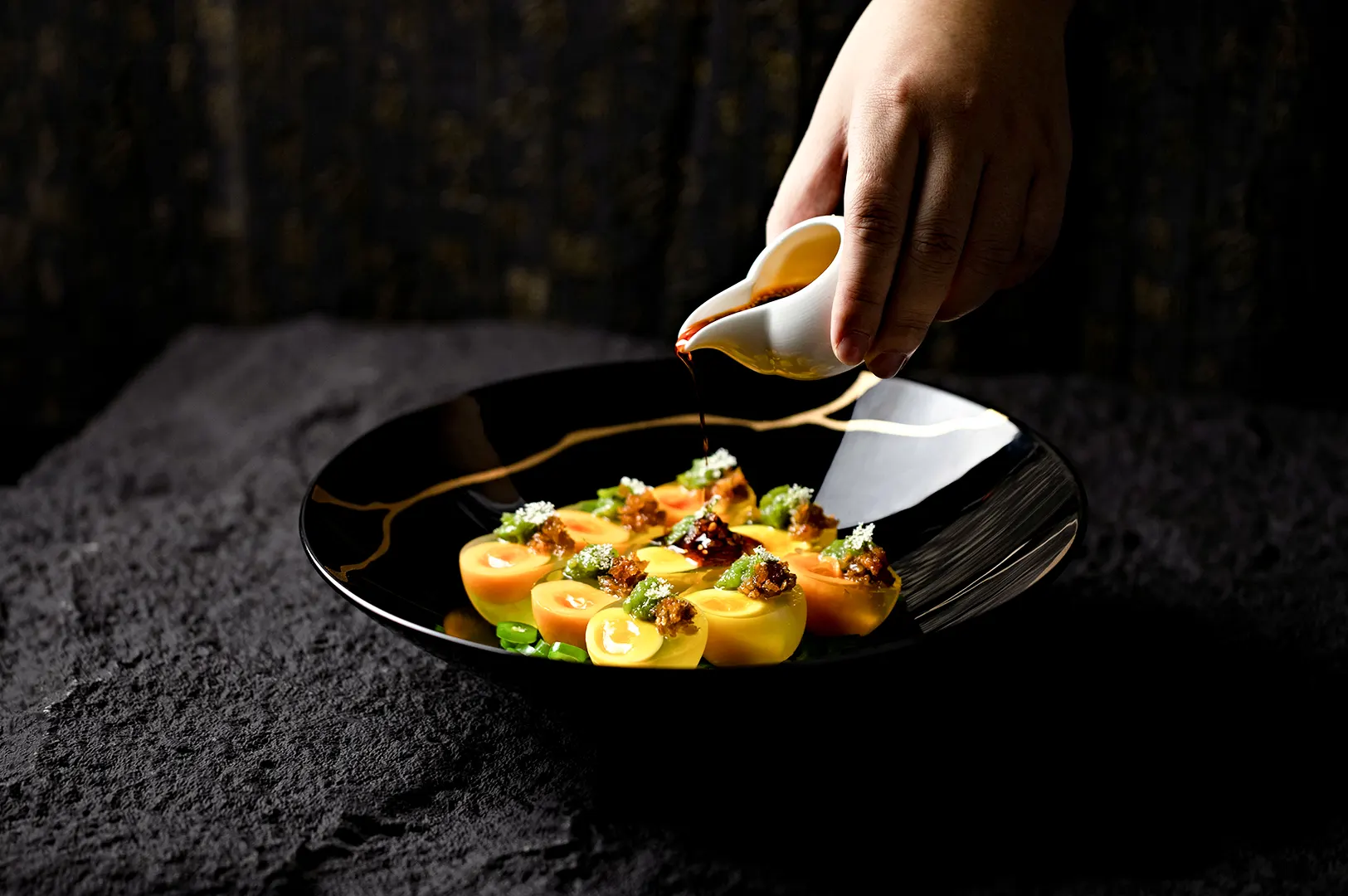
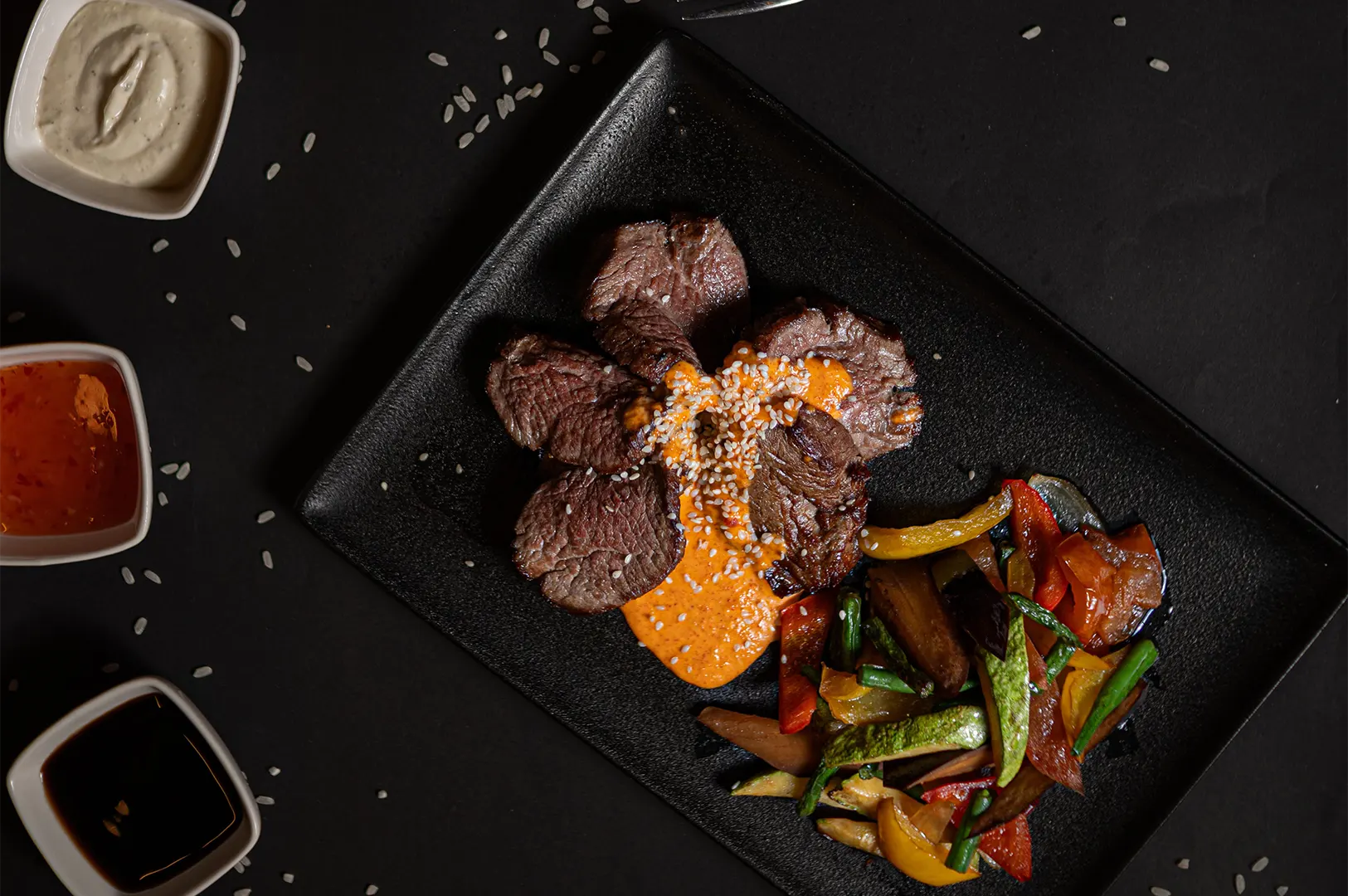
But plant-based food should still be photographed as food first.
Sell Taste Before the Category
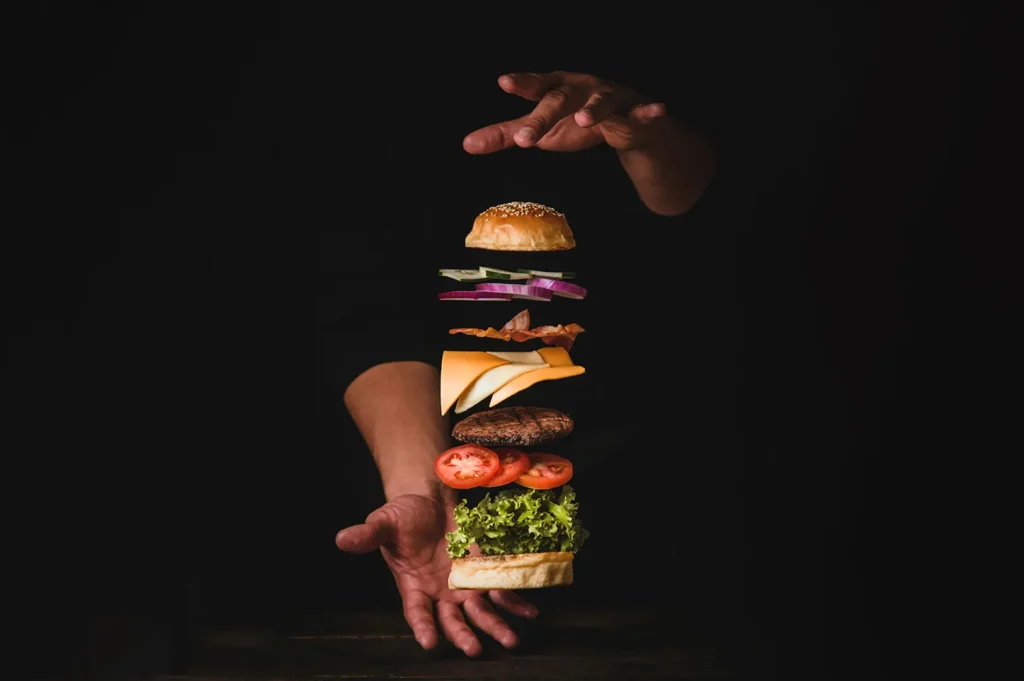
A mushroom burger can be juicy, charred and messy.
A cauliflower dish can be crisp.
A coconut curry can be rich.
None of those qualities require a green background.
Research from the Good Food Institute has repeatedly found taste to be a major factor in consumers’ plant-based food choices. Its foodservice guidance emphasises flavour and sensory appeal when presenting plant-based dishes.
Photography should do the same.
If the food is crispy, show crispness. If it is creamy, show creaminess. Do not replace appetite with a visual health lecture.
Use Ingredients Because They Belong
We are not against green.
Fresh herbs, vegetables and leaves can be useful when they genuinely explain the dish.
The difference is intention.
Our article on food styling for menu photography follows a simple rule: make the dish look like itself, only better.
That means we would rather show the roasted edge of cauliflower than hide it beneath herbs that are not part of the serving.
ProVeg similarly recommends sensory, positive language around plant-based dishes, focusing on qualities such as tenderness, creaminess and flavour instead of making the absence of meat the entire proposition.
That principle translates naturally into imagery.
Colour Can Come From the Food
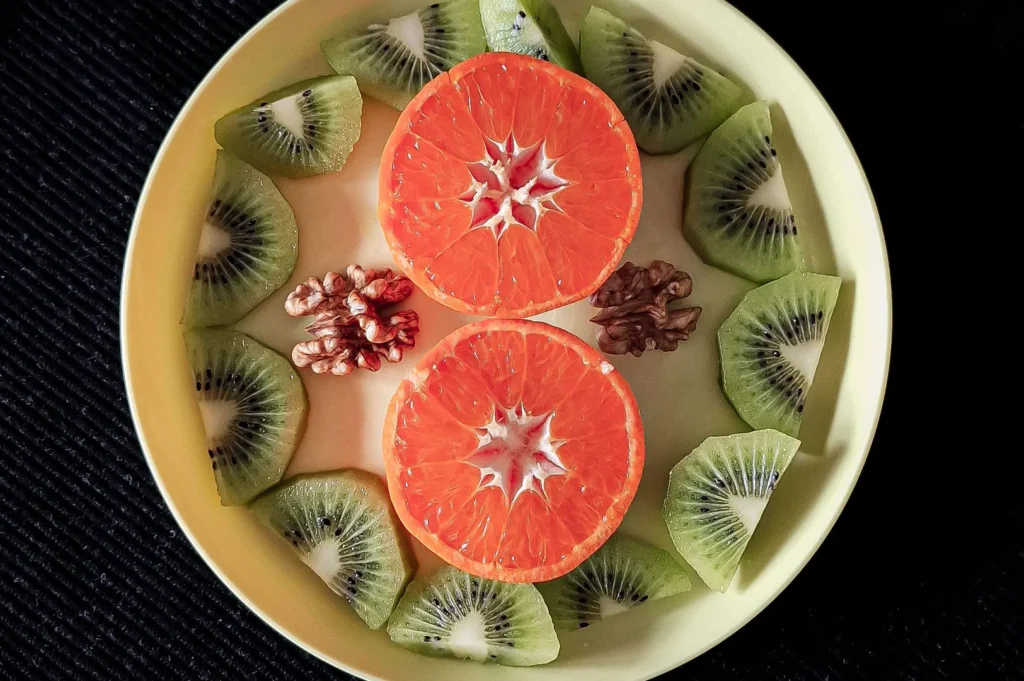
Plant-based menus often have excellent colour already.
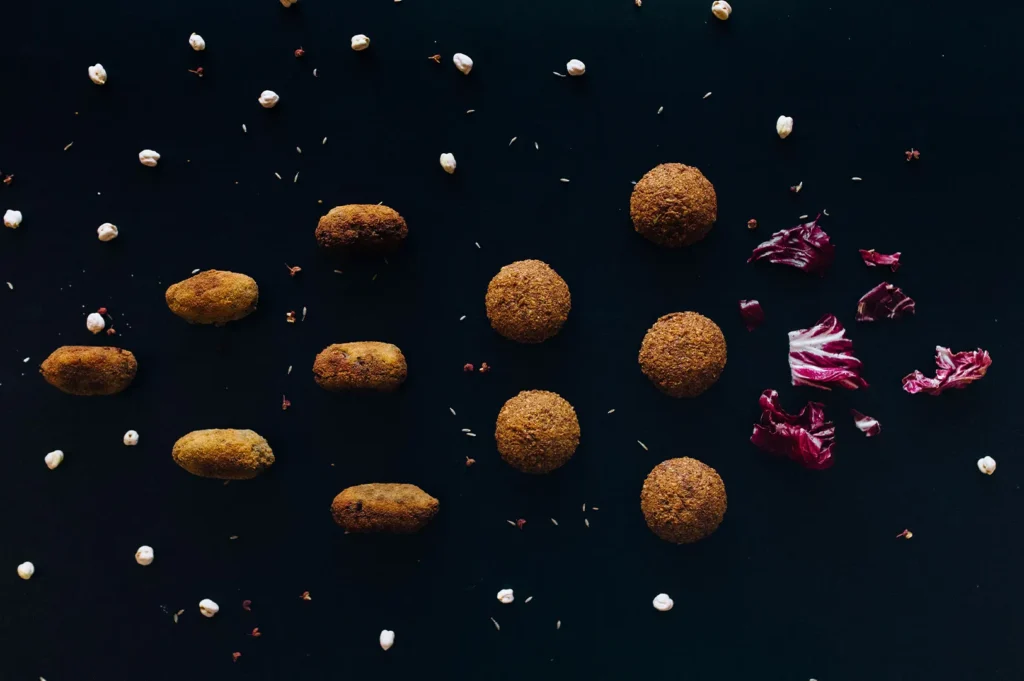
Pumpkin, beetroot, chilli oil, aubergine, tomato, grains, beans and toasted nuts give us far more to work with than green leaves alone.
Sometimes the strongest styling decision is actually removing colour from the background so the ingredients stand out.
Our guide to backgrounds for food photography explains how surfaces can support the subject without competing with it.
We have changed a green backdrop to a warm neutral halfway through a plant-based shoot and immediately made the food look more substantial.
Nothing on the plate changed.
Photograph It for Everyone Who Might Order It
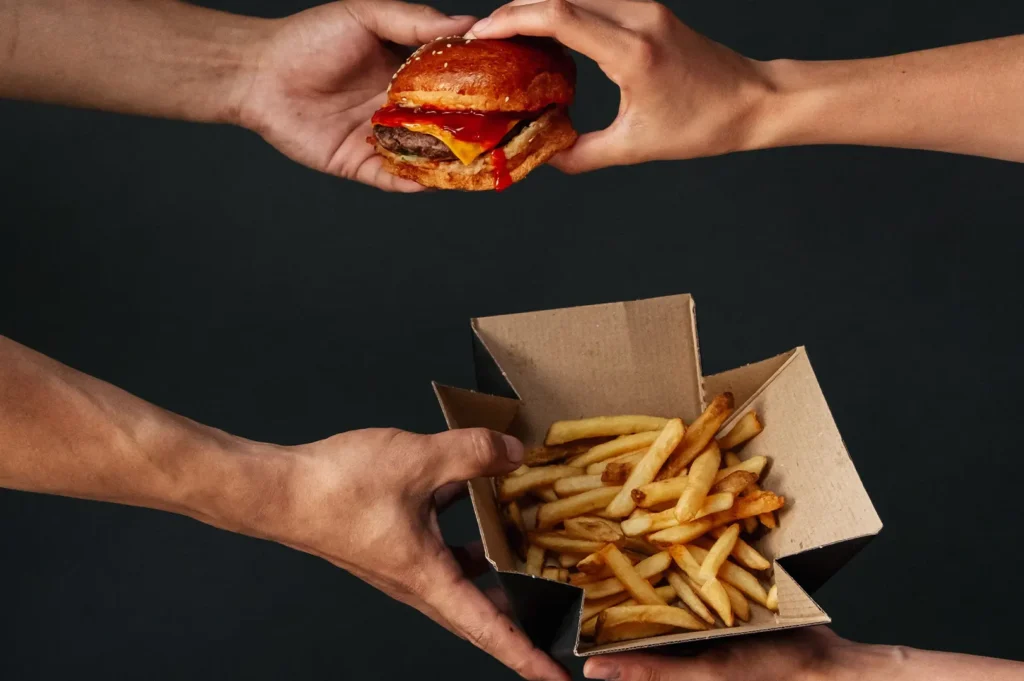
This matters commercially.
A plant-based dish may be ordered by vegans and vegetarians, but also by diners who simply think it looks good that day.
If the photography makes the item feel like a specialist health product, you may narrow that audience unnecessarily.
A professional food photography team should understand the positioning before choosing the visual language.
Is this a plant-based café?
A steakhouse offering one strong meat-free main?
A casual restaurant where half the menu happens to be vegetable-led?
Those are different briefs.
Plant-based is an ingredient and menu choice. It does not have to become a photographic costume.
The dish still needs appetite, texture, warmth and personality.
Sometimes that includes green.
Sometimes it absolutely does not.