Restaurant owners sometimes ask us a very reasonable question:
“If we are already shooting for four hours, why can't we photograph twice as many dishes?”
Sometimes we can.
But the question hides an important difference between time spent taking photographs and time spent creating them.
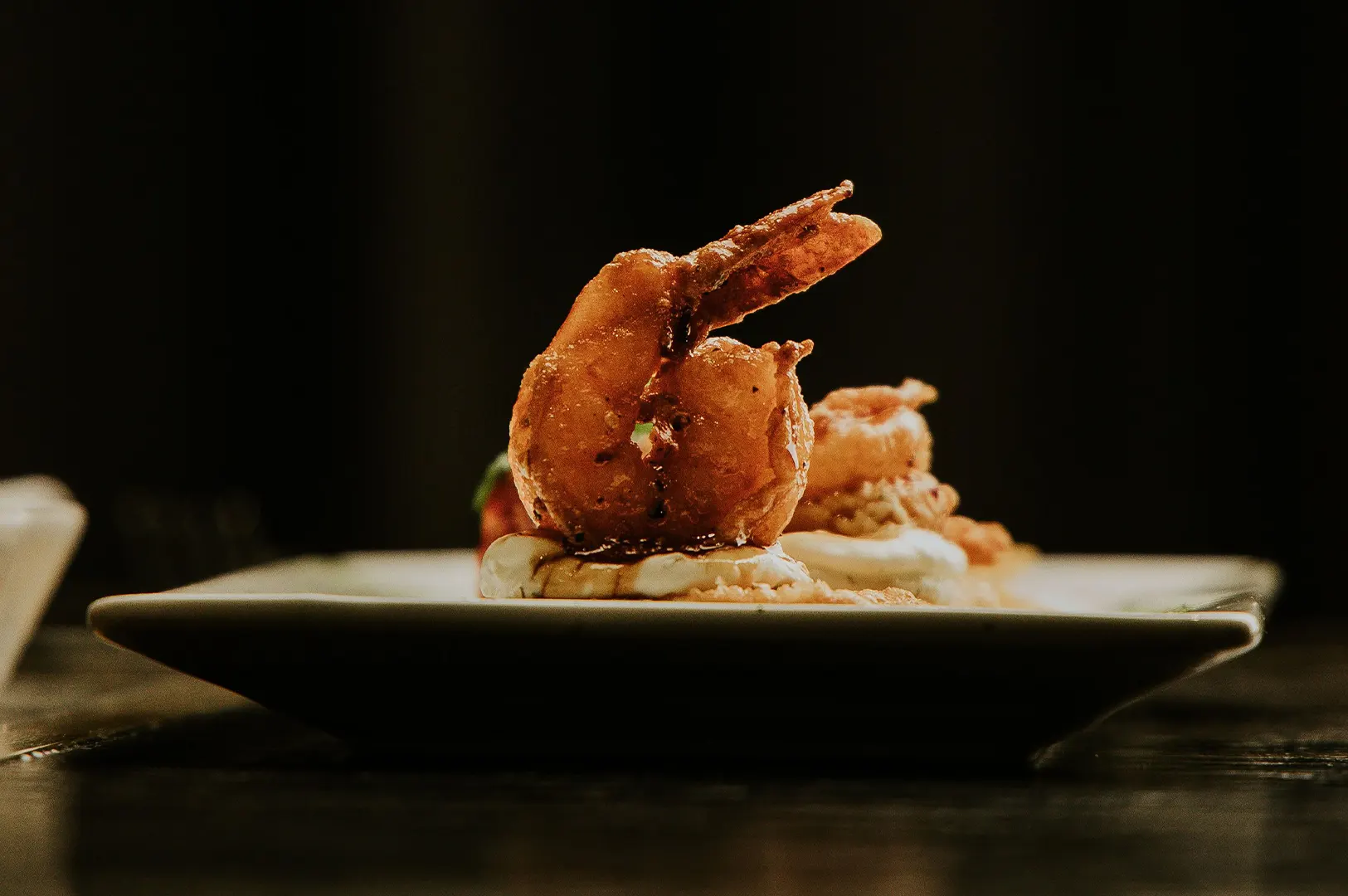
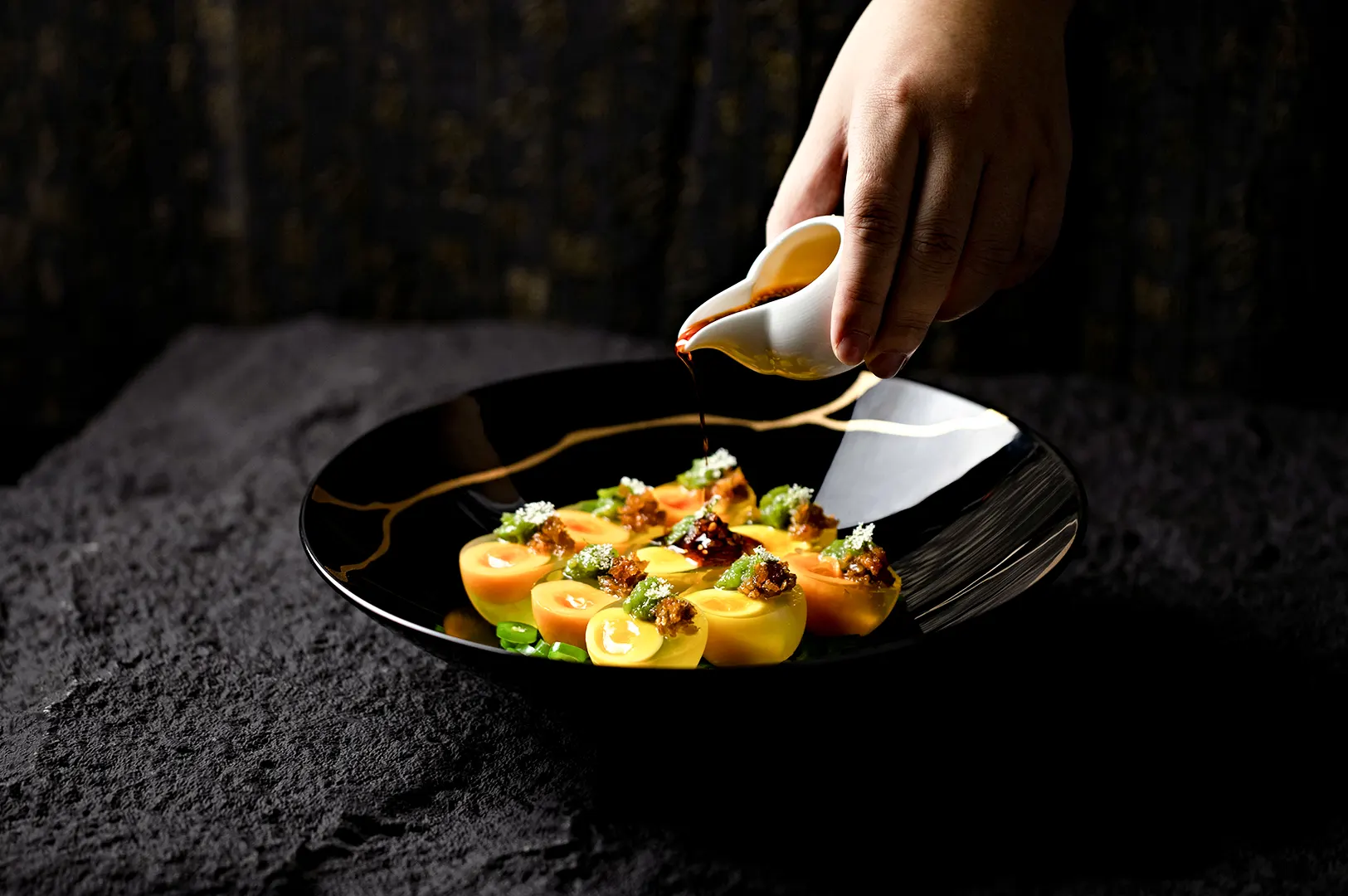
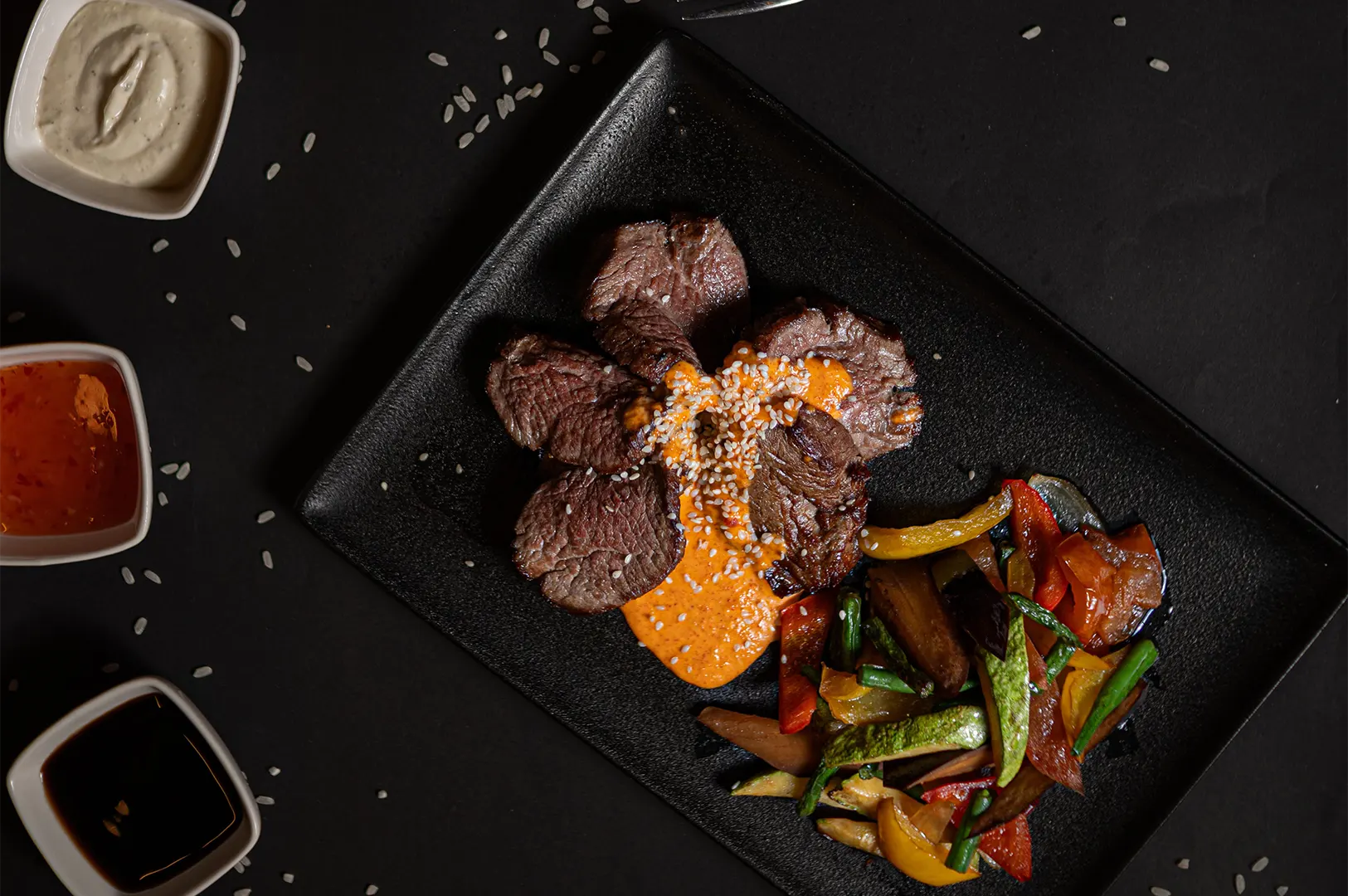
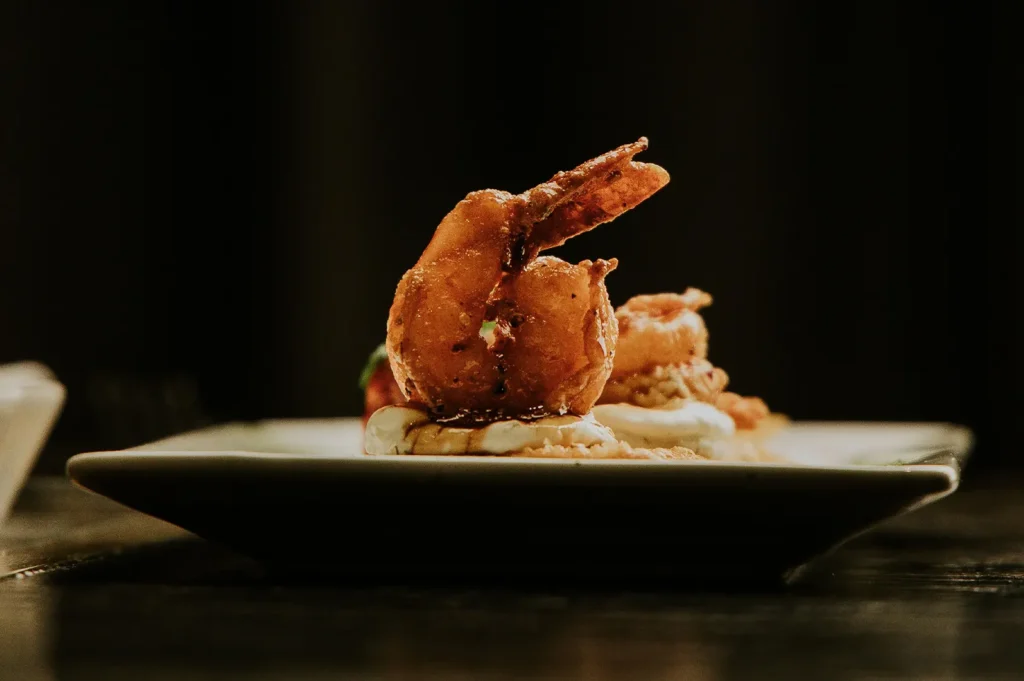
A clean menu photograph of one plate is very different from a campaign setup involving props, several dishes, hands, backgrounds and multiple crops.
Your photography budget buys choices as much as it buys time.
More Dishes Usually Means More Repetition
If the priority is menu coverage, repetition is useful.
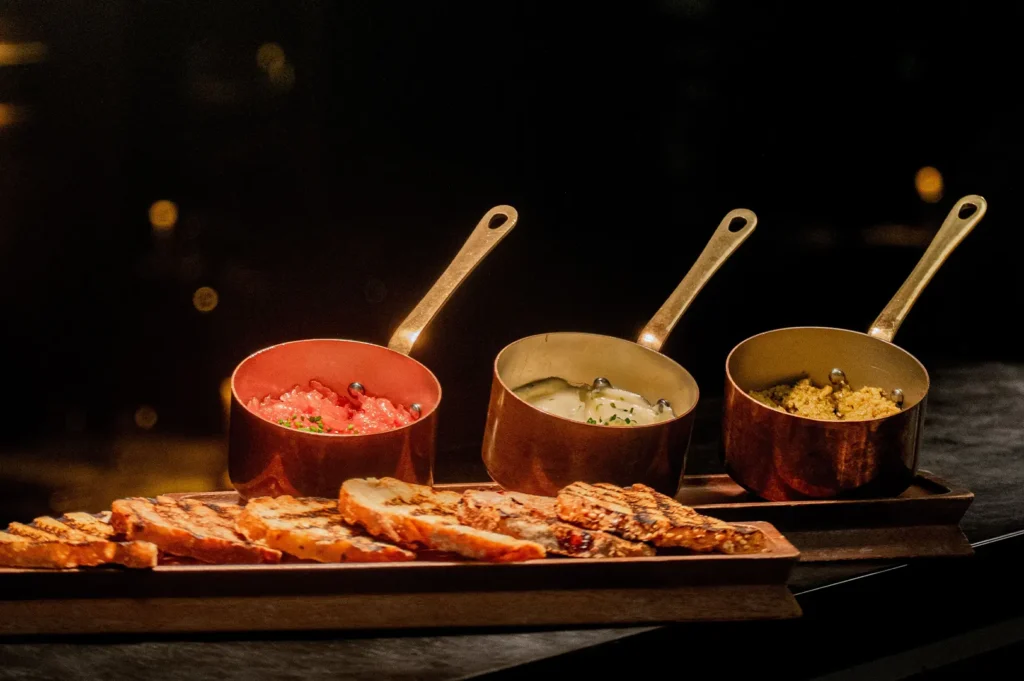
Same background. Similar light. Agreed angles. One strong frame per dish.
That allows us to move through food efficiently while still keeping the set consistent.
Our guide to restaurant brand photography standards explains why consistency should be decided before shoot day rather than rebuilt dish by dish.
Better Setups Mean More Decisions
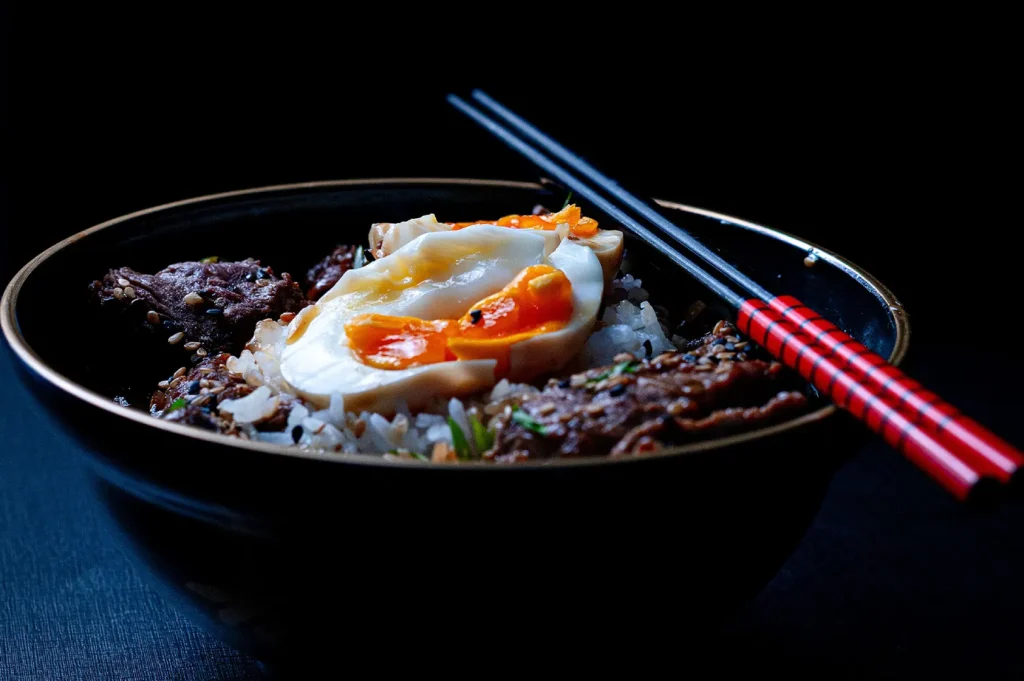
Campaign photography works differently.
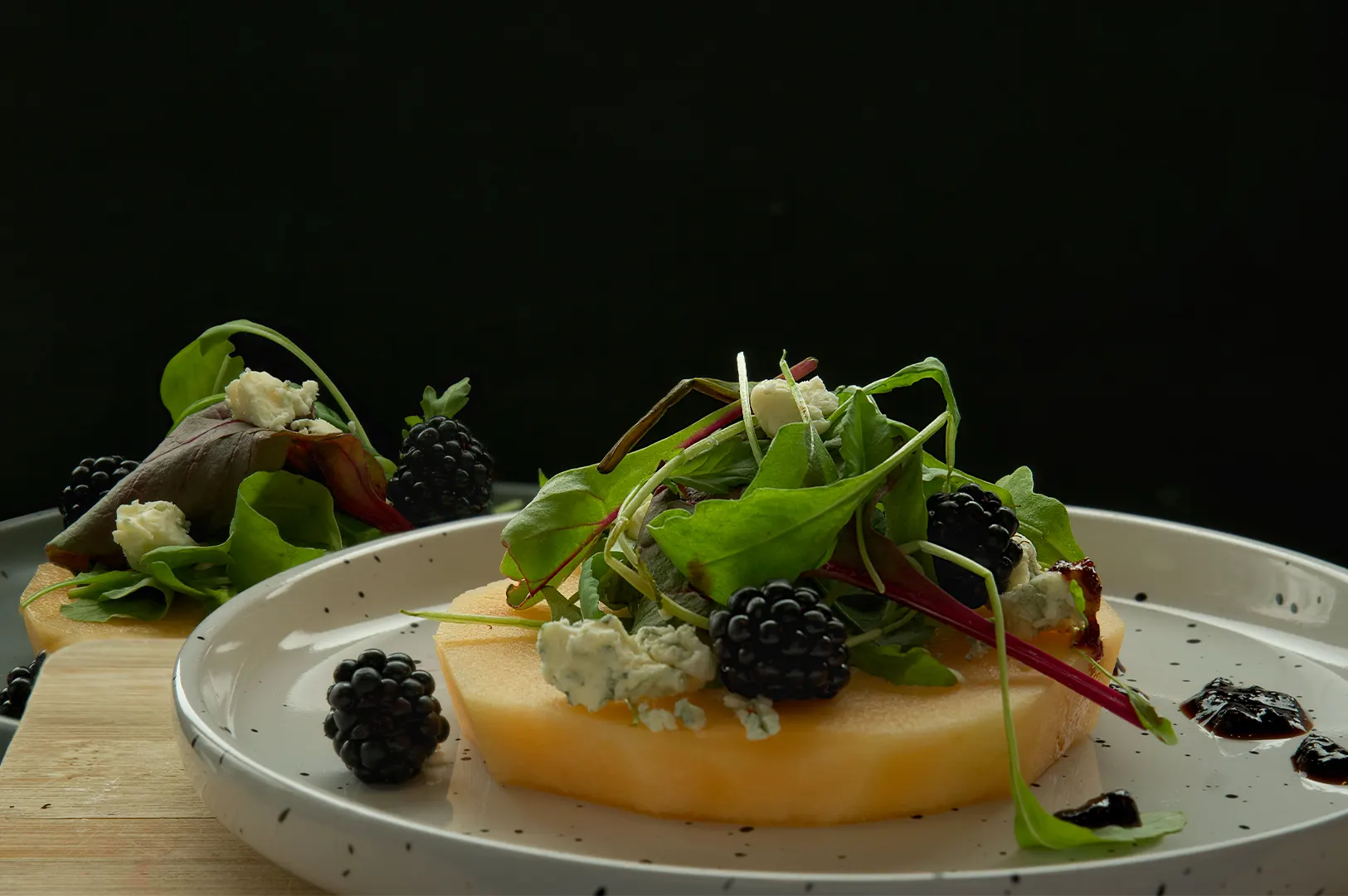
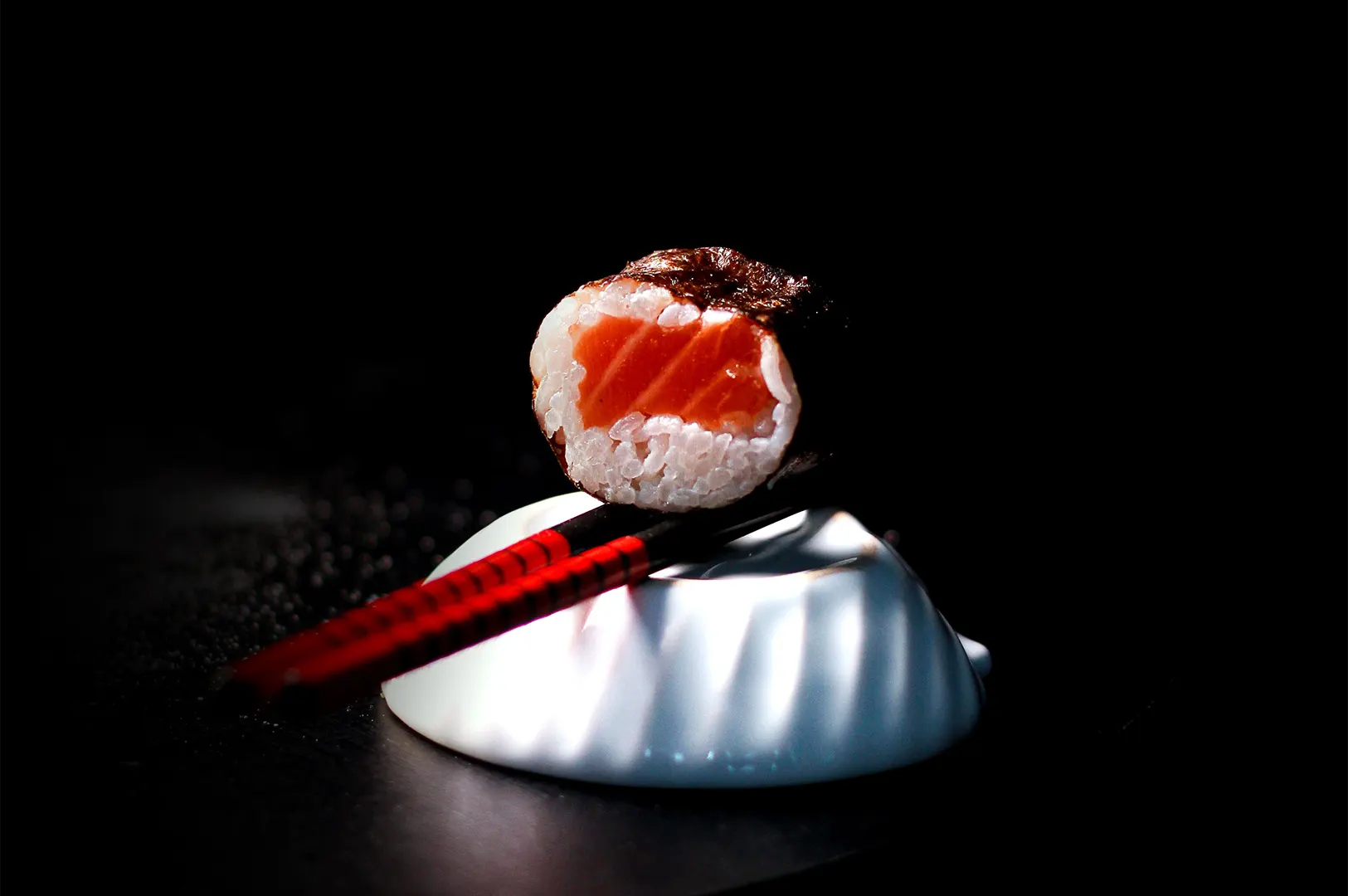
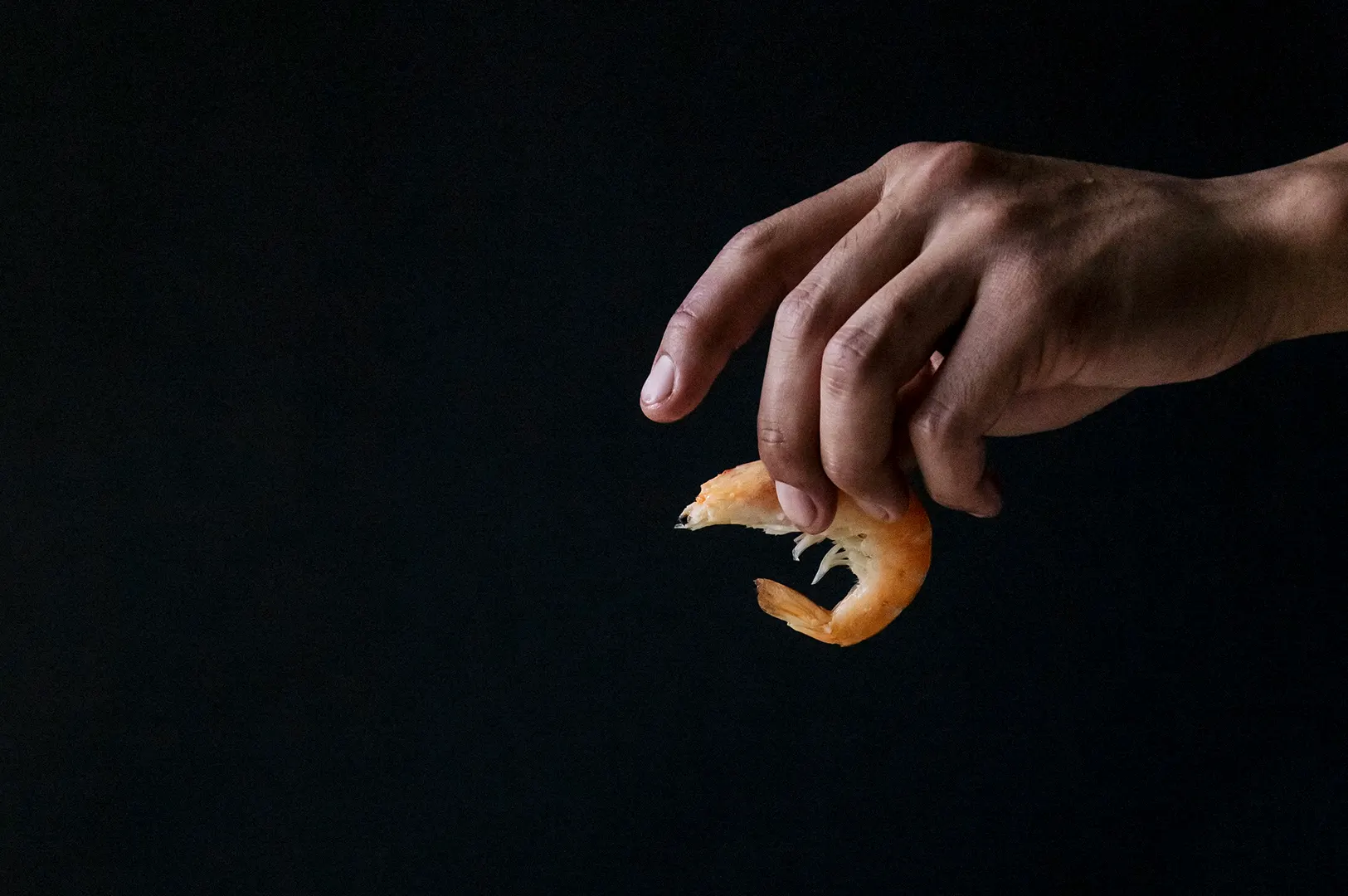
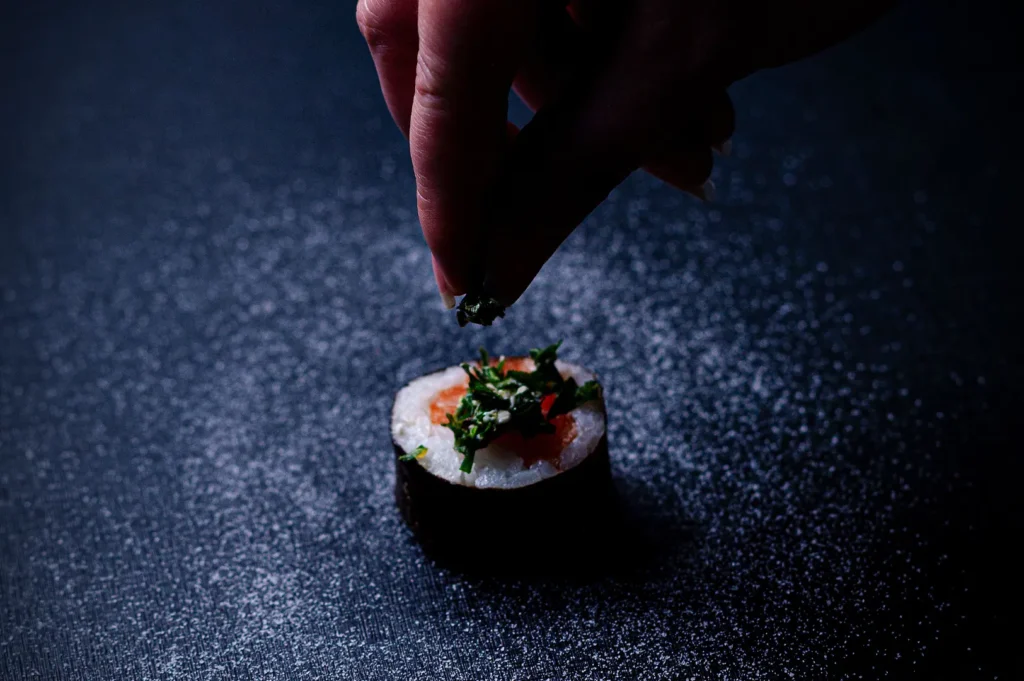
We may adjust the background, add supporting dishes, test a hand entering the frame, change the light and capture several orientations.
Professional Photographers of America's 2026 guidance on commercial photography bidding notes that production involves far more than a simple quote, including deliverables, timelines, creative briefs, shot lists and production planning.
All of those decisions consume resources.
But they also create a different kind of image.
Shooting Time Is Only Part of the Job
The hours you see in the restaurant are not the whole project.
There may be planning, equipment preparation, travel, setup, file selection, editing, retouching and delivery afterwards.
Fstoppers' discussion of food photography pricing similarly notes that time behind the camera can represent only part of the total work involved in a project.
That is useful for business owners to understand because it explains why adding another fifteen dishes is not always a small request.
Ask What the Images Need to Earn Their Keep
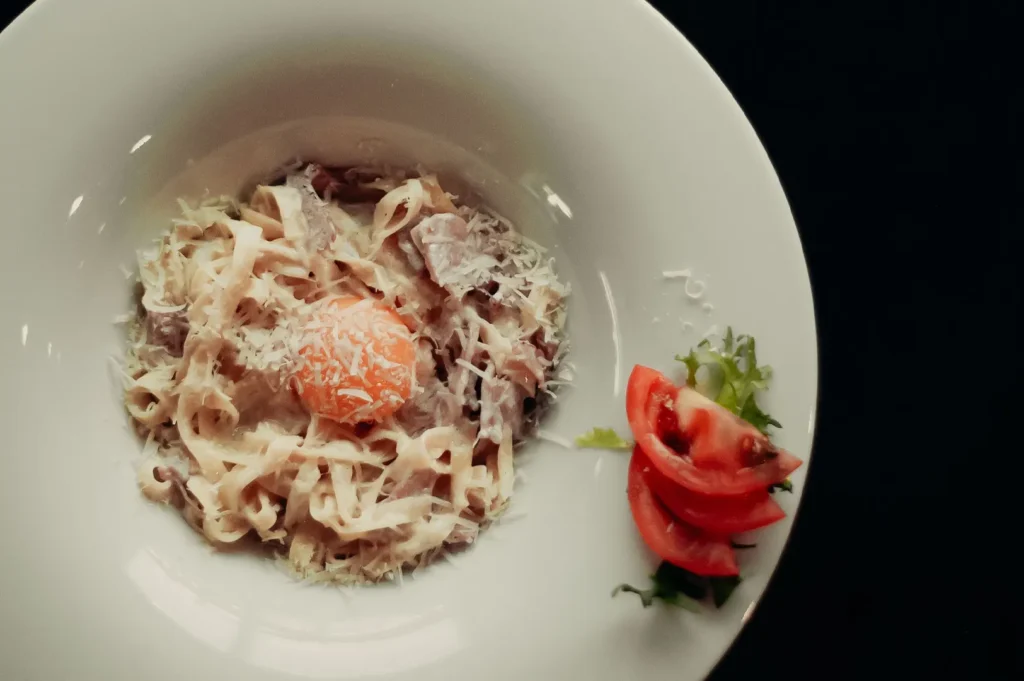
A dish that exists permanently on the menu may justify a solid, reusable image.
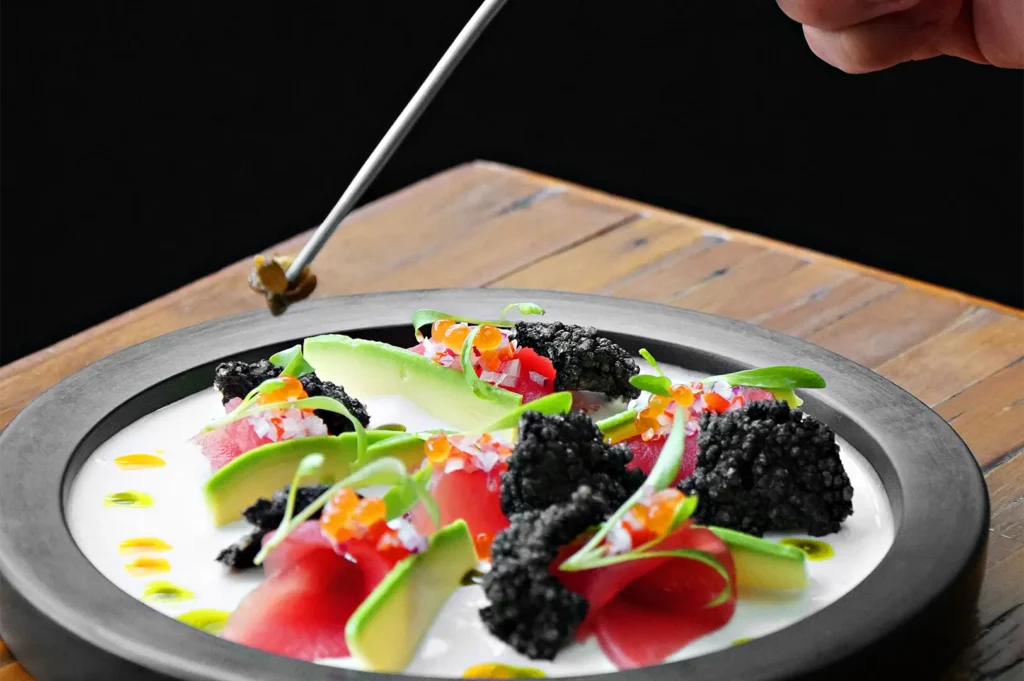
A signature dish appearing in advertising may deserve several variations.
A side item seen only inside an ordering interface may simply need one clean frame.
Our article on using restaurant photos across website, menu and Instagram helps identify those different uses.
This is also where professional food photography services should include advice, not just camera work.
We should be able to tell you when a complicated setup is worth doing and when you are better off photographing six more dishes instead.
Spend According to Priority
There is no universally correct balance.
A new restaurant with no menu images may need breadth.
An established restaurant launching one major campaign may need depth.
The mistake is spending equal time and money on images that do not have equal importance to the business.
Tell us what needs to sell, where the photographs are going and how long they need to remain useful.
Then the photography budget becomes much easier to divide.