
Set meals are a Singapore staple. Lunch sets in the CBD. Bento for quick dinners. Chicken rice sets that come with soup and drink. The problem is not whether the set is worth it. The problem is whether the photo makes it feel worth it.
Portion perception is visual psychology. Customers decide value in a split second based on spacing, plate size, and how items relate to each other in a frame. If your set meal looks scattered, tiny, or confusing, people order the “safer” single dish instead.
This guide is about making set meals look worth ordering without lying. No fake portions. No misleading angles. Just smarter composition and value cues.
If you want the bigger framework behind this, keep food photography tips for menu photos that make sets look worth it bookmarked. This article focuses on sets only.
The Value Signal Singapore Diners Read First
Most people do not read the description first. They scan the photo for:
- Quantity (does it look filling?)
- Variety (am I getting “more” for my money?)
- Order clarity (do I understand what comes with it?)
- Premium cues (does it feel worth upgrading?)
Your job is to make the set immediately legible.
Plate Size Illusions That Keep You Honest
The easiest way to destroy value is using a plate that makes the meal look small.
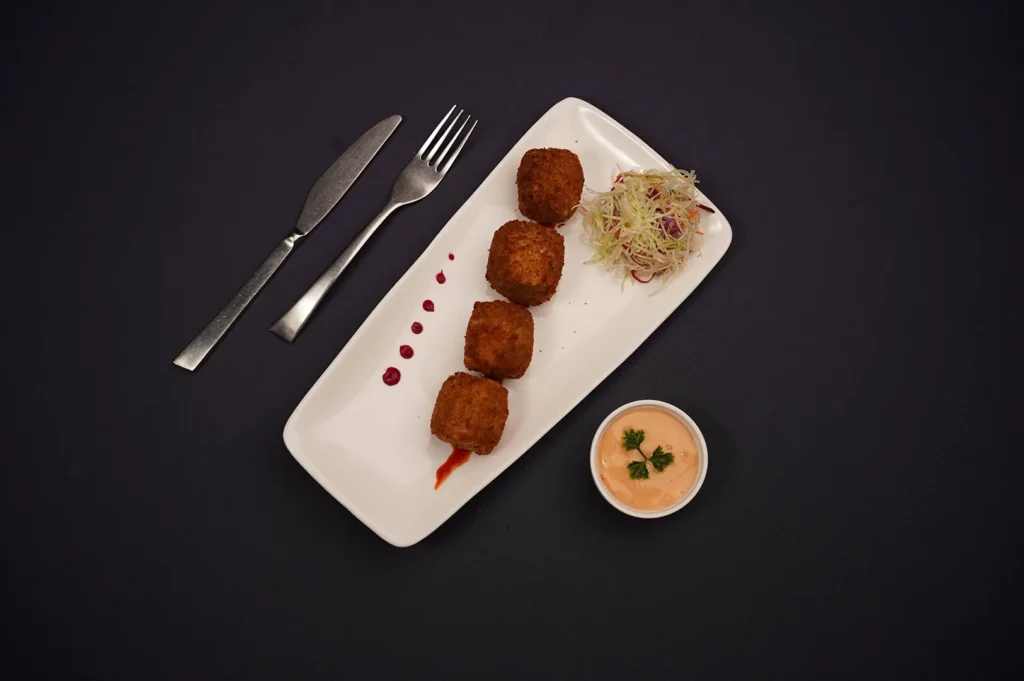
Here is the rule: use the smallest plate that matches how you actually serve it. If your rice portion looks tiny on a giant plate, diners read it as “stingy”, even if the real portion is normal.
For set meals, we often recommend:
- A tray or board as a base, so the set reads as one unit.
- Bowls and cups that fit the meal, not oversized styling props.
- A consistent plate family, so sets feel branded.
Spacing That Makes Sets Look Like a Set
One common mistake: items spread too far apart. The diner’s eye cannot group them, so the set looks random.
Try this structure:
- Main dish at the centre.
- Side dish slightly overlapping or tucked close.
- Drink or soup in a clear supporting position.
- Leave breathing room around the whole “cluster”, not between every item.
This creates a clear “value bundle” without crowding.
The “Hero First” Rule
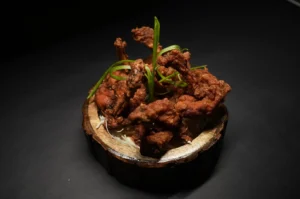
A set meal has multiple items, but it still needs one main subject.
Decide the hero:
- For chicken rice set: the sliced chicken and rice.
- For ramen set: the bowl.
- For café brunch set: the plate, not the coffee.
Once you decide, everything else supports it. If your soup cup steals attention, the photo fails.
Height and Layering Without Fake Tricks
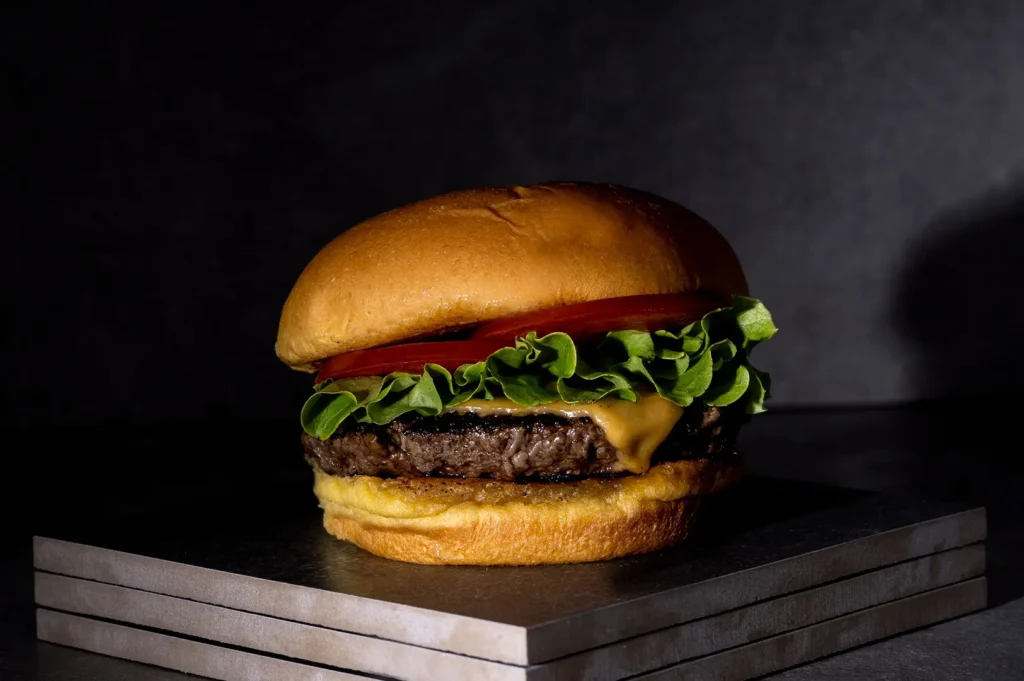
Height reads as generosity, but it must still be real.
Ways to add height honestly:
- Stack components the way your kitchen would plate them (not sculpture).
- Angle the protein slightly to show thickness.
- Use bowls that reveal ingredients (shallow bowls for noodles, wide bowls for soups).
Small height changes often make a big difference on thumbnails.
Add-On Cues That Increase Upgrades
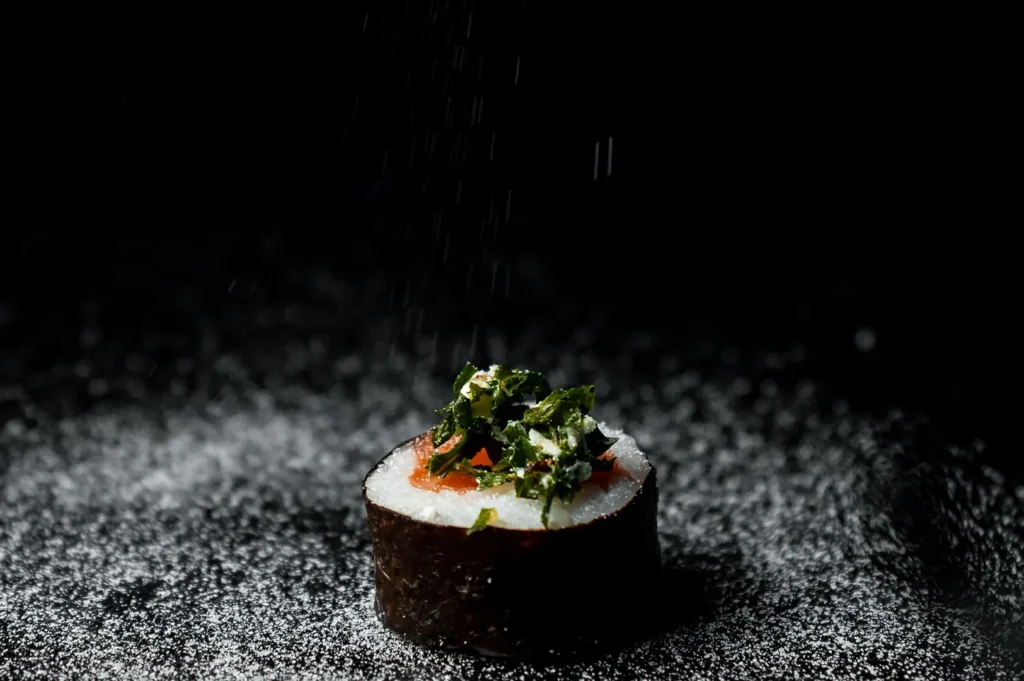
Many sets include optional add-ons. If you want people to upgrade, show the add-on as part of the story.
Example: “Add dessert for $3” works better if your photo shows:
- The dessert in a small, clearly visible position.
- The dessert styled as “part of the set”, not an afterthought.
The photo becomes the upsell. The text becomes confirmation.
Delivery Menu Reality: Thumbnail Legibility
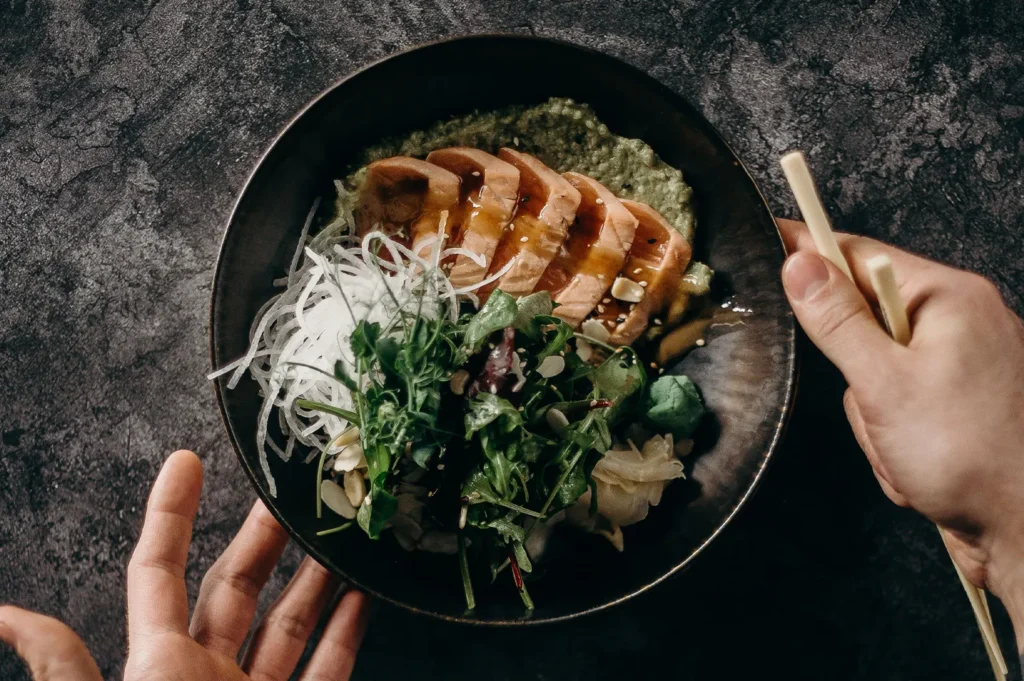
On delivery apps, your set meal is a small rectangle. If the frame is busy, value disappears.
In delivery photos:
- Keep backgrounds simple.
- Avoid props that look like extra items (customers assume they are included).
- Use overhead or high angle for clarity.
- Ensure sides are visible and not hidden behind containers.
Remember: if the diner has to think, they scroll.
Set Meals That Feel Premium (Without Looking Fake)
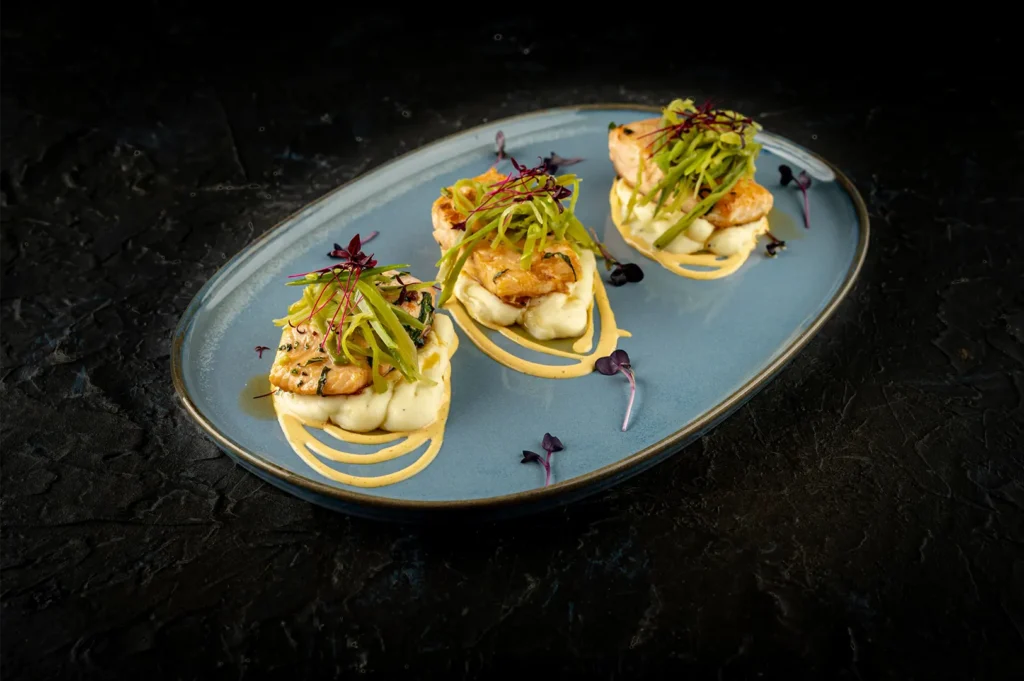
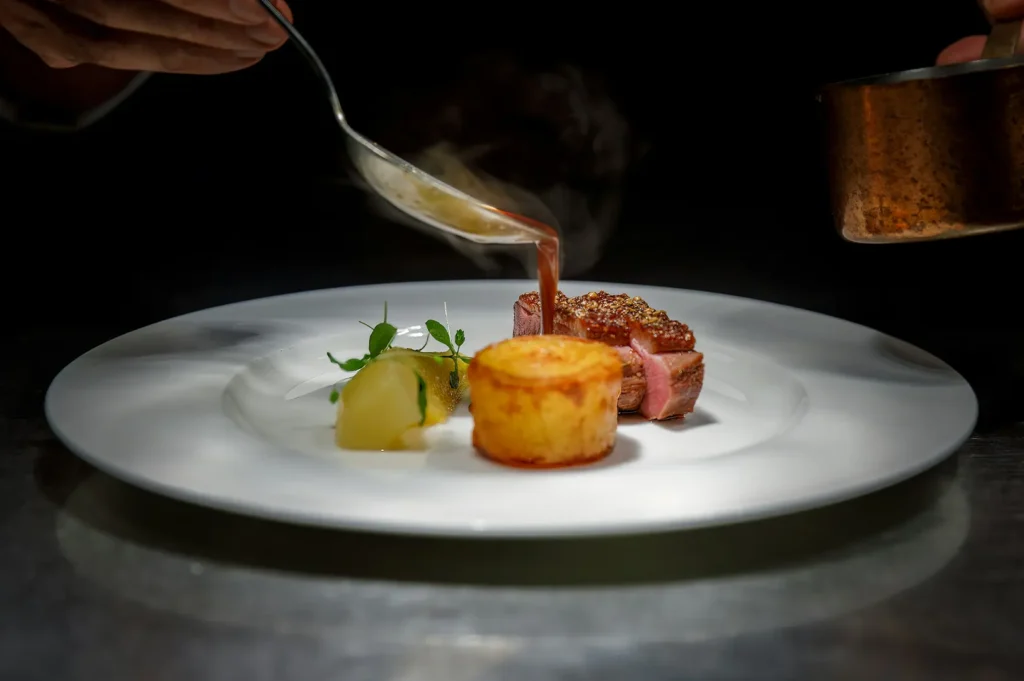
Premium value is not only about “more food”. It is about cues: neatness, consistency, clean lighting, and appetising textures.
What helps:
- Clean rims.
- Fresh garnish placed last.
- Clear sauce texture, not glare.
- Consistent lighting across the set.
When Food Photographer Studio shoots menu sets, we focus heavily on these cues because they protect perceived value. A premium set should look premium before the diner reads the price.
Make Value Obvious, Not Loud
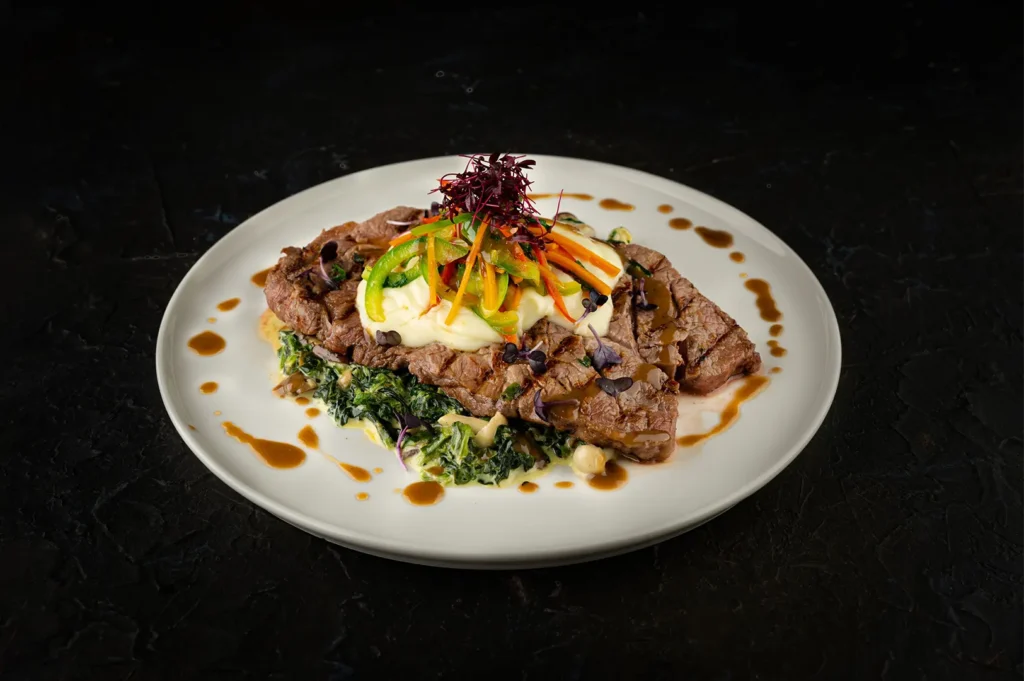
The best set meal photo feels calm and confident. It shows what you get, clearly, and makes it feel worth ordering, without tricks. When you do this consistently, sets become a profit driver instead of a “maybe”.


