
The shoot has ended, the dining tables are back in place, and the chef has finally stopped sending out “one last dish.”
A few days later, the restaurant receives a folder of finished photographs. Then someone notices that the photographer captured hundreds of frames during the session, but only delivered a selected set.
“Where are the rest?”
“And do we get the RAW files too?”
We hear these questions often. They are reasonable, especially when a restaurant has paid for a full day of photography. But food photography RAW files are not simply extra versions of the finished images. They are working files that still need selection, processing, colour correction, and retouching.
Understanding what final delivery means helps restaurant owners ask for the right files without expecting unfinished material they may not be able to use.
What A RAW File Actually Contains
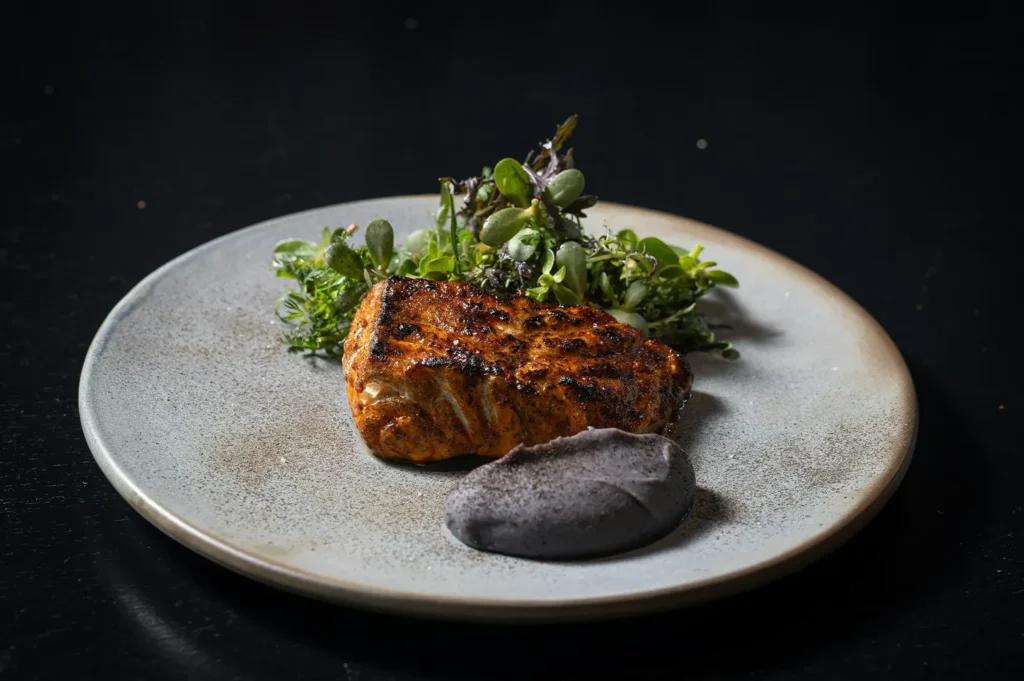
A RAW file contains image data captured directly by the camera before the photograph has been fully processed into a standard viewing format.
Adobe describes RAW files as containing unprocessed image data that preserves a large amount of detail for later editing. They give photographers more room to adjust exposure, colour, highlights, shadows, and other visual information before exporting the final photograph. Its guide to RAW image files explains why they are primarily working files rather than ready-to-publish images.
On a food shoot, the RAW frame may look flatter or darker than the image you saw on the photographer’s monitor.
The roast chicken may need warmer colour. Reflections on a soup bowl may need controlling. A pale sauce may need careful adjustment so it stays creamy rather than turning grey. Crumbs, fingerprints, or small spills may still be visible.
The RAW file records the starting point. The delivered photograph represents the finished decision.
Why Restaurants Usually Receive Selected Images
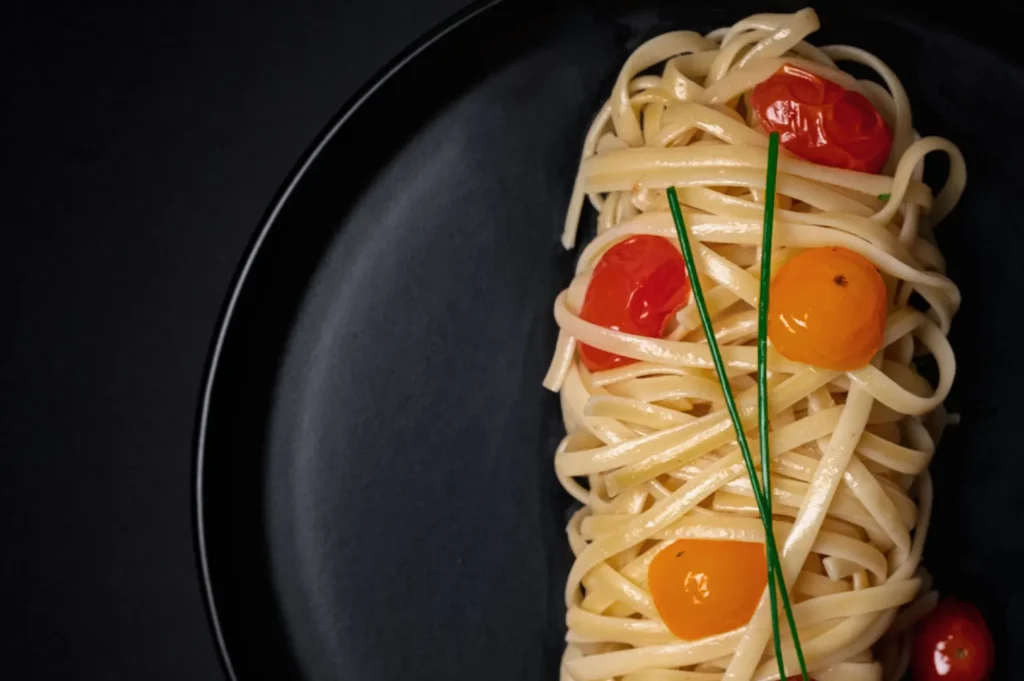
During a typical menu shoot, we may capture several frames of the same dish.
The first may have slightly uneven sauce. The second may catch a reflection from the cutlery. The third may have the strongest composition, while the fourth is nearly identical except that the garnish has begun to lean.
Not every shutter press creates a separate final asset.
Selection is part of the photography process. We compare focus, expression, texture, steam, reflections, hand placement, and how well the photograph supports its intended use.
The restaurant usually receives the strongest selected images after editing rather than every test frame, duplicate, or technical adjustment.
This should be described in the quotation or contract. The deliverables might state:
- Approximate number of edited images
- High-resolution JPEG or TIFF files
- Smaller web-ready versions
- Horizontal and vertical variations
- Expected delivery date
- Number of revision rounds
- Whether RAW files are included
Our broader guide to restaurant image ownership and delivery terms explains how file delivery sits alongside copyright, licensing, modifications, and platform use.
RAW Files Need The Right Software And Processing
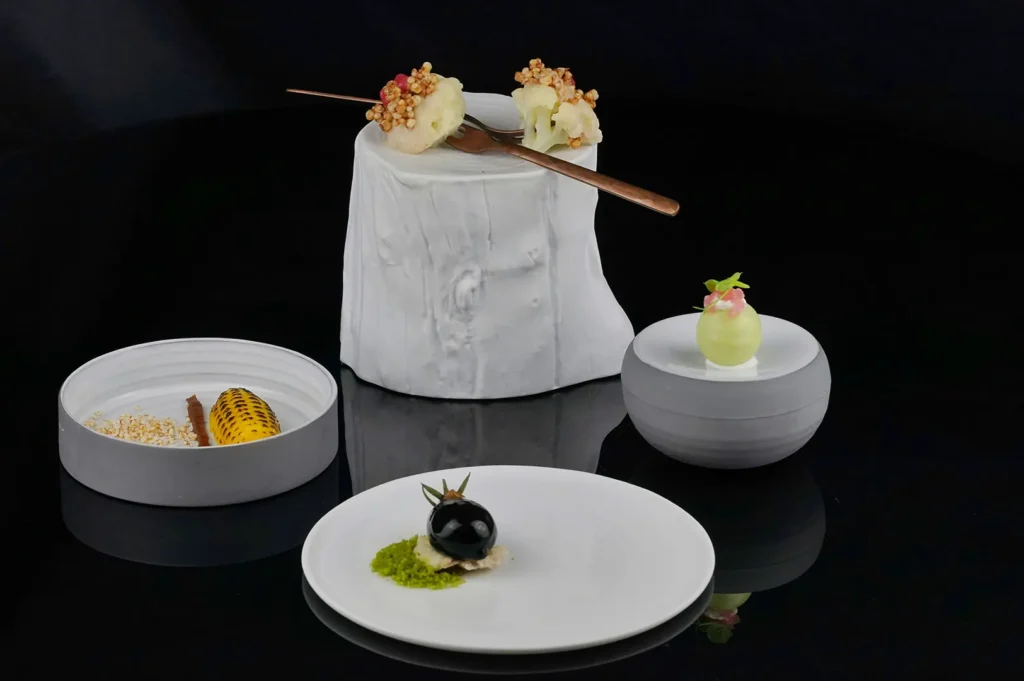
Camera RAW formats can differ between manufacturers. Canon, for example, uses RAW formats such as CR3, while other camera brands use their own file types.
Canon’s professional guide to RAW, JPEG and other image formats explains that RAW files retain more image information and require processing, while JPEG files are processed and compressed for easier everyday use.
This creates a practical issue for restaurant teams.
The marketing manager may open the RAW file and see a dull image. An external designer may apply a quick preset that changes the food colour. Someone may export it incorrectly and wonder why the result looks softer than the photographer’s finished version.
We once saw a restaurant take an unfinished file into another editing programme because it wanted a different crop. The bright red chilli oil became orange, the table surface turned purple, and the clean highlights on the bowl disappeared.
The crop was usable. The colour was not.
Having the source file does not guarantee a better or more flexible final result.
When A Restaurant May Need RAW Files
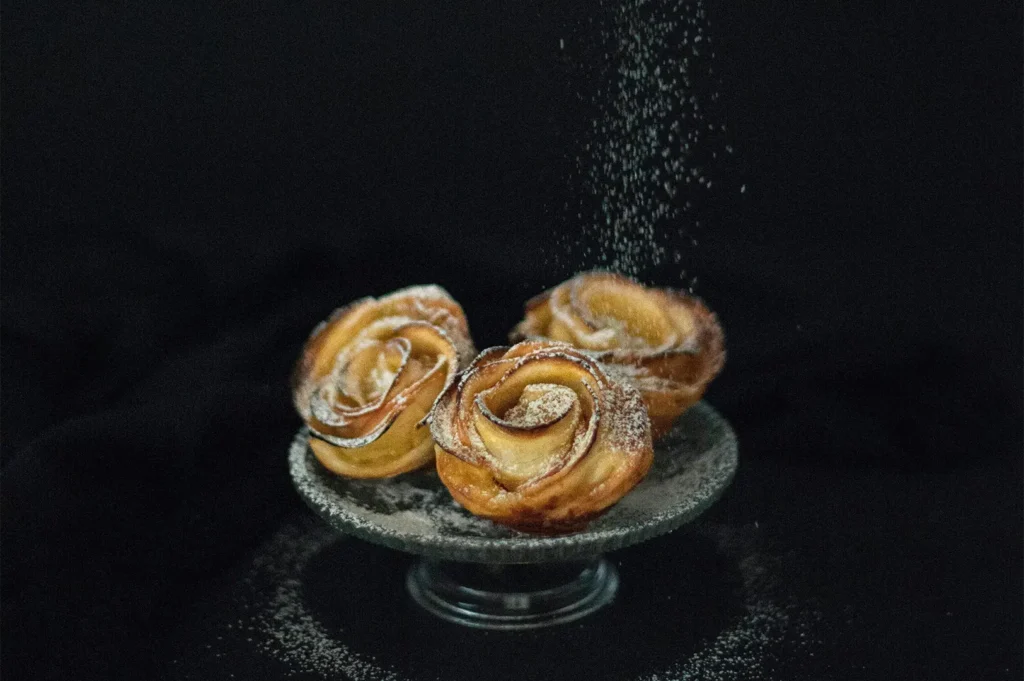
There are situations where a restaurant may reasonably request RAW files.
A large F&B group may have an internal creative department responsible for all colour work and campaign production. A packaging project may need extensive compositing. An advertising agency may require source files for a tightly controlled regional campaign.
The important point is to discuss this before the shoot.
The photographer may:
- Include RAW files within a broader fee
- Charge separately for source-file delivery
- Provide selected RAW files only
- Require editing restrictions
- Supply layered retouching files instead
- Decline to release unfinished files
There is no single arrangement that suits every production. What matters is that both sides understand what the restaurant needs and why.
RAW file delivery should also be separated from copyright ownership. Receiving a RAW file does not necessarily mean the restaurant owns the copyright or may use the image without limits.
What Final Files Should Restaurants Ask For?
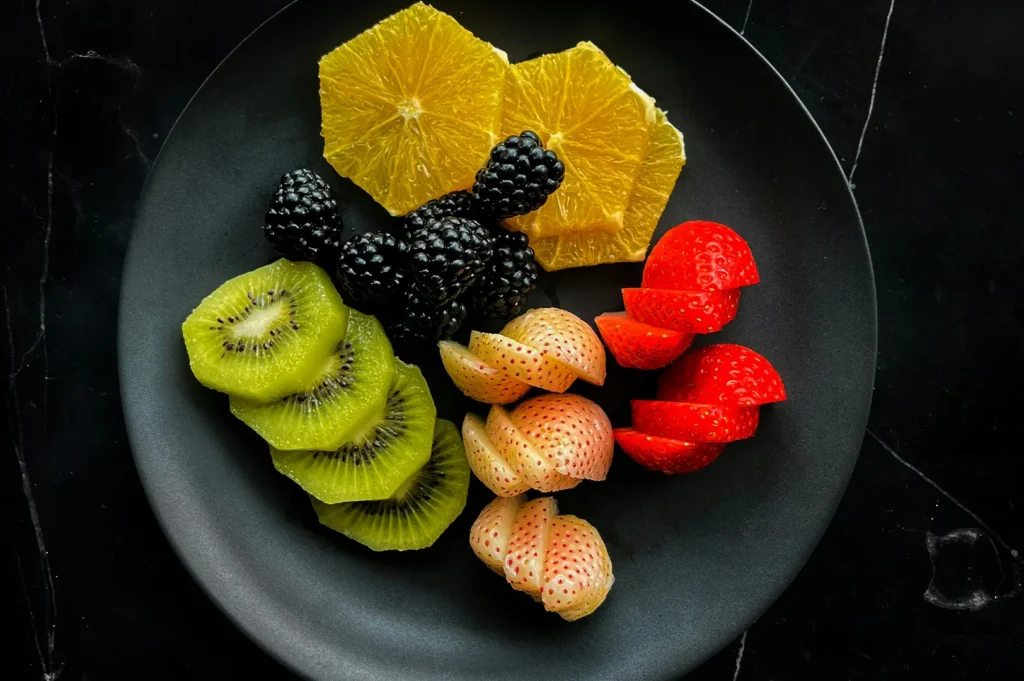
For most restaurant teams, a useful final delivery contains more than one version of each image.
We usually recommend discussing:
High-Resolution Files
These are useful for printed menus, posters, media requests, mall displays, and other large-format applications.
Web-Ready Files
These are compressed for websites, social media, Google Business Profile, and digital platforms. They load more quickly and are easier for everyday teams to handle.
Platform-Specific Crops
The restaurant may need square delivery images, vertical social formats, horizontal website banners, or clean layouts with space for text.
Clear File Names
A file called DSC_8472_FINAL_NEW.jpg may mean something during delivery but very little six months later.
Names such as charcoal-chicken-menu-horizontal.jpg or pandan-dessert-instagram-vertical.jpg make the library easier to use.
A well-organised delivery should help the restaurant publish confidently without reopening the entire shoot every time.
Store The Final Library Properly
Restaurants often put considerable effort into the shoot, then store the photographs inside one employee’s laptop or an agency folder that nobody else can access.
Keep at least one organised master archive containing:
- Original final exports
- Web-ready copies
- Platform crops
- Signed usage agreement
- Dish names and captions
- Photographer credits, where required
- Delivery date
- Notes on seasonal or discontinued items
The Library of Congress maintains guidance on managing digital formats and long-term file access, reflecting why format choice and organised preservation matter when digital assets need to remain usable over time.
Restaurant photography may stay in circulation for years. The person who managed the shoot may not still be with the company when the images are needed again.
Agree On Delivery Before Shoot Day
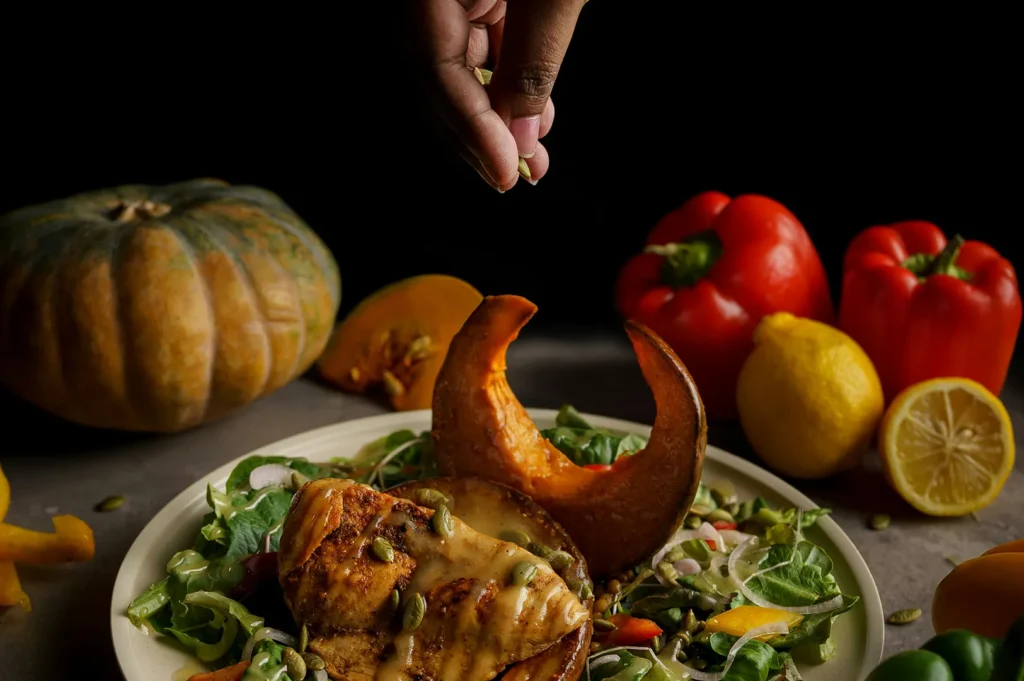
The RAW-file conversation becomes awkward when both sides assumed different things.
The restaurant thought every frame was included. The photographer planned to deliver 25 edited photographs. The designer expected layered files. Nobody discussed platform crops.
Before the shoot, confirm:
- How many edited images are expected?
- Which file formats will be delivered?
- Are print and web versions included?
- Are specific crops required?
- Are RAW or layered files included?
- How long will the files remain available?
- Who is responsible for archiving them?
The final delivery should not feel like a smaller version of the shoot. It should feel like the useful result of the selection and editing work that happened after it.
Restaurants do not necessarily need every file the camera created. They need the right finished files for the places the images are expected to work.


