Corporate catering has a strange photography problem.
The customer often has to approve the meal before they have ever seen the table.
They are choosing from a website, PDF, proposal or ordering page. They need to imagine what 30 lunch boxes, eight buffet trays or an afternoon tea setup will actually look like when it reaches the office.
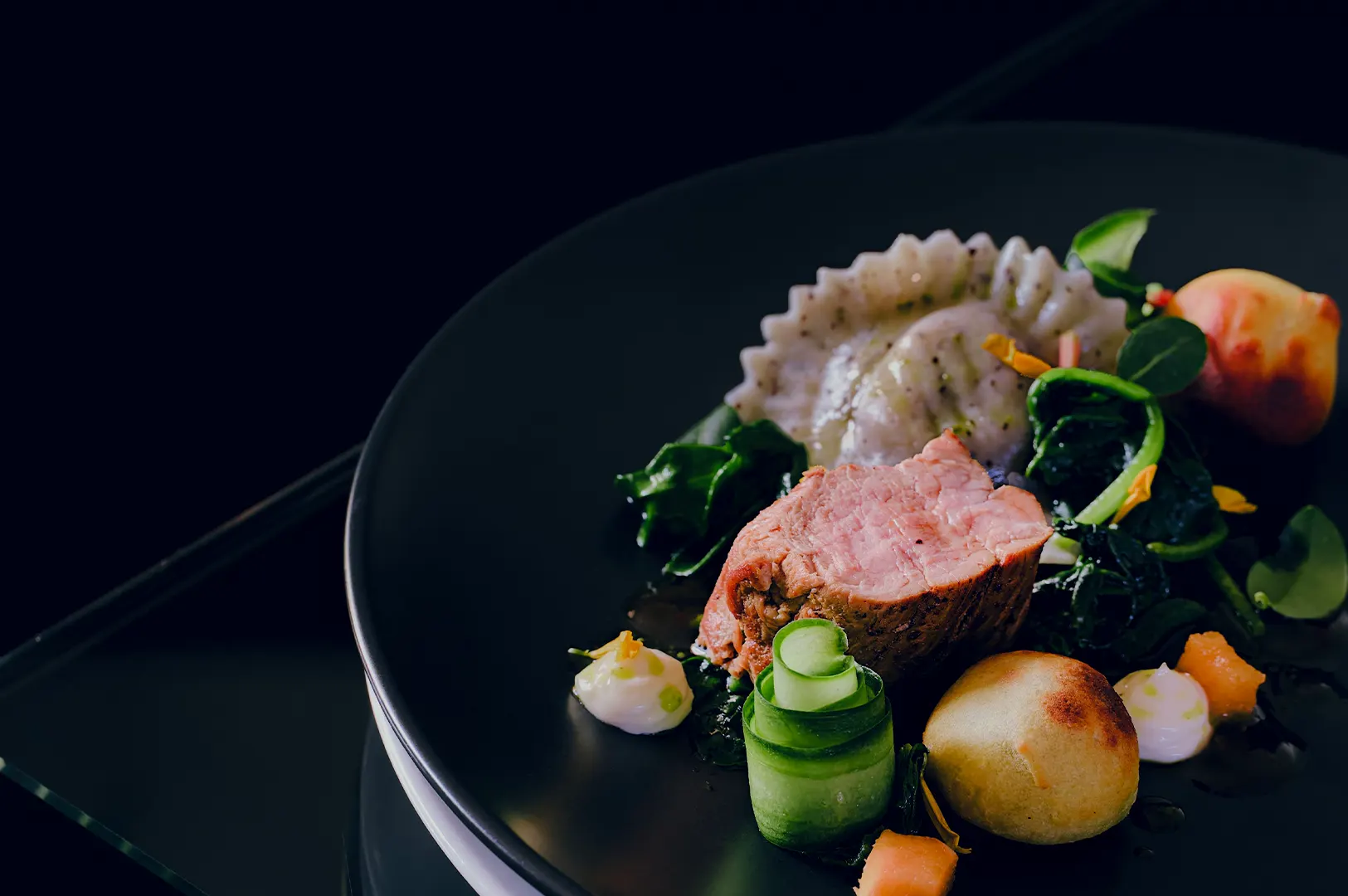
A beautifully photographed individual plate helps, but it does not answer every question.
Catering photography has to sell the food and explain the scale of the service.
Photograph What the Client Is Actually Ordering
We start by asking whether the business sells individual bentos, buffet packages, sharing trays or some combination of all three.
Those are different photographs.
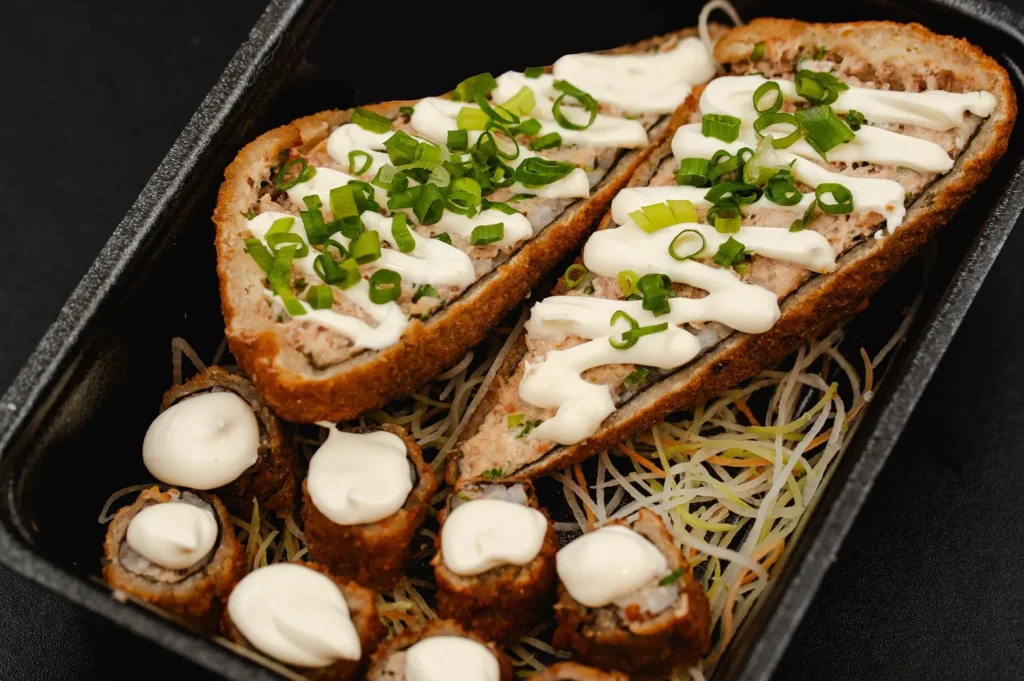
A bento needs clear compartments and portion sizes. A buffet tray needs enough context for customers to understand quantity. A corporate tea setup may need several items together because the value is in the spread rather than one pastry.
Singapore Food Agency guidance recommends using licensed caterers for functions and events and ordering an appropriate amount of food for the number of guests.
Photography should support that decision by making quantity easier to understand.
Show One Portion and the Bigger Picture
For catered lunches, we often want both.
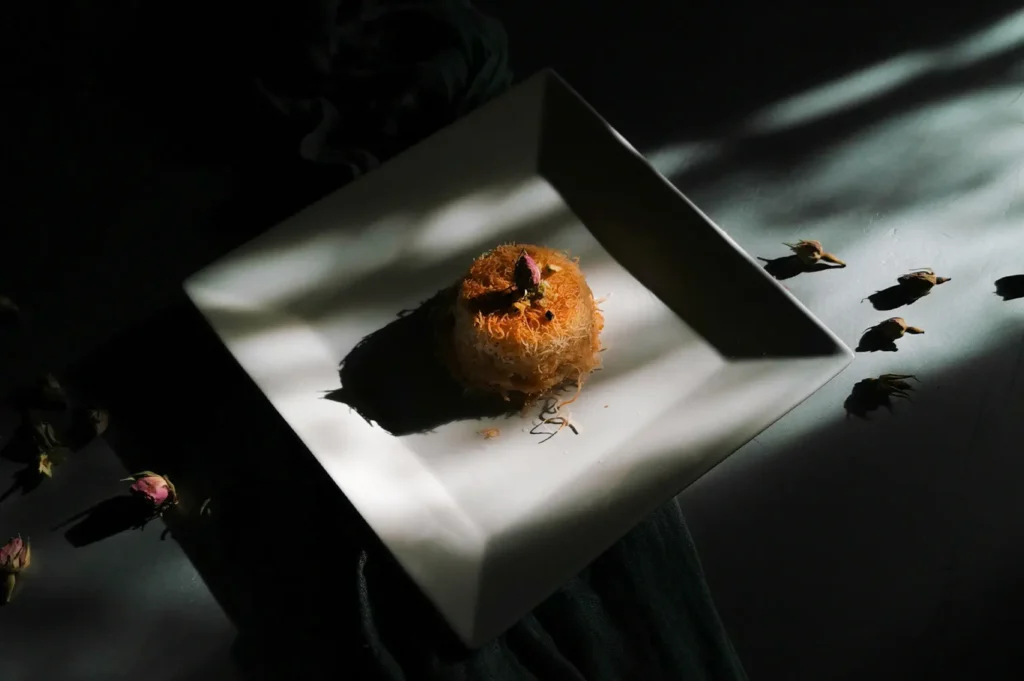
First, photograph the individual meal clearly. What does one guest receive?
Then pull back.
Show several boxes together, or photograph the trays as a complete package. That wider image helps an office manager imagine the order arriving for a meeting.
Our guide to building a consistent menu photography set is especially useful when the catering menu contains dozens of options that need to look like part of the same business.
One image sells the food. The other explains the order.
Do Not Keep Catering Food Waiting for the Camera
Bulk food brings practical limits.
The Singapore Food Agency requires catering businesses to implement food safety management systems and identifies catering as an operation where food safety controls matter across preparation and service.
That matters on shoot day too.
We do not want trays sitting around while we decide where to place a laptop, coffee cup and decorative notebook.
The background and lighting should be ready before the final food arrives.
This is one reason our broader guide to food photography that supports sales starts with purpose rather than decoration.
Photograph the Business Use, Not an Imaginary Party

Corporate catering does not always need balloons, flowers or elaborate event styling.
Sometimes the most convincing context is a neat meeting table, serving utensils, plates and food that looks easy to distribute.
We have removed props from catering shoots because the scene started looking more like a wedding than Tuesday’s management meeting.
Context should tell customers where the food fits, not invent an occasion they did not ask for.
A commercial food photography team in Singapore should be able to help decide which images belong on an ordering page, which belong in a sales deck and which need to show an entire catering package.
The customer may be ordering lunch weeks before it exists.
Your photographs are what help them picture it arriving correctly.