Not every restaurant has a menu that stays still long enough for a big annual photo shoot.
Some cafés change pastries every weekend. Chef-led restaurants run market specials. Bakeries rotate seasonal flavours. Lunch concepts may introduce a new bowl every Monday and remove it by Friday.
We have worked around this kind of menu rhythm before, and the biggest mistake is trying to treat every new special like a full campaign.
That becomes expensive, slow and exhausting for the kitchen.
Rotating menus need a photography system, not a fresh visual identity every week.
Decide Which Specials Deserve the Full Treatment
Some dishes are temporary but important.
A festive launch, chef collaboration or high-priced seasonal menu may justify a proper hero setup, several crops and supporting detail shots. A soup that will run for four lunches probably does not.
Toast describes limited-time offers as menu items available for a defined period, often used to create interest around something temporary or seasonal.
The photography investment should still match the lifespan of the item.
We normally split rotating dishes into two groups: campaign specials and regular weekly changes.
Campaign specials get more time. Weekly changes fit into an established setup.
Build One Repeatable Setup
This is where preparation saves money.
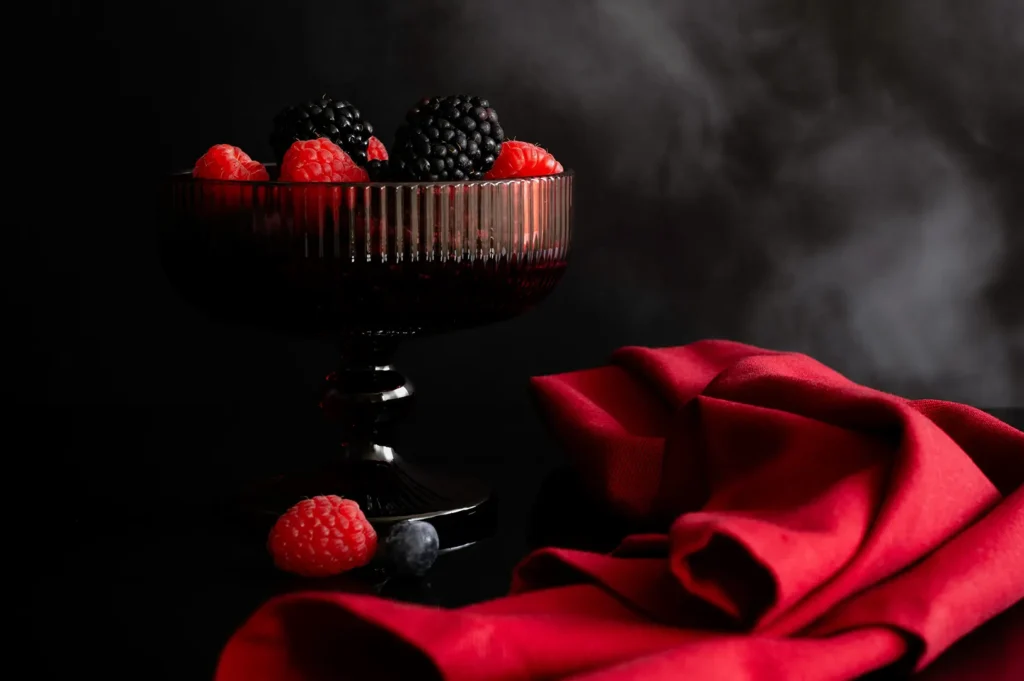
Choose a background, lighting direction, basic camera angle and plate position that can be recreated. Photograph a reference frame. Note which table or corner was used.
We have done this with restaurants where a new dish needed to be photographed between lunch prep and service. The lighting was already mapped. The background was ready. The chef knew the plate position.
We could spend our time making the food look right rather than rebuilding the set.
Our restaurant photoshoot checklist explains why locking these decisions before food arrives makes shoots calmer and more consistent.
Repeatable does not mean boring. It means the restaurant can add new images without the menu looking like a different brand every Tuesday.
Keep a Core Library Around the Specials
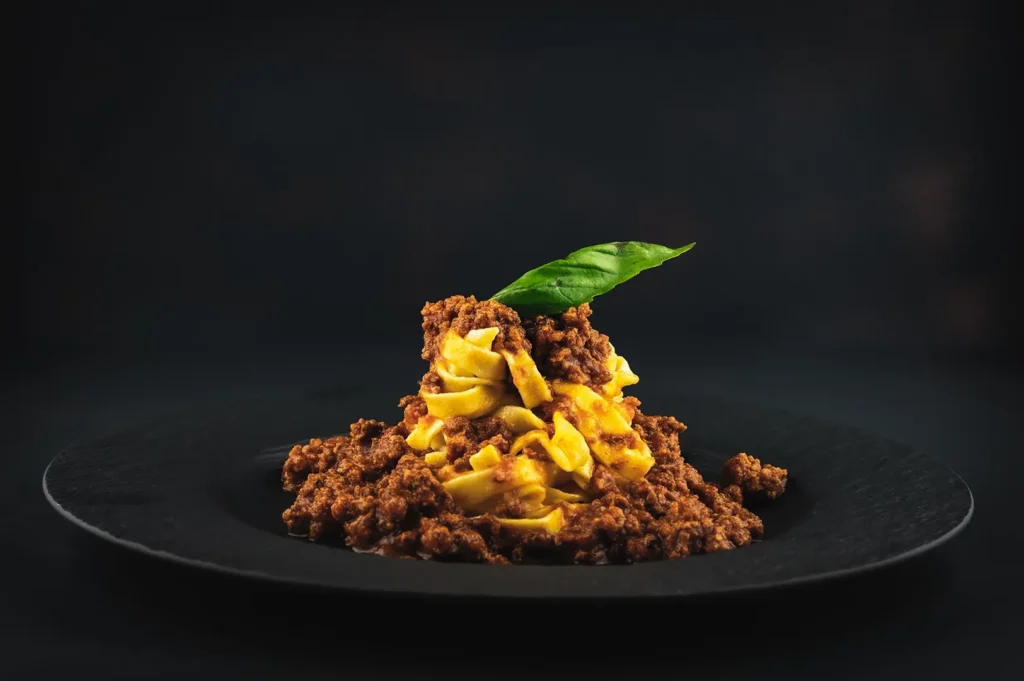
A rotating menu should not force the whole website or social feed to rotate with it.
We recommend building a strong permanent library first: signature dishes, interior details, ingredients, team moments and a few flexible table scenes.
Specials can then sit inside that visual world.
Our article on using food photos across websites, menus and Instagram explains why different platforms may need different crops and compositions. For rotating specials, that matters even more because you may not have time to reshoot later.
Capture one clean menu-safe frame first, then add a wider or tighter variation if time allows.
Use the Photos While the Special Is Still Relevant
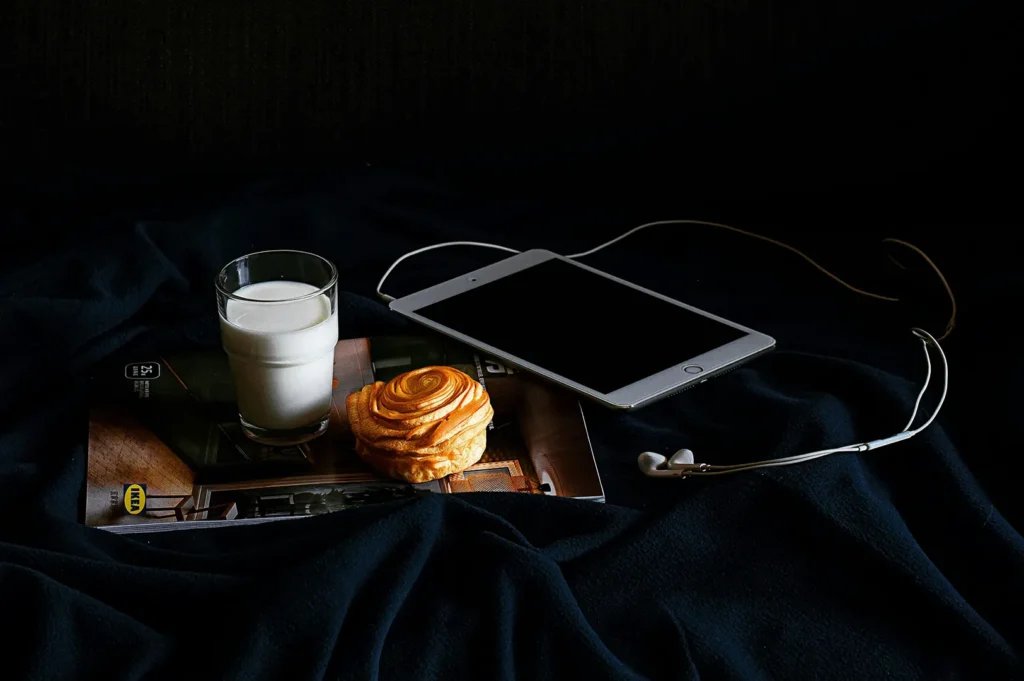
A beautiful image delivered after the dish has disappeared is not very useful.
Google Business Profile allows restaurants to publish updates, offers and events with photographs or video, giving short-term specials another useful place to appear.
Before the shoot, decide where the special will appear: menu page, social post, Google update, email, in-store screen or delivery platform.
That affects the crop and how much space we leave around the dish.
Let Some Content Stay Simple
Professional photography should not create a bottleneck.
For weekly experiments, your team may be perfectly capable of taking a quick, consistent phone photo using an agreed setup. Bring in professional support for the core library, bigger launches and periodic batches of specials where quality and consistency matter more.
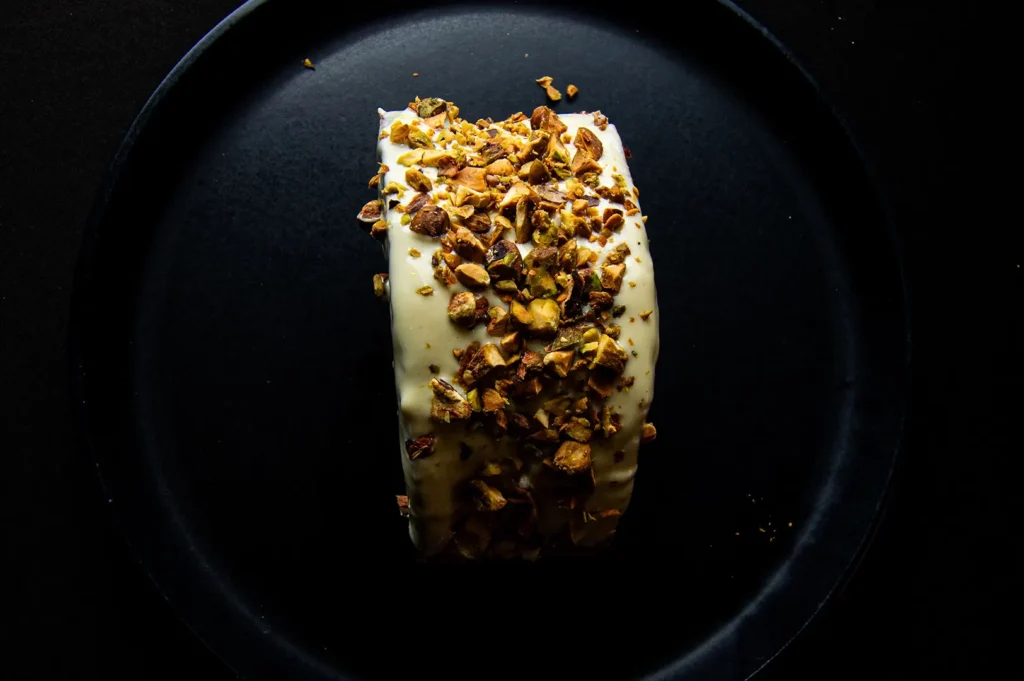
That is often a healthier system than calling a photographer every time one new tart appears in the display case.
When working with Food Photographer Studio, this is the conversation we want to have with owners: what genuinely needs production value, and what simply needs a repeatable standard your team can maintain?
The best photography plan is not the one that makes every special expensive. It is the one that keeps a changing menu looking like the same restaurant.
A rotating menu should feel fresh to customers, not visually unstable.
Build the system once, then let the food keep changing inside it.