
Most restaurants do not have a photo problem. They have a usage problem.
Photos live in a camera roll. Someone needs a banner for a promo. Nobody can find the right image. The team reuses the same three photos again. Your “library” becomes a graveyard of almost-good shots.
This article is the unsexy part that saves hours: naming, folders, versions, and handover. If your photos are meant to support menus, promos, and campaigns, organisation is part of the job.
For the foundational system that ties shooting to performance, read this food photography tips guide.
The Folder Structure That Works for Restaurants
Keep it simple. Complexity kills adoption.
We recommend:
- 01 RAW (or Originals)
- 02 Edits Working
- 03 Final Approved
- 04 Web and Social Exports
- 05 Campaigns and Ads
Inside “Final Approved”, organise by:
- Dish category (mains, sides, drinks, desserts)
- Or by menu cycle (2026 Q2 menu, seasonal specials)
Pick one and stick to it.
Naming That Makes Search Easy
If your file names are “IMG_3829”, your marketing team will never find anything.
Use a simple naming convention:
Brand_Dish_Platform_Date_Version
Example:
ABCChickenRice_ChickenRice_GBP_202605_v1
Even if you do not use every field, use at least dish + date.
Versions: Final Means Final
The biggest mistake is mixing drafts with finals.
Define:
- “Final Approved” is what gets published.
- “Working” is what you are still editing.
- “Exports” are resized copies for platforms.
This prevents accidental posting of unfinished edits.
The One-Page Photo Library Index
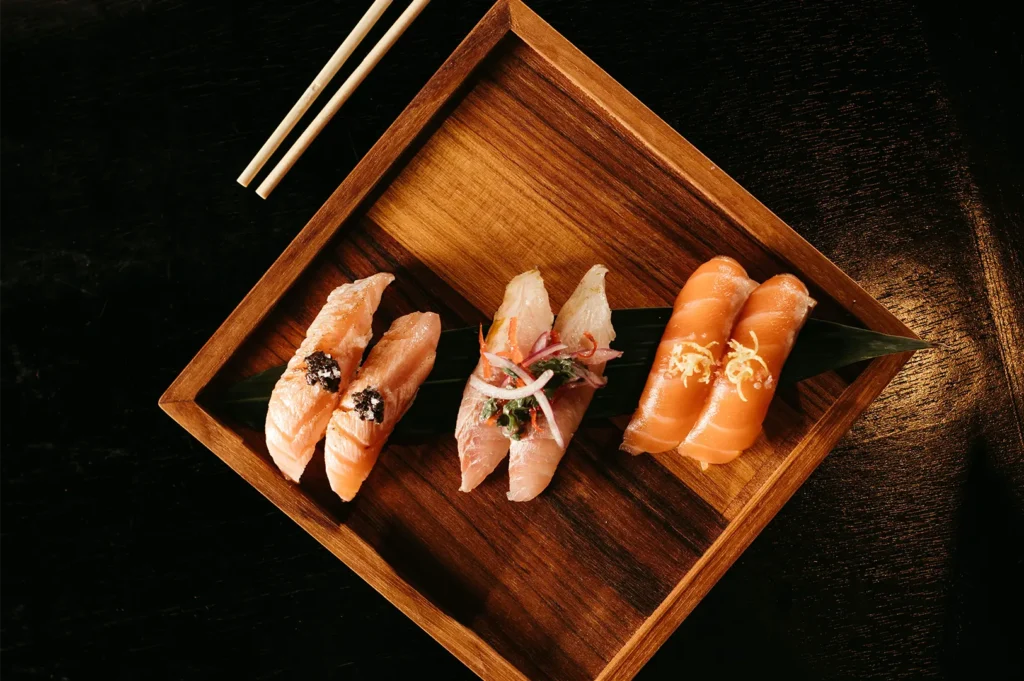
If you want photos to be used, create a simple Google Sheet:
- Dish name
- Folder link
- Best platform use (menu, IG, delivery)
- Notes (angle, lighting, season)
This becomes your internal “photo menu”.
The Best Photos Are the Ones You Can Find
When we shoot for clients, we deliver with structure because we know images are meant to work, not just look nice. A clean folder system and clear versions turn a photoshoot into a usable library.
Organisation is not admin. It is a profit lever. When photos are easy to find, they get used more often, more consistently, and with less stress. That is how a camera roll becomes a campaign engine.


